
Louise Irvine
The new Enchanted Garden exhibition at WMODA is “enchanting,” according to the rave reviews. Like Alice on her curious journey in Wonderland, visitors can wander through a world where flowers tell stories, gardens bloom forever, and imagination flourishes at every turn. The enchantment doesn’t end when you leave our exciting new exhibition. Visitors are also invited to explore winding paths of creativity in the Fired Arts, spanning cultures, centuries, and continents throughout our WMODA Wonderland.
Hot Glass Gallery
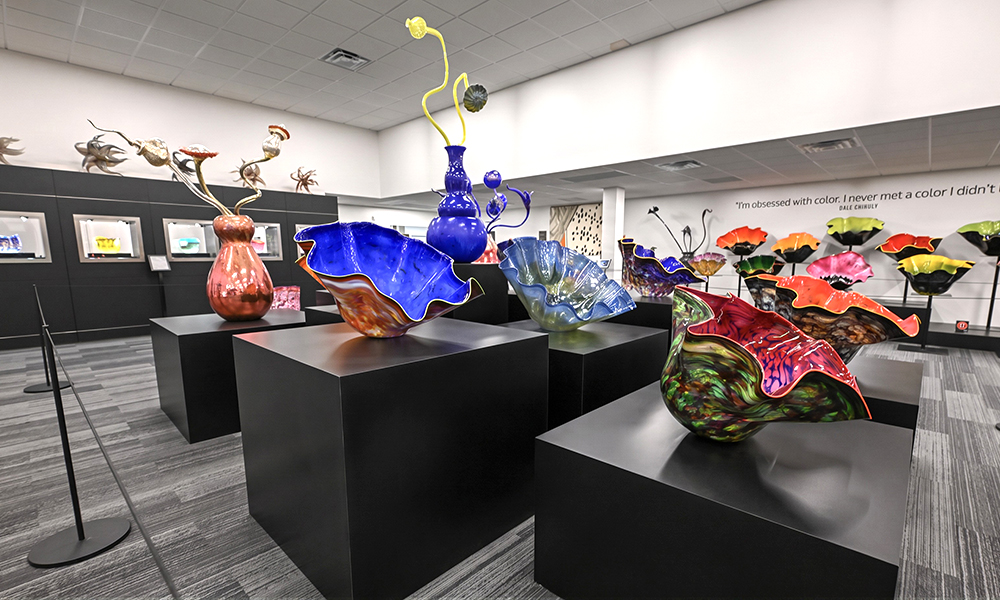
Our journey begins in the Hot Glass Gallery, where nature blossoms in the museum’s spectacular collection of American studio glass. Dale Chihuly’s dazzling sculptures burst with color and movement, reflecting the lifelong influence of his mother’s garden. His towering Ikebana flower arrangements, vibrant Macchia forms, and unfurling florets on the Persian wall celebrate the vitality of organic growth.
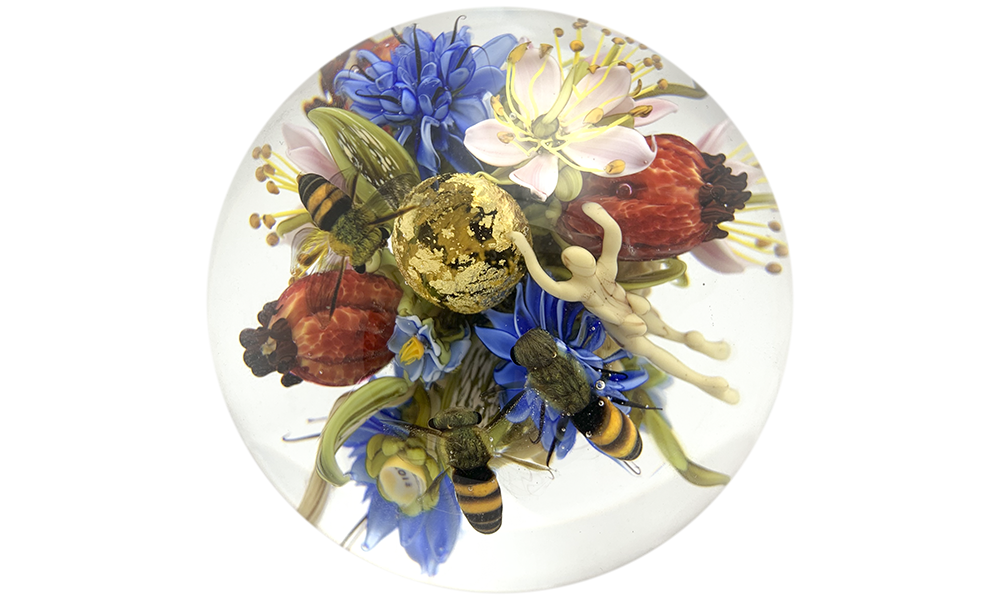
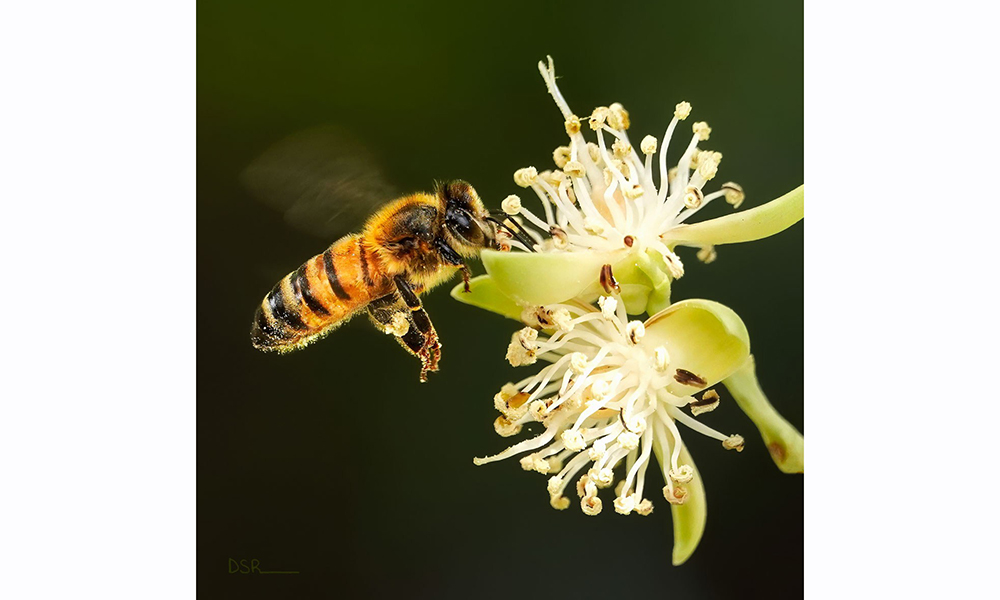
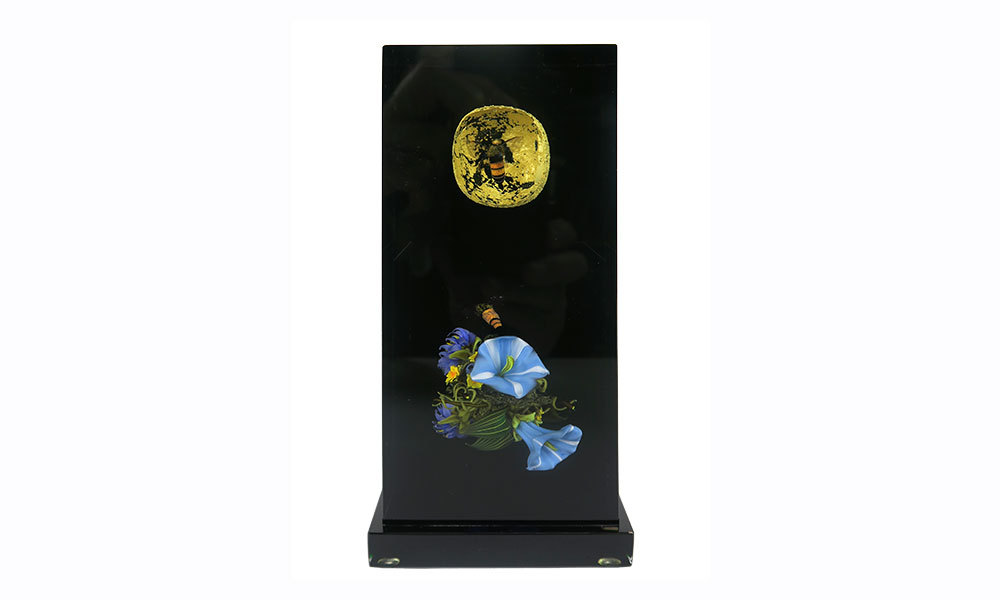
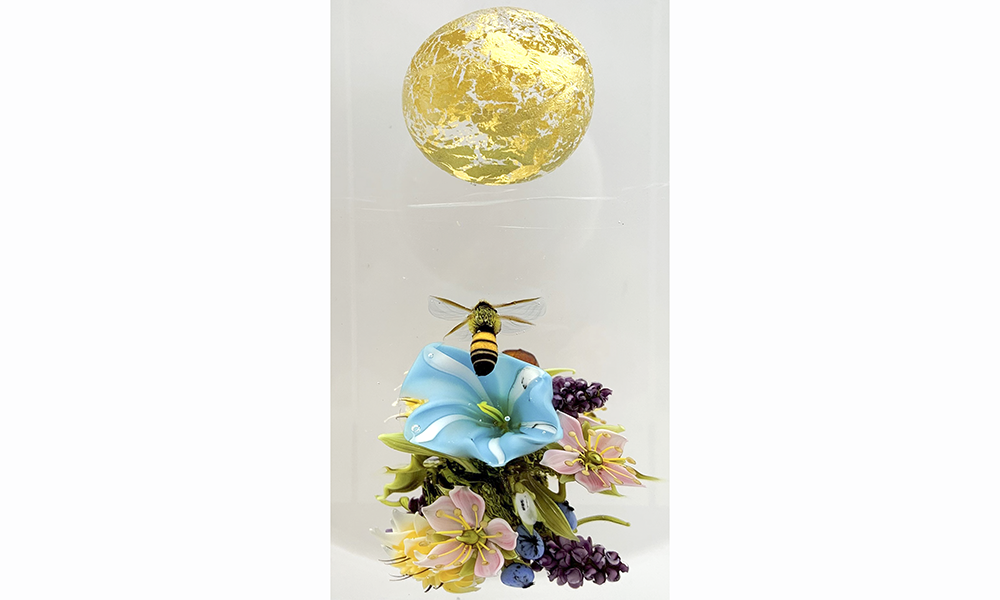
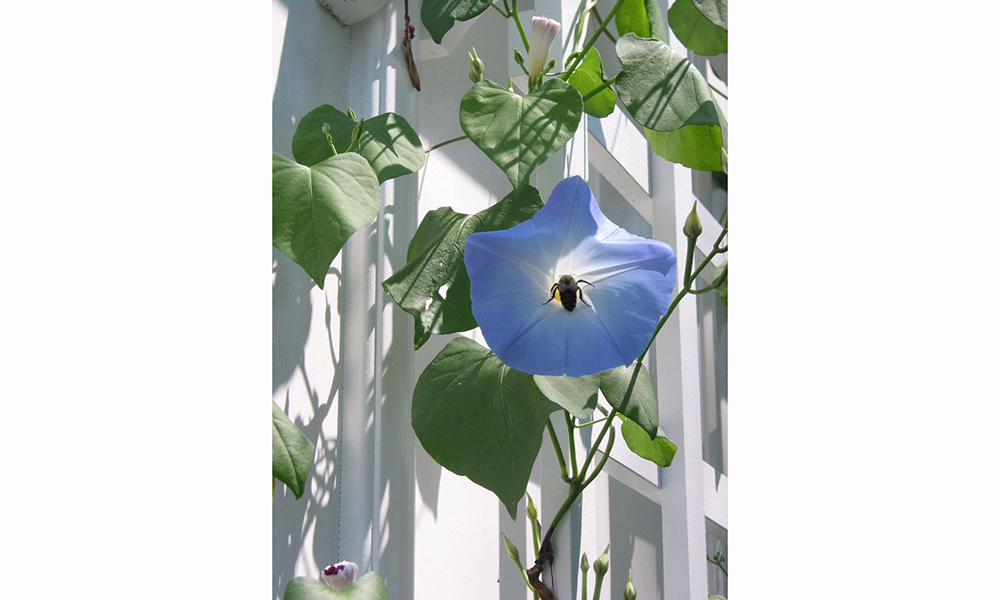
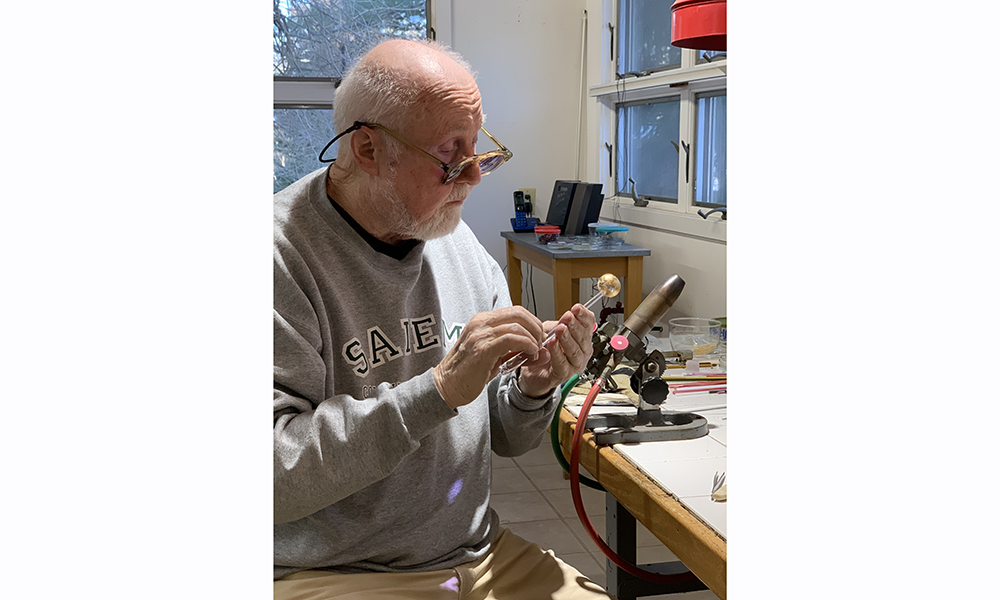
The intimate botanical worlds created by the late Paul Stankard offer another perspective on nature’s wonders. His lampworked paperweights and orbs encapsulate tiny glass flowers, seeds, insects, and strange little root people captured forever with the art of the flame. Inspired by the quiet miracles of the natural world, these poetic microcosms of nature suspended in crystal invite close contemplation. Paul often drew inspiration from Walt Whitman’s poetry, particularly a line from Leaves of Grass. “A morning-glory at my window satisfies me more than the metaphysics of books.” Dave Rosenthal’s macro photographs of flowers and insects in this gallery echo Paul’s sensitivity to life’s fleeting moments
The Peacock Garden
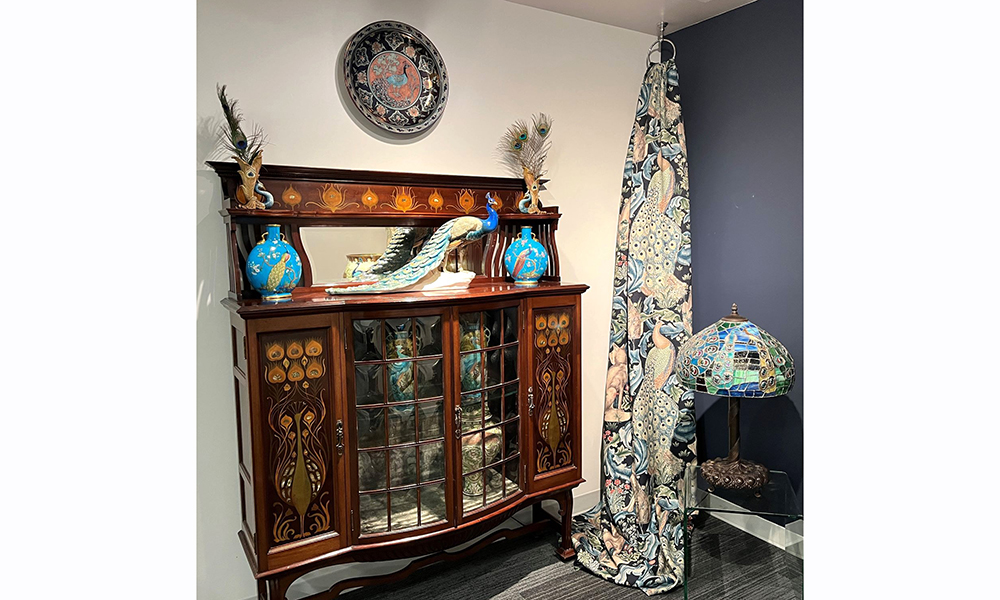
The magnificent peacock embodies exotic splendor, beauty, and pride in Victorian gardens. Their dazzling plumage complemented ornamental flowerbeds, and their iridescent feathers were gathered for interior decoration. Prestigious Arts & Crafts furniture was inlaid with peacock motifs, and William Morris, the celebrated interior designer, produced fabrics and wallpaper patterns still in production today. In the Art Nouveau era, ceramic artists experimented with shimmering glazes in peacock hues while the bird’s graceful neck and sweeping tail inspired elegant vases and ornamental sculptures.
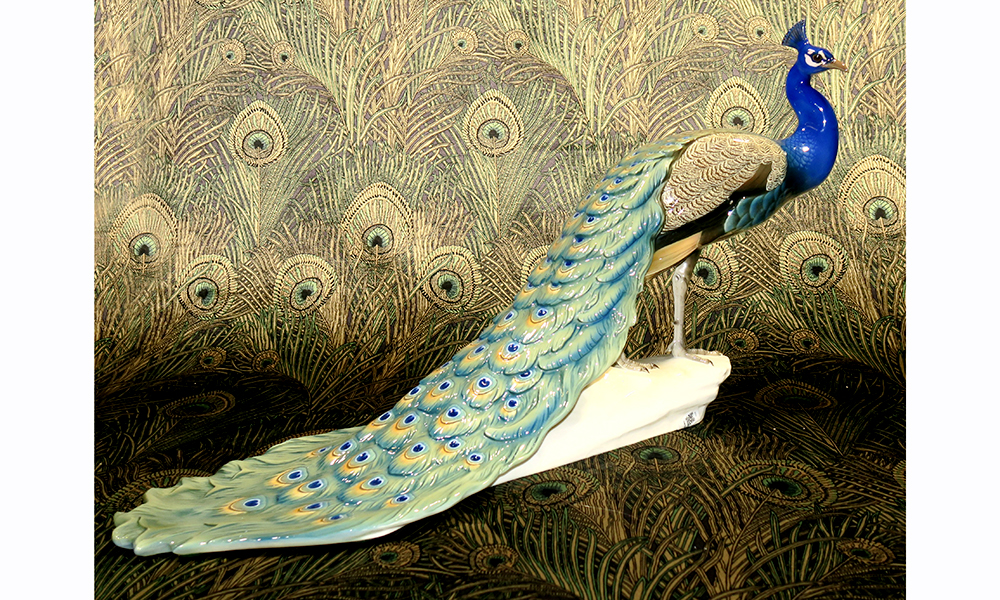
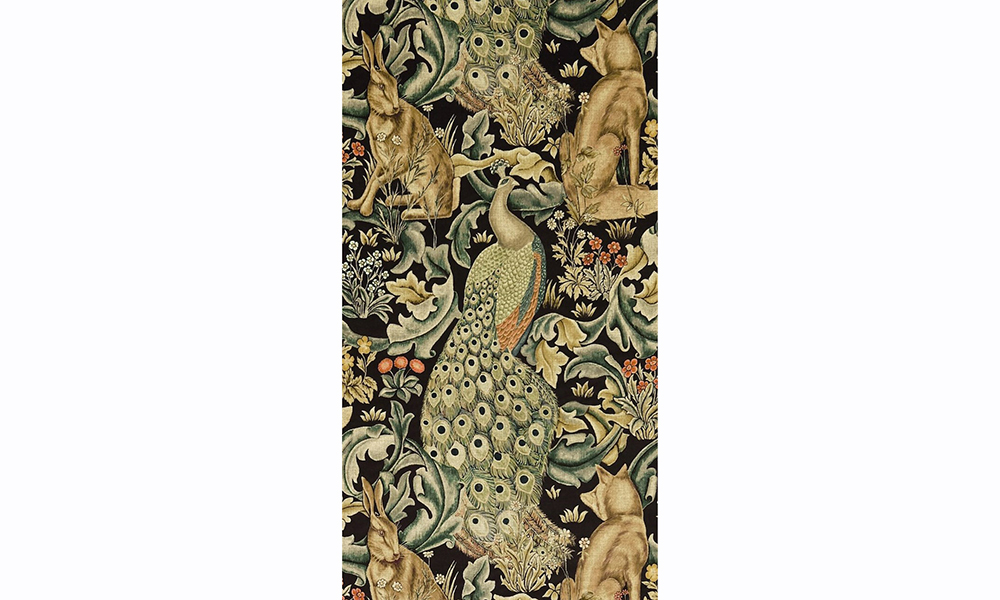
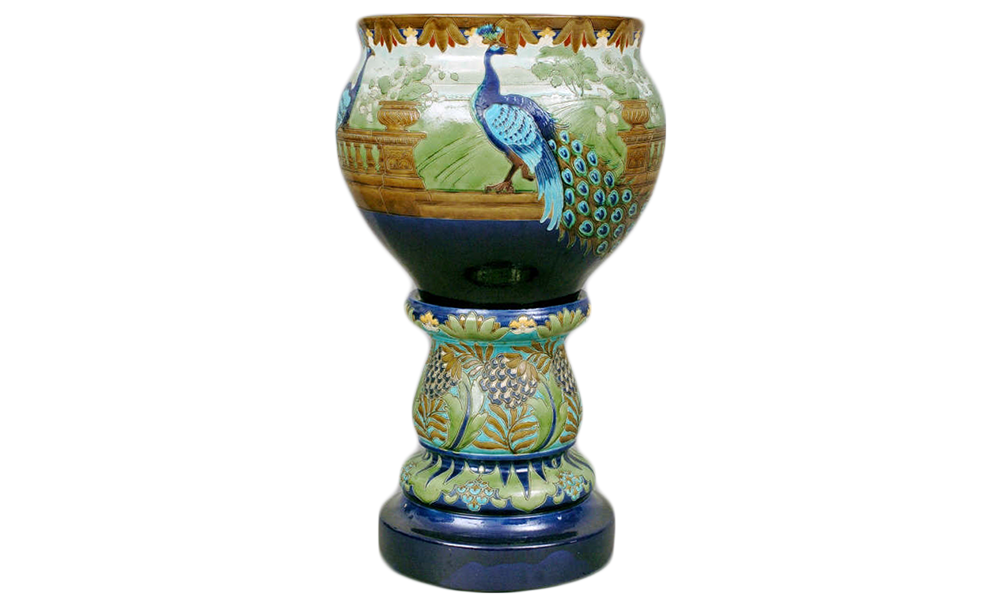
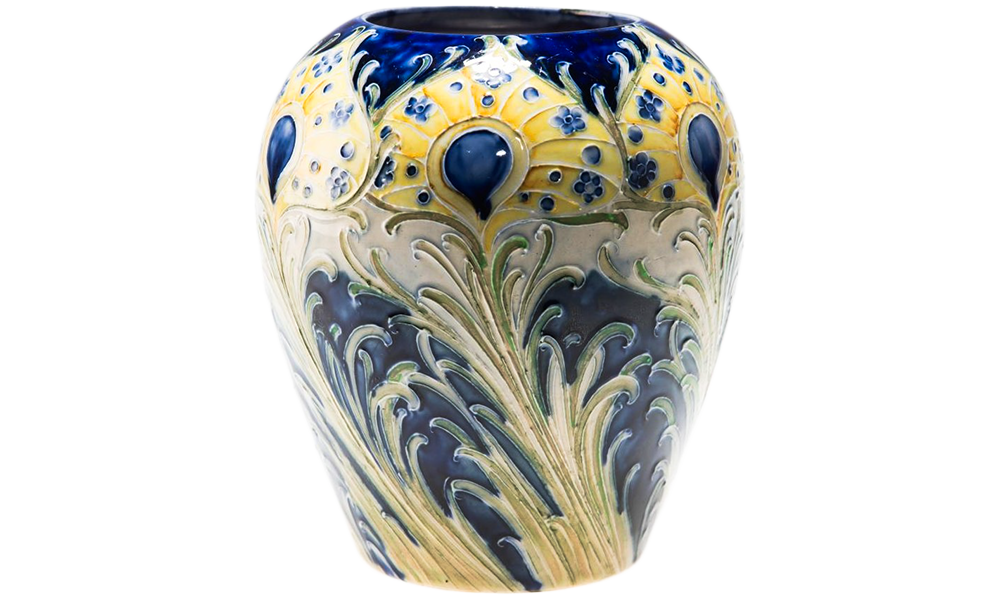
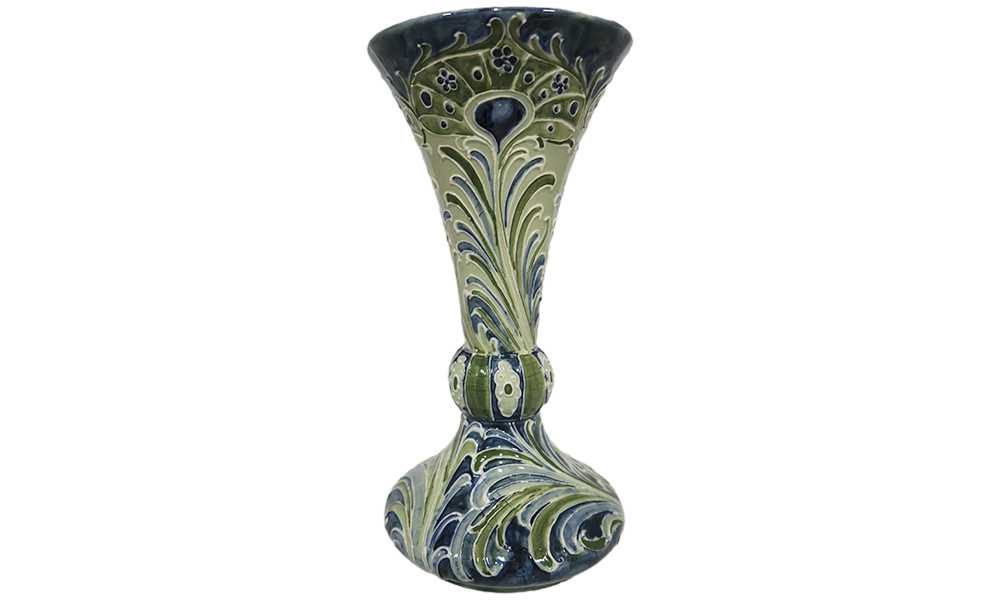
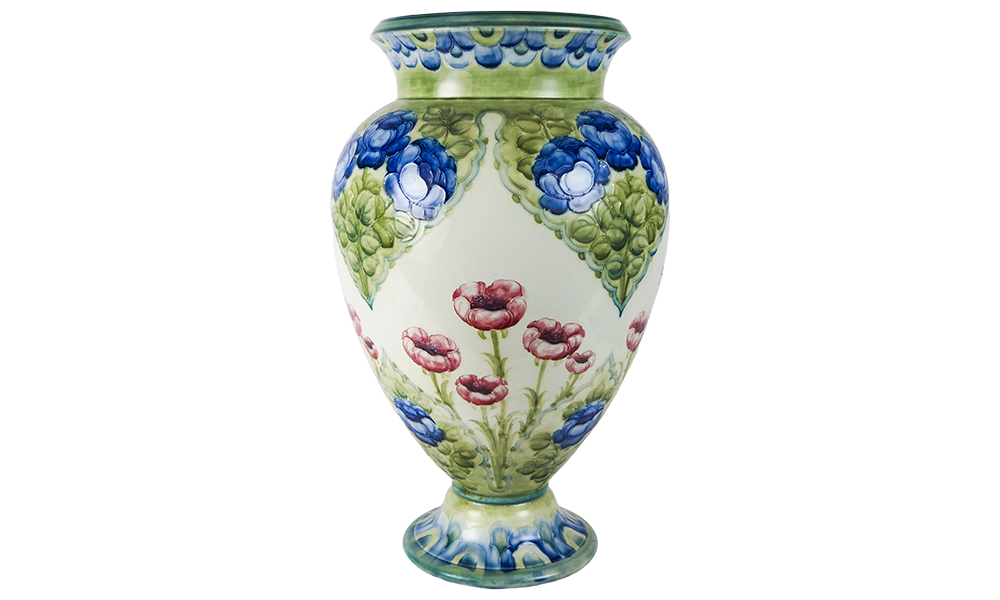
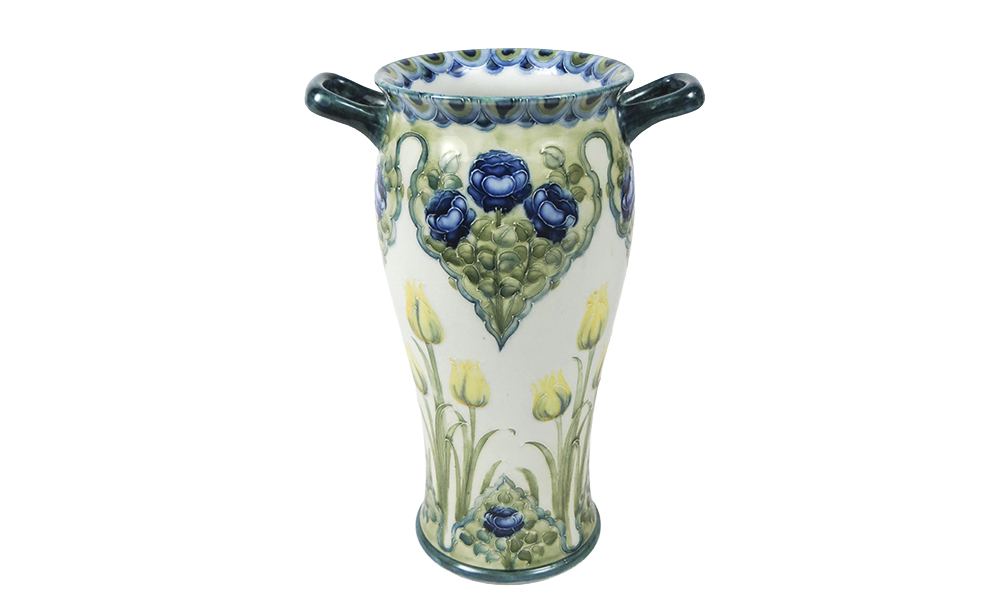
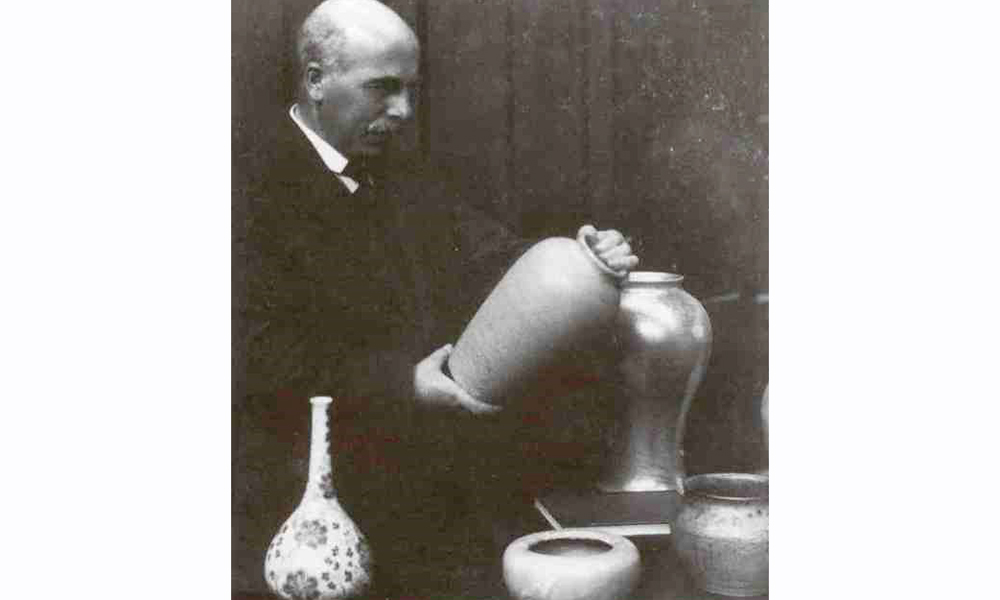
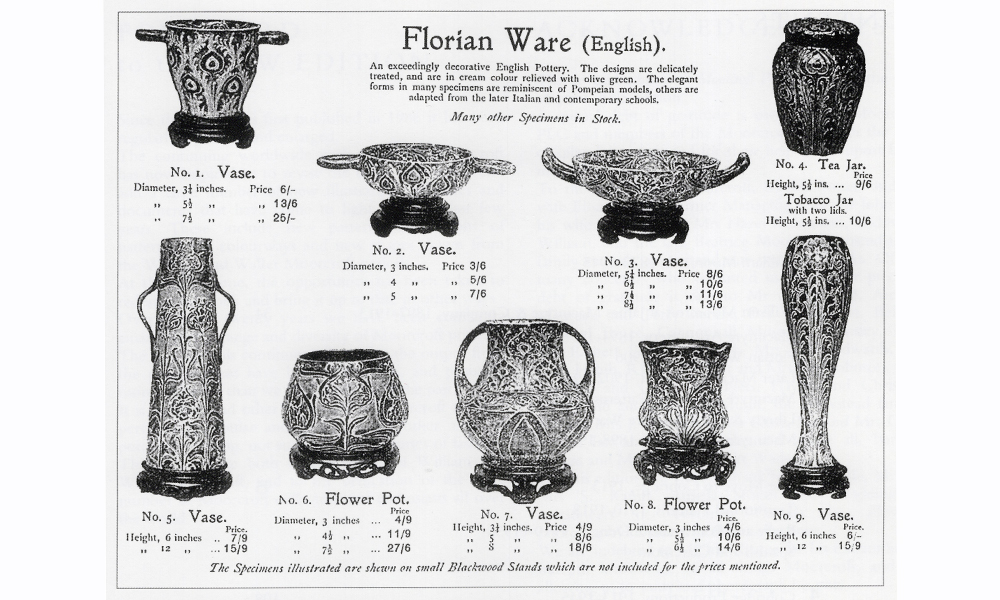
Peacocks also inspired William Moorcroft’s Florian Ware in the early 1900s. He interpreted nature’s flowing lines with his distinctive tube-lining technique to recreate the romance of an English country garden. Florian Ware was popular on both sides of the Atlantic and was sold through luxury stores, including Tiffany & Co. in New York and Liberty & Co. in London. An extensive collection of Moorcroft’s vintage and modern designs can be viewed on the second floor at WMODA.
Faience Flowers
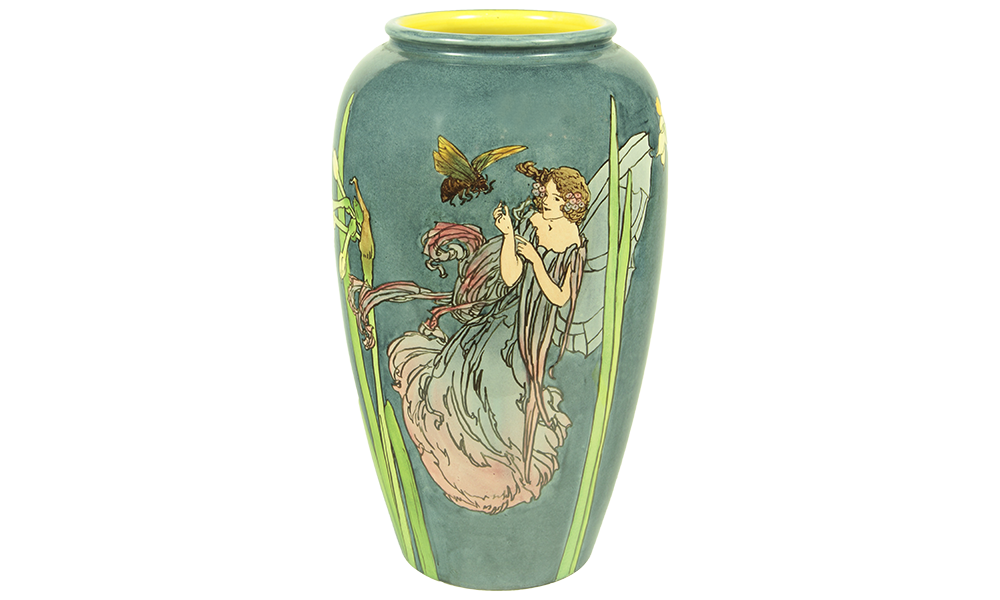
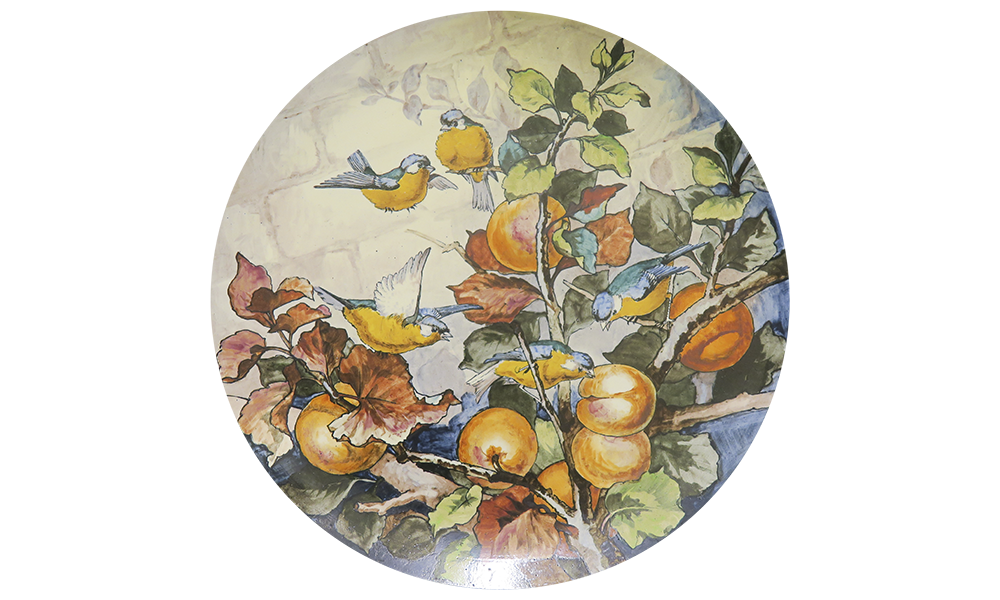
Also on the second floor, an impressive collection of Doulton’s Faience ware celebrates the talents of the Lambeth Studio’s female artists. In Victorian London, women embarked on careers in art pottery, encouraged by Henry Doulton, who employed over 300 leading artists and assistants to decorate vases and tiles. An anonymous contributor to the Art Journal in 1872 wrote condescendingly. “There is perhaps no branch of artwork more perfectly womanly and in every way desirable than painting on china. The character of the designs brings them within the reach of even moderate powers, and it must be admitted that painting flowers and birds and pretty landscapes or children’s heads is work itself more suitable for women than men.”
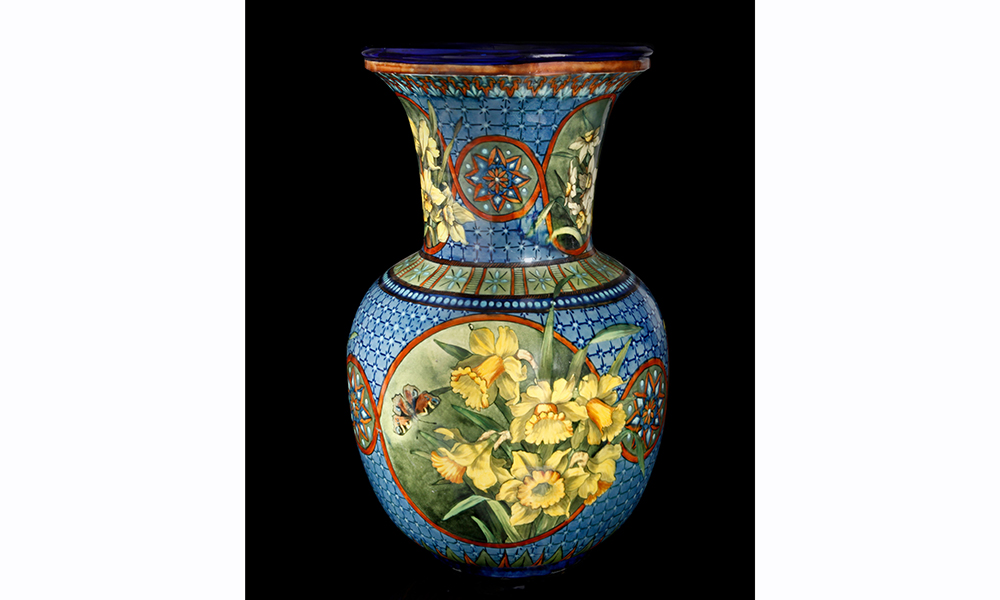
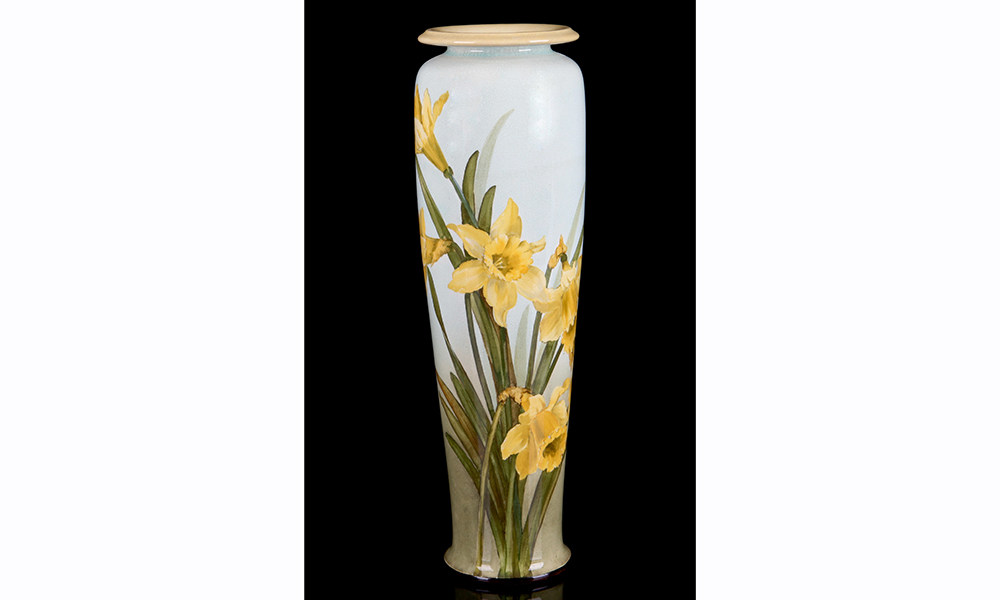
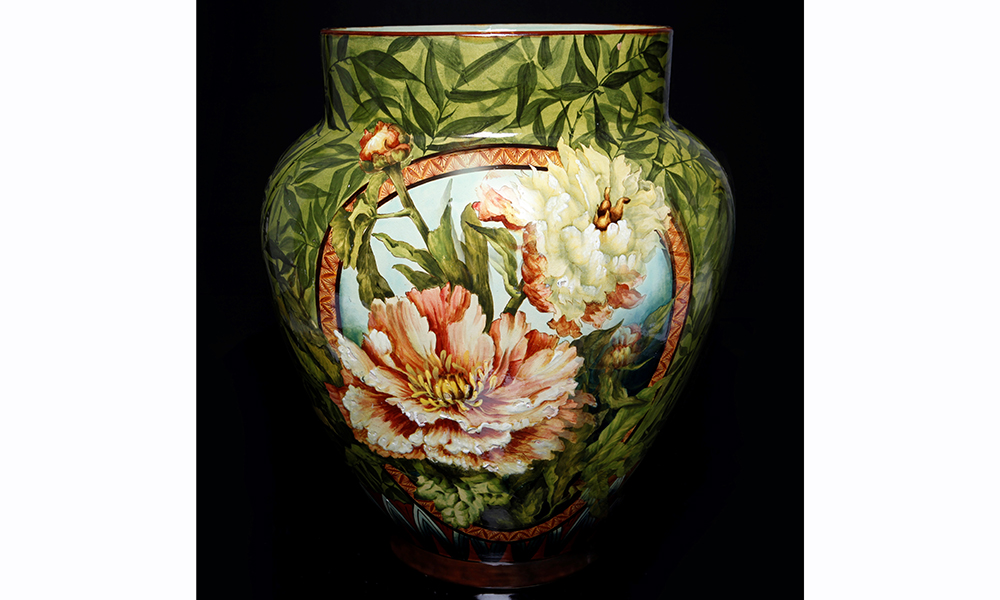
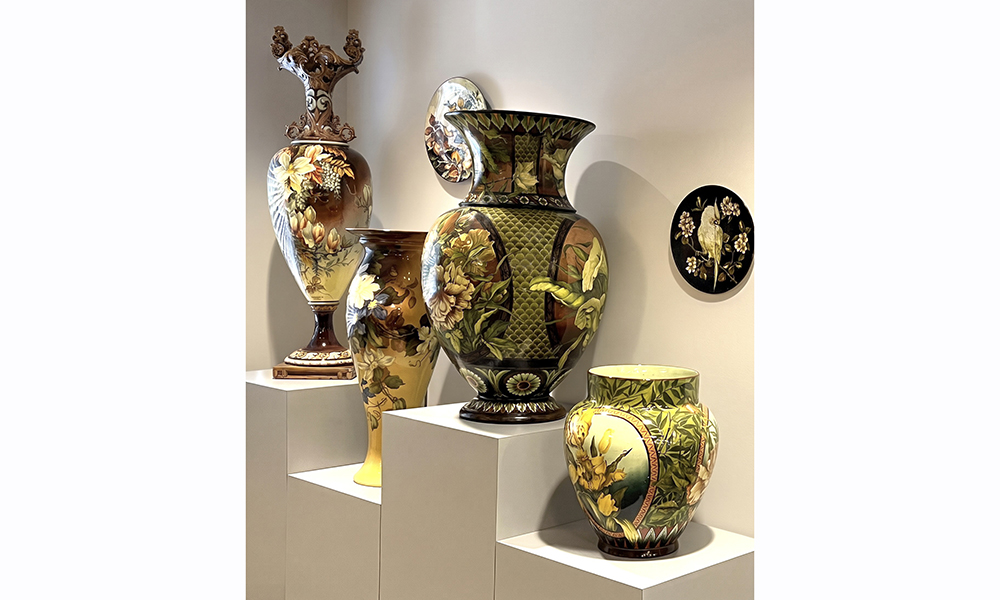
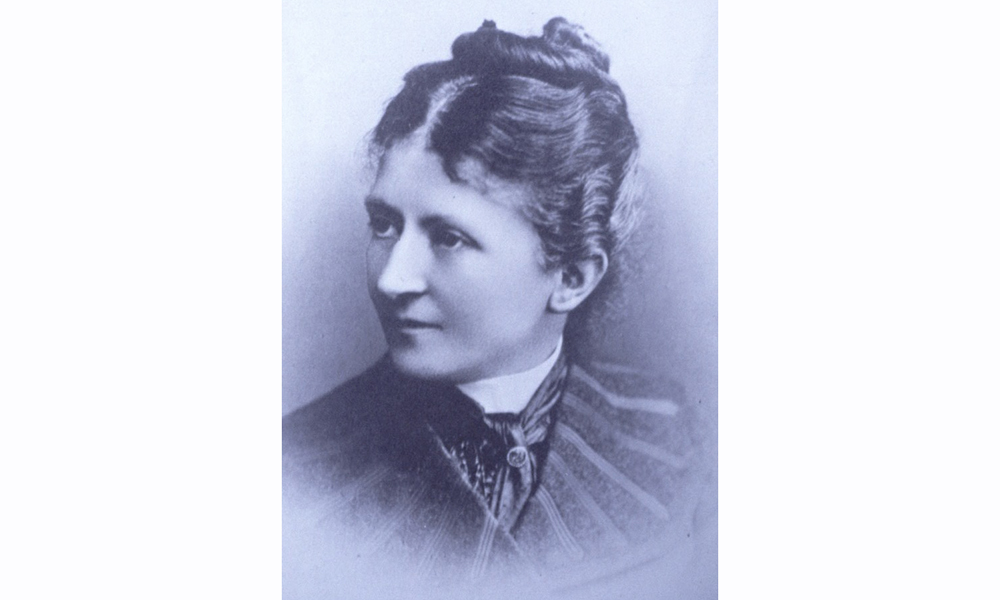
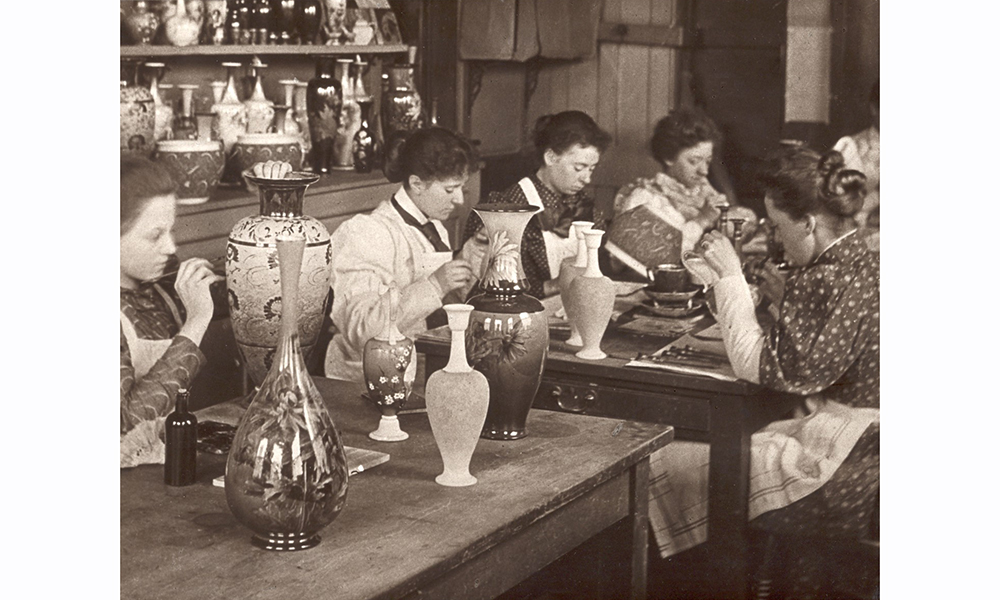
Florence Lewis, the artist responsible for teaching young women the art of painting on Doulton pottery, was commissioned to create several floral Faience masterpieces to exhibit at the Chicago World’s Fair in 1893 as well as for affluent customers such as the Maharaja of Baroda. Don’t miss her monumental vase embellished with tropical flowers at the entrance to WMODA.
Secret Gardens
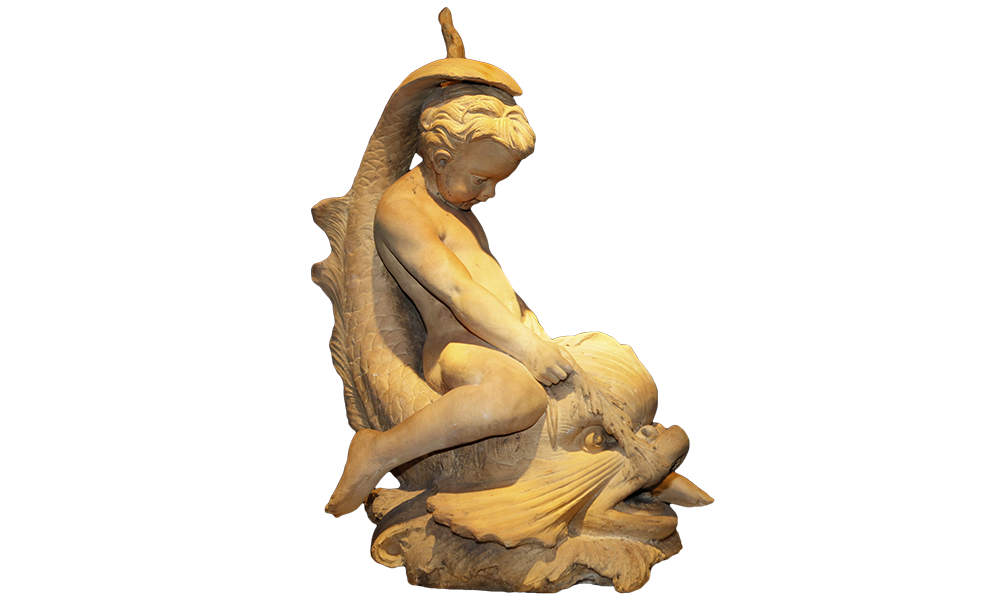
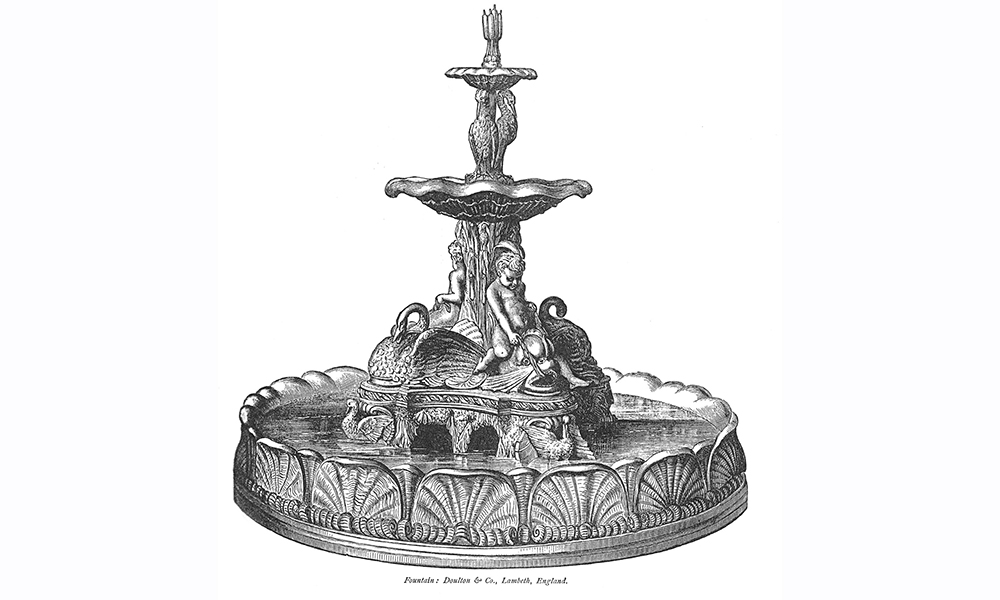
The Doulton Lambeth Potteries were also renowned for producing terracotta garden statues to adorn public parks and private gardens. Our Lion King once accompanied a commemorative statue of Queen Victoria and presides over the museum’s collection, which ranges from classical muses of the Victorian era to playful pixies from the 1920s. The statue of Cupid riding a dolphin was designed by George Tinworth as part of a fountain design for the Philadelphia World’s Fair in 1876. Terracotta literally means “cooked earth,” and it was the perfect material for garden ornaments, being made from the earth from which all plant life springs. It was used for garden urns and bird baths – even our sphinx bench is made of Doulton terracotta.
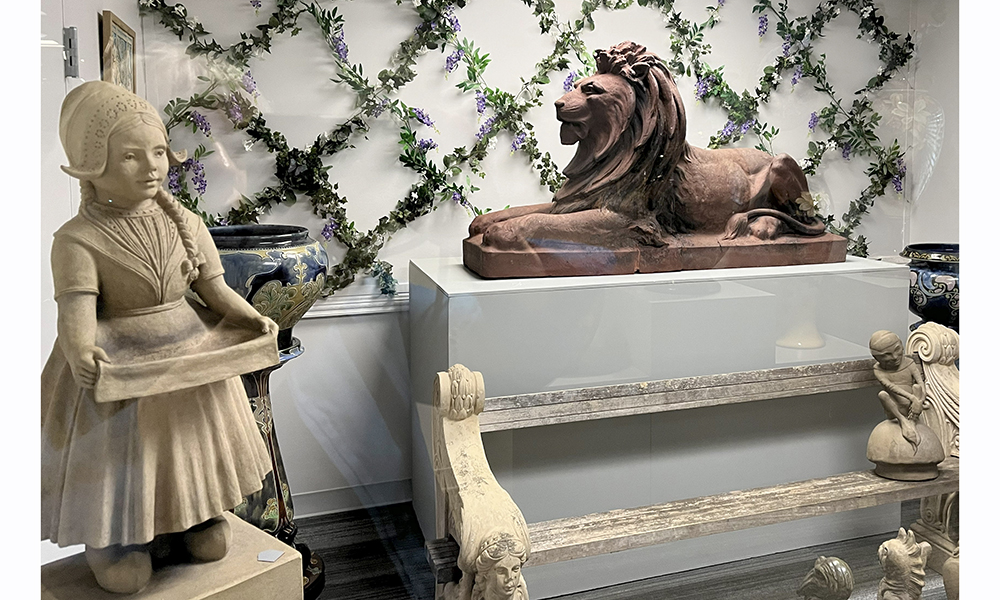
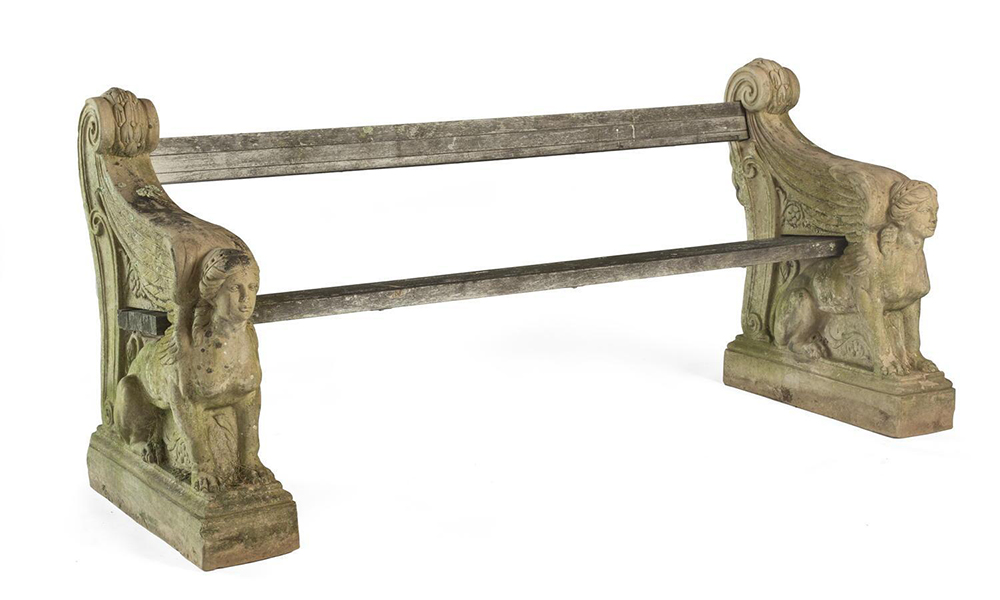
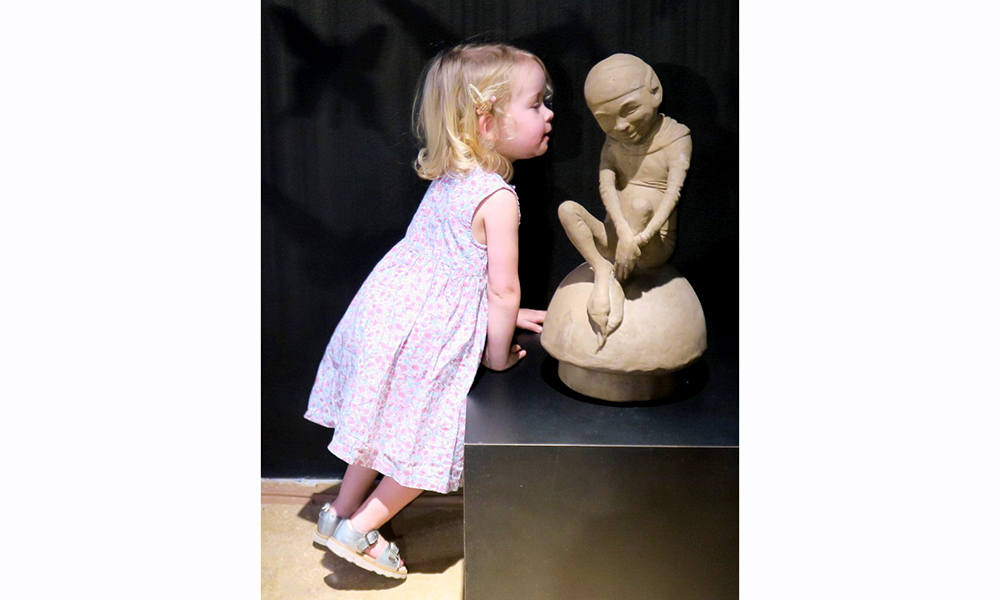
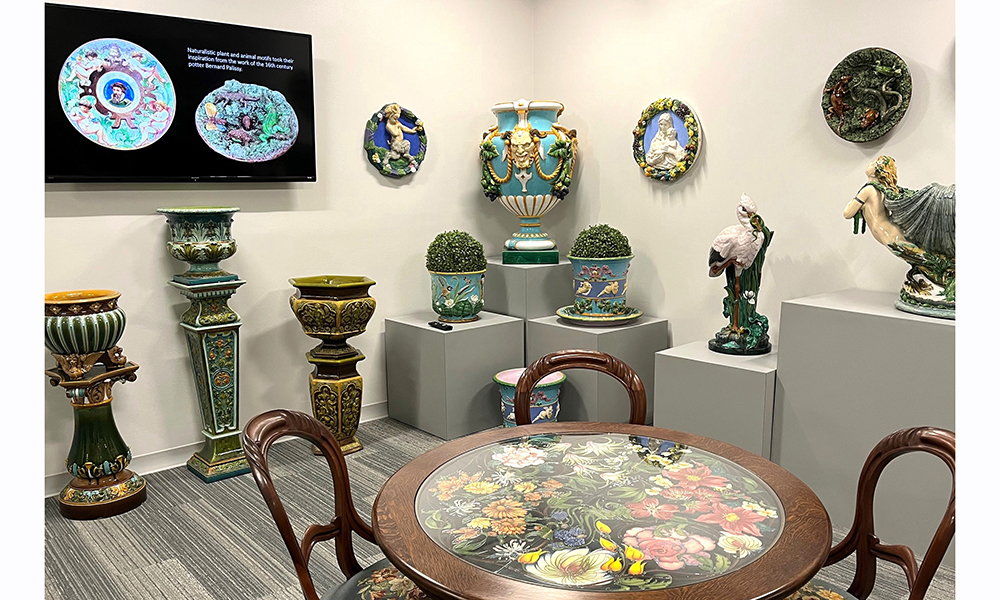
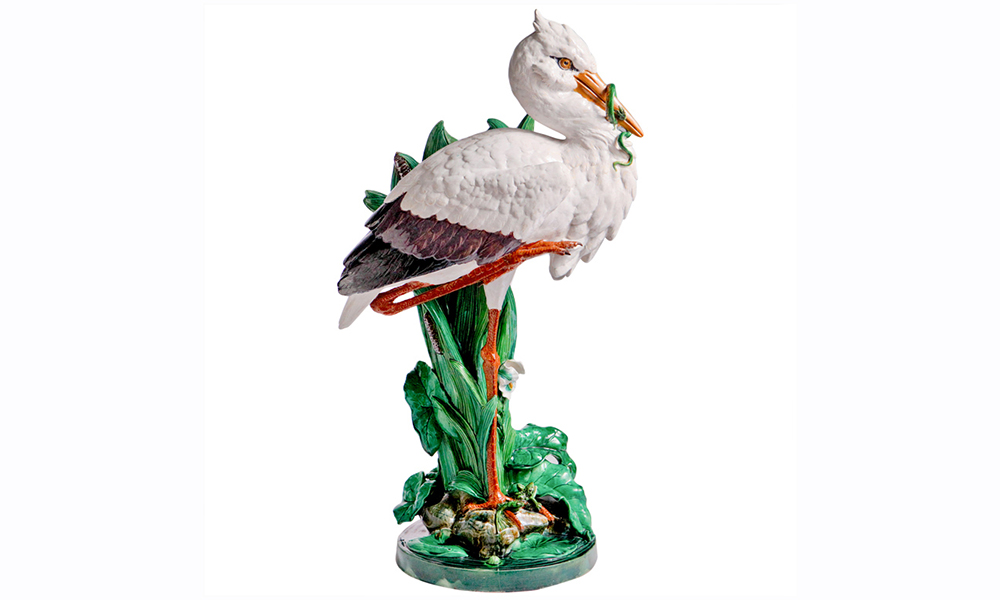
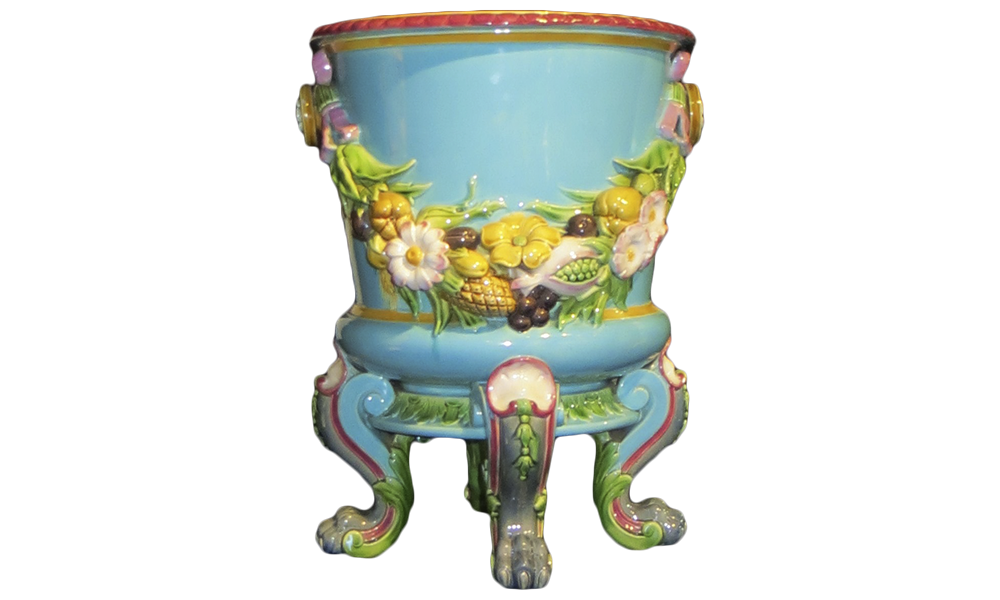
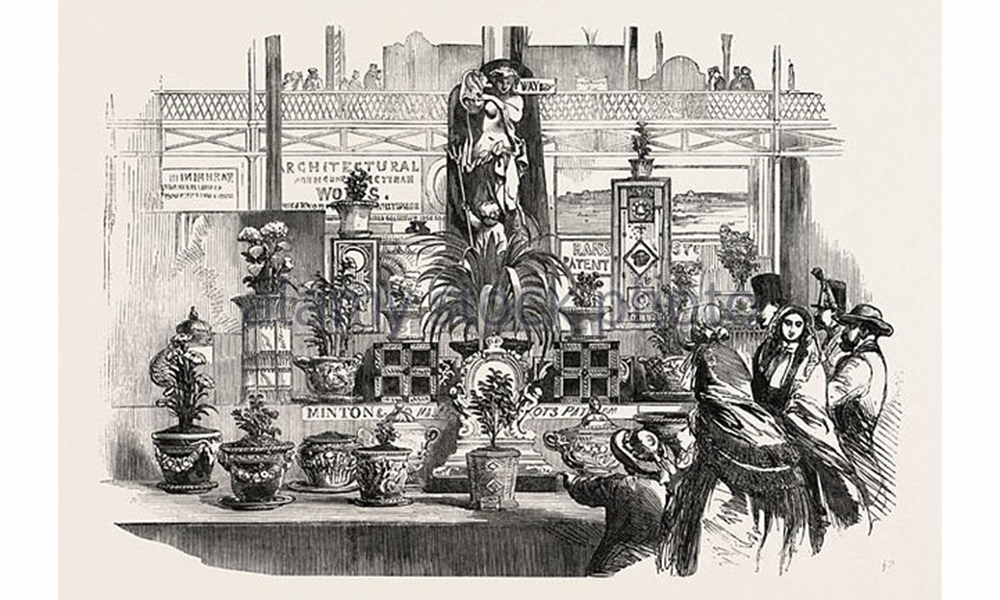
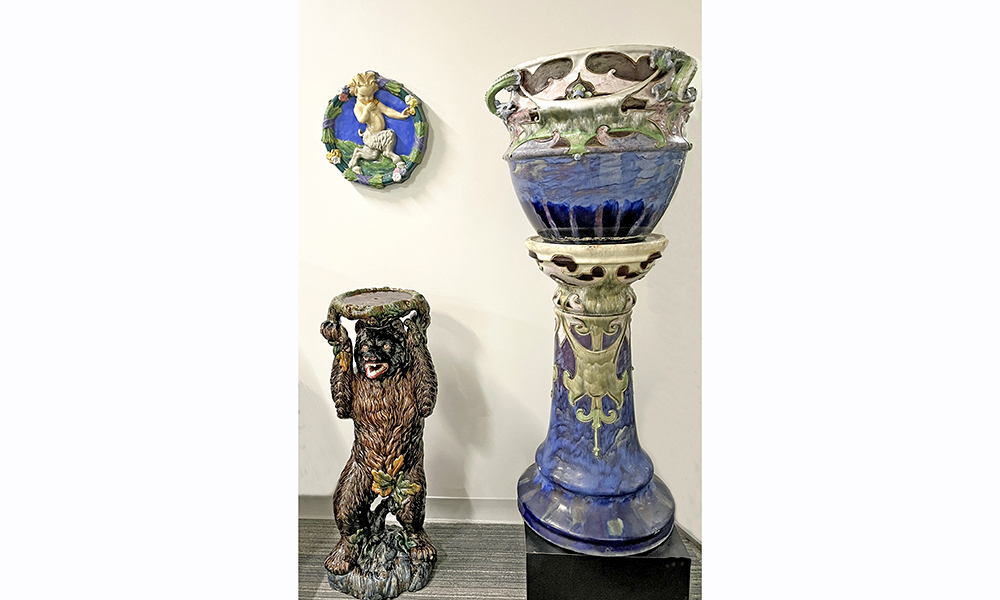
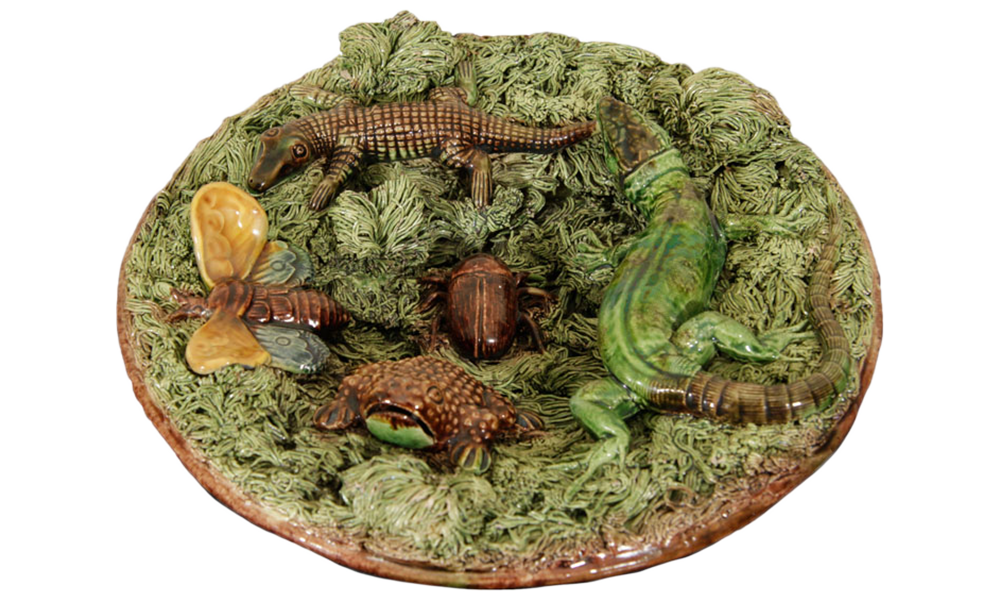
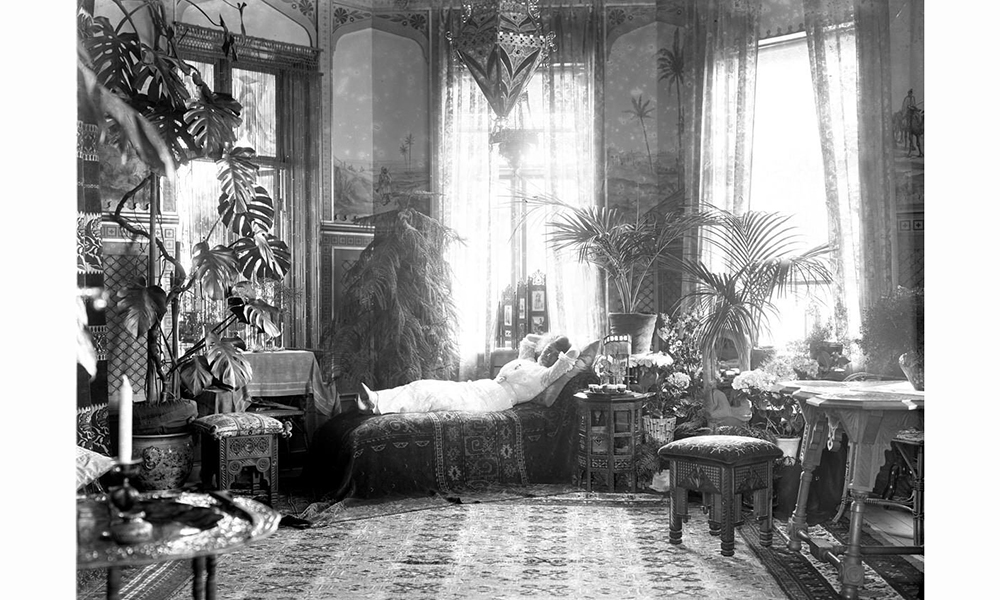
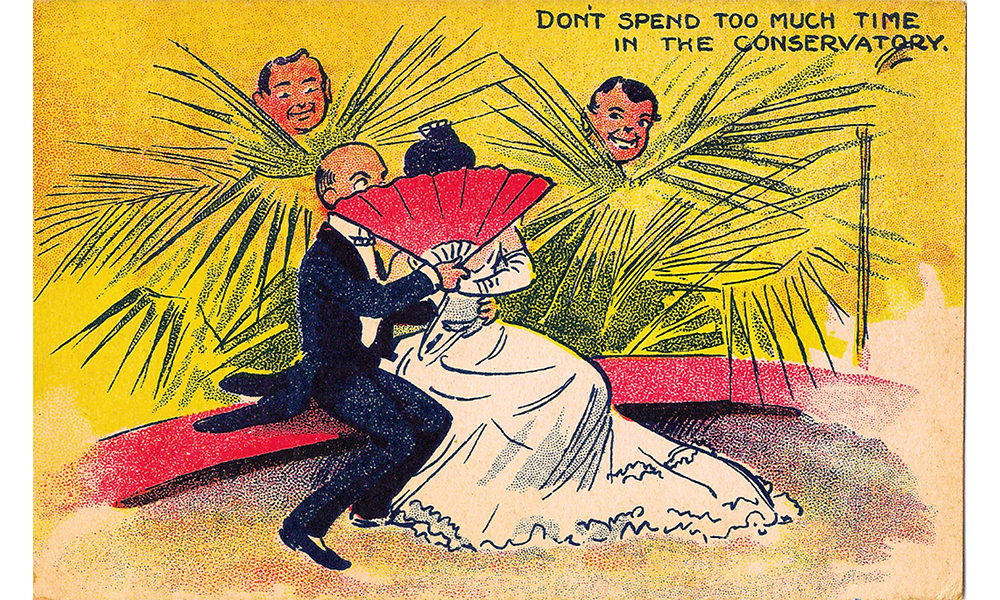
The conservatory was a Victorian status symbol, and ceramic art was a major feature of these lush sanctuaries of nature, as can be seen in our Secret Garden at WMODA. The brilliant glazes of Minton’s Majolica Ware, launched at the Great Exhibition of 1851, captured nature’s exuberance with boldly colored fruits, blossoms, and shells. Victorians also admired the naturalistic designs of Bernard Palissy, the French Renaissance potter, who used real, live creatures as molds for his Rustic ware.
Orchid Delirium
It’s been said that Victorian ladies of leisure suffered from “horticultural hysteria” with their love of flowers and gardening. Botanizing was both a social and a healthy pursuit, and “natural productions” were the focal points of the home. Potted plants in profusion were displayed in Majolica jardinières, the French name for a plant pot on a pedestal stand.
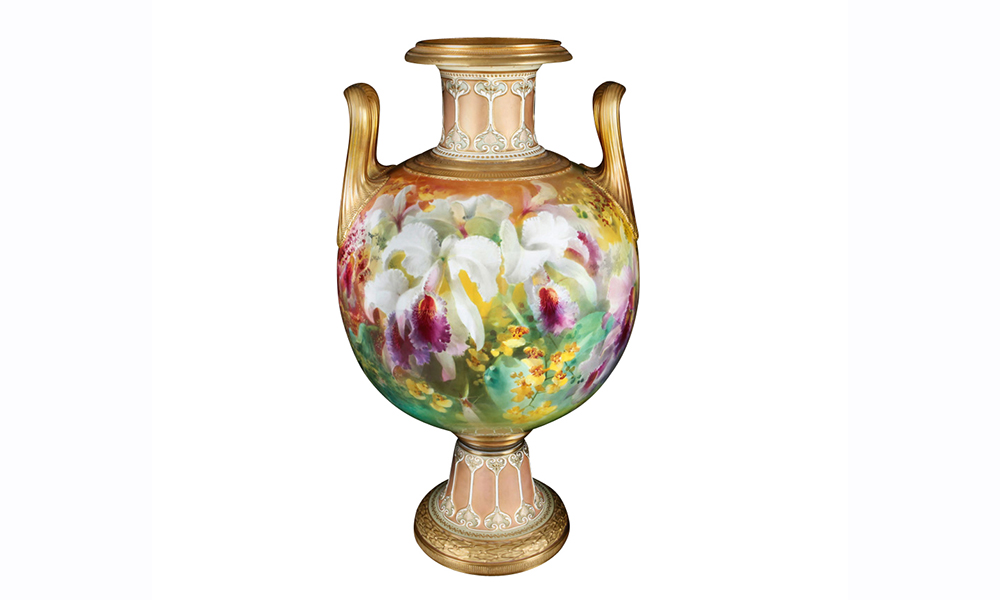
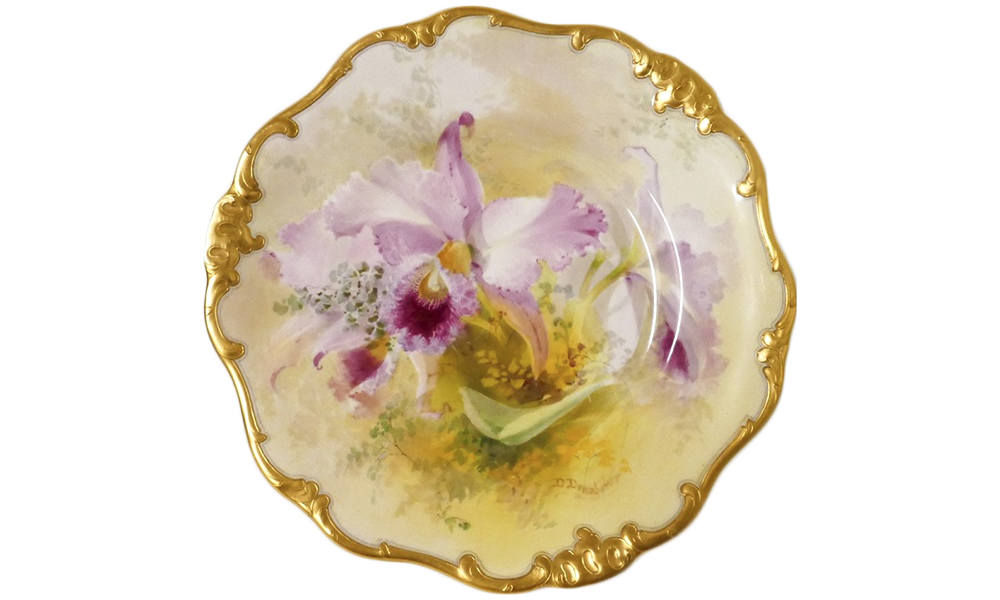
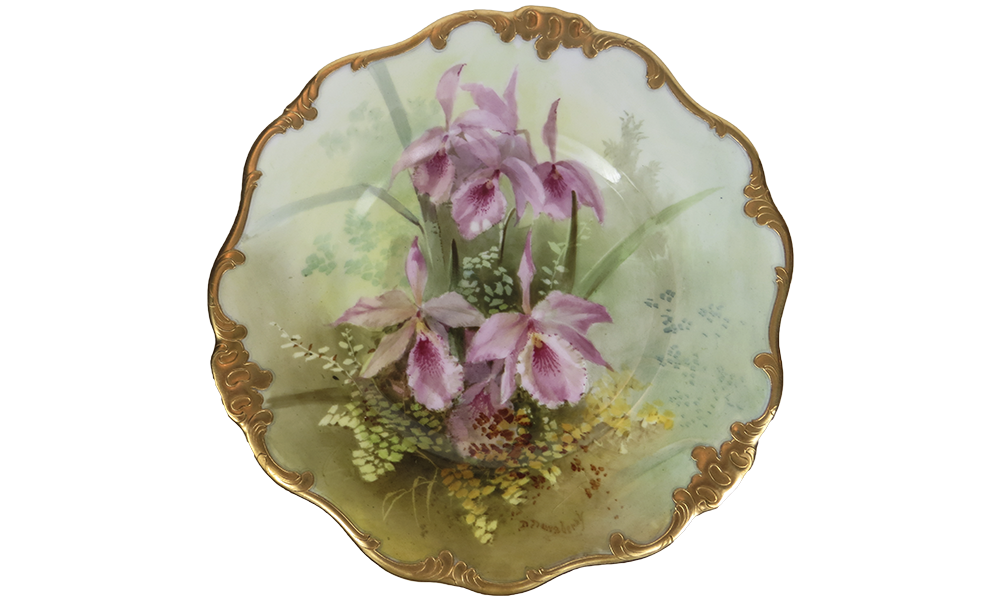
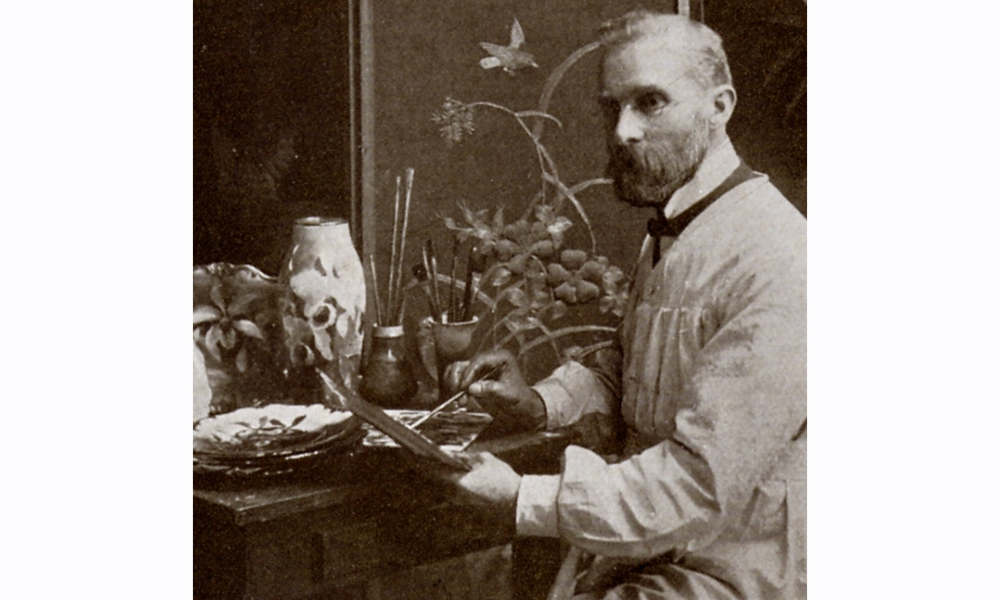
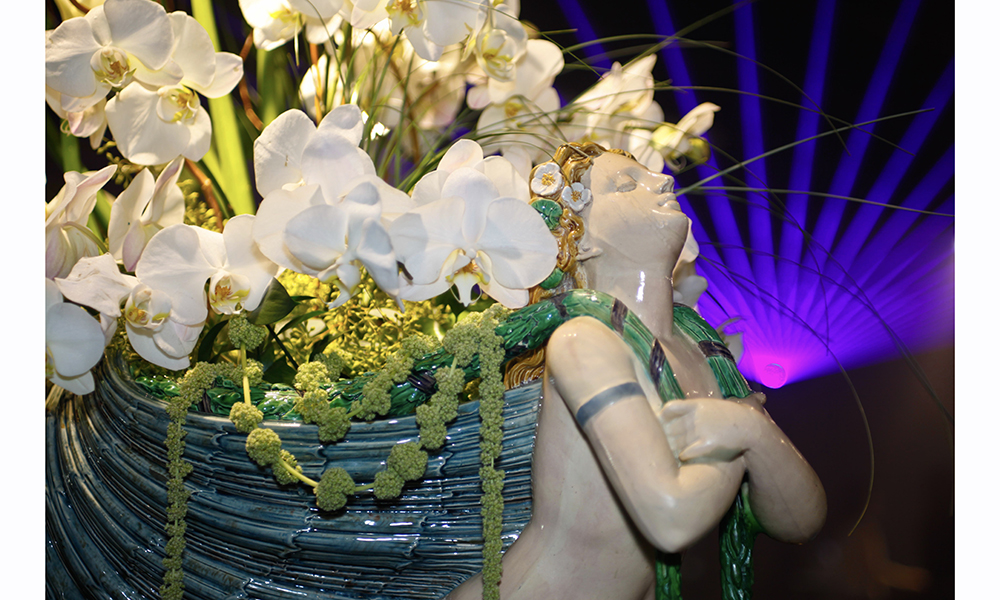
Wealthy British aristocrats used their conservatories to cultivate tender exotic plants such as orchids, which could not withstand northern winters. Orchid delirium peaked in the 19th century, and the world’s largest collection, comprising more than 300 species, was amassed by the Duke of Devonshire at his Chatsworth estate. Inspired by this exceptional collection, David Dewsberry, a leading artist at Royal Doulton’s Burslem Studio, painted exquisite bone china vases and dessert plates, which are on display on the second floor at WMODA.
Visit WMODA
Our mission is to make every gallery at WMODA a gateway to wonder, where art flourishes like an enchanted garden. Whether you love historical ceramics, contemporary glass, botanical beauty, or secret gardens, we invite you to wander and discover how nature has inspired creativity in the Fired Arts. The boundaries between art and nature dissolve, filling our galleries with joyful encounters.
Where Art Blossoms and Imagination Takes Root
Read more about nature and art at WMODA
The Enchanted Garden
Orchid Mania at WMODA
Paul Stankard: A Life Crafting Beauty
Chihuly in the Garden
Palaces of Glass
A Potted History of Jardinières
Language of Flowers – A Moorcroft Floriography