
Louise Irvine
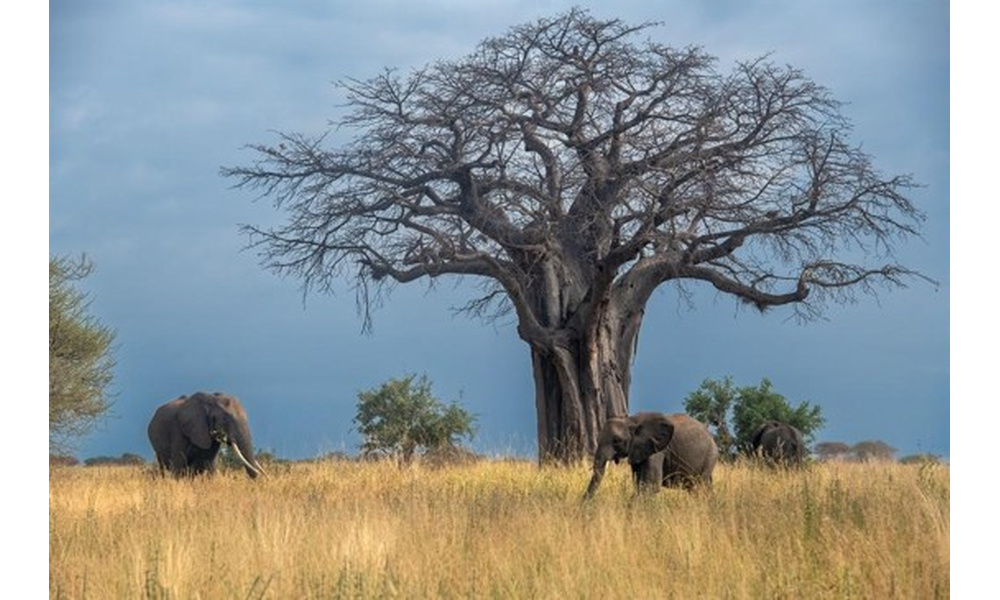
Few trees command the imagination quite like the baobab. With its monumental trunk, sprawling branches, and extraordinary silhouette, it appears almost otherworldly against the African sky. Ancient-looking and deeply rooted in the landscape, the baobab is much more than a botanical wonder: it is a symbol of life, resilience, shelter and abundance. The Baobab has now inspired an imaginative collection by British design house Cole & Son in collaboration with South Africa’s celebrated Ardmore Ceramic Art Studio.
A tree steeped in myth and meaning
Across southern Africa, the baobab occupies a special place in folklore and cultural imagination. Stories about its unusual appearance vary between communities, but one enduring legend tells of a tree that became so proud of its beauty that the gods turned it upside down. Its roots, reaching dramatically towards the heavens, became the branches we recognize today. In another version, the tree was planted upside down as a lesson in humility.
The tree’s significance extends beyond mythology. The baobab offers a remarkable example of nature’s generosity, providing food, water, shelter, and medicinal resources to people and wildlife. Its nutrient-rich fruit has long been valued as food, while its vast trunk can store substantial quantities of water. Its bark, leaves, and seeds also have traditional uses. This generosity gives the Tree of Life its enduring symbolism: a place of refuge and nourishment, where different species coexist within a shared ecosystem.
A sanctuary for Africa’s wild creatures
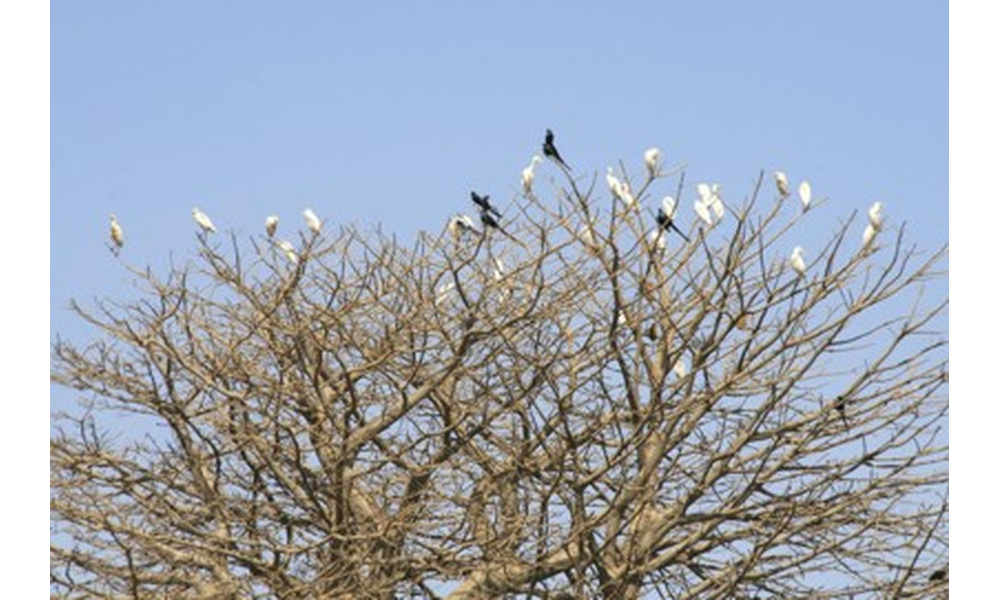
The baobab’s importance is reflected in the extraordinary variety of life it supports. Its generous canopy provides welcome shade to elephants, giraffes, antelope, and other animals seeking respite from the heat. Its flowers attract nocturnal pollinators, including fruit bats, while its fruit feeds monkeys, birds and other wildlife. Birds perch among its branches, insects flourish in its ecological neighborhood, and hollows in old trees can provide shelter for animals.
Ardmore Ceramic Art
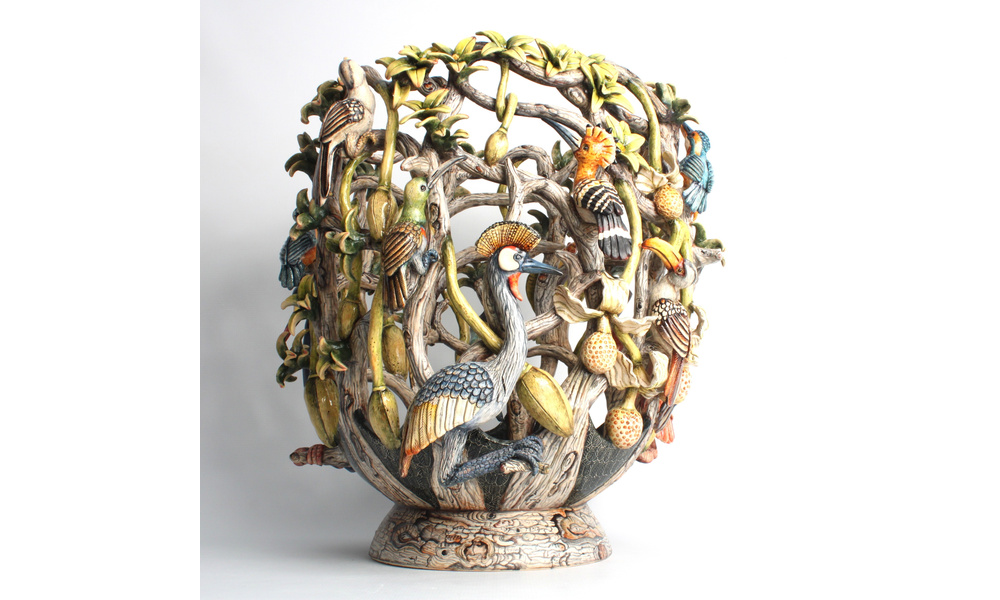
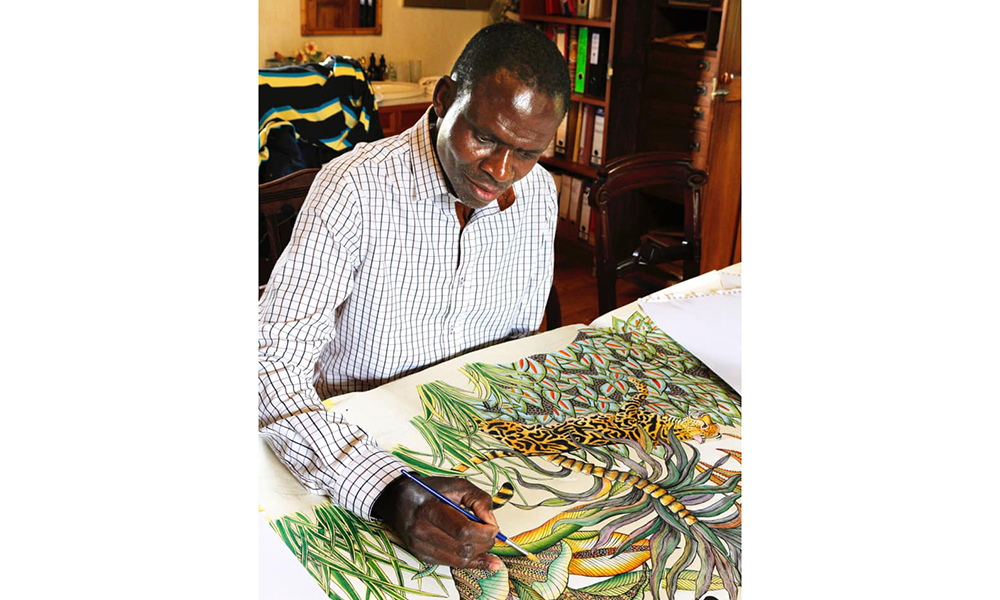
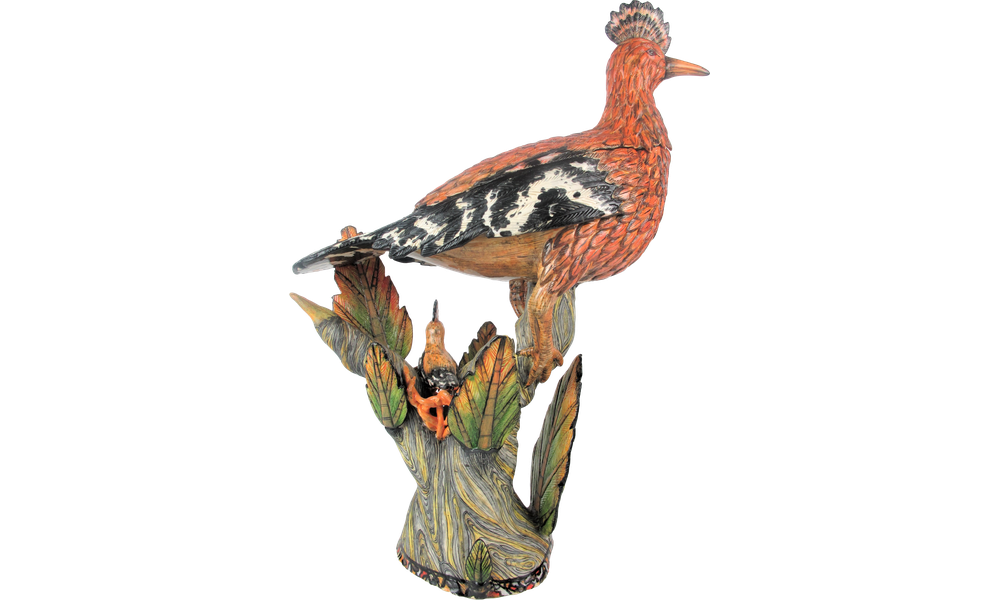
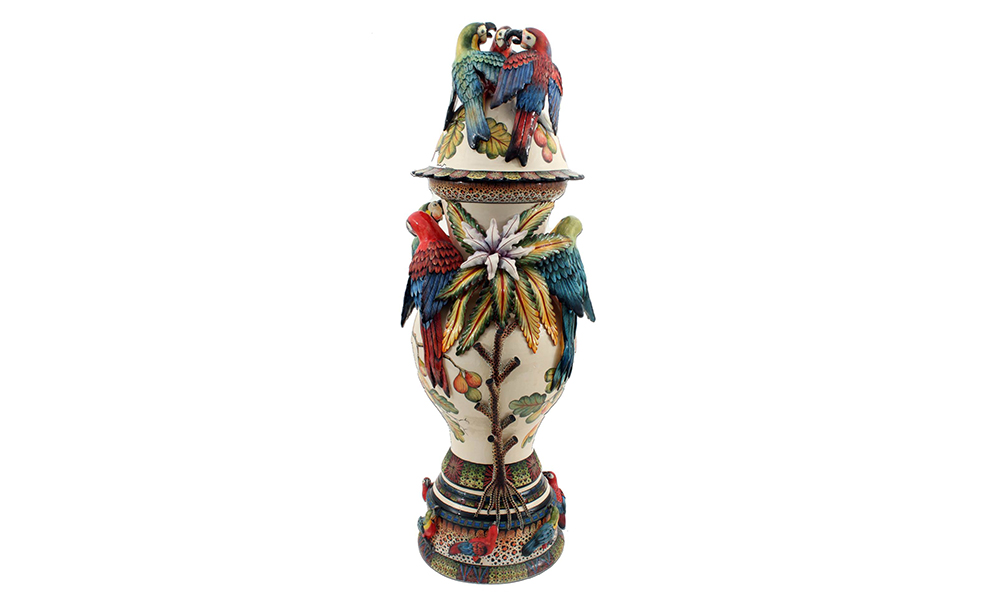
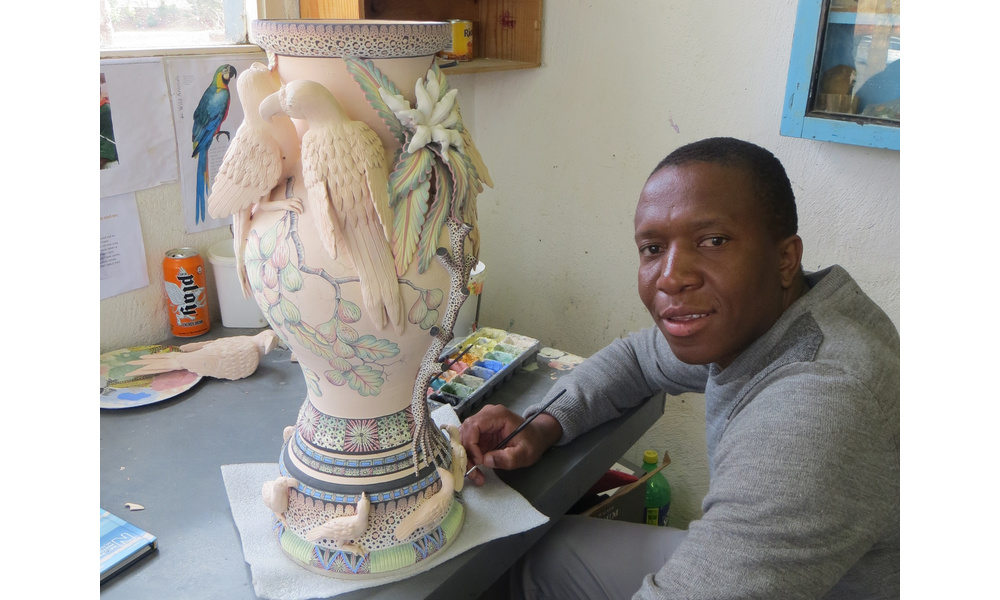
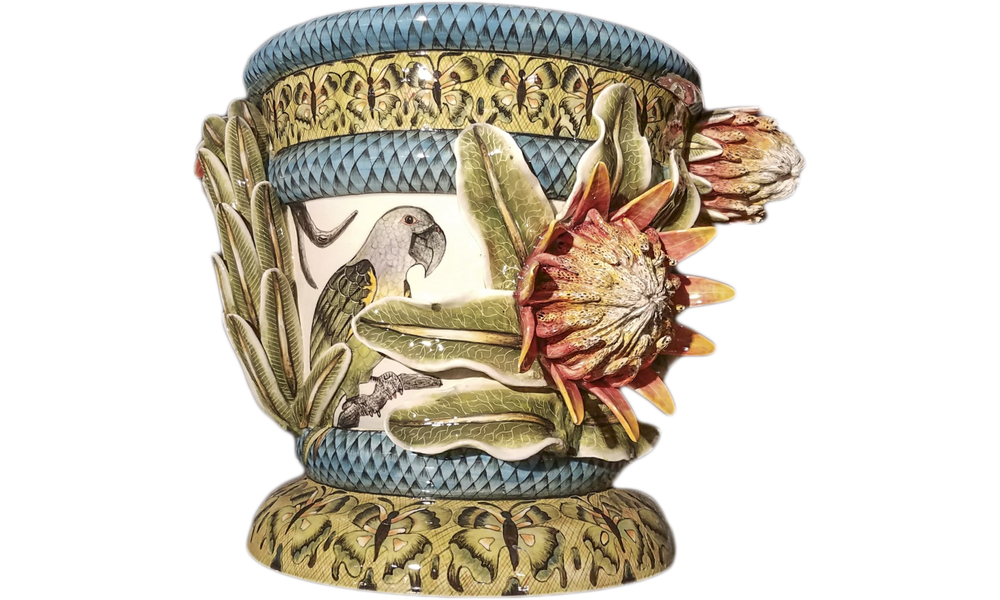
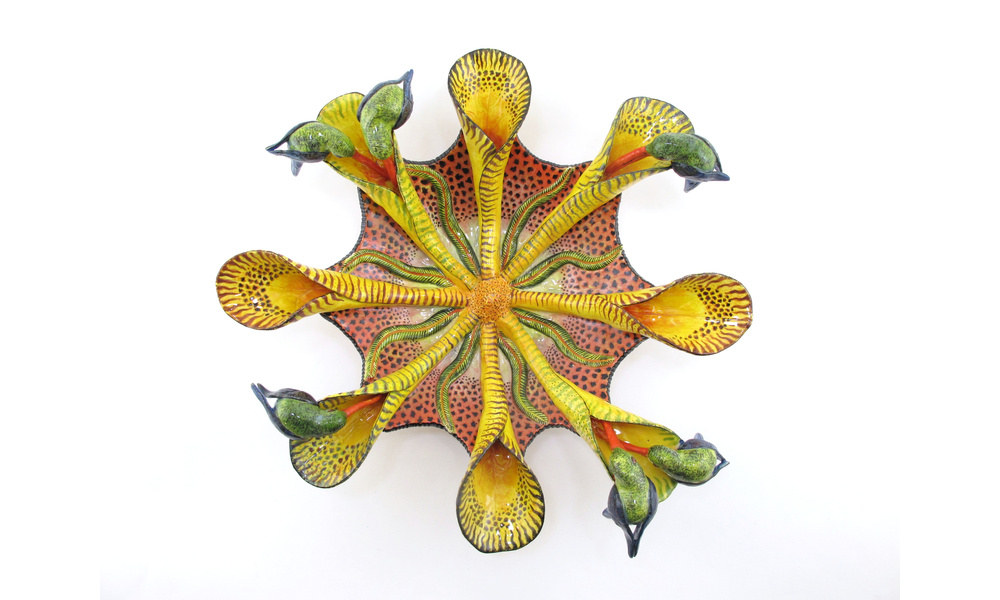
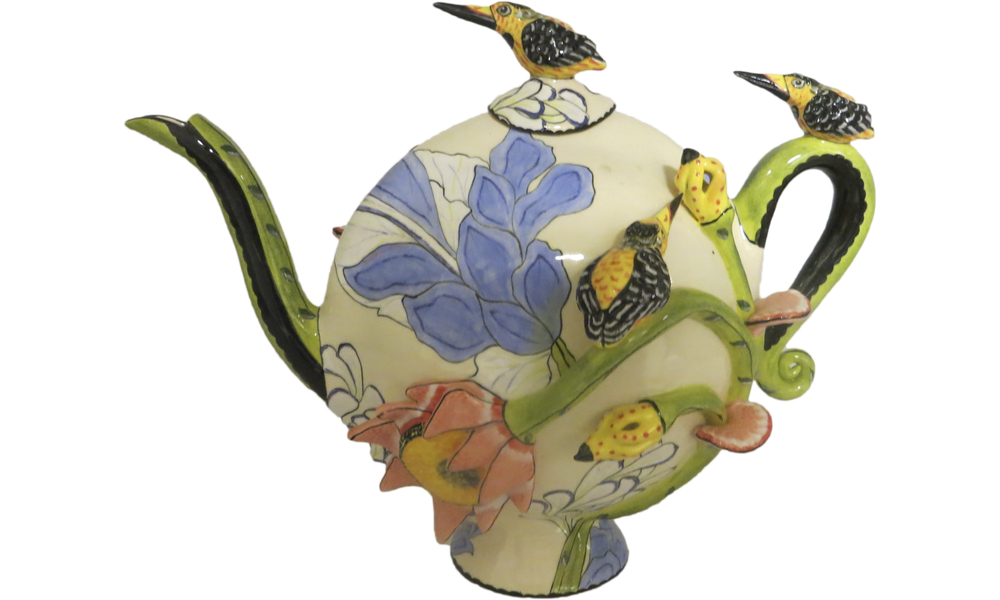
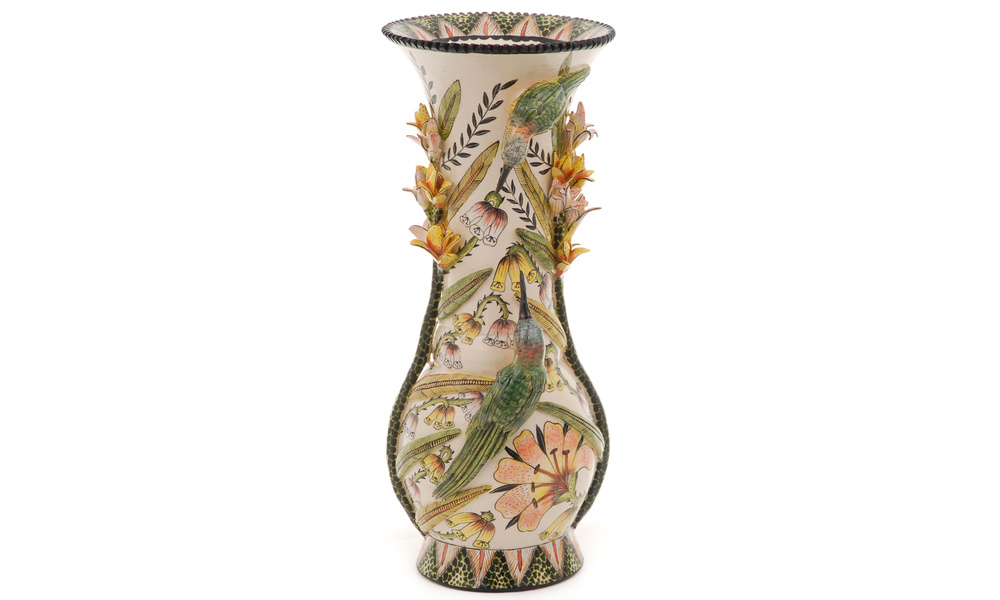
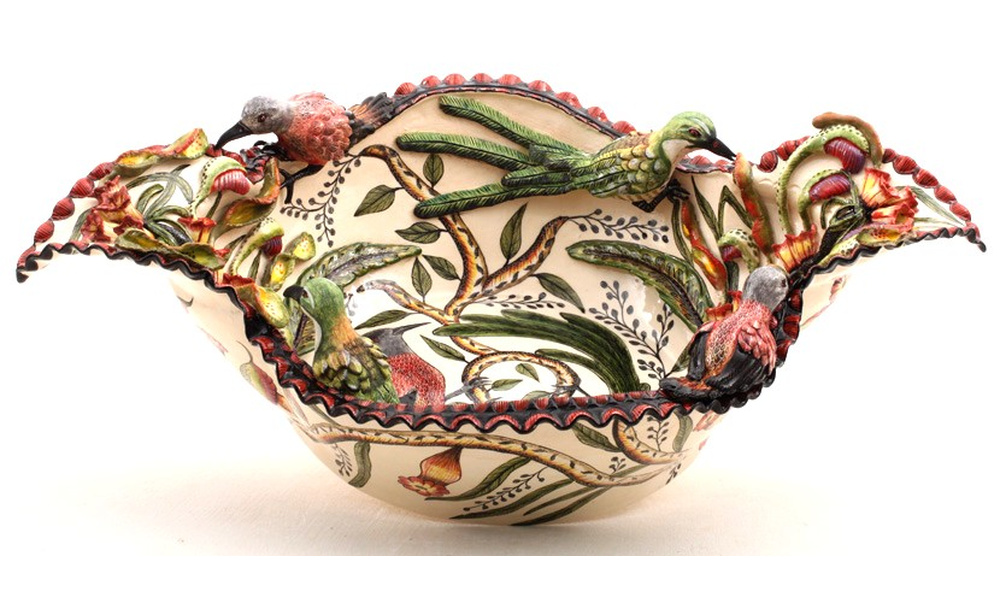
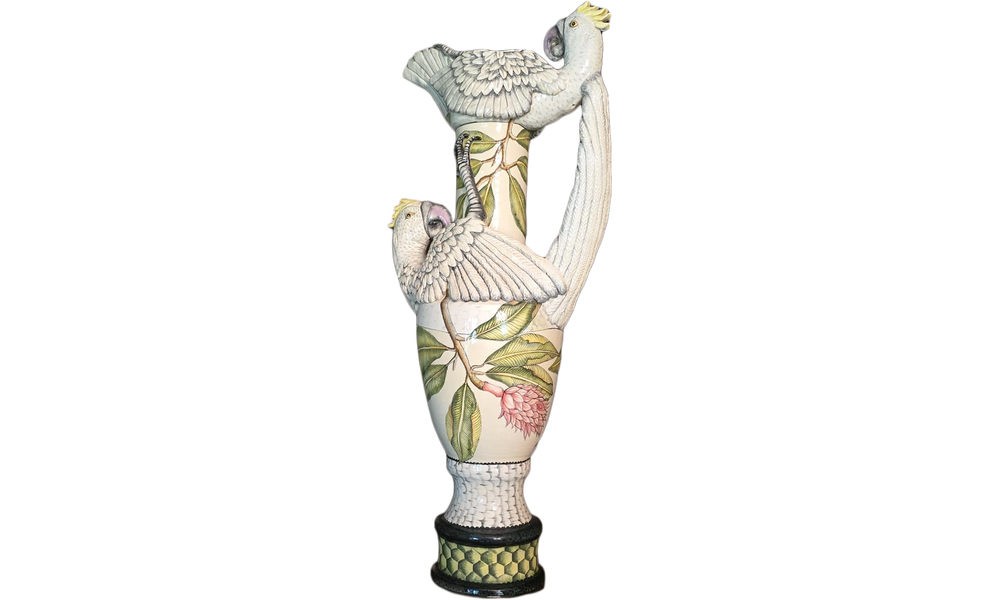
Ardmore Ceramic Art has developed a distinctive artistic language inspired by African wildlife, botanical forms and cultural storytelling. Its sculptural ceramics are renowned for their intricate modeling, expressive animal figures and exuberant hand-painted decoration. Created by talented local artists, the pieces transform familiar elements of the natural world into extraordinary works of collectible art.
The baobab is a natural extension of this creative vision. Its twisting branches, unusual seed pods, textured bark, and abundant birdlife offer endless opportunities for sculptural interpretation. In Ardmore’s hands, a tree can become an elaborate composition of intertwined forms, where a bird’s curved neck echoes a branch, and feathers become decorative patterns. The studio’s approach is both playful and attentive to detail. Wildlife is not simply depicted; it is reimagined through color, personality, and craftsmanship.
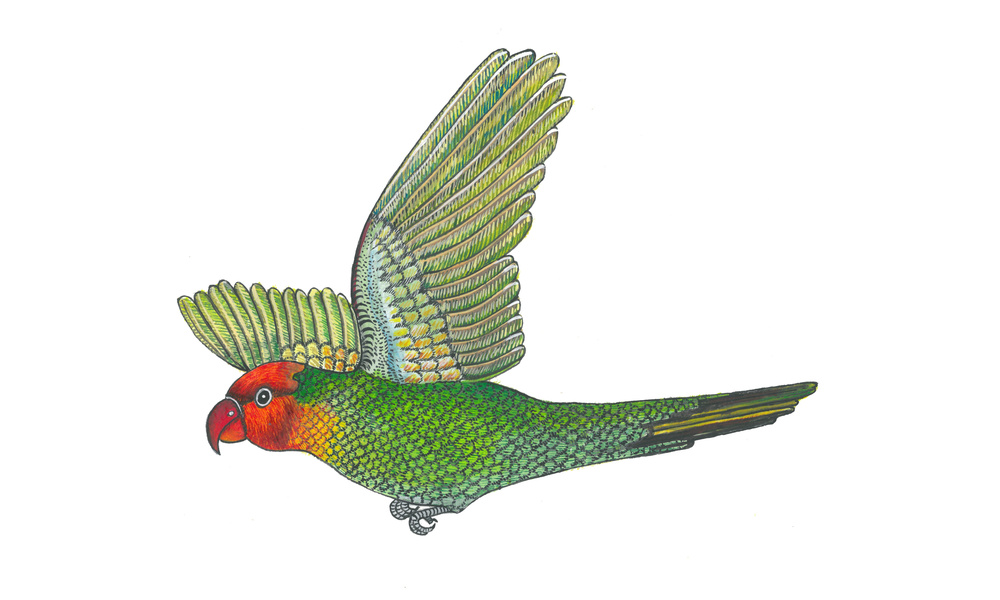
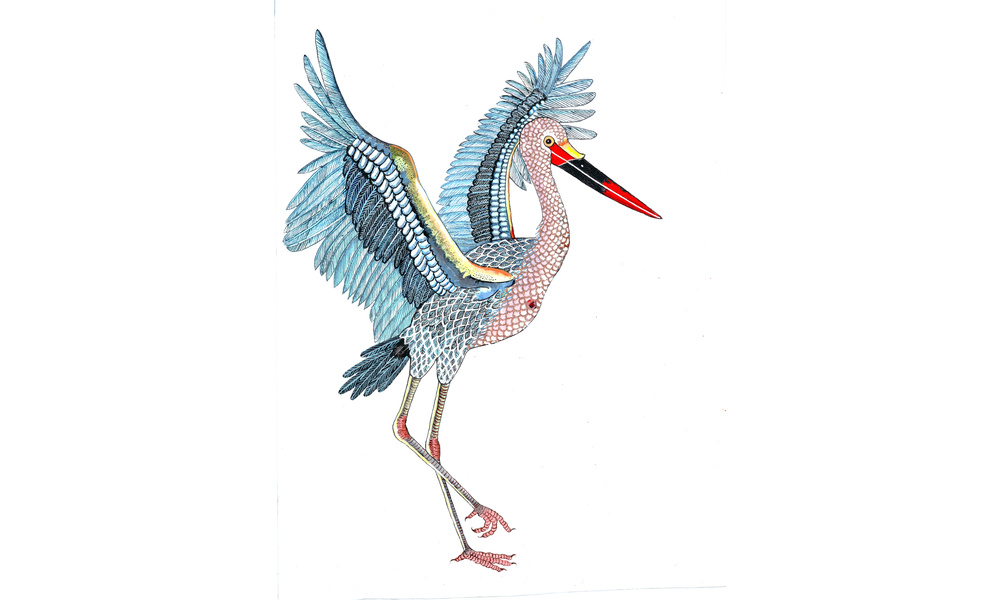
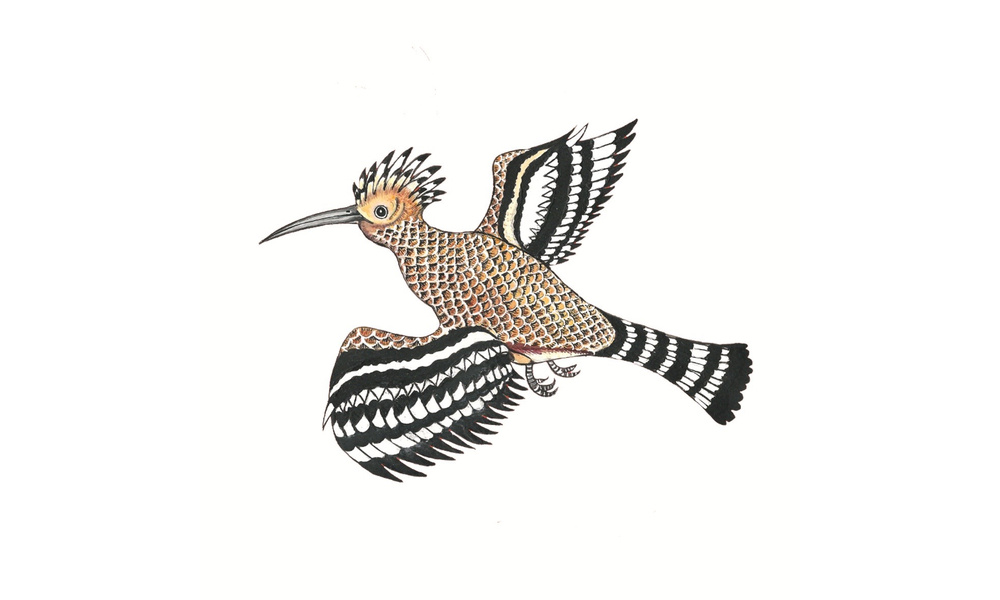
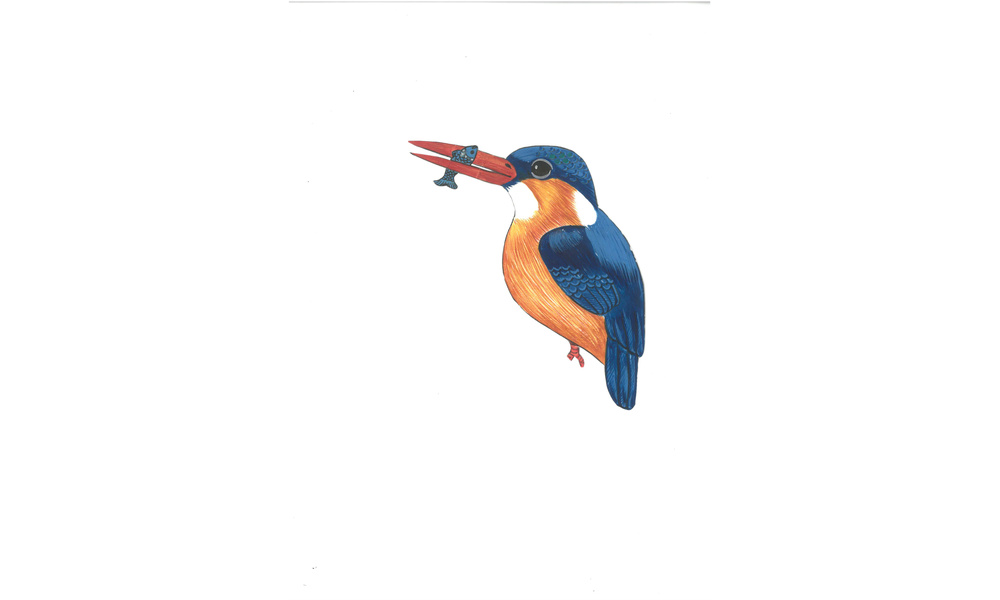
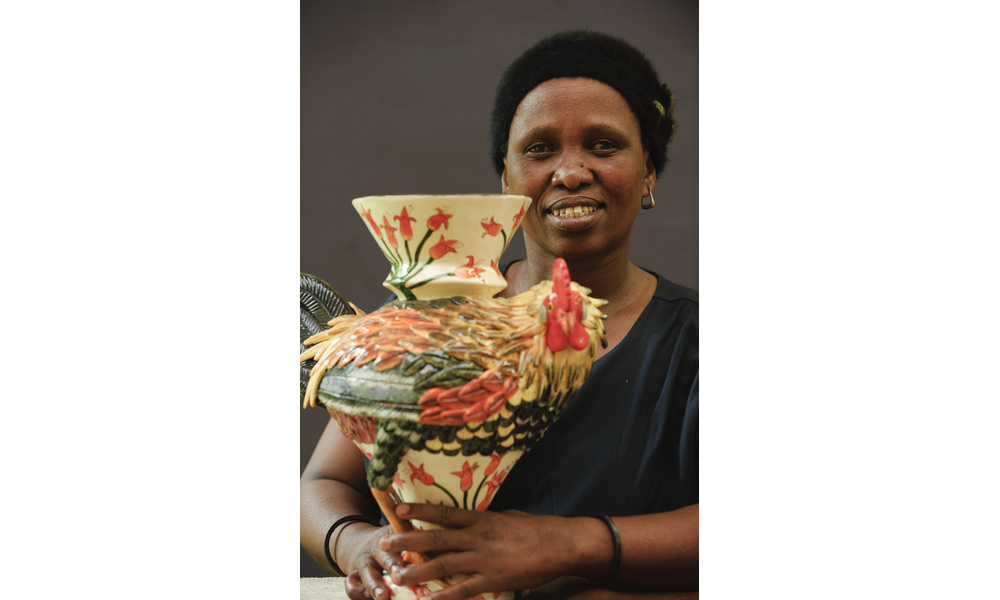
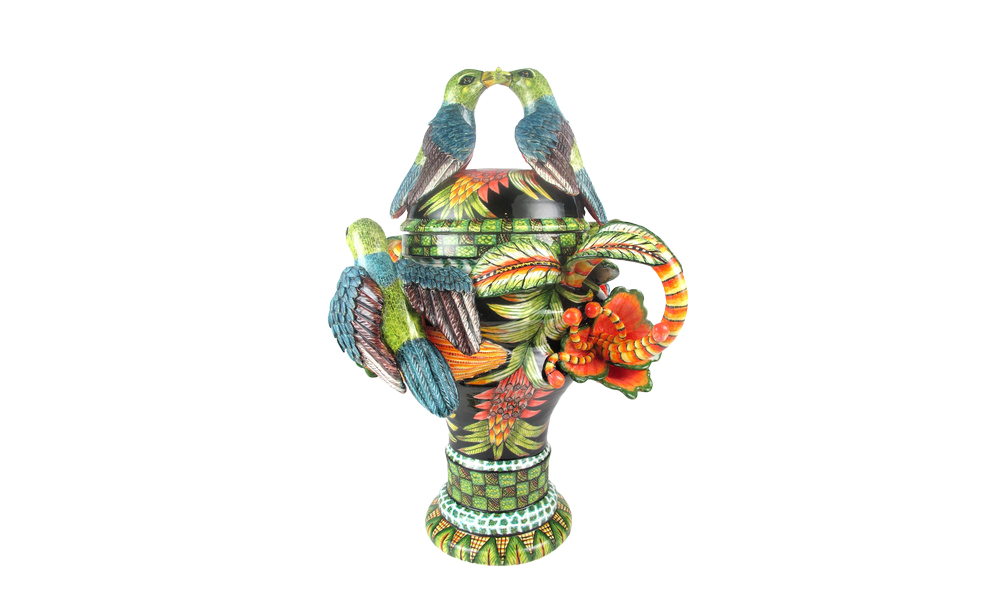
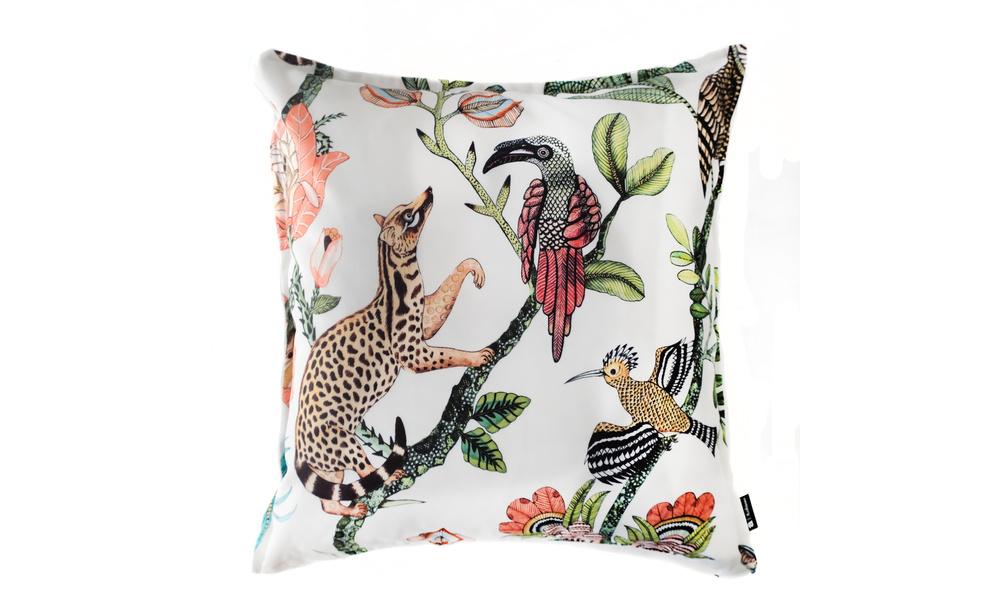
Birds and flowers are specialties of the Ardmore Studio, as can be seen in the new Enchanted Garden exhibition at WMODA. Betty Ndaba, one of the few female Ardmore sculptors, specializes in birds, and she is affectionately known as the studio’s “Mother Hen” because of her love of chickens. Ardmore birdwatching ranges from tiny paradise flycatchers to giant ostriches with riders. The blue crane, also a ground-dweller, is South Africa’s national bird and is critically endangered. Other birds popular with the Ardmore artists include Lilian’s lovebird, a small African parrot, and the hoopoe, which Israel chose as its national bird in 2008. In ancient times, the hoopoe was considered sacred and the ruler of the avian kingdom because of its striking crest.
The Baobab Collection
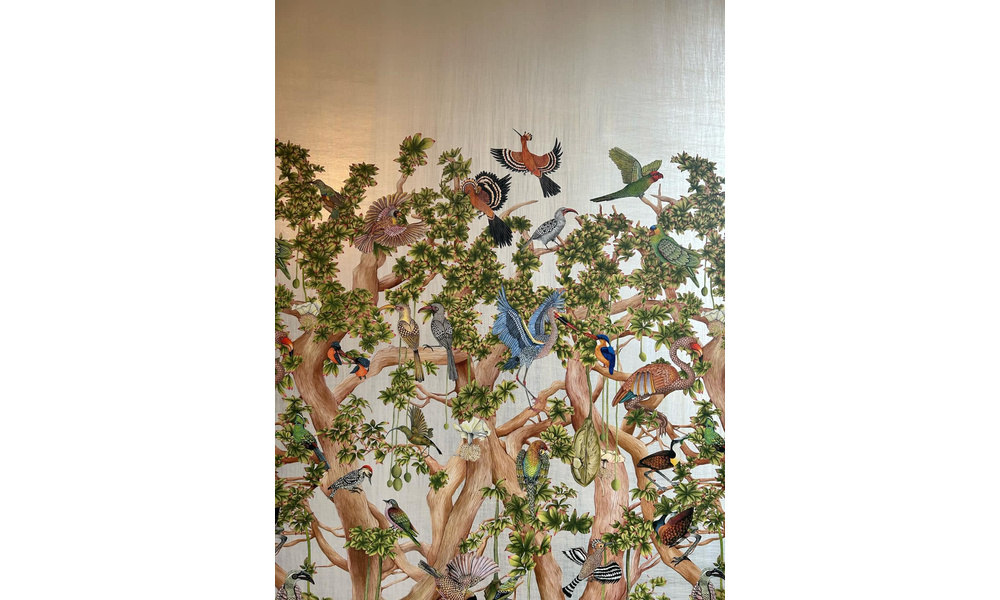
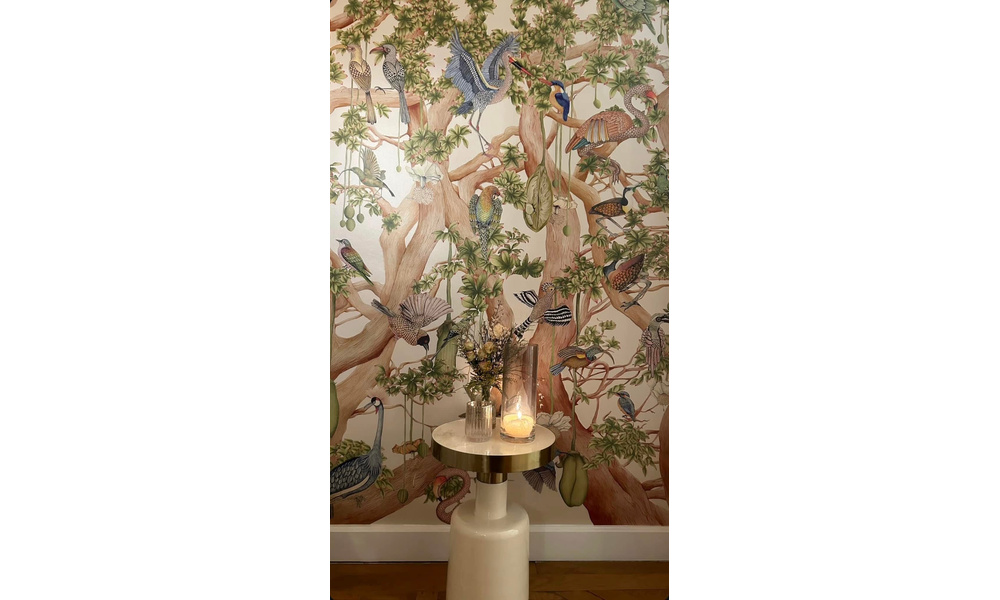
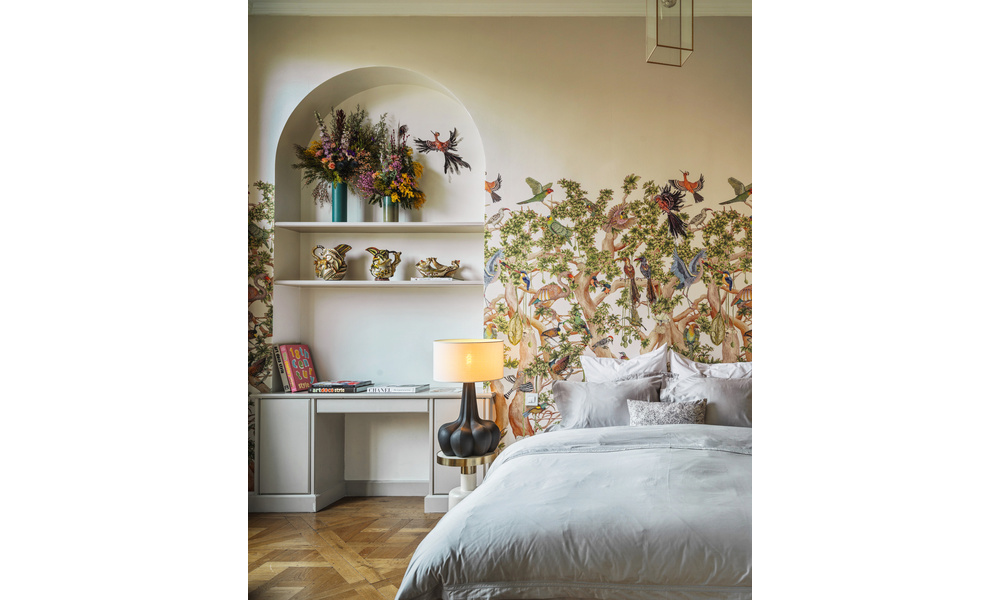
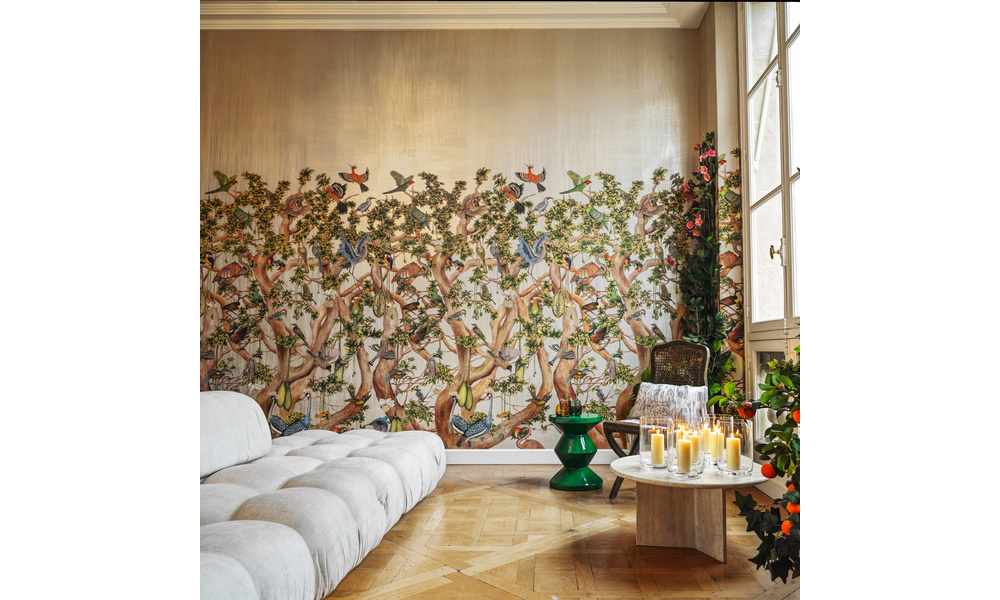
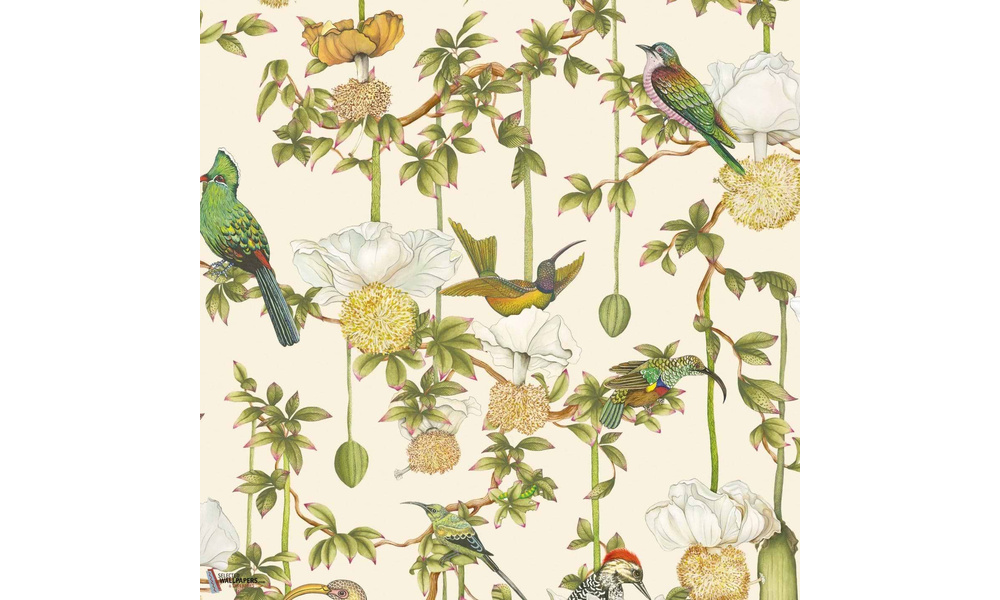
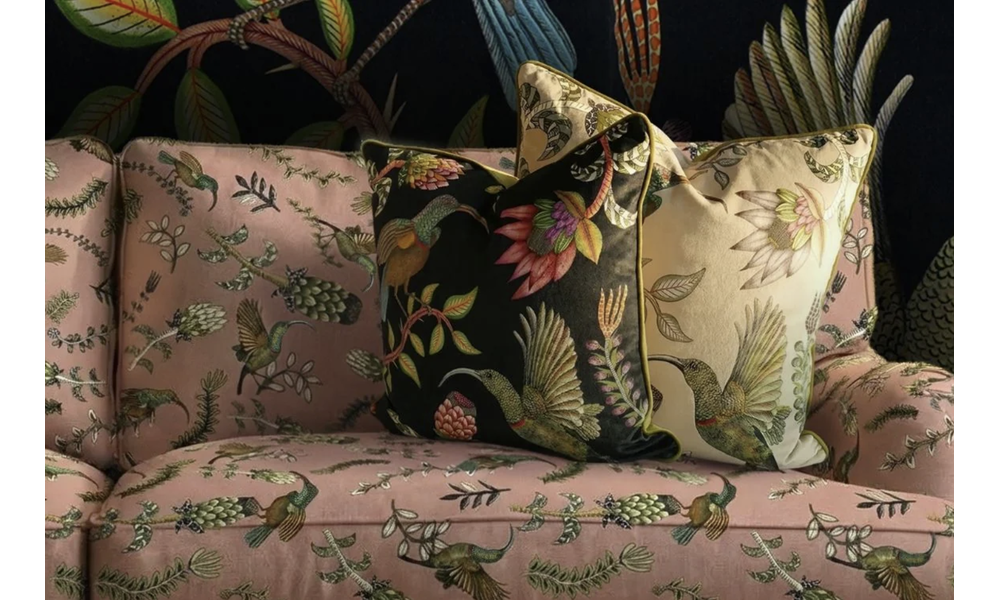
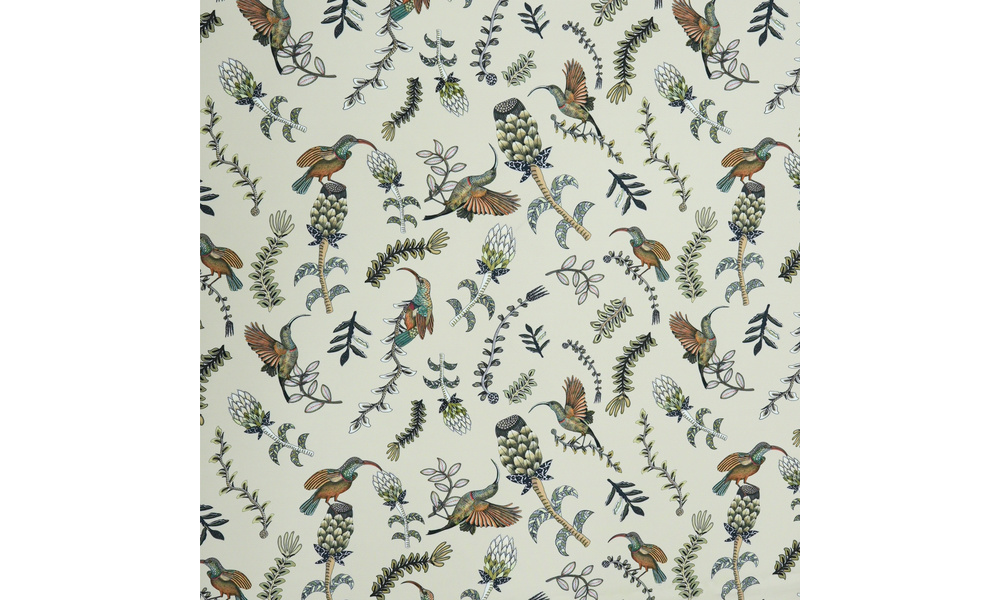
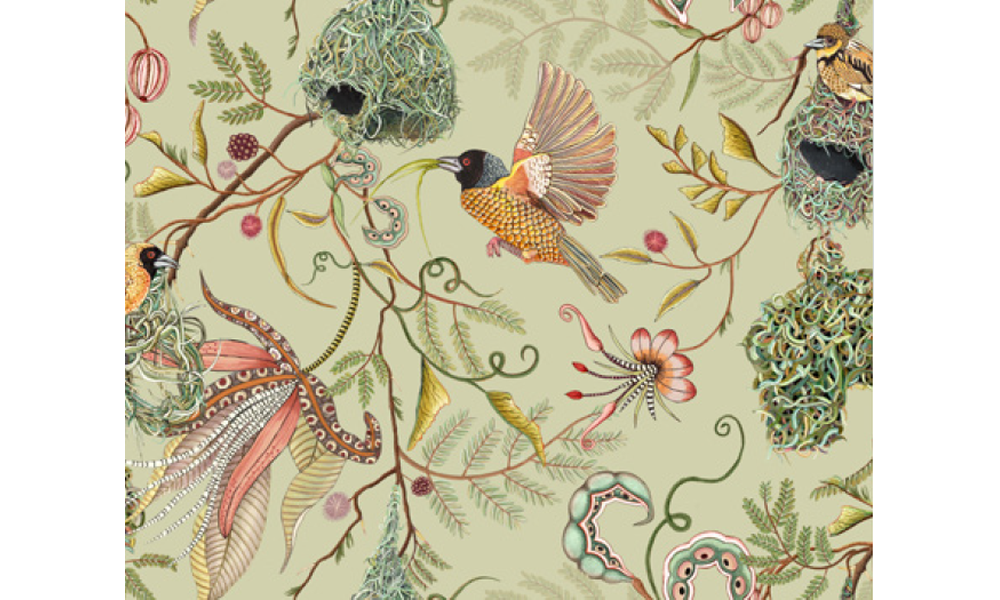
The collaboration between Ardmore and Cole & Son over the last ten years has brought the imaginative world of storytelling through ceramic art into interior design. The new Baobab collection celebrates the South African tree through nine richly detailed wallpaper designs. Among its highlights is Tree of Life, a signature design featuring a magnificent branching tree alive with colorful birds, including parrots, cranes, hornbills and kingfishers intricately drawn by Sydney Nyabeze. The composition draws the eye upwards, creating the impression of an entire ecosystem unfolding across the wall.
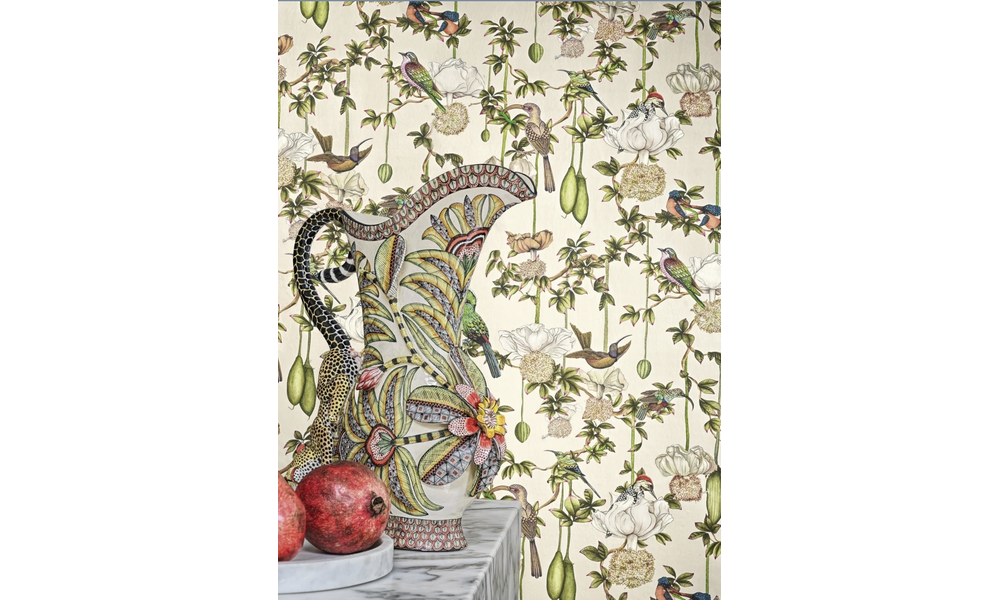
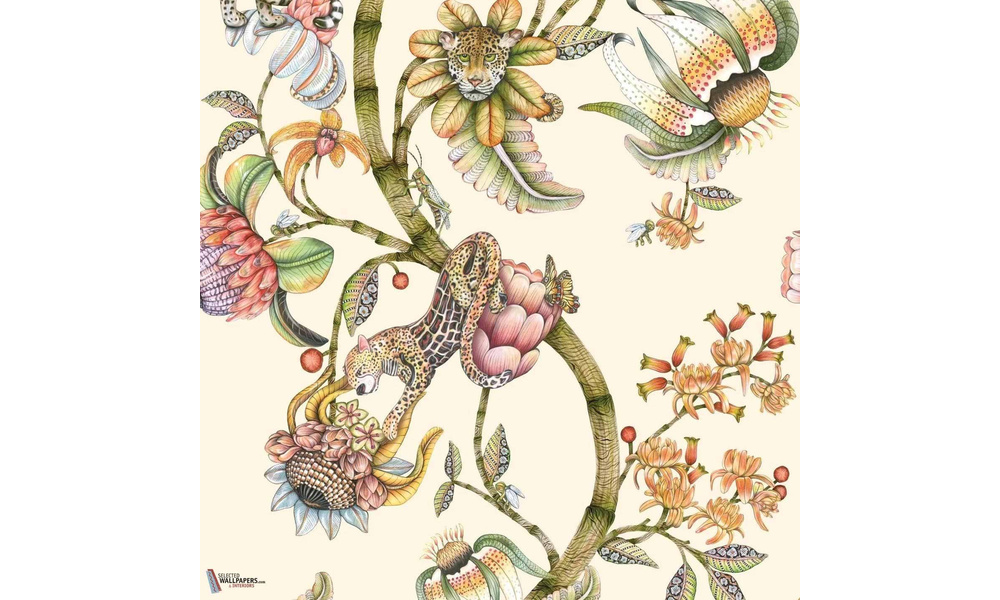
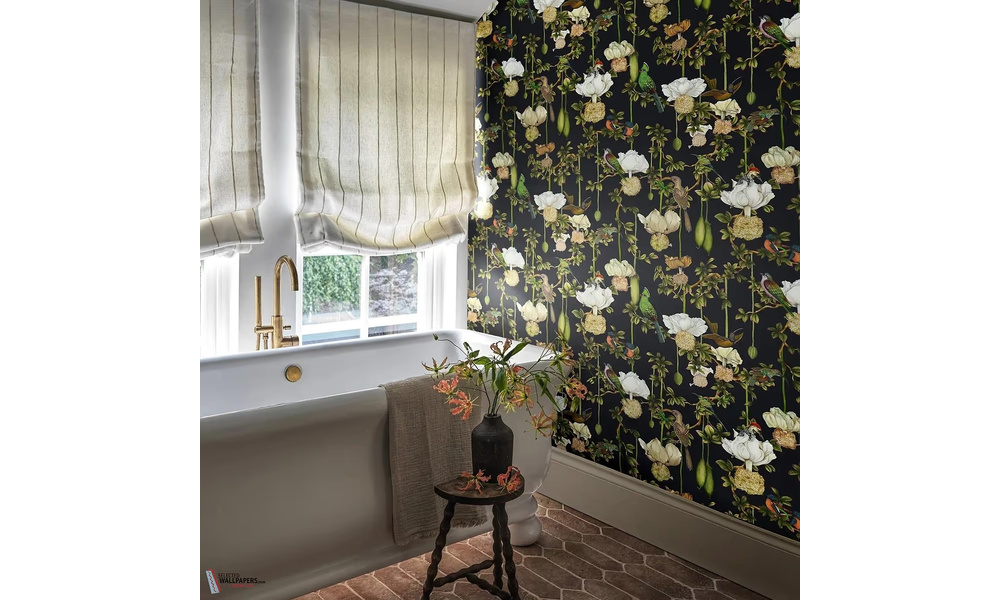
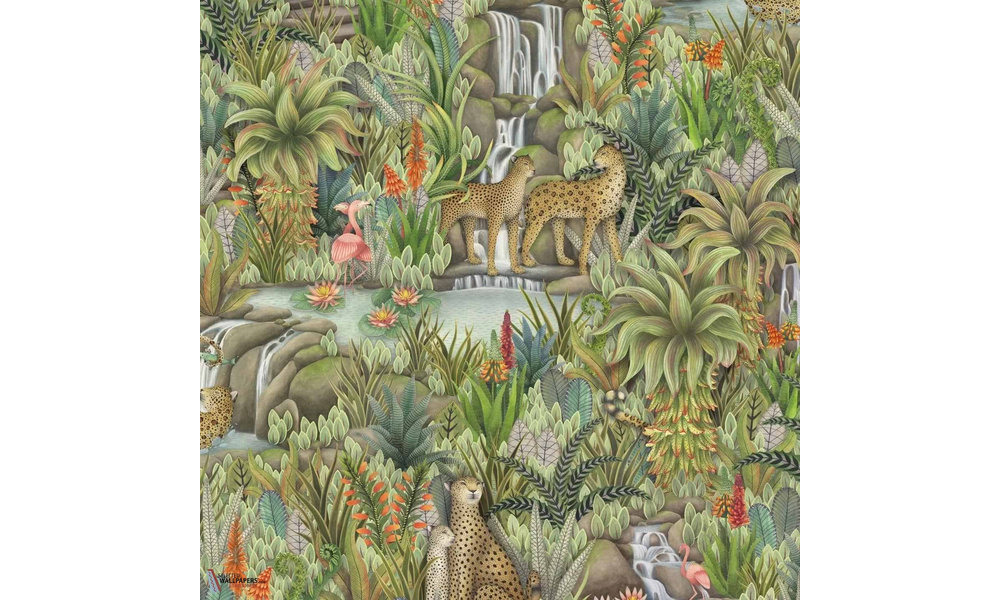
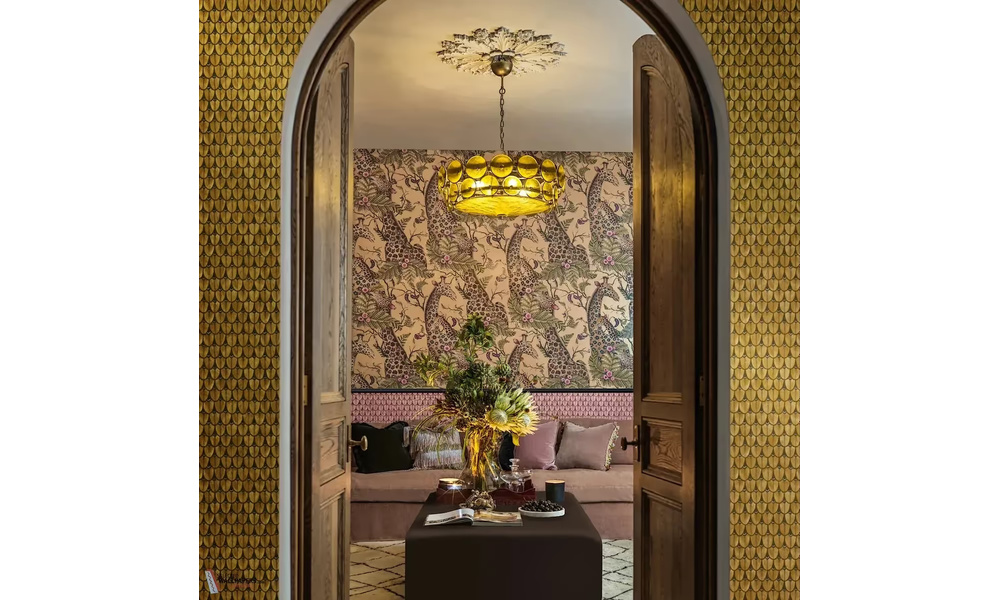
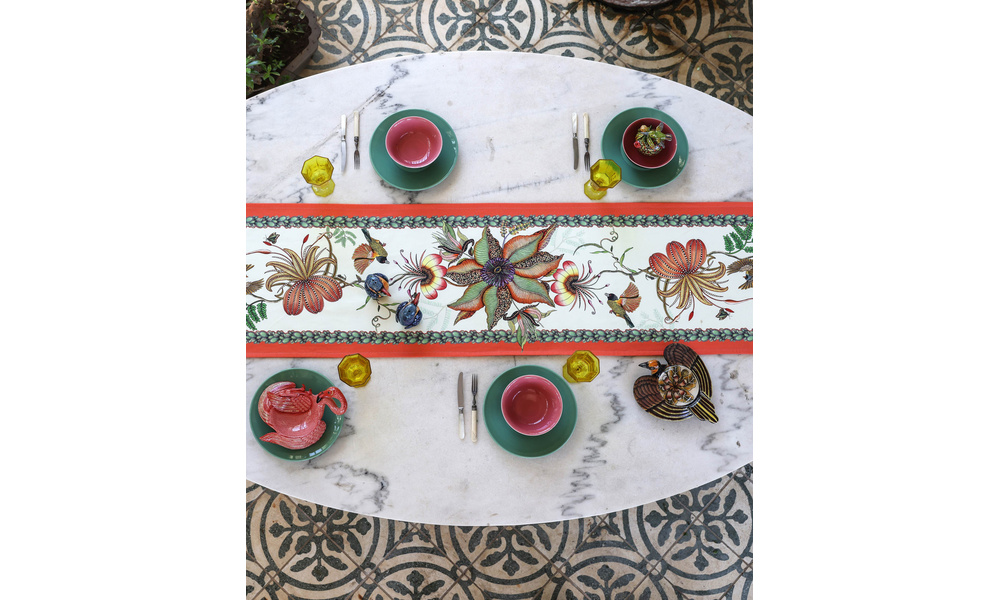
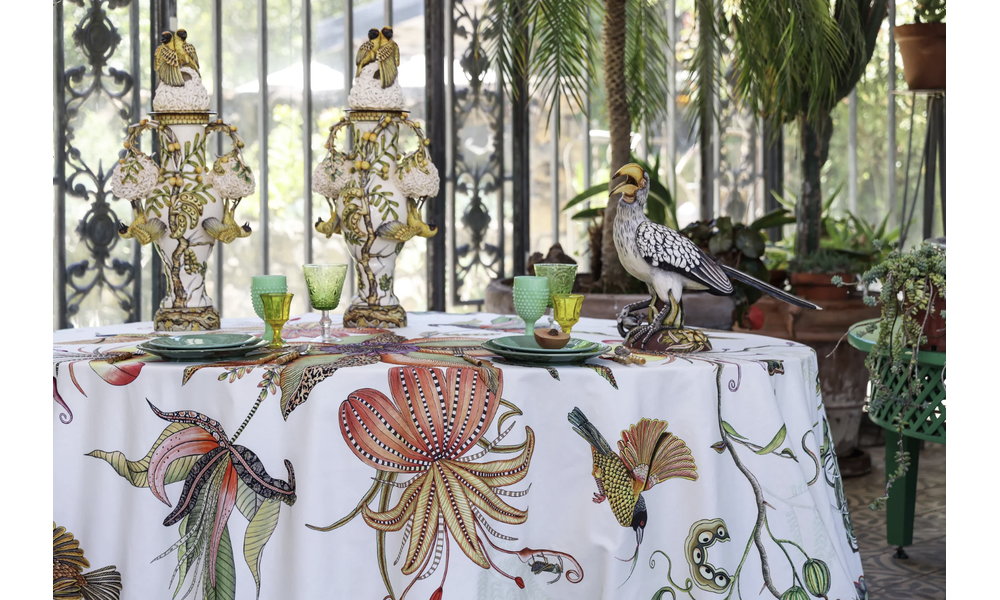
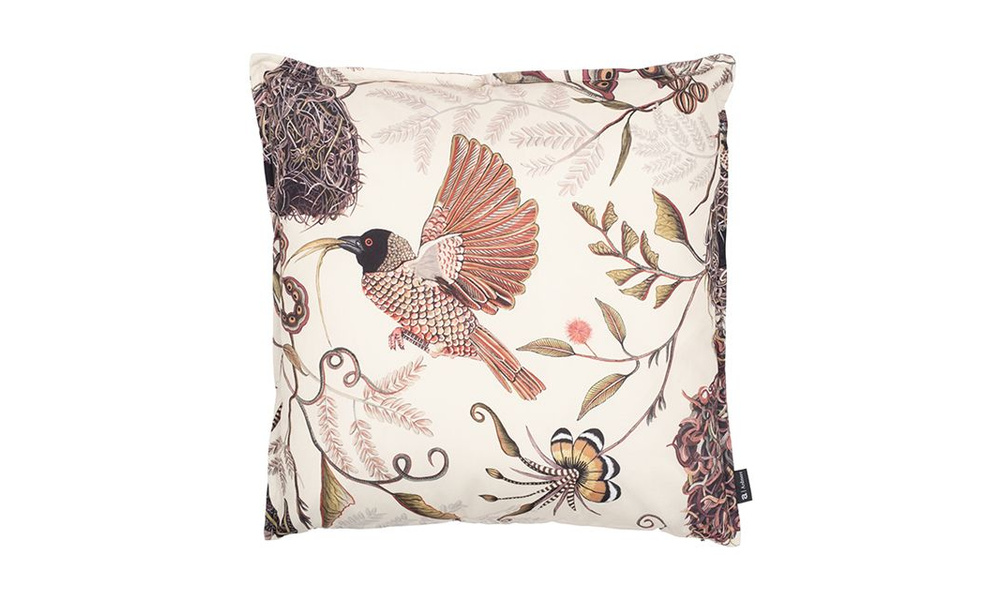
Baobab Botanica takes a complementary approach, weaving delicate branches, sculptural blossoms, seed pods, and jewel-toned birds into a richly layered botanical tapestry. Meanwhile, designs such as Cheetah Prowl, Royal Giraffe and Acacia Canopy explore the drama of African wildlife, combining decorative detail with the unmistakable character of the Ardmore aesthetic. The immersive environment turns the wall into a canvas for storytelling.
A living legacy
Ultimately, the Tree of Life reminds us that beauty is not simply something to admire from a distance. It nourishes, shelters, and connects us all. Through this collaboration, an iconic African tree becomes a source of inspiration for contemporary interiors, bringing the spirit of the landscape indoors and inviting us to live among its stories. See highlights of the new Baobab collection in our new Enchanted Garden exhibition, courtesy of Cole & Son in collaboration with Kravet, our neighbors in the South Florida Design District.

Read more about birds at WMODA…
Hoopoes at WMODA
Read more about the Enchanted Garden Exhibition…
Enchanted Garden Exhibition