
Louise Irvine
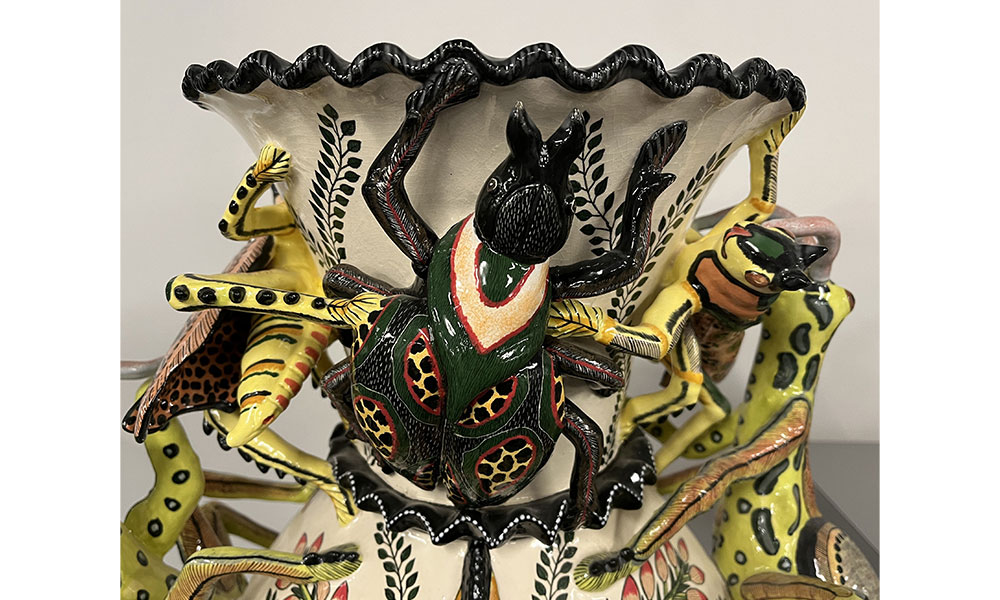
Our Safari for the Soul gallery is swarming with insects, but we’re not calling pest control because these beautiful bugs were created by the Ardmore Ceramic Art Studio in South Africa. The Ardmore artists are renowned for their Big Five safari animals, but they also portray larger-than-life-size insects to adorn ceramic vases, tureens, and teapots. Unlike many types of insects that evoke fear or disgust, Ardmore bugs are whimsical works of art.
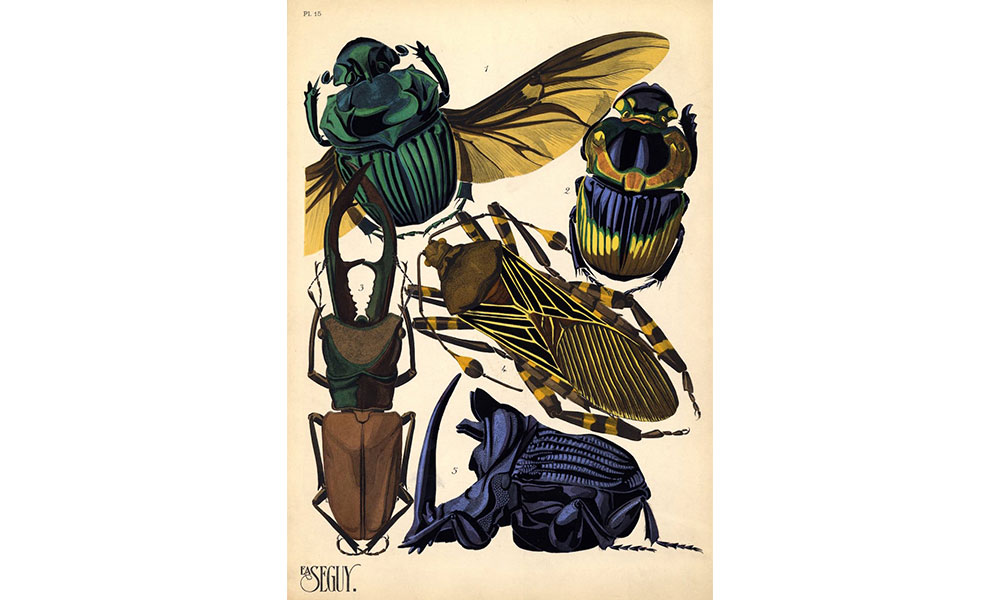
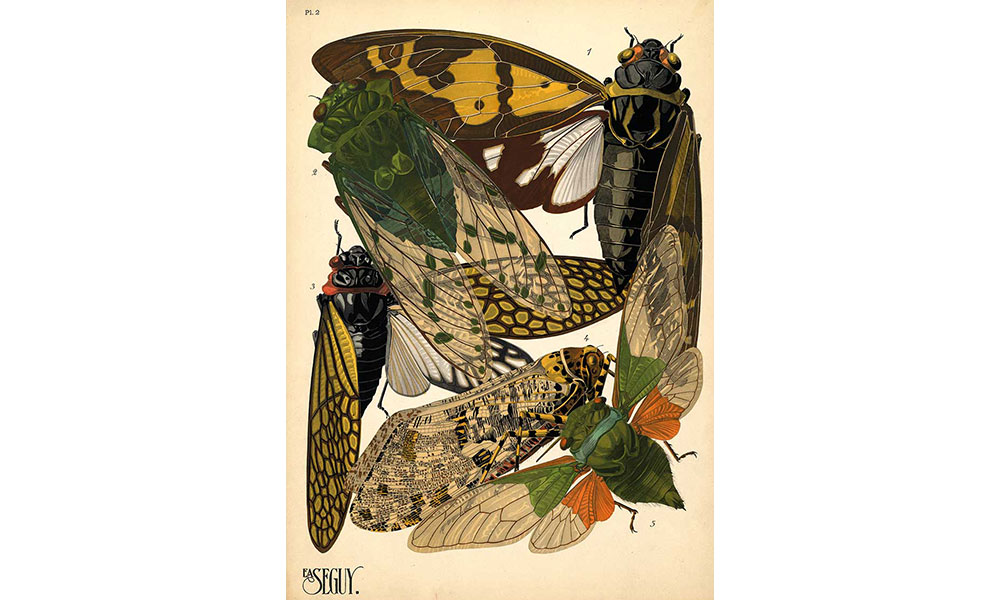
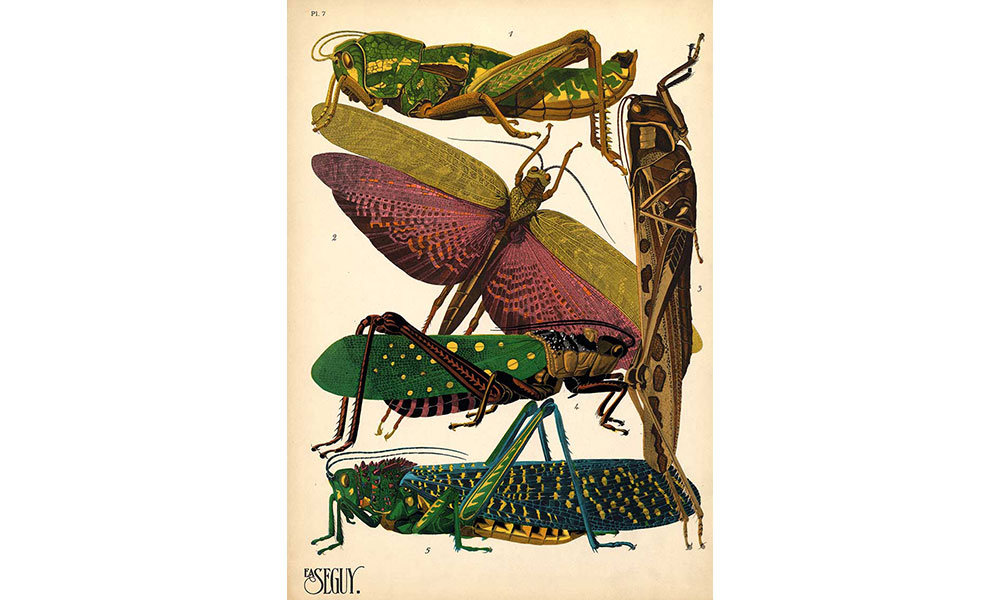
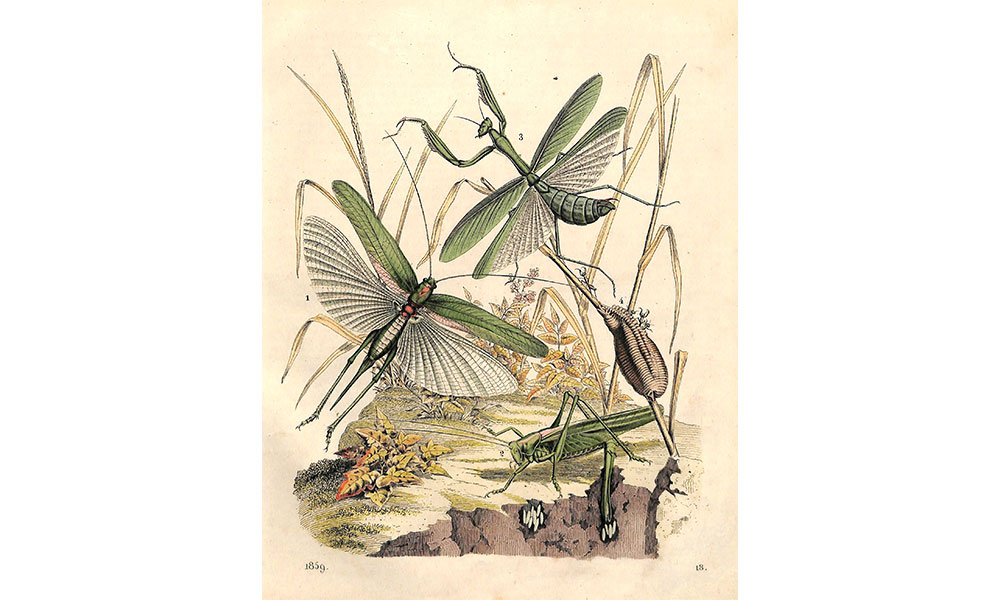
One of the most talented champions of the less attractive insect world was French designer Emile Alain Seguy, active in the early 1900s. He created portfolios of pochoir prints featuring butterflies and less picturesque insects, including beetles, locusts and cicadas, to inspire wallpaper and textile patterns. With his bold, colorful design aesthetic, Seguy made a special plea for nature as a successful industrial designer. He believed insects were constructed like wonderful machines and entitled to the same consideration as an ocean liner, airplane, or locomotive, which inspired fellow Art Deco designers.
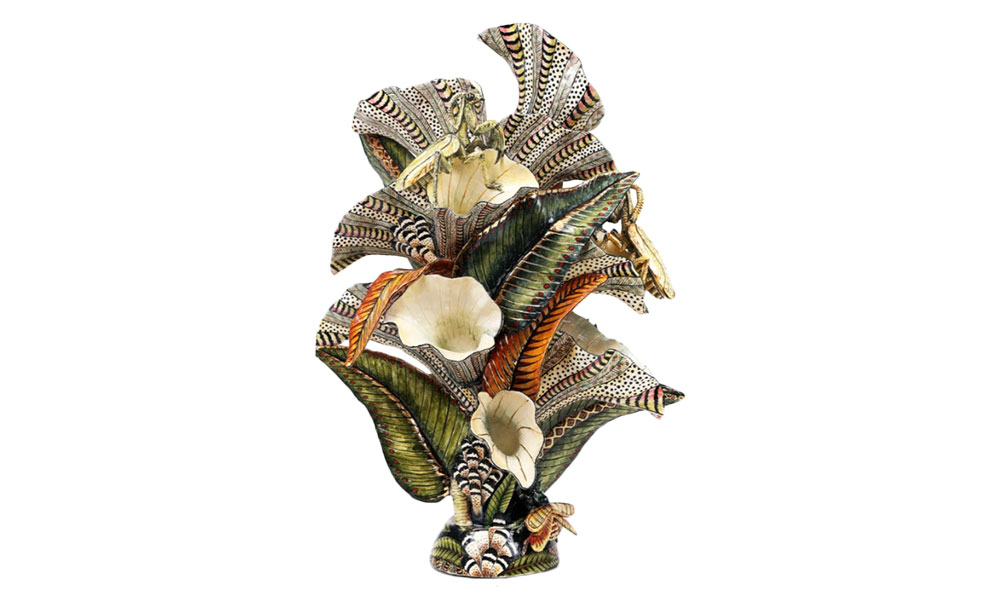
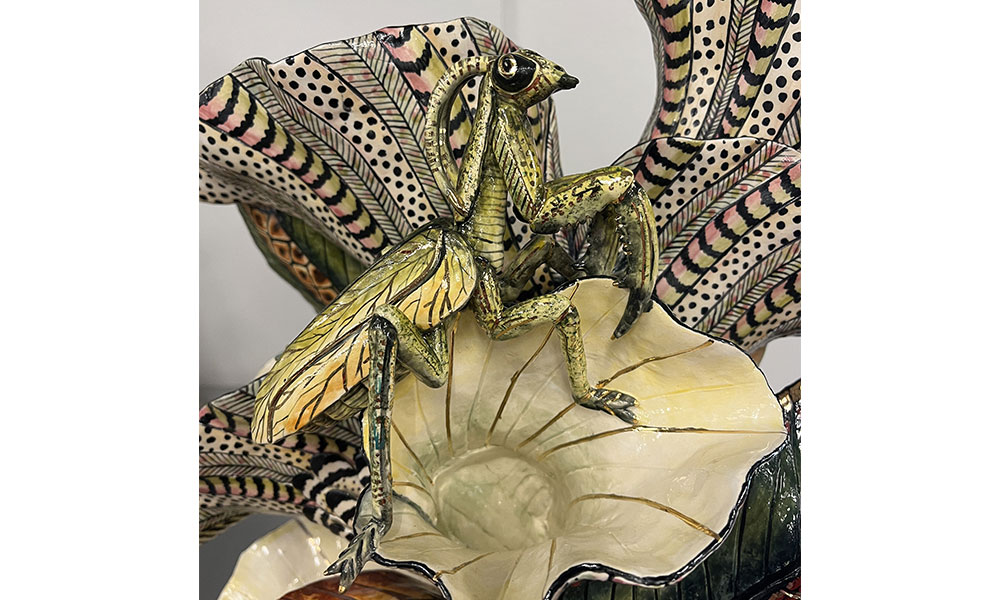
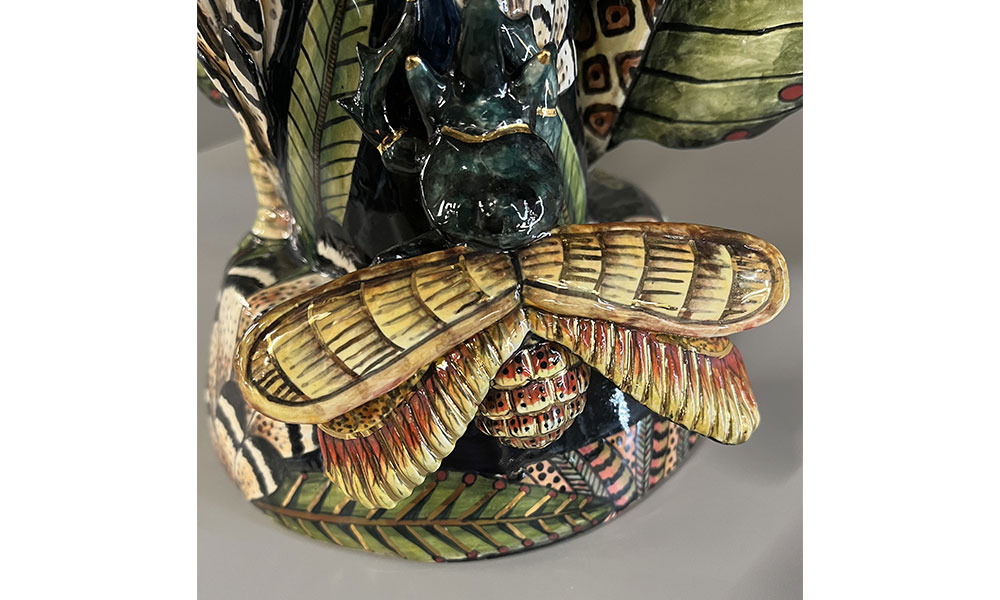
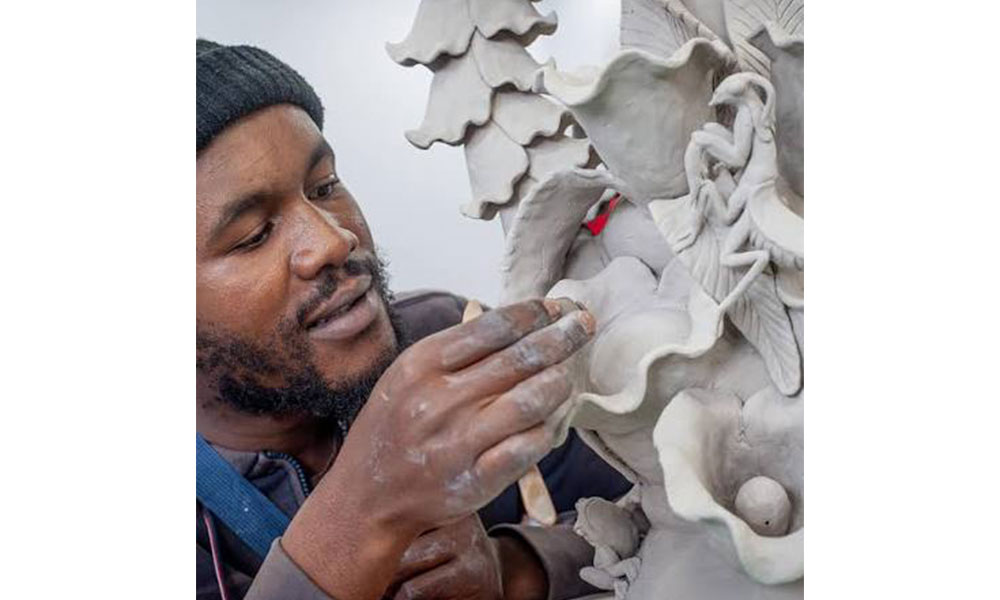
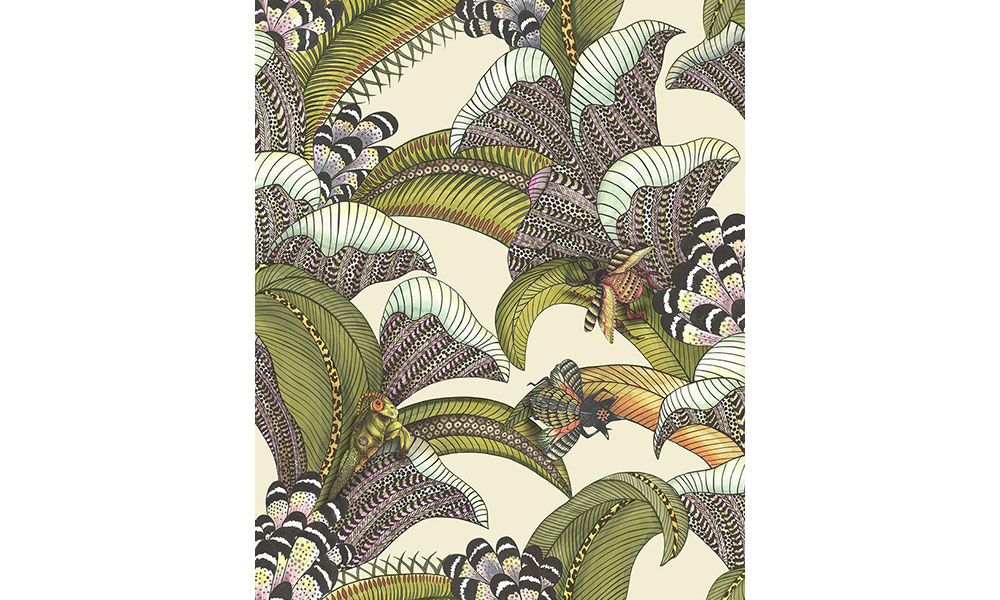
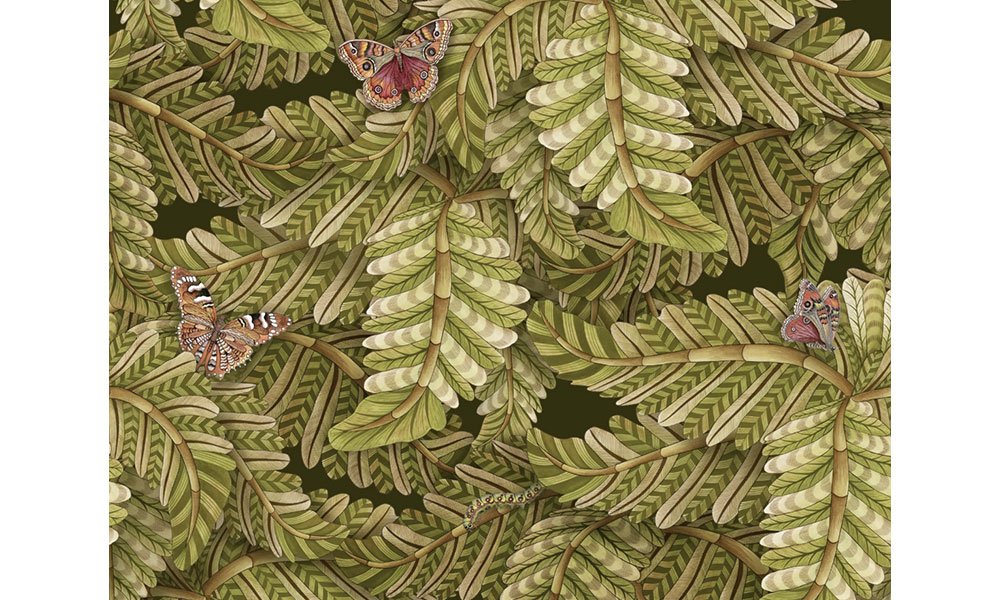
Cole & Son wallpaper designs by the Ardmore Studio also celebrate nature as a brilliant designer, and insects appear in some striking patterns, including Hoopoe Leaves. Hidden in the canopy of leaves and flowers are the feathery crowns of exotic Hoopoe birds, scuttling beetles, and a wide-eyed praying mantis. Every insect, leaf and feather is lovingly adorned with intricate patterns evoking Zulu beadwork. The Ardmore wallpaper inspired a spectacular ceramic design at WMODA sculpted by Qiniso Mungwe and painted by Mandla Ngwenya. Qiniso is the “entomologist” of the Ardmore world with some extraordinary designs featuring dragonflies and mantises.
In African tradition, the mantis is revered as a creator deity or spiritual messenger. Its name comes from Greek and means “prophet” or “seer.” Due to its quiet, prayer-like posture and stealthy hunting style, the praying mantis symbolizes patience, stillness, and spiritual awareness. It can stay completely motionless for hours, patiently waiting for the right moment to strike its prey, reminding humans to slow down and find inner calm amidst chaos.
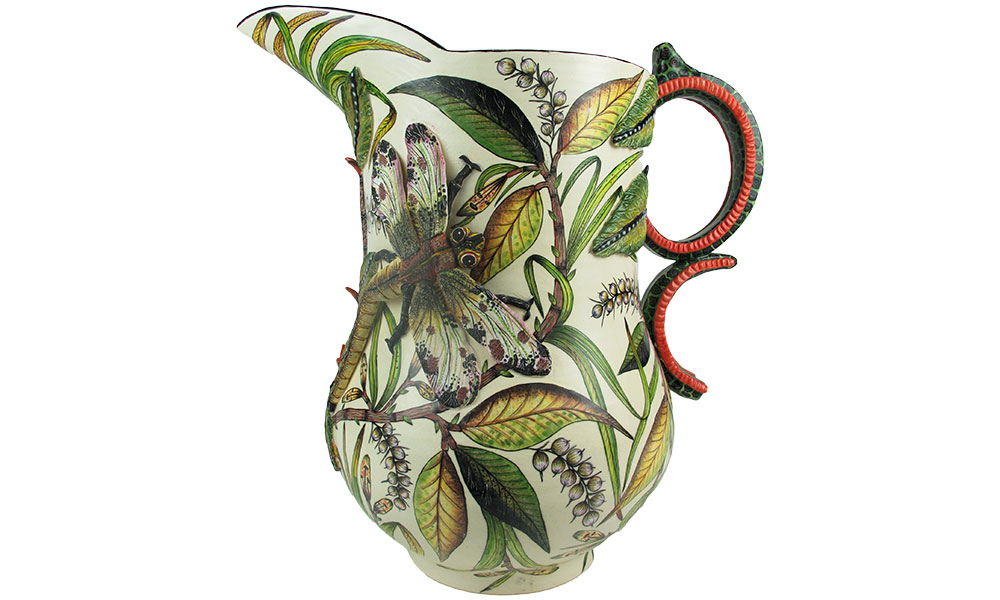
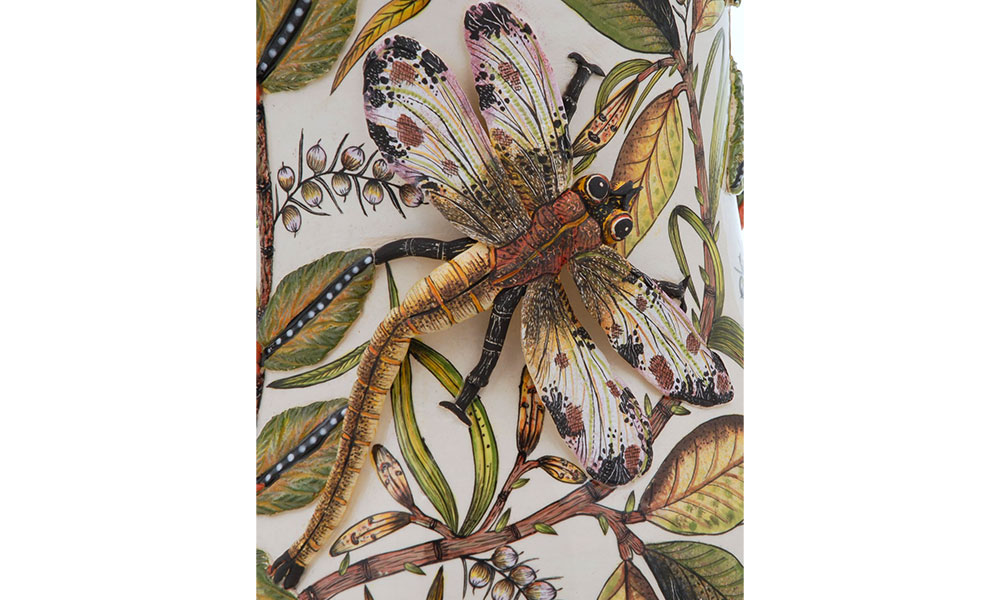
As with butterflies, the dragonfly is a more elegant pin-up of the insect world. Among many Native American tribes, it is depicted as a sacred symbol of water and appears on Hopi and Navajo pottery to celebrate the summer rains. The dragonfly reached peak popularity as a decorative motif during the Art Nouveau era, notably in the stained-glass lamps from the Tiffany Studios. Today, many view the dragonfly as a gentle messenger from the spirit world or a sign from loved ones who have passed. Qiniso portrayed the insect hovering on a water pitcher in a leafy botanical background.

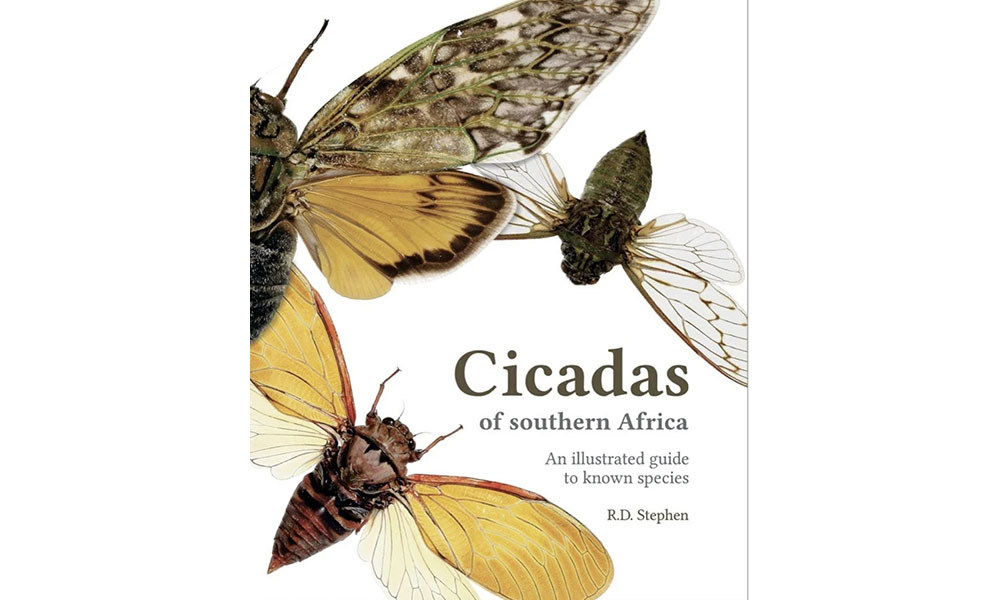
Many of Africa’s insects are easy to spot among garden flowers, but a safari with knowledgeable rangers offers fascinating insights into their vital role in the ecosystem. The African bush resonates with singing cicadas during the sunniest, hottest times of spring and summer. They are a valuable food source for birds and other predators and add nutrients to the soil as they decompose.
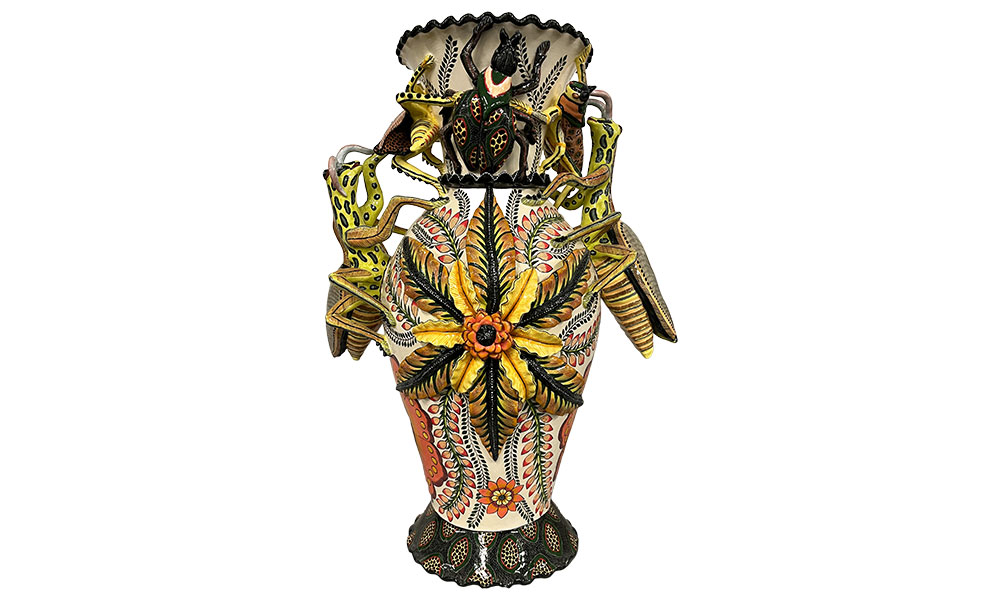
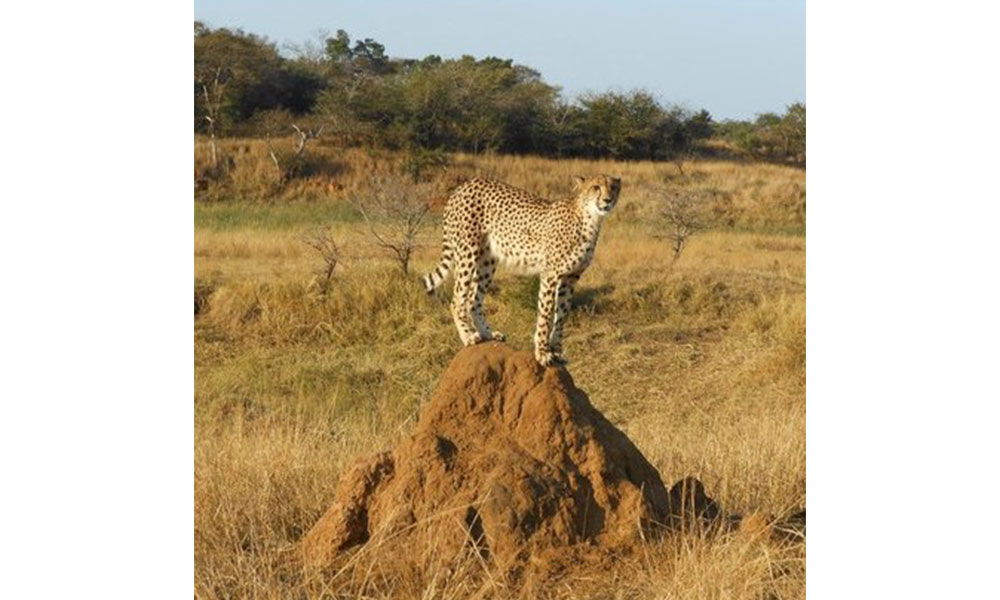
Ardmore artists Alex Sibanda and Jabu Nene had the opportunity to go on safari at Phinda Forest Lodge and were excited to watch a cheetah family romping around a termite mound. These massive mounds, up to 30 feet tall, often serve as observation towers for cheetahs in the African savanna. Alex and Jabu were also intrigued to hear about the role of dung beetles in the environment. These vital ecosystem engineers rapidly recycle animal waste, suppress pest flies, and aerate soil. Jabu, with her talent for painting intricate details of flowers and foliage, was captivated by the miniature world of insects.
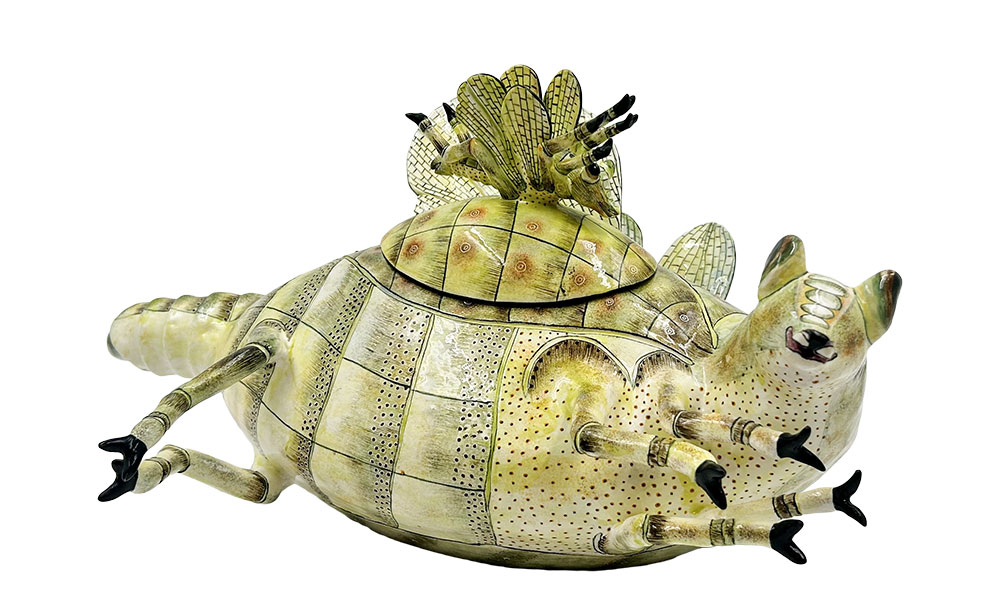
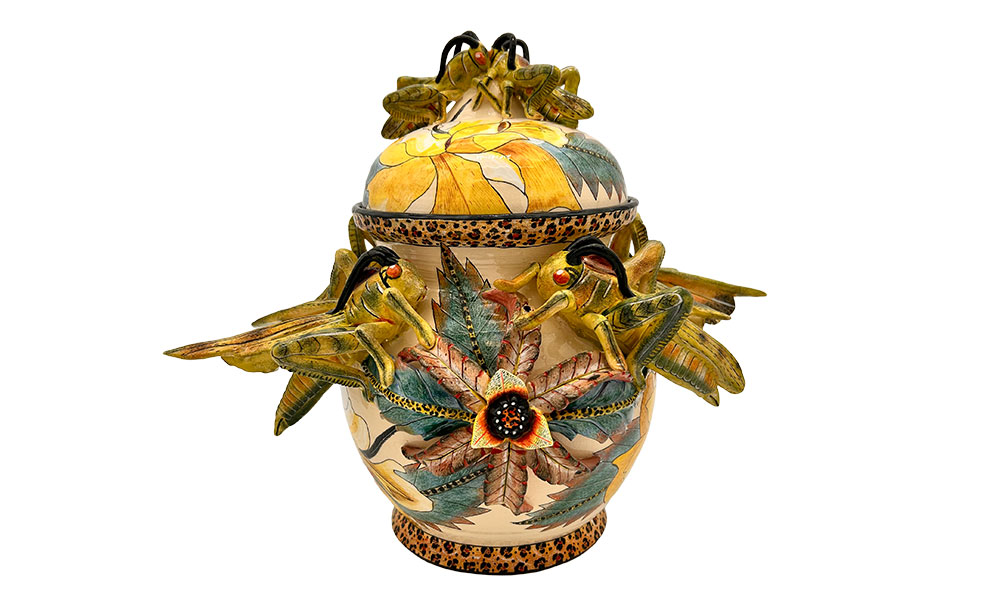
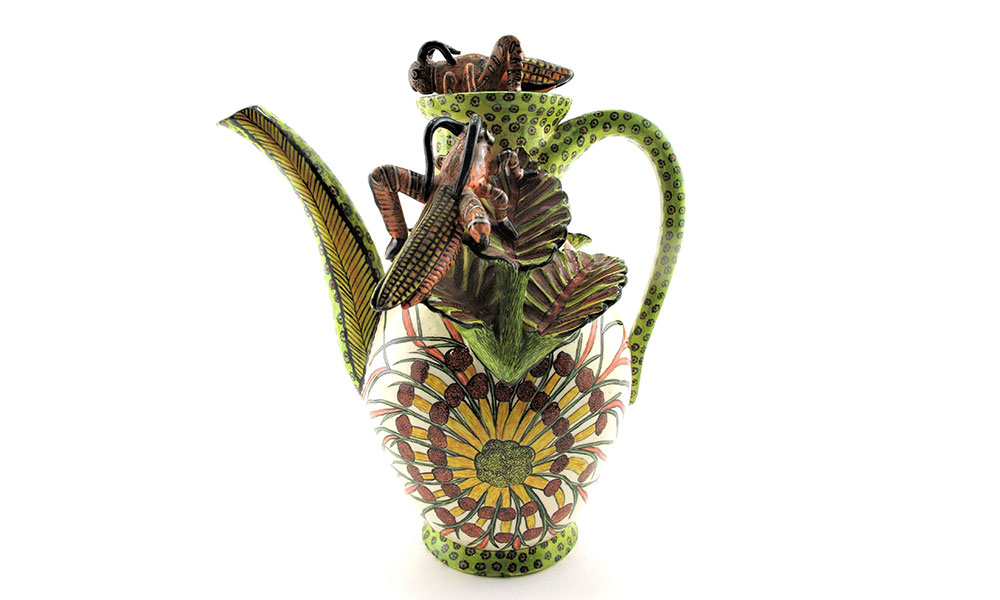
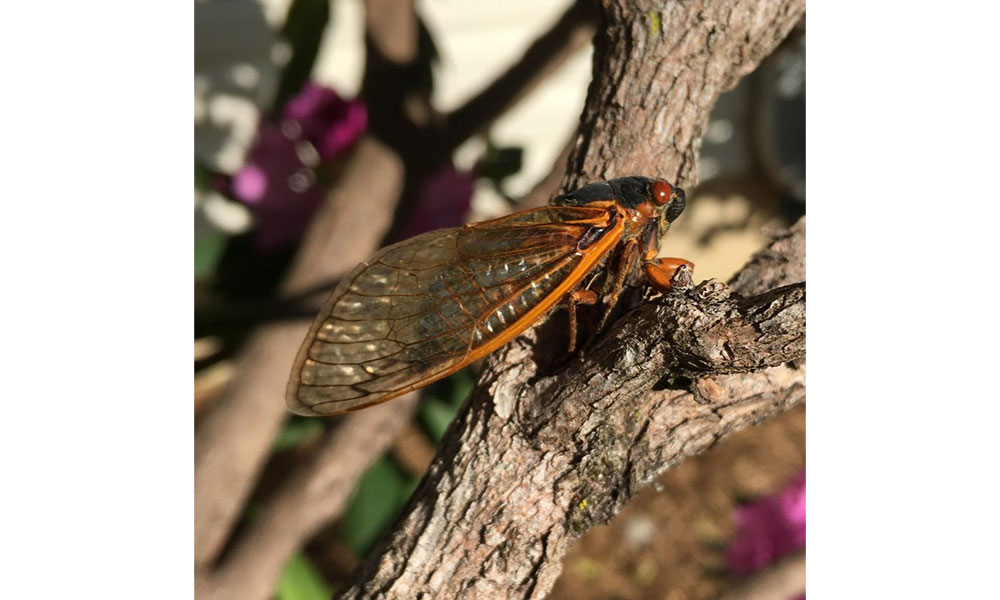
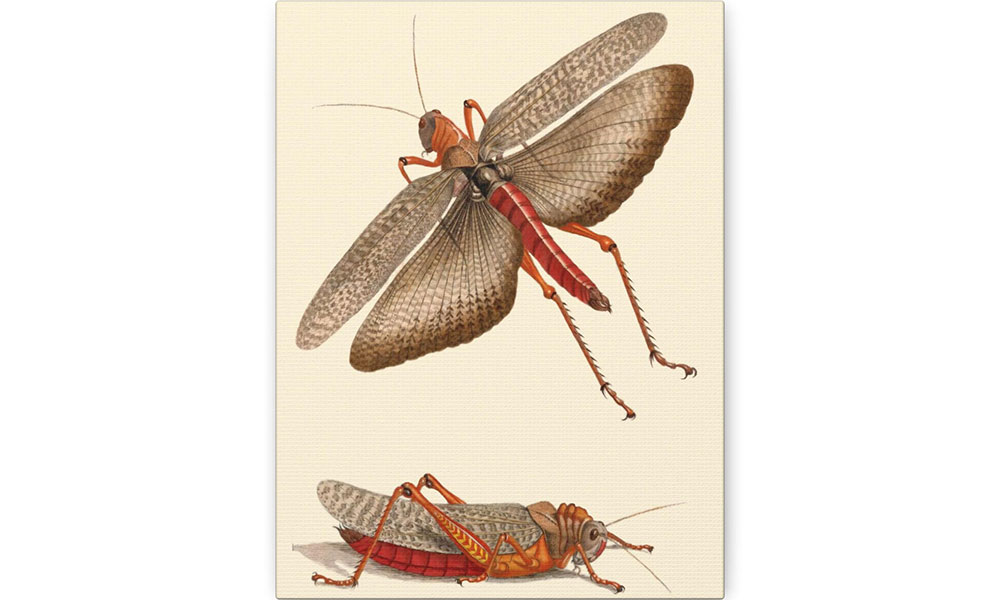
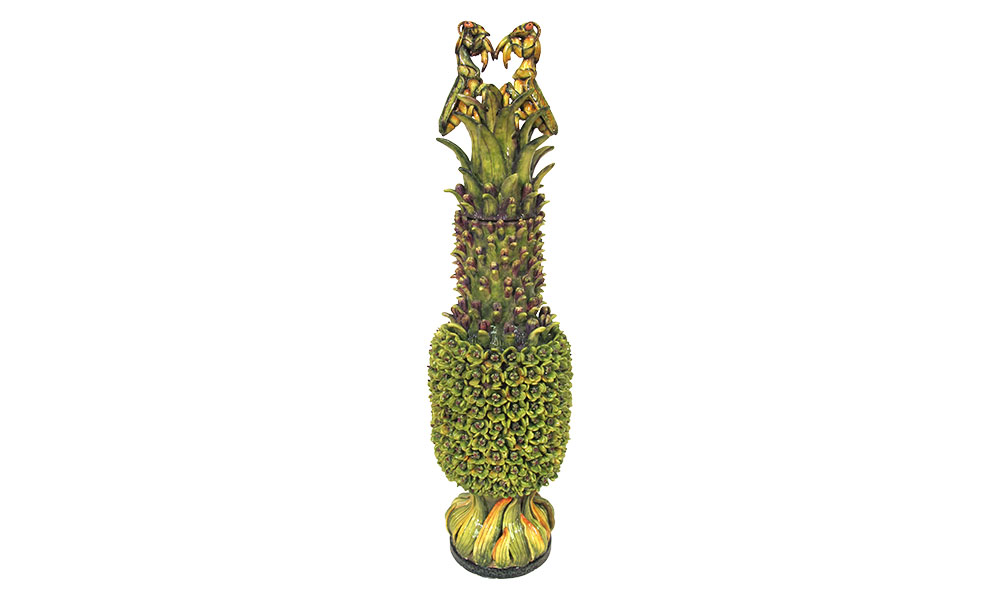
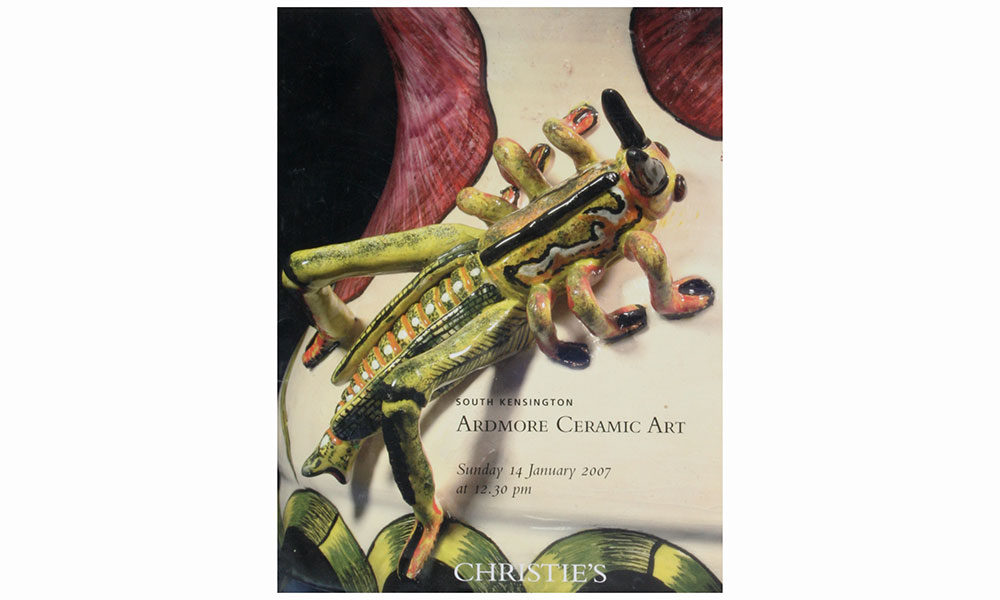
One of the strangest Ardmore tureens depicts a locust sculpted by Nhlanhla Nsundwane with a certain amount of artistic license! The locust is a particularly intriguing insect, as all locusts are a type of grasshopper, but not all grasshoppers are locusts. Most grasshoppers live solitary lives, hopping between plants and blending into their surroundings, but some locust species can switch to a swarming, gregarious phase because of weather and rapid food growth. They form massive migratory swarms and devour entire crops. In the Bible, locusts symbolize devastating destruction and divine judgment, as in the plague of Egypt, and represent impending hardship across various cultures.
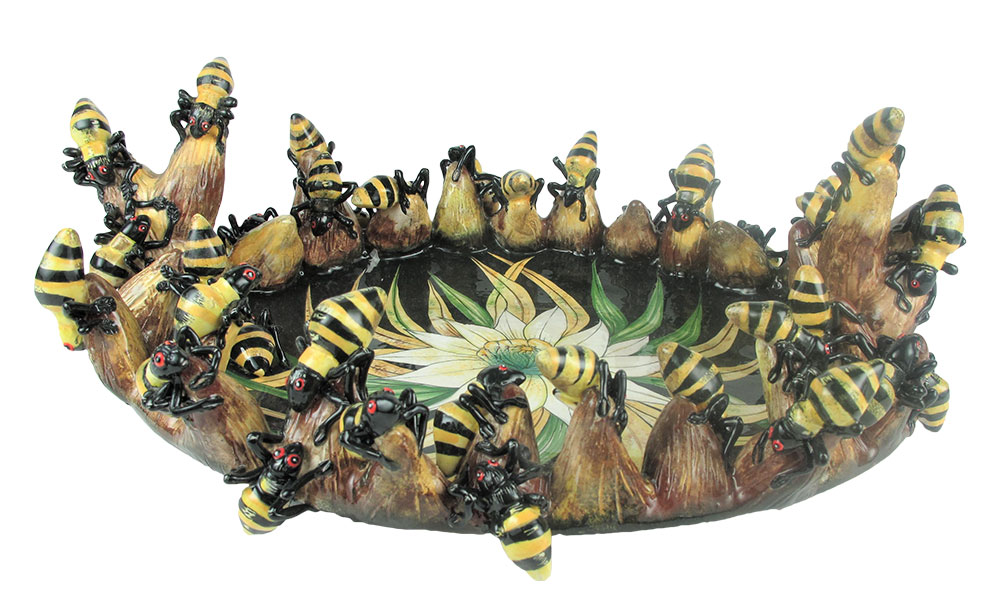
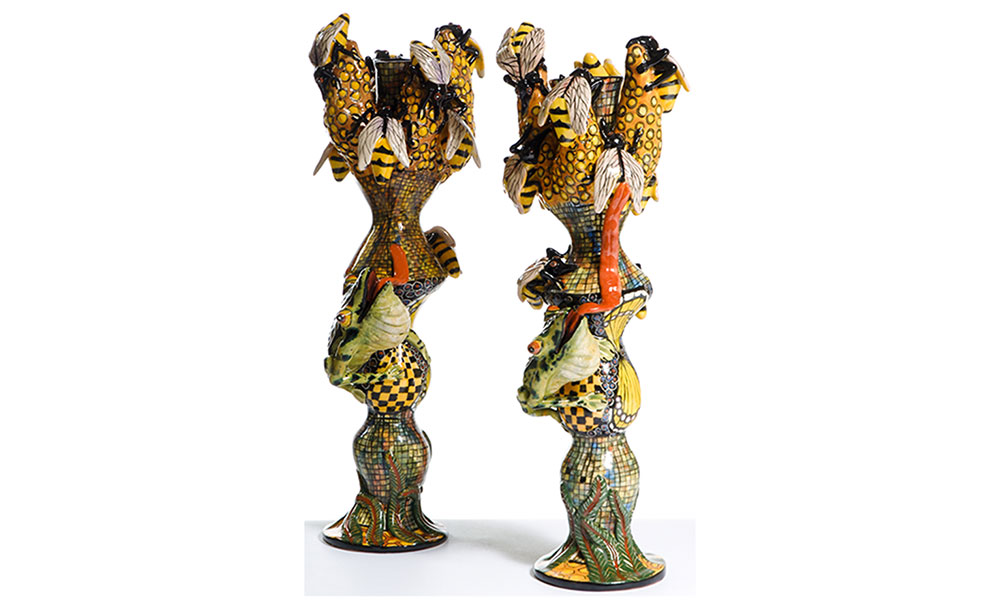
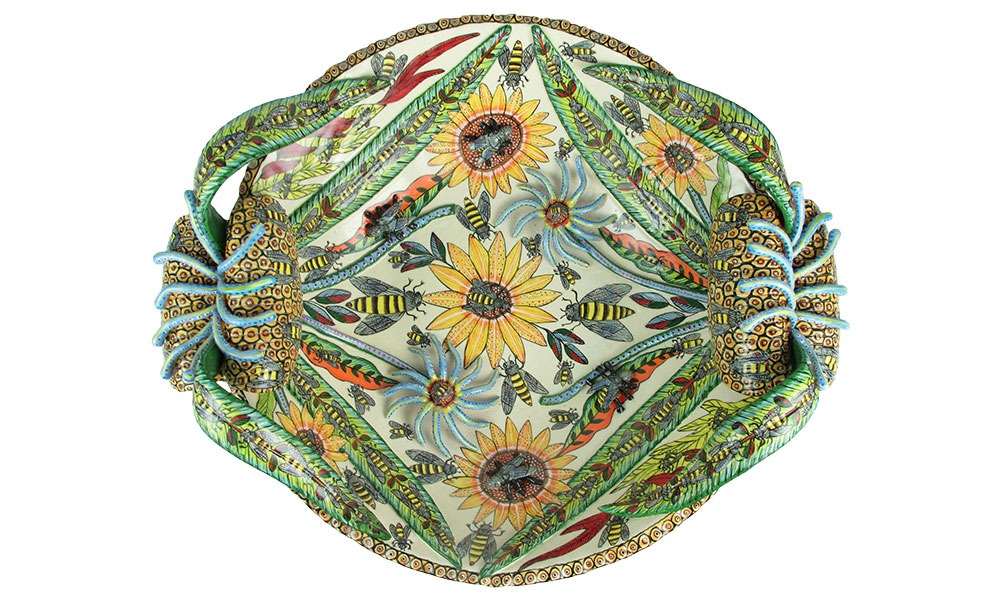
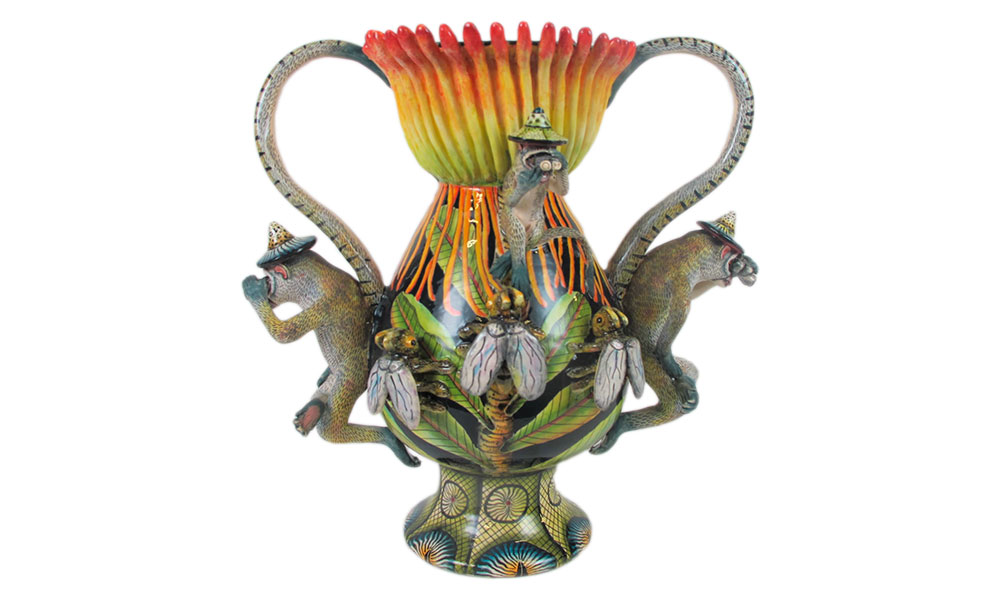
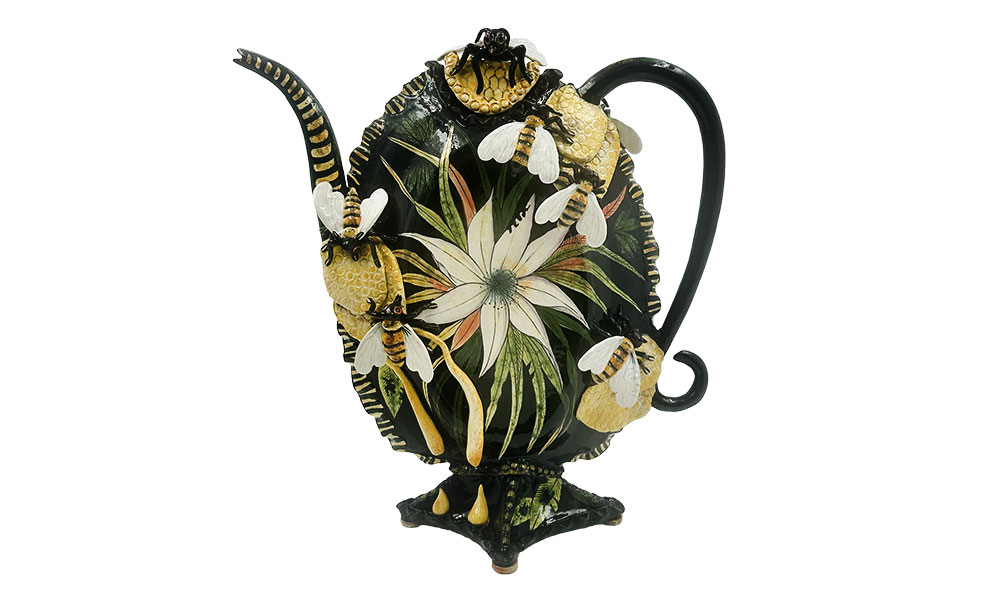
In contrast, in traditional South African cultures, swarms of honeybees around the homestead are believed to be connected to the presence of ancestors and bring messages of impending life shifts, blessings, and hope to a community, rather than being regarded as an isolated biological event. An African proverb, “Iinyosi zibenza zibutya” (Bees make honey and eat it), means that people reap the fruits of their own labor. The Ardmore artists have certainly been as busy as the bees they portray in their ceramic art.
Discover more about bees and bugs in our Enchanted Garden exhibition, opening October 31.
Read about bees and elephants
Bees for Elephants