Louise Irvine
Glass has always occupied a remarkable place between art and nature. Transparent yet substantial, fragile yet enduring, it can contain a living landscape, transform sunlight into color, or turn an interior into an environment of shifting illumination. From the 19th-century terrarium to the long tradition of stained-glass lighting and today’s contemporary glasswork, artists have repeatedly explored glass’s ability to frame, filter, and reinterpret the natural world.
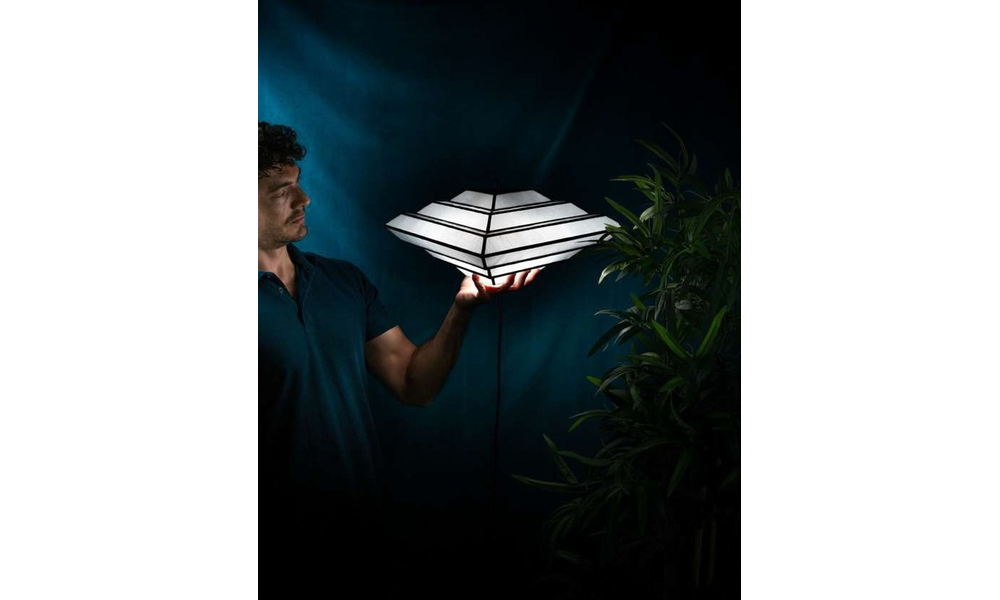
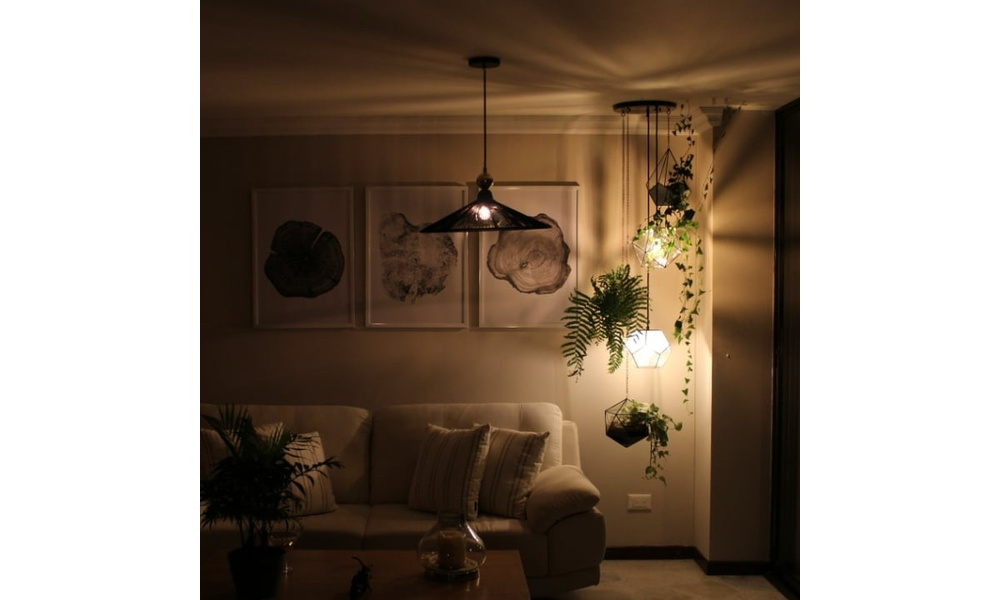
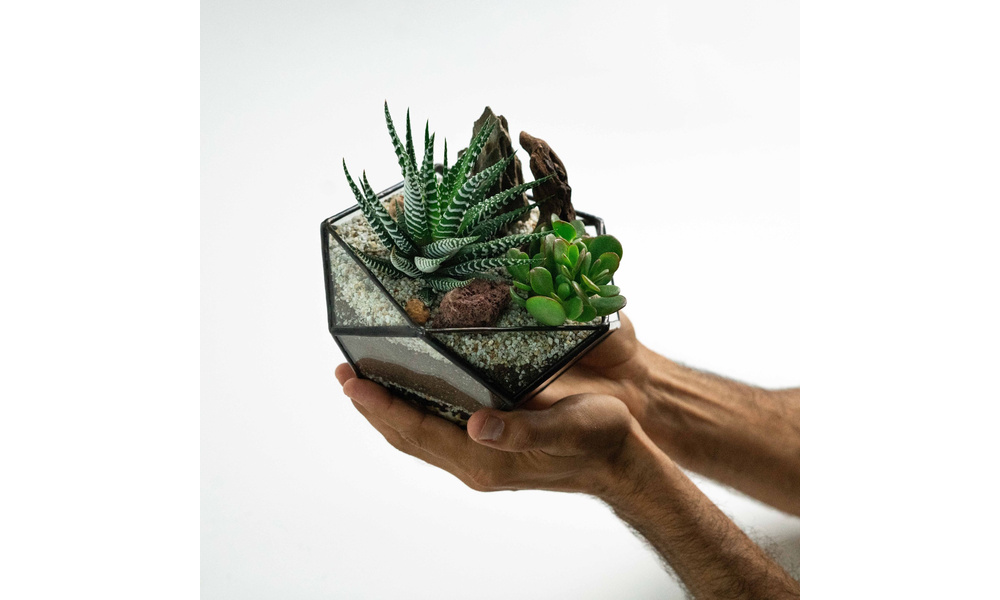
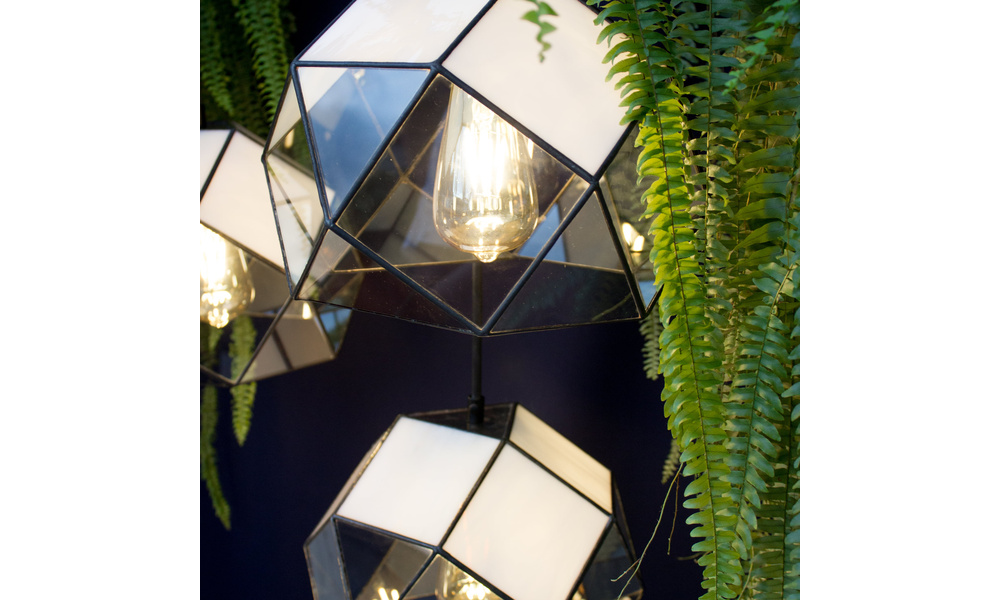
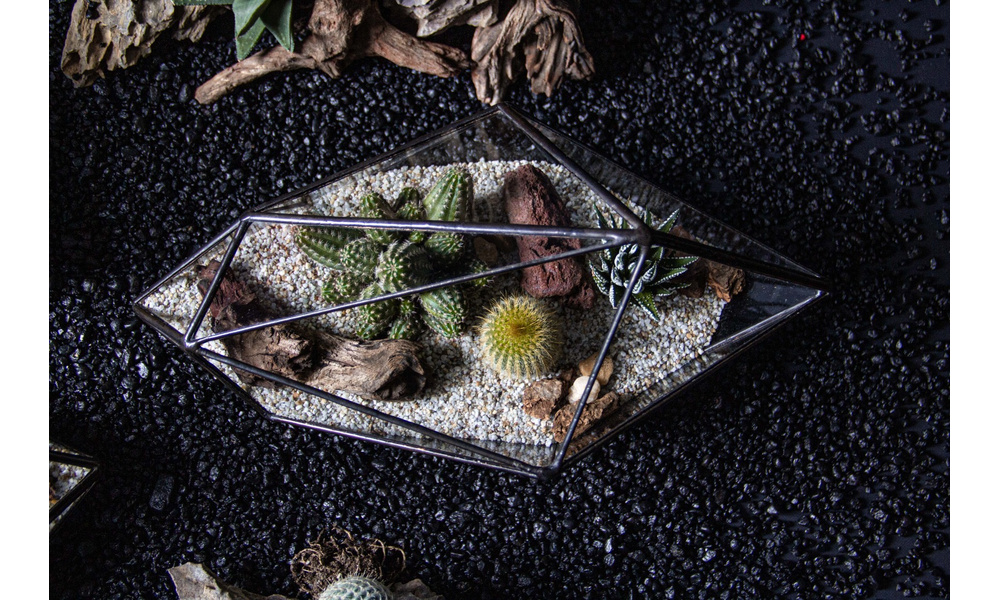
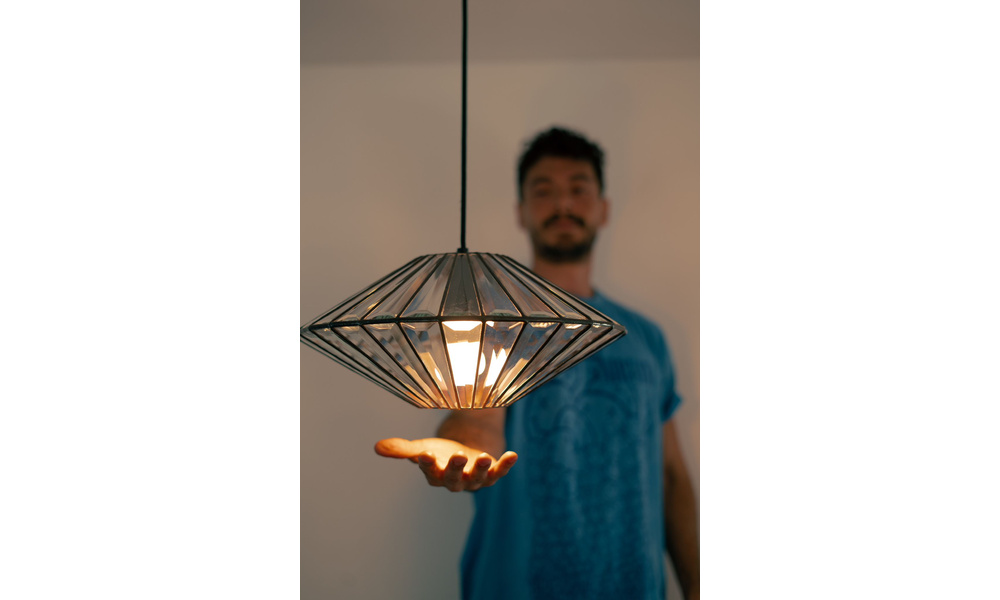
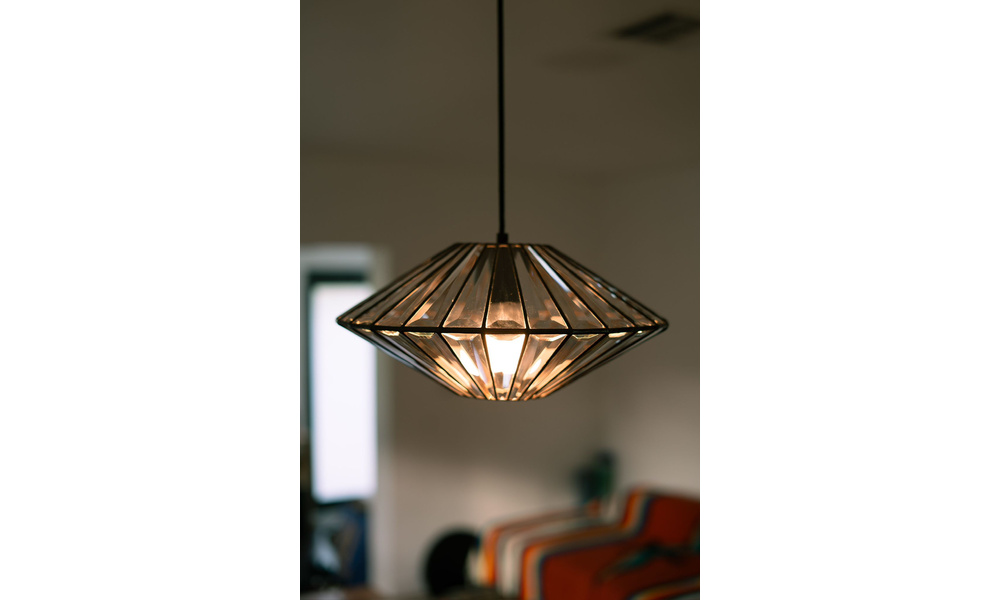
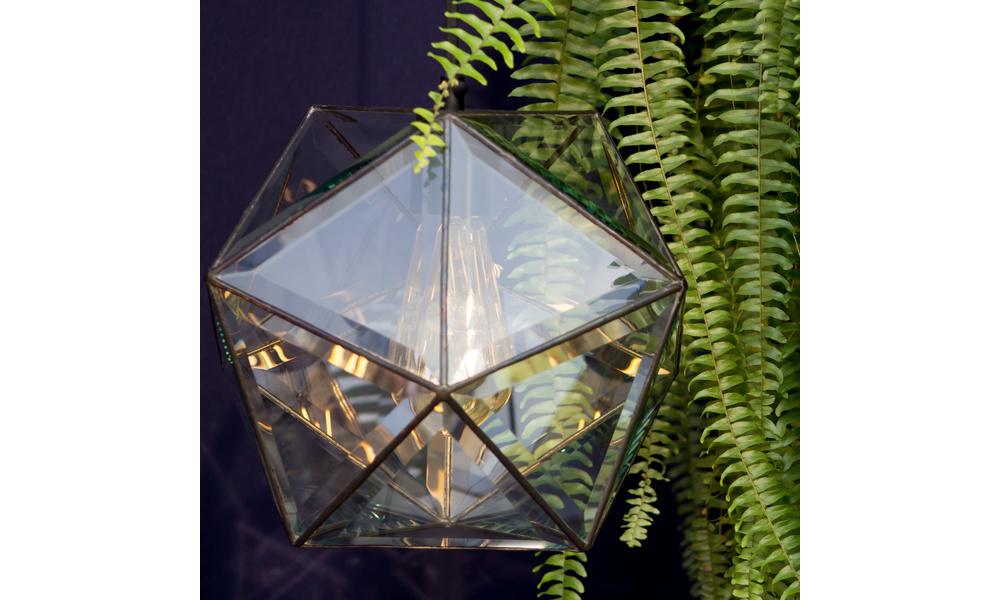
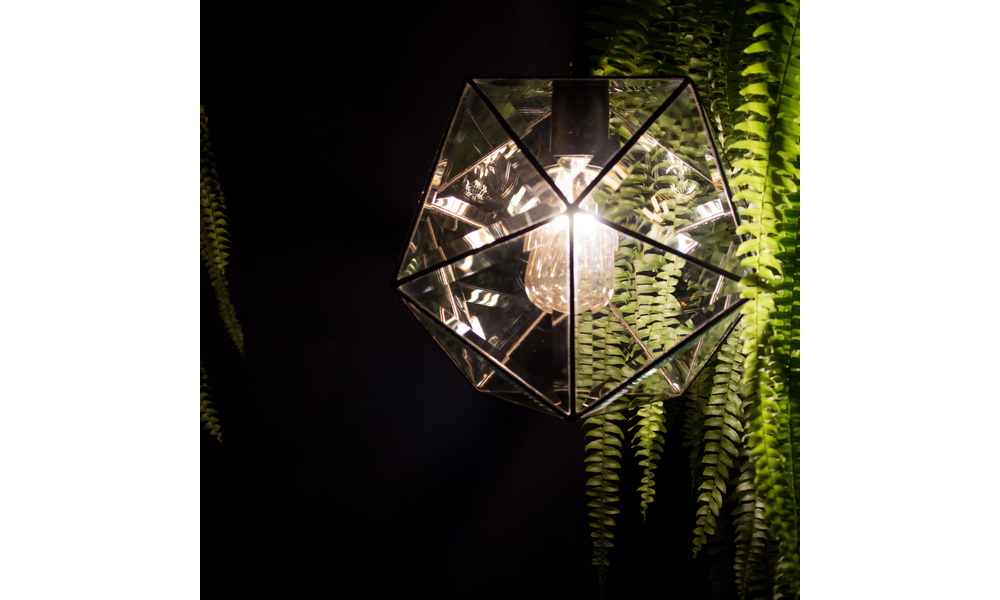
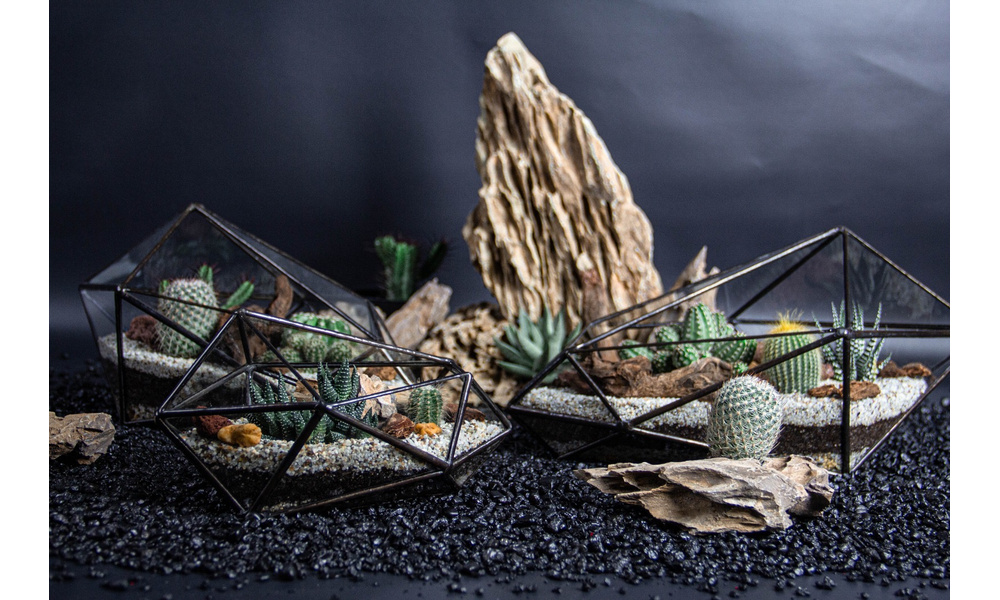
Our new Enchanted Garden exhibition features the work of Juan Giraldo, a Colombian-born glass artist and industrial designer based in Florida, who brings together traditional craftsmanship, contemporary design, and architectural applications of glass. His work explores the relationship between color, form, light, and space through hand-crafted stained glass works and large-scale custom installations featuring terrariums and lighting. Drawing from his background in industrial design, Giraldo approaches glass as both an artistic and material discipline, combining technical precision with an emphasis on individuality and craftsmanship.
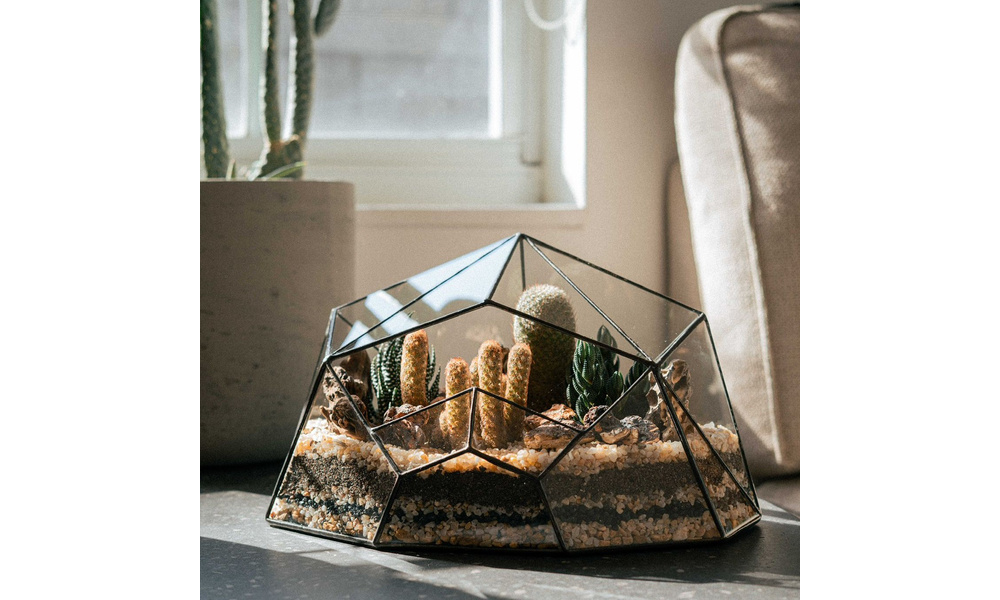
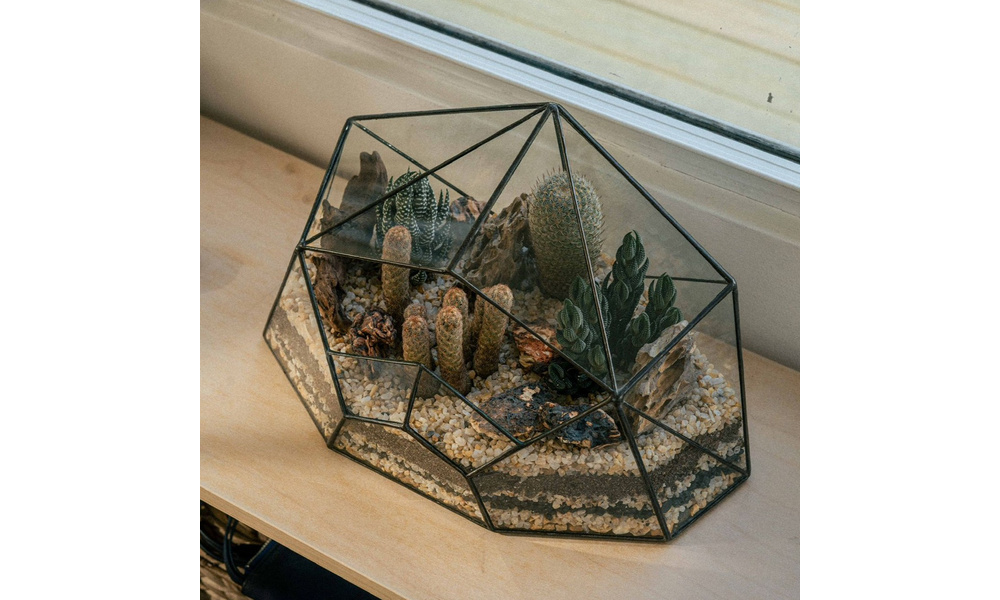
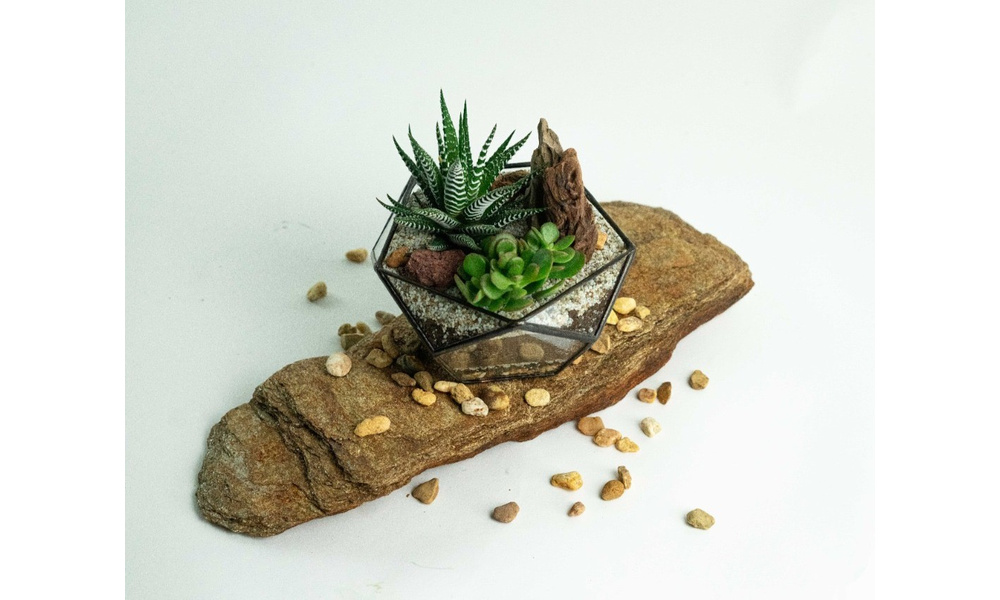
The modern terrarium traces back to the 19th-century Wardian case, developed by British physician and amateur naturalist Nathaniel Bagshaw Ward. In 1829, he discovered that plants could thrive in a sealed glass environment, and his experiments led him to build wooden cases with glass panels that acted as miniature greenhouses. In 1833, Ward tested the idea by transporting ferns, mosses, and grasses from London to Sydney. The plants survived the long voyage, demonstrating that a carefully controlled glass environment could sustain living organisms across enormous distances.
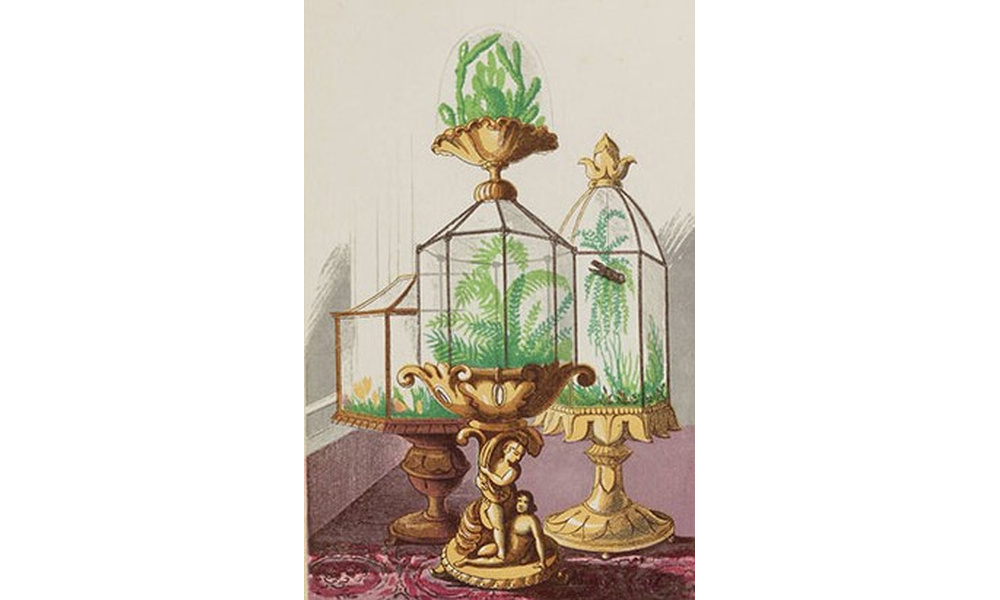
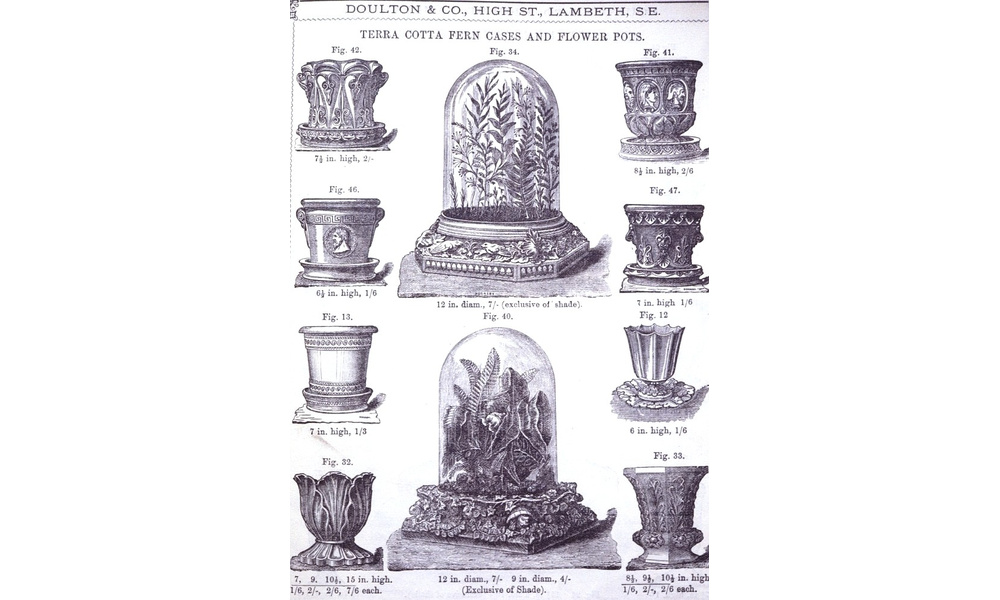
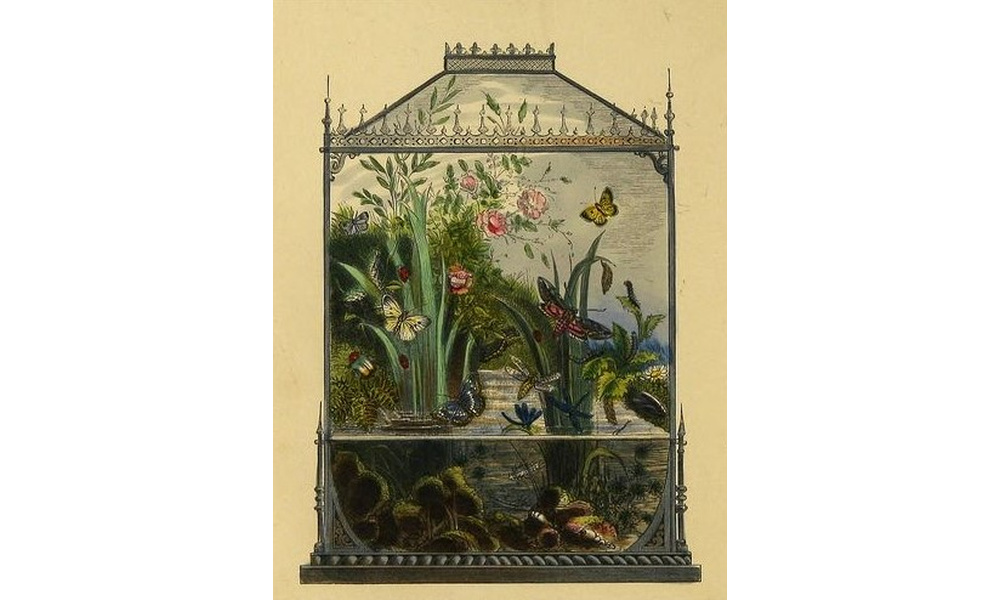
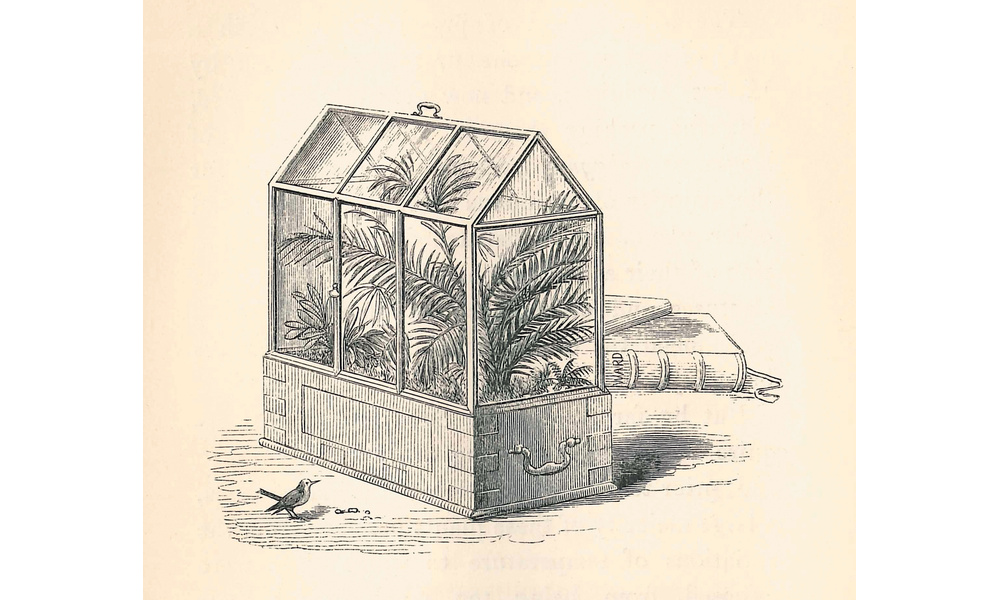
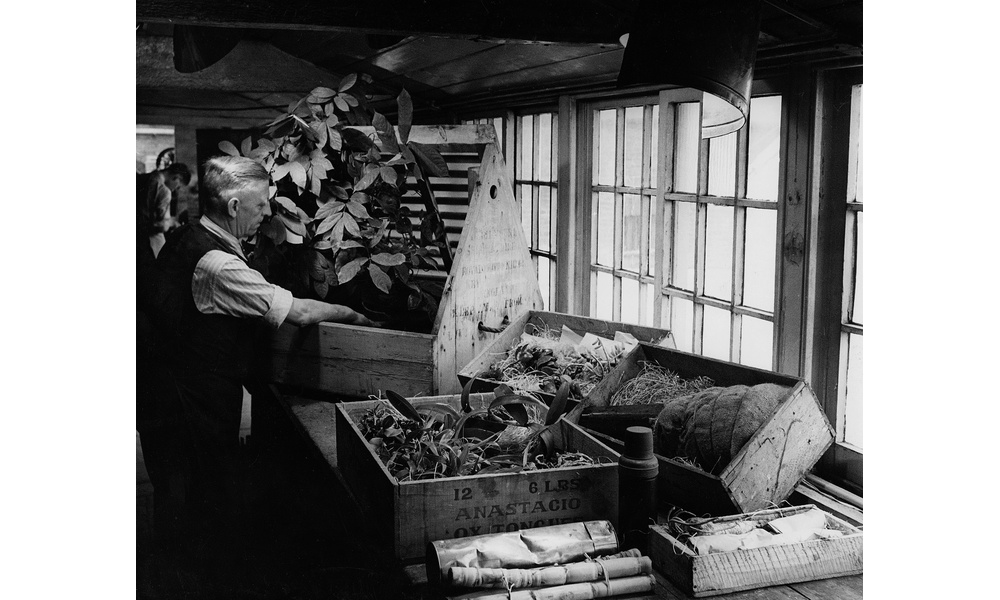
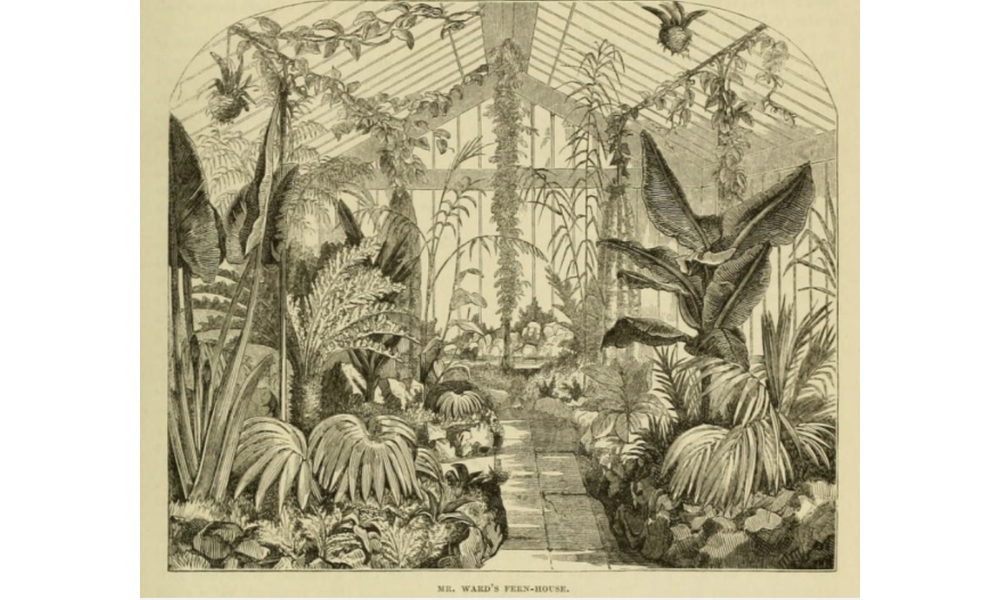
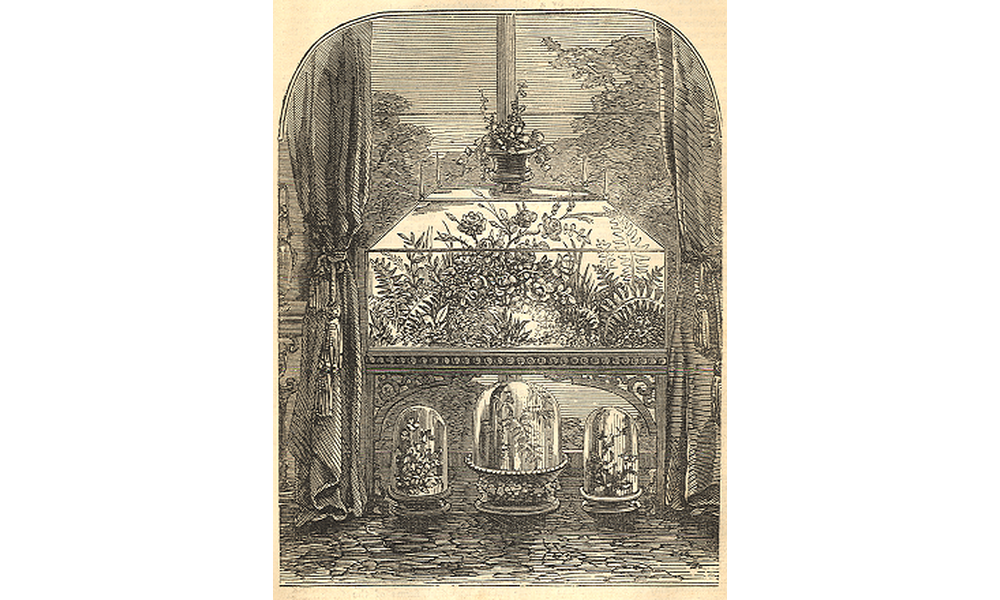
The Wardian case soon became both a scientific tool and a fashionable domestic object. During the Victorian period, glass cases let people cultivate ferns and other exotic plants indoors, turning botanical collecting into interior decoration. The Doulton Potteries in London made a range of ceramic bases for terrariums, as shown in their catalogs from the 1880s. With the addition of living creatures, the terrarium became a vivarium, and these transparent landscapes brought a fragment of the outside world into the Victorian home.
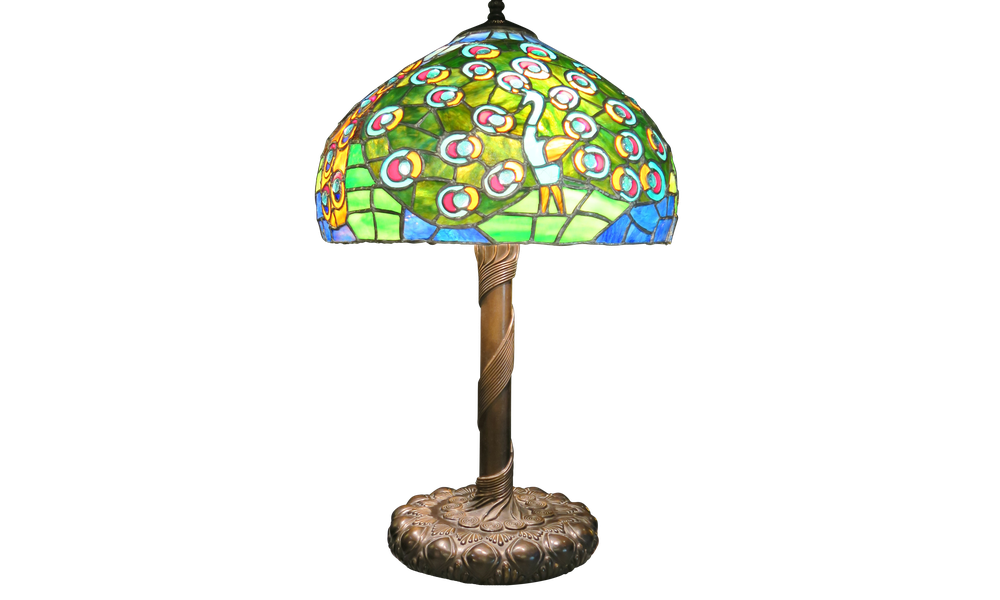
Decorative glass windows developed in parallel during the Victorian era. Leaded glass, in which individual pieces of colored or textured glass are joined by narrow strips of lead, has a long architectural history, particularly in medieval stained-glass windows. In the late 19th century, the technique entered a new era through the work of American designer Louis Comfort Tiffany, who designed spectacular stained-glass windows. With the arrival of electric lighting, Tiffany and his contemporaries also transformed the lampshade into an illuminated work of art. Tiffany Studios produced richly colored leaded glass shades whose patterns drew heavily on flowers, vines, insects, and other elements of nature. The Tiffany style has inspired countless artists during the last century, including Howard Wiener, brother of the museum’s founder, Arthur Wiener. Having retired as a physician, Howard took up stained glass and created the beautiful lamp in the Peacock Room at WMODA.
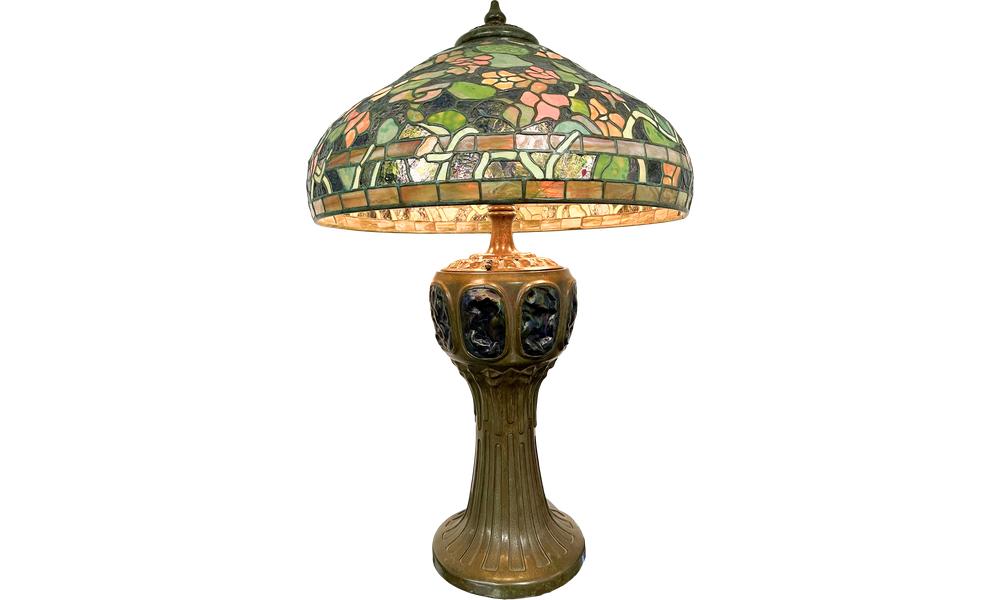
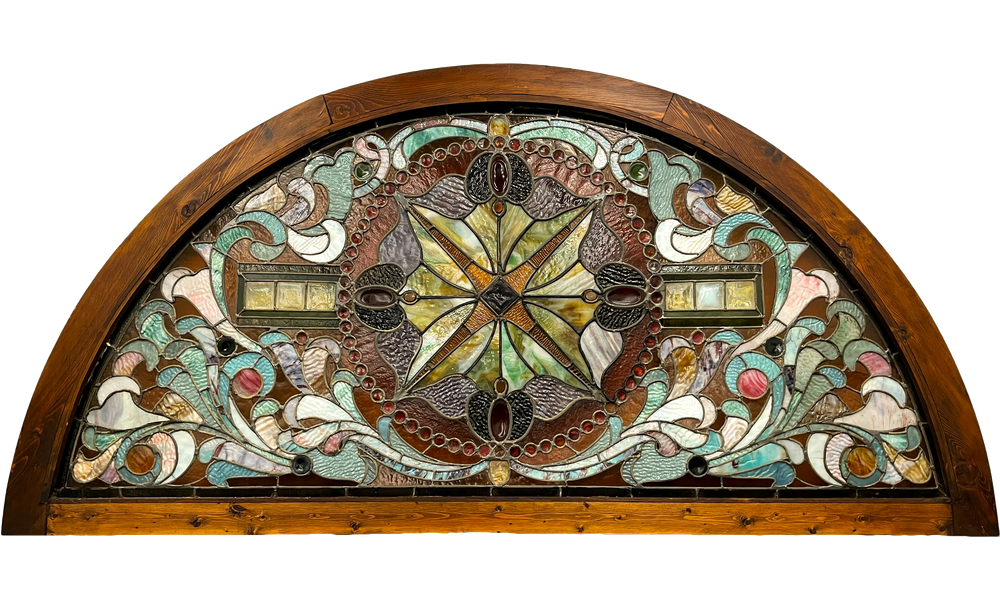
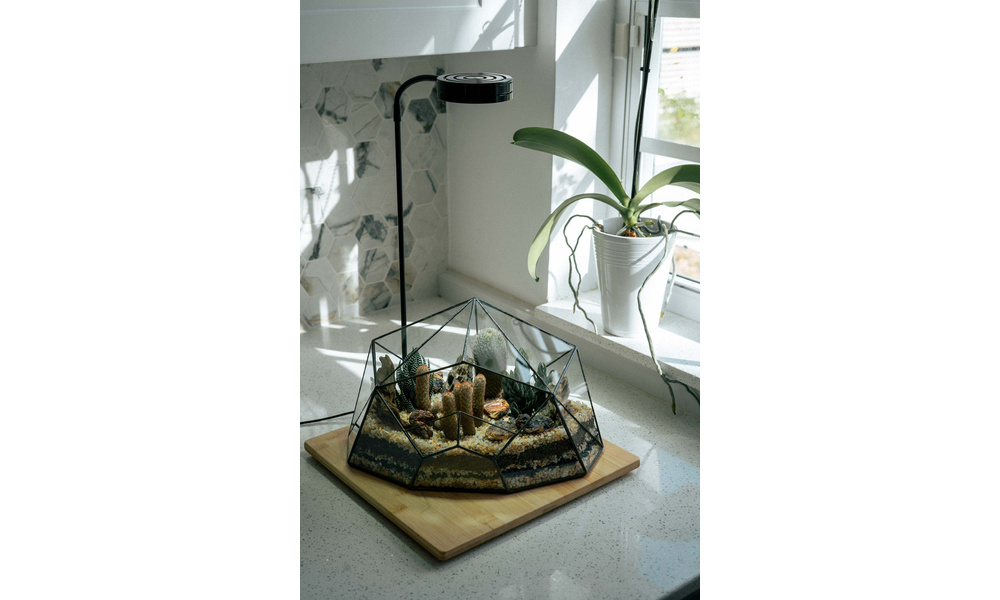
The significance of these glass objects lies partly in their changing relationship with light. A glass lampshade encloses color and light while a terrarium encloses plants and moisture and receives daylight from outside. Terrariums and glass lights both create intimate worlds behind transparent boundaries, and the material changes character with illumination, becoming translucent, luminous, and atmospheric.
Juan Giraldo continues this dialogue today. His geometric light sculptures recall the framework of a traditional leaded-glass window, while his enclosed botanical forms evoke the miniature ecosystems of the terrarium. They share the same artistic impulse: the desire to frame nature without completely separating it from the viewer. He celebrates transformation and resilience, and the search for beauty in all its forms, and invites us to cultivate both the inner and outer self. Alongside his studio practice, Juan is committed to sharing glassmaking traditions and techniques through teaching, mentorship, and collaborative workshops. Watch for details of his WMODA events in 2027.