
By Louise Irvine
As we celebrate America’s 250th birthday, we are highlighting two dynamic couples who created renowned American porcelain brands featured in the WMODA collection. Rose Cabat, encouraged by her husband Ernie, became a star of the Mid-Century Modern Movement and continued working until she was 100 years old. Edward Marshall Boehm, with the support of his wife, Helen, established the famous Boehm Porcelain Company in Trenton, New Jersey, which is still in business today.
Boehm Porcelain
Although Arthur Wiener began collecting famous British brands, such as Wedgwood and Royal Doulton, he became enamored of Boehm Porcelain around 15 years ago and has built an outstanding collection of their birds, flowers, and animals. Two remarkable Boehm elephant sculptures were featured in our Elephant Safari exhibition, and their birds were celebrated in our 2019 Flights of Fancy exhibition. Arthur continues to collect their intricate fine porcelain sculptures, and some of their tropical flowers will be included in our upcoming enchanted garden exhibition.
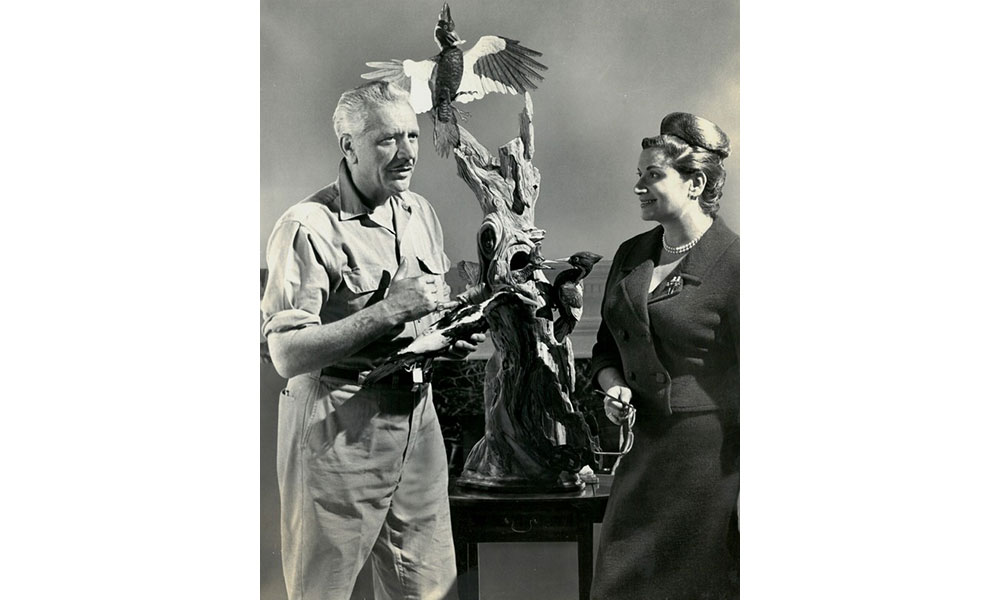
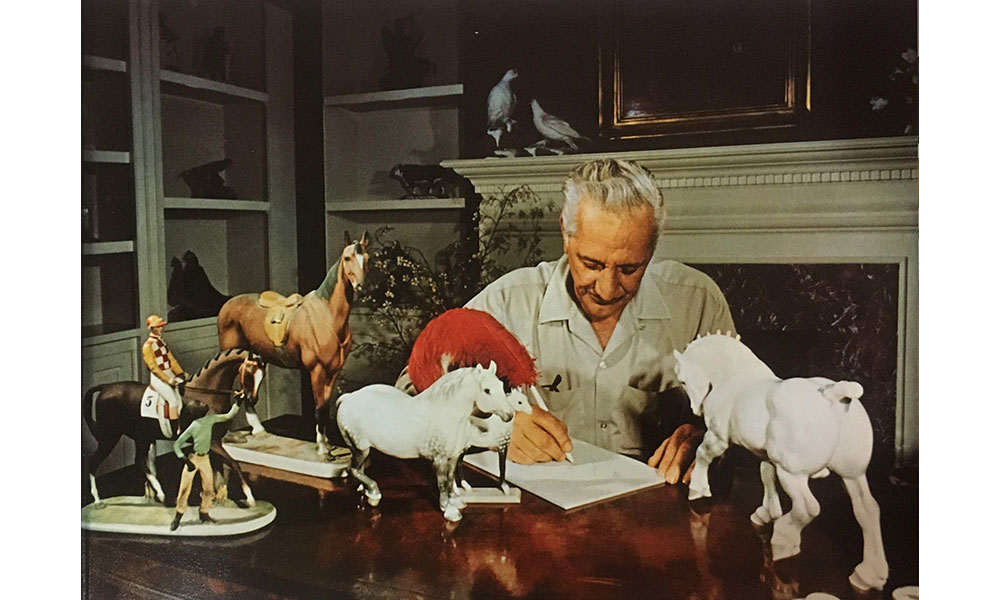
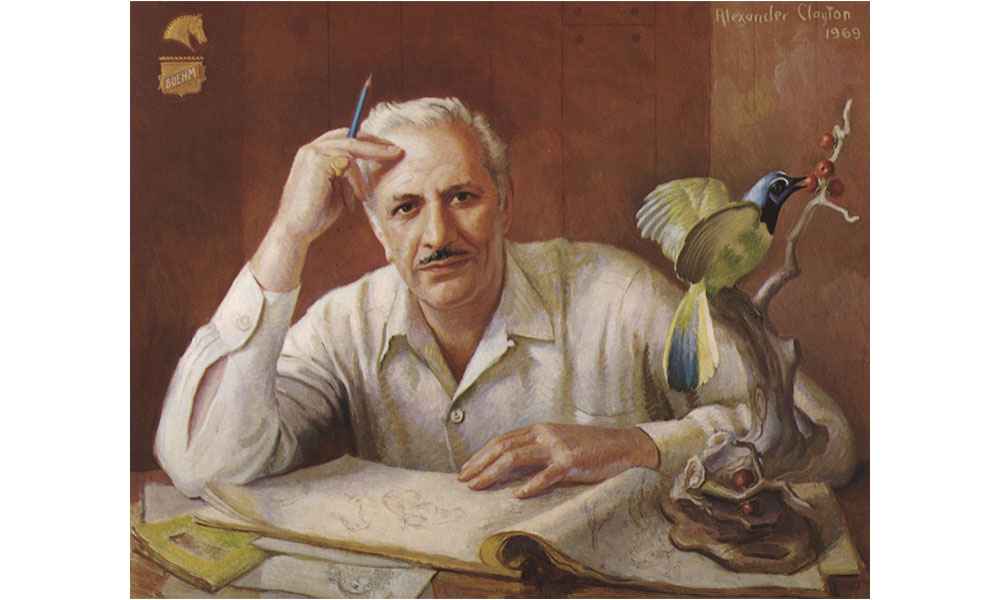
Orphaned at an early age, Edward Marshall Boehm developed a keen interest in the observation and sketching of animals and birds. After finishing school, he began working in farm management and exhibited prize cattle at agricultural shows. In his spare time, he modeled clay figures of cattle and horses. Wishing to give his sculptures permanence and color, Boehm undertook the study of ceramics, particularly porcelain. He soon focused his attention on sculptures of birds and flowers, creating an aviary and garden on the Delaware River to study live specimens.
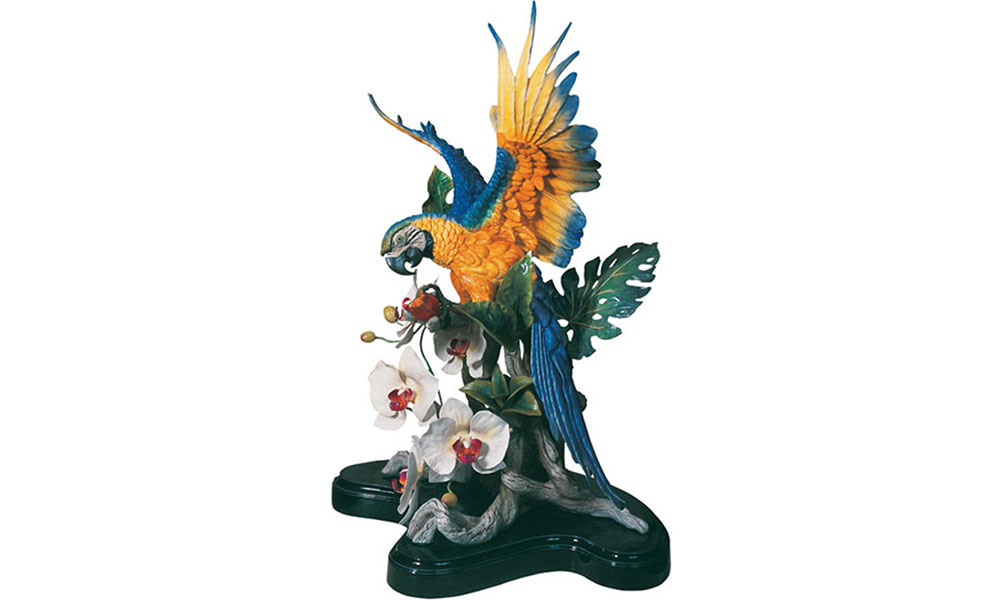
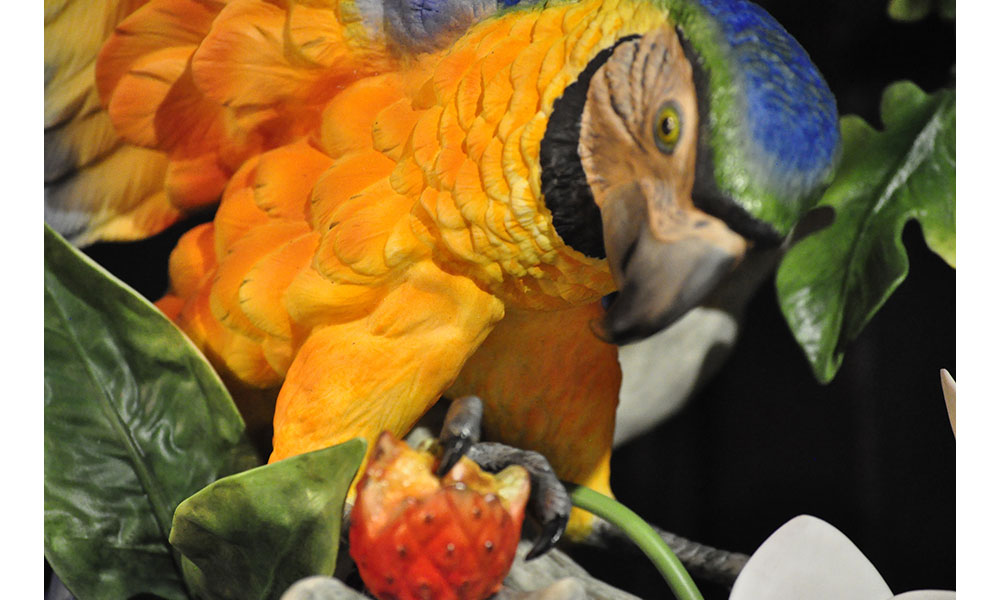
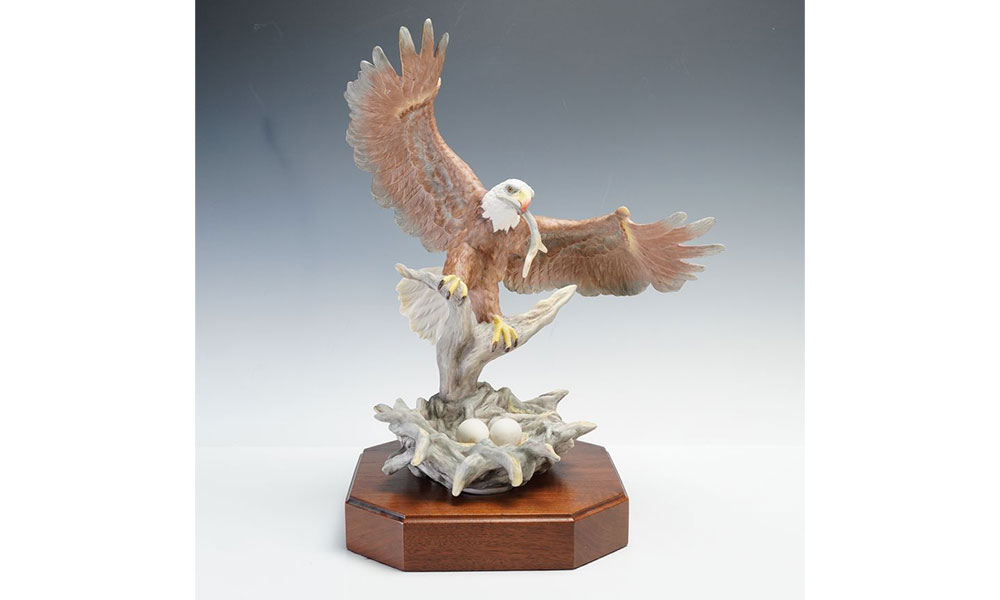
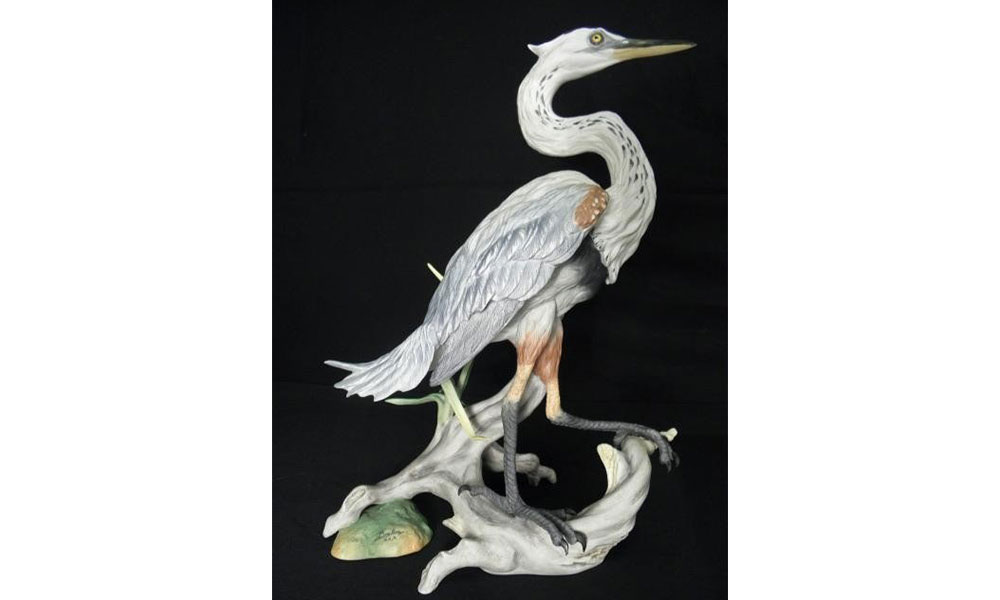
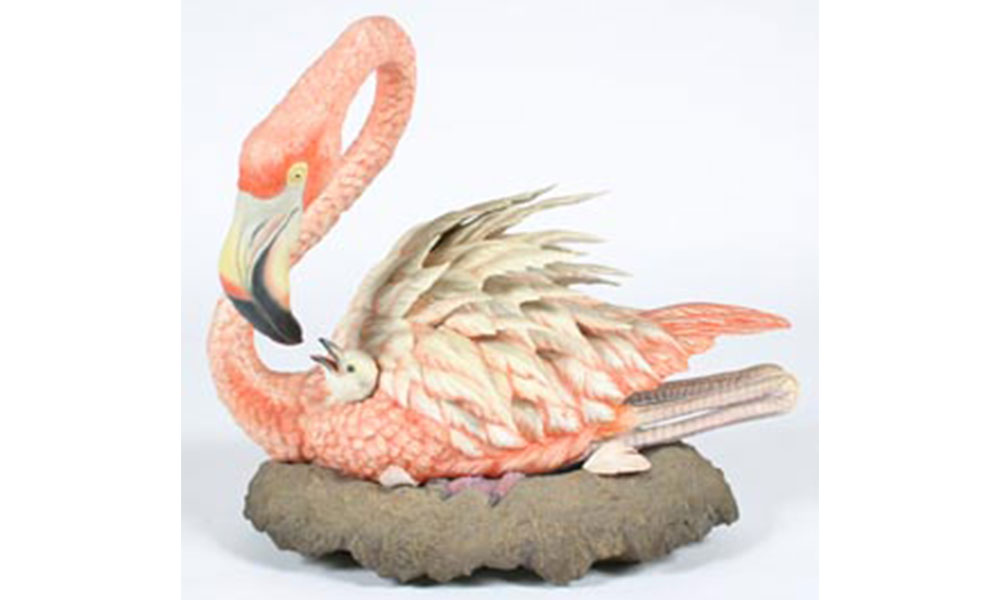
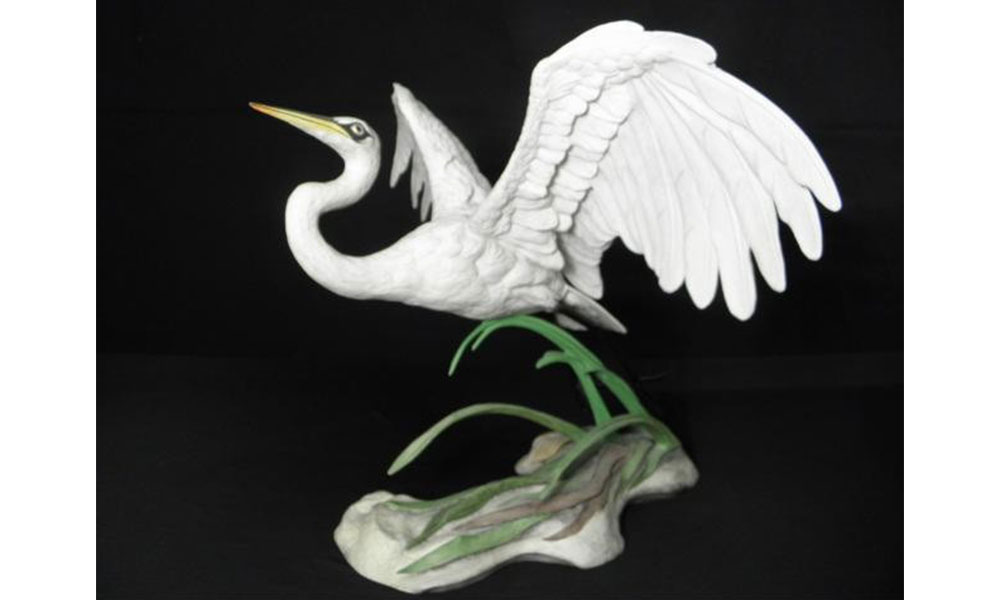
Edward’s wife, Helen, handled the commercial side of the business. Initially, she knew nothing about porcelain, having trained as an optician. However, in 1950, she raised money from one of her eyeglass clients to start the Boehm studio and encouraged her husband to pursue his art professionally. She proved to be a brilliant marketer for Boehm’s creations. She sold two of his first pieces to the Metropolitan Museum, and soon, private collectors and art galleries alike were drawn to Boehm’s stunning representations of nature.
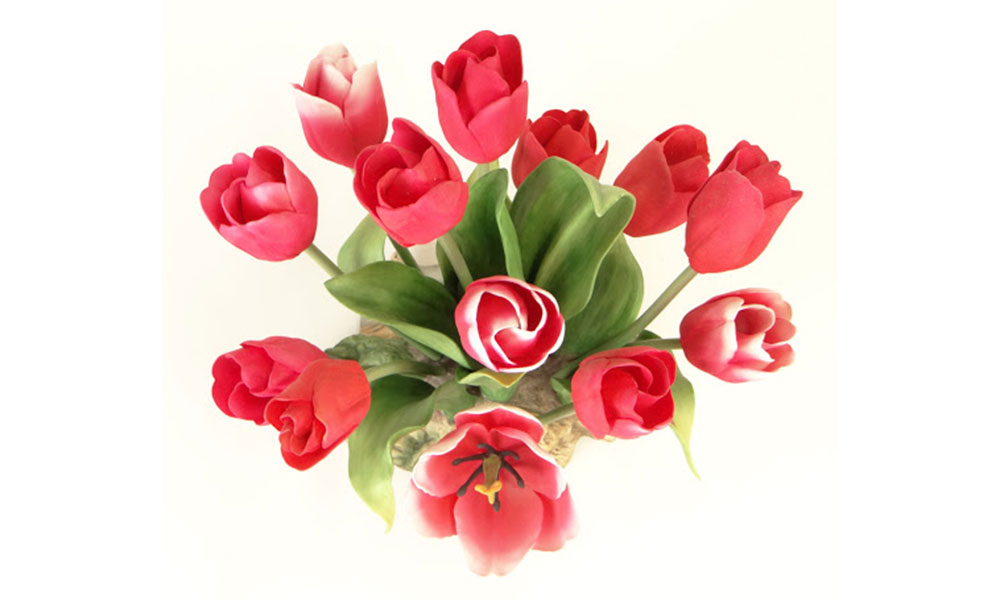
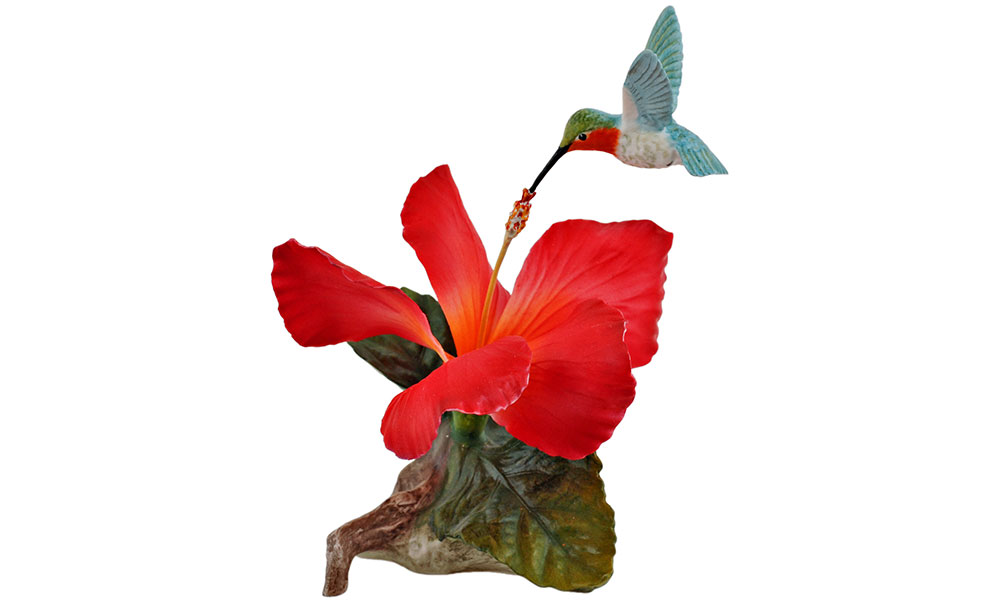
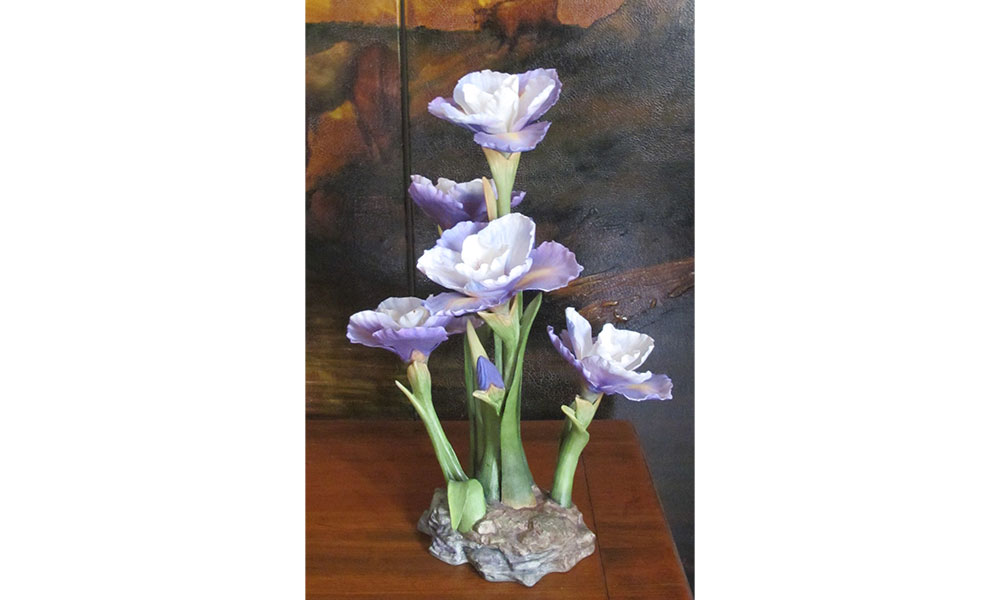
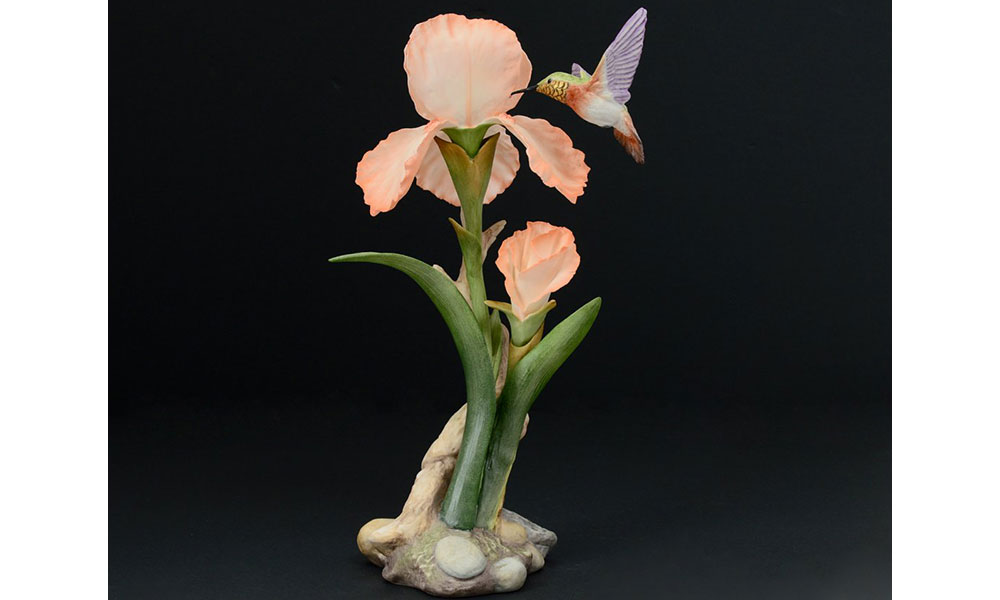
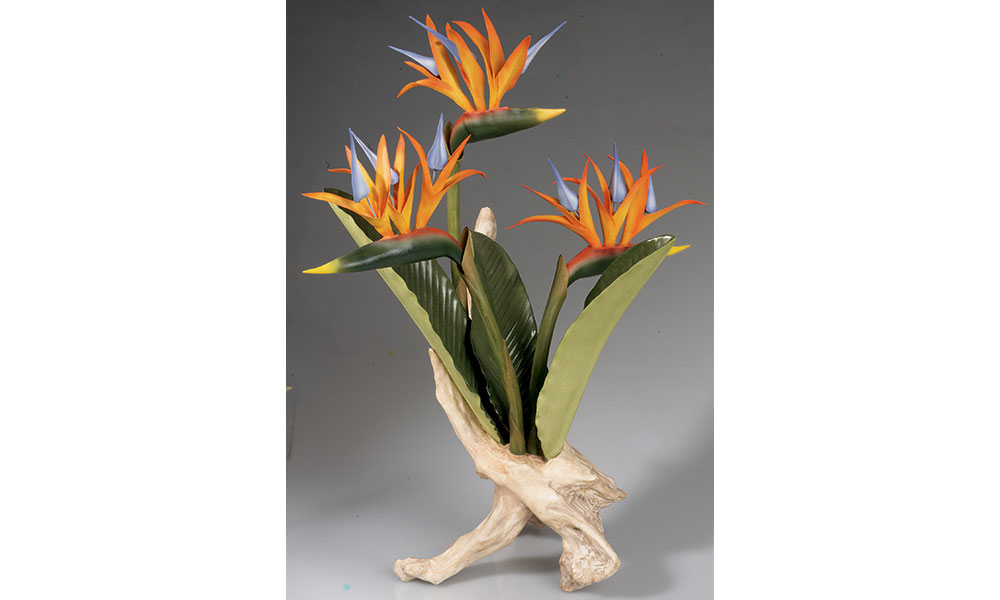
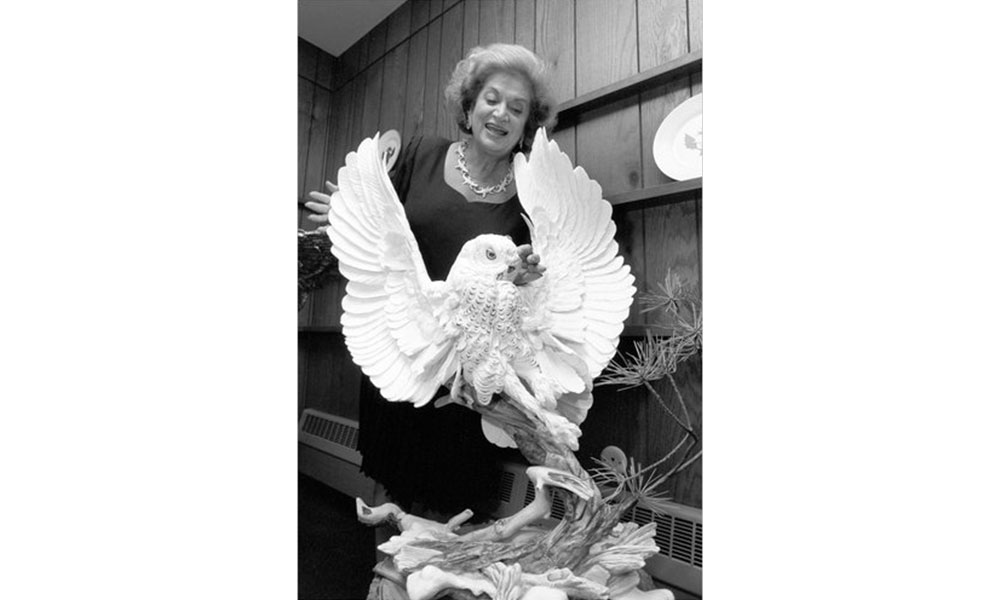
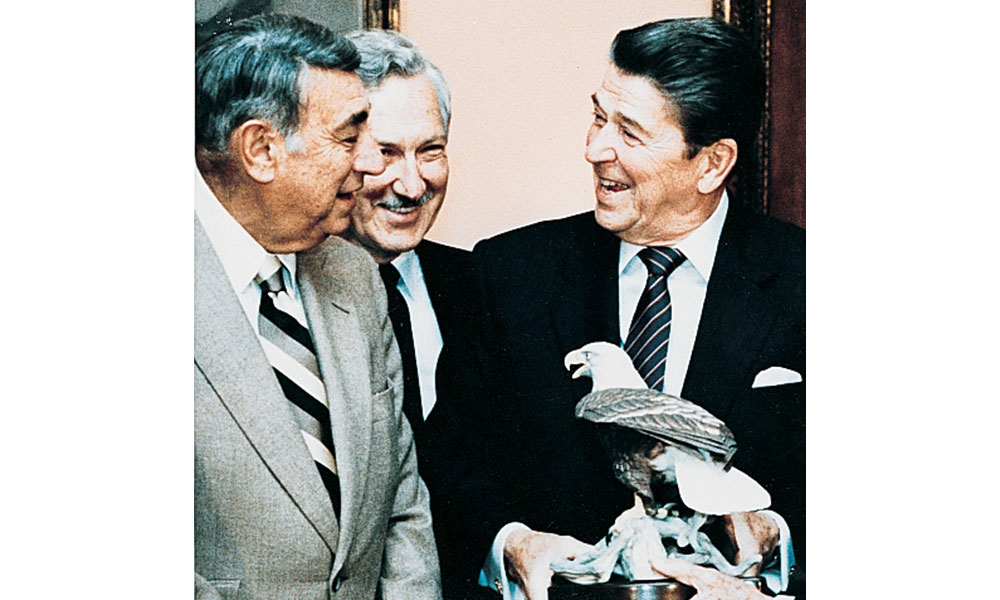
Boehm porcelain was sold in high-end stores such as Bonwit Teller and Tiffany’s in New York. In 1954, Helen Boehm wrote to the first lady, Mamie Eisenhower, and was invited to the White House to present a porcelain sculpture of a bull. Since that date, every US President, from Eisenhower to Obama, has been given a Boehm porcelain sculpture thanks to Helen, who continued to run the studio after Edward died in 1969. She traveled the world promoting Boehm and arranged state gifts for international leaders and foreign dignitaries. She entertained Pope Paul VI during his visit to the United States in 1976, and subsequently, rooms were named in the Vatican Museum for Edward Marshall and Helen Boehm in 1992.
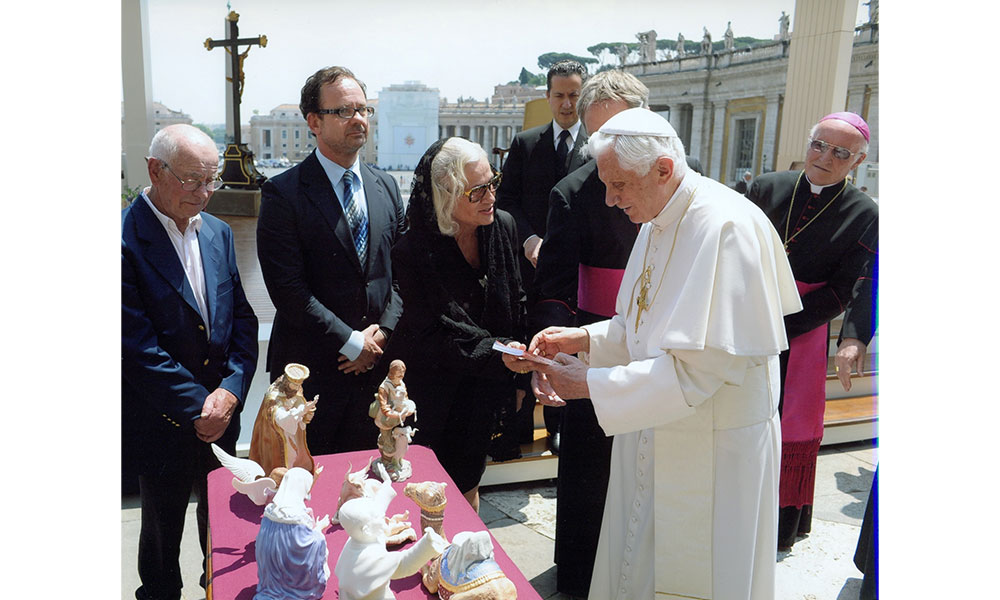
Helen once said, “Edward made the birds, but I made them fly.” The crowned ‘Princess of Porcelain’ died in 2010 at the age of 89, and the company was taken over by Sharon Lee Parker, a close family friend and long-time collector. In 2011, Sharon was invited to the Vatican to meet Pope Benedict XVI and present him with a presepio of nativity figurines along with a special gift for the Pontiff’s desk – a porcelain bust of Pope John Paul II created for his impending beatification. Sharon became a great friend to WMODA, and many pieces from her personal collection came to the museum when she left her Florida home.
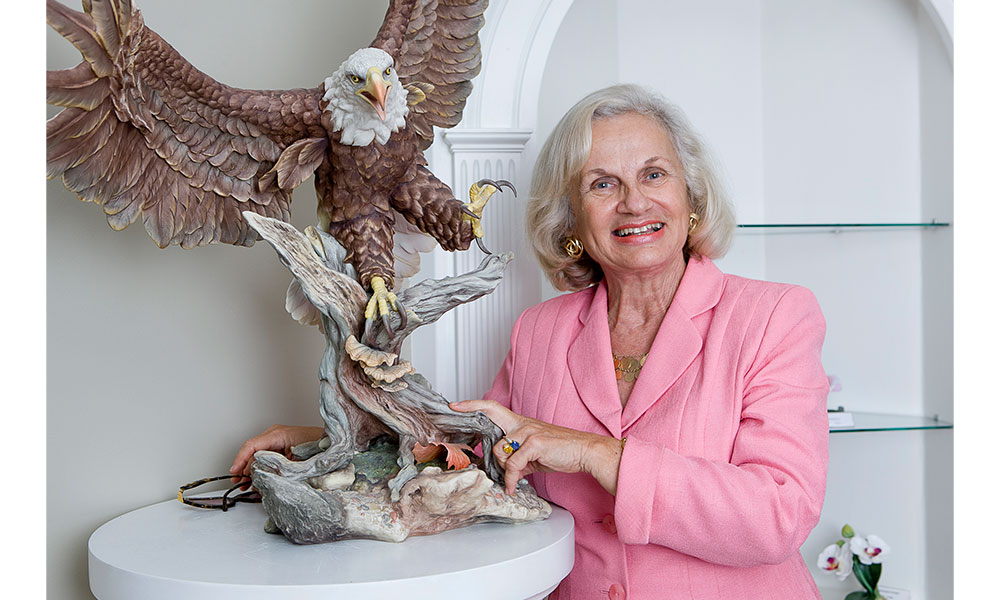
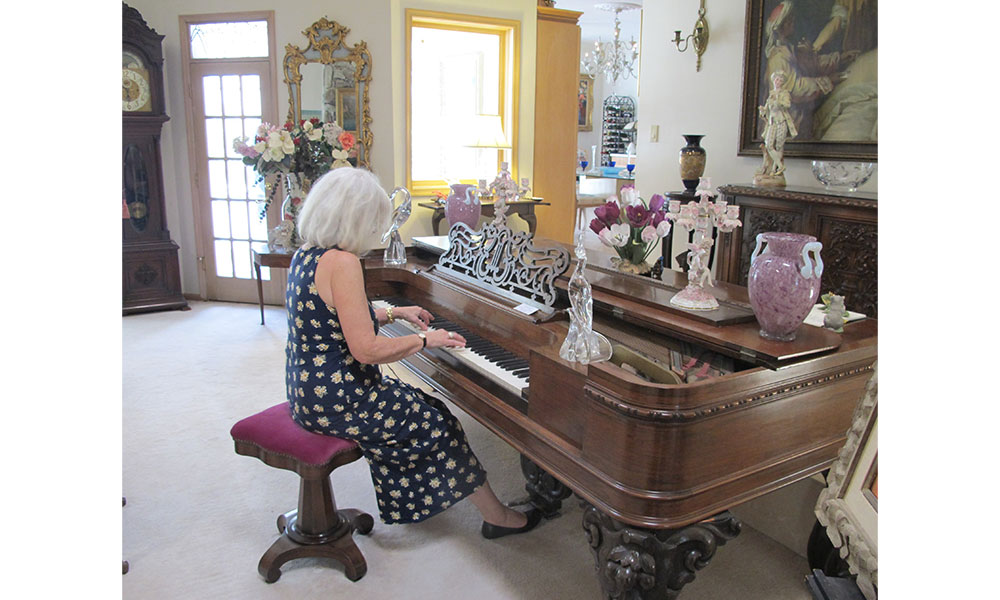
Sharon also donated her rare Chickering Square Grand piano to the museum in memory of her husband George, whose family owned the Concord Hotel in the Catskills. Sharon worked in guest relations at the hotel for 30 years, and the piano was played by many famous stars, including Neil Sedaka.
Rose Cabat
Rose and Erni Cabat were a dynamic duo in the world of mid-century American ceramics. Rose became interested in making pottery when Erni, a commercial artist, brought home a potter’s wheel shortly after they were married. He became her artistic mentor and provided creative and technical support. They set up a home studio when they moved to Tucson, Arizona, in 1942, and initially, Rose created practical pottery to support her family.
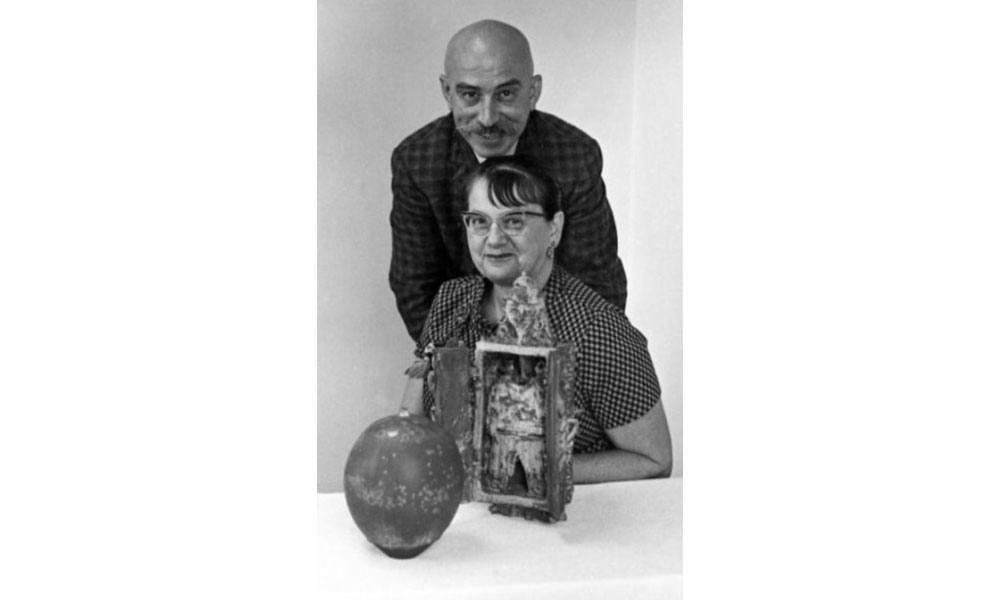
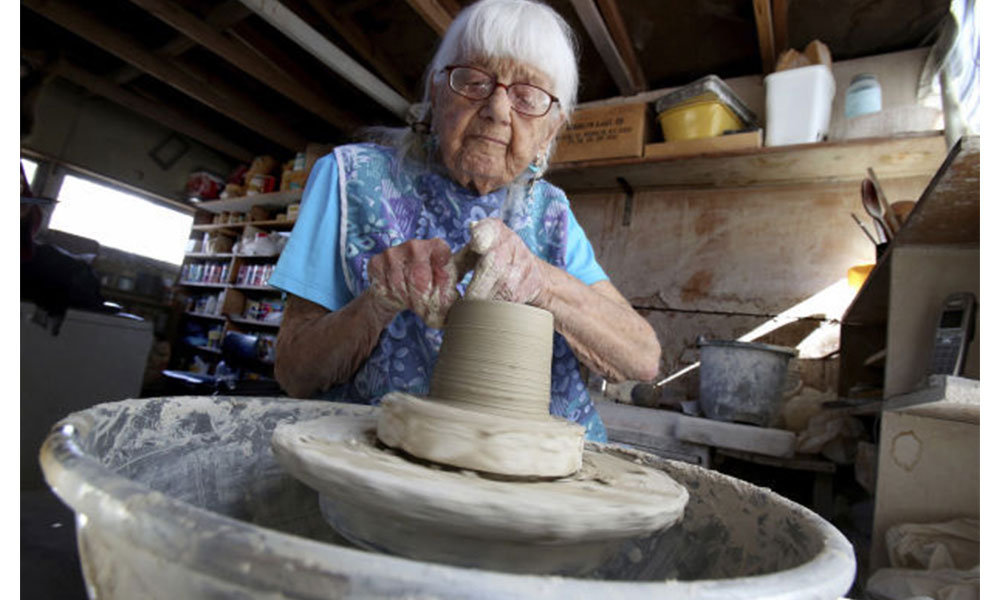
In 1956, Rose and Erni took a pottery glazing class at the University of Hawaii and began developing innovative glaze formulas, which were applied to small bulbous porcelain pots, in the form of onions and figs. Rose called them her “Feelies” because of their tactile qualities, sensuous, textured surfaces, and silky-smooth glazes. They were exhibited in prestigious venues, during the 1960s and 70s, including the Museum of Contemporary Crafts (now the Museum of Arts and Design) in New York and the Los Angeles County Museum of Art. The Tucson Museum of Art loaned one of Rose’s iconic Feelies to Vice President Walter Mondale during his tenure in office for display at his official residence, Number One Observatory Circle. His wife, affectionately known as “Joan of Art, was an avid potter and an advocate for American art, which she showcased in official government spaces.
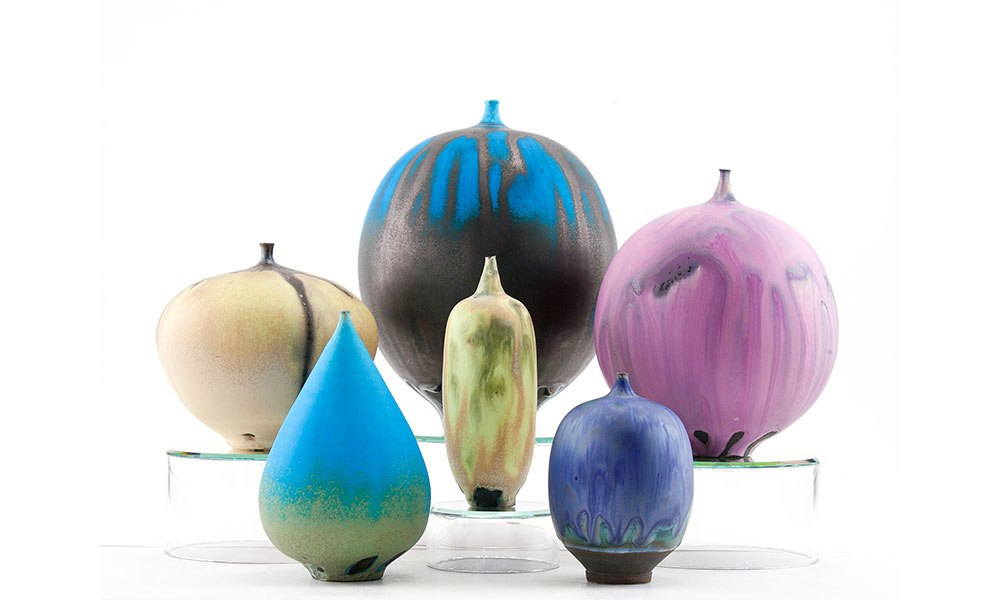
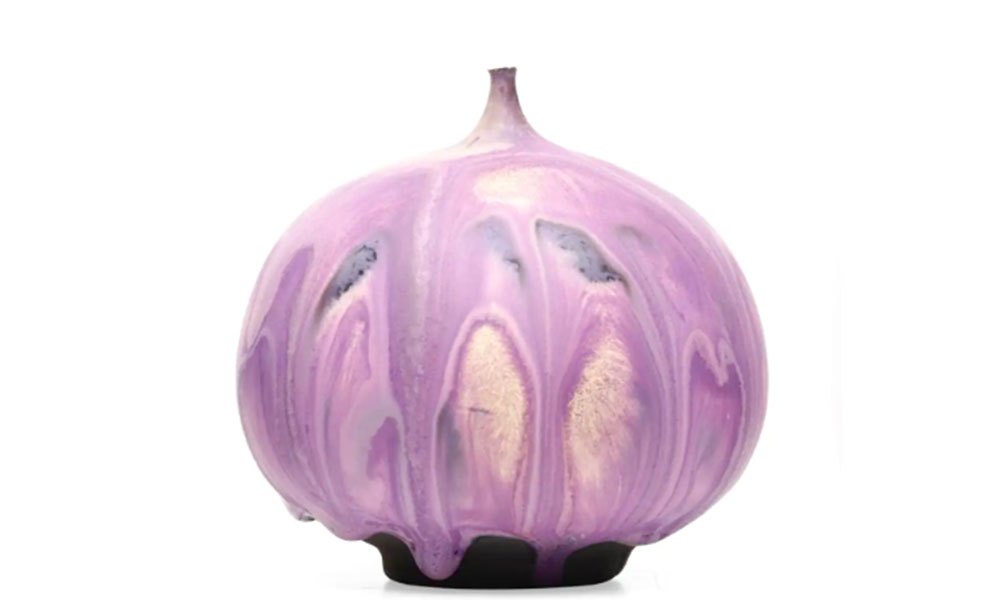
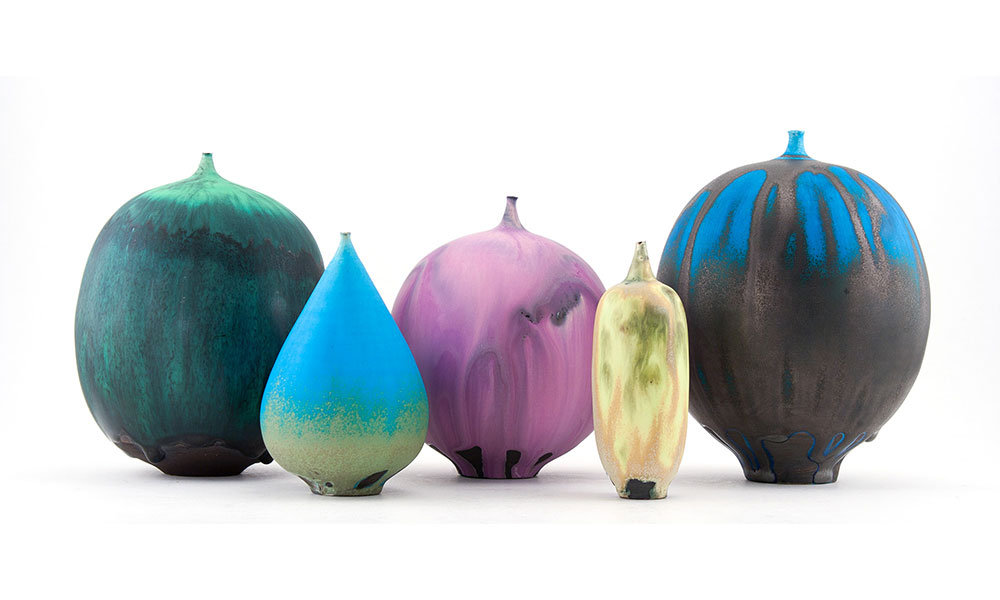
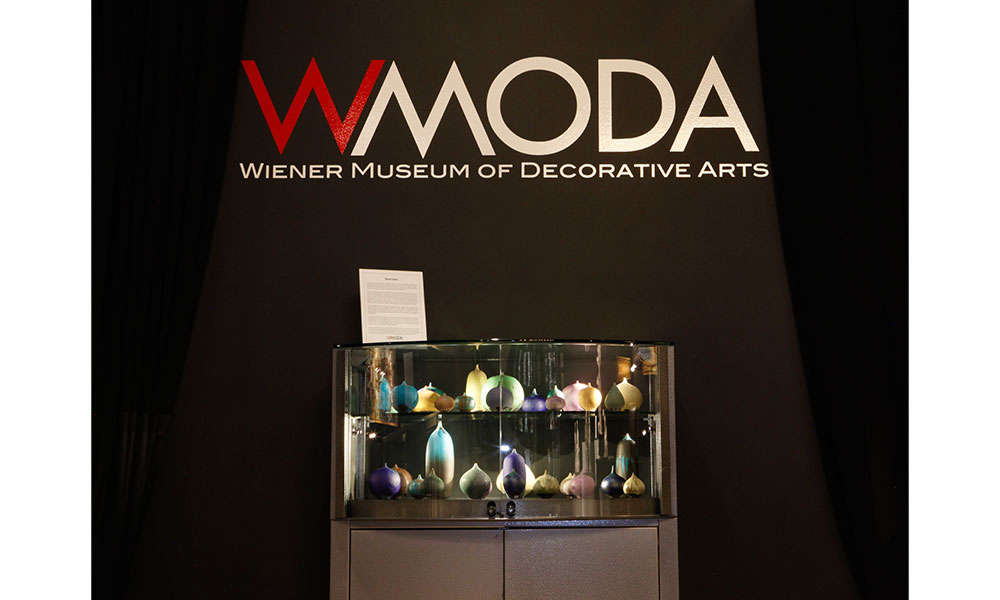
After Erni’s death in 1994, Rose continued to create her Feelies and continued working at the potter’s wheel until her 100th birthday. We celebrated the oldest working potter in America with an exhibition of her work when WMODA first opened in 2014. Arthur Wiener has collected over 50 of her innovative porcelain Feelies, and they are now a highlight of the museum’s Contemporary Ceramics Gallery in Hollywood.
Read more about Rose Cabat
Rose Cabat Feelies
Read more about Boehm birds
Birds on the Boardwalk
Bird Watching at WMODA