By Louise Irvine
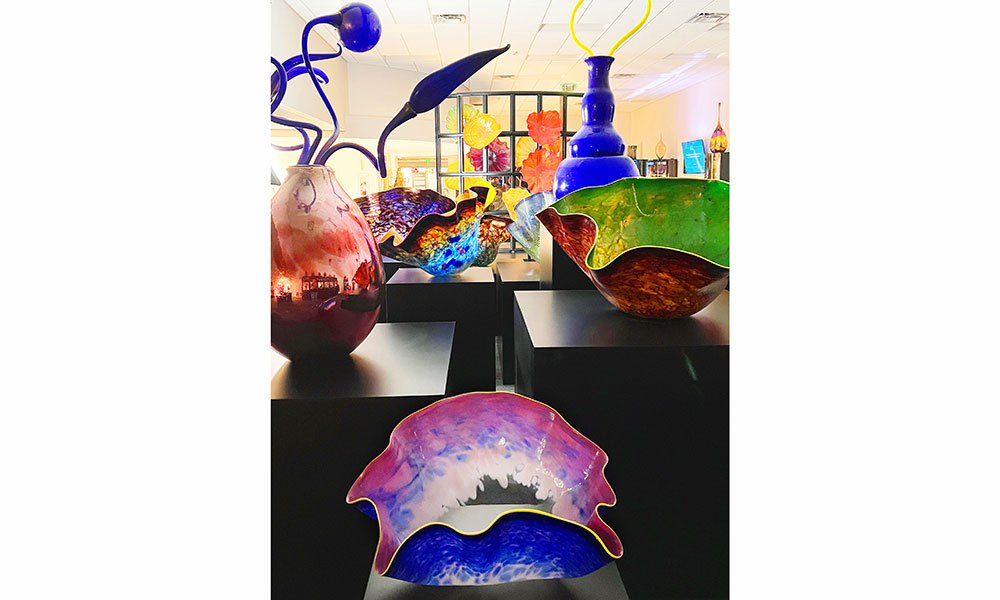
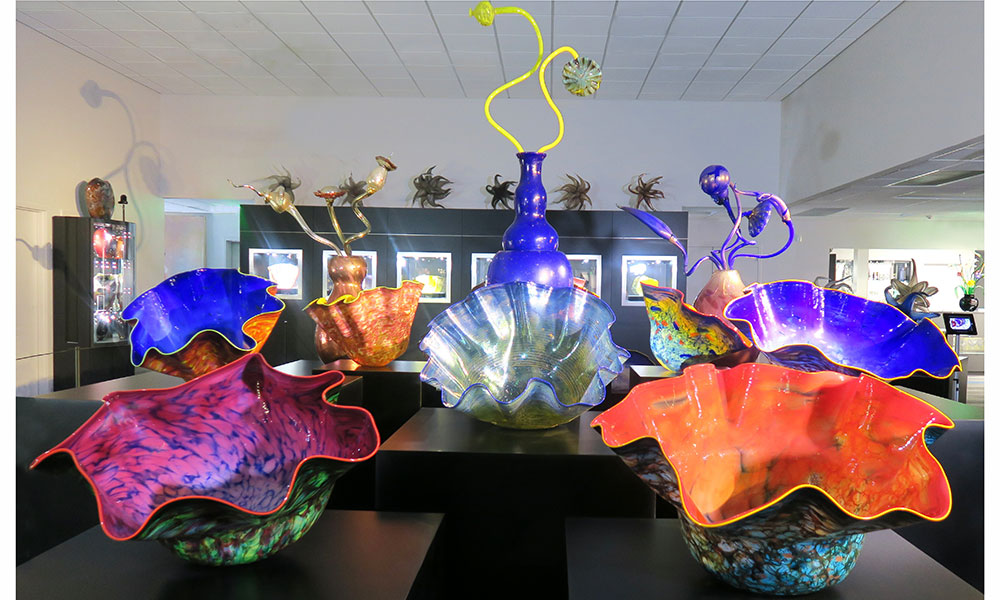
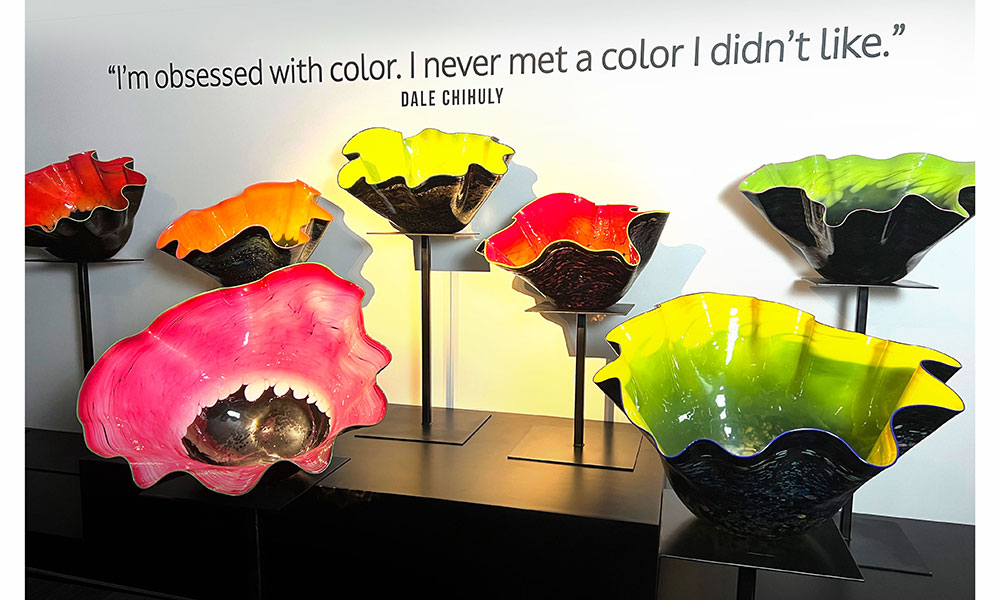
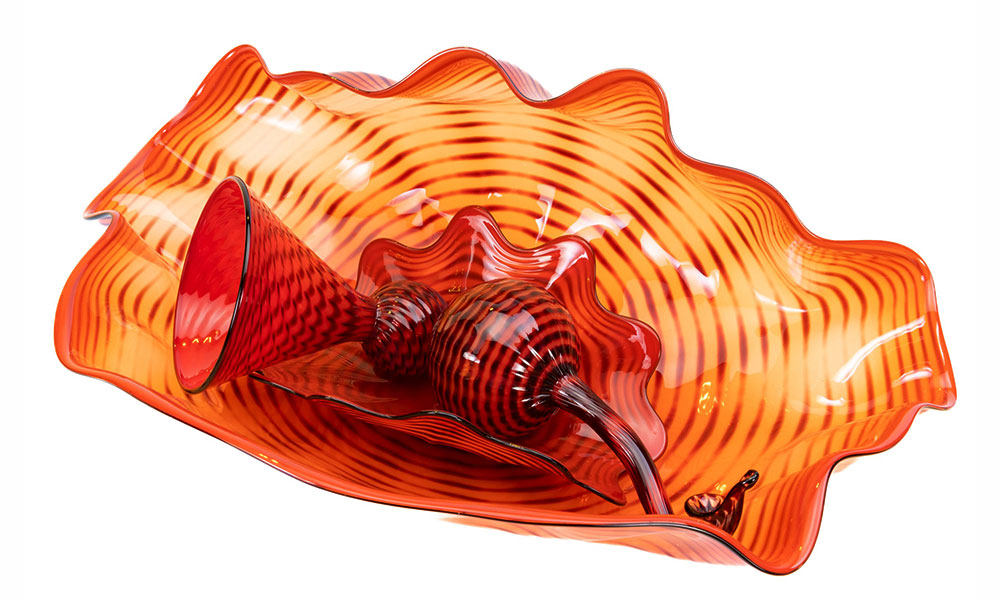
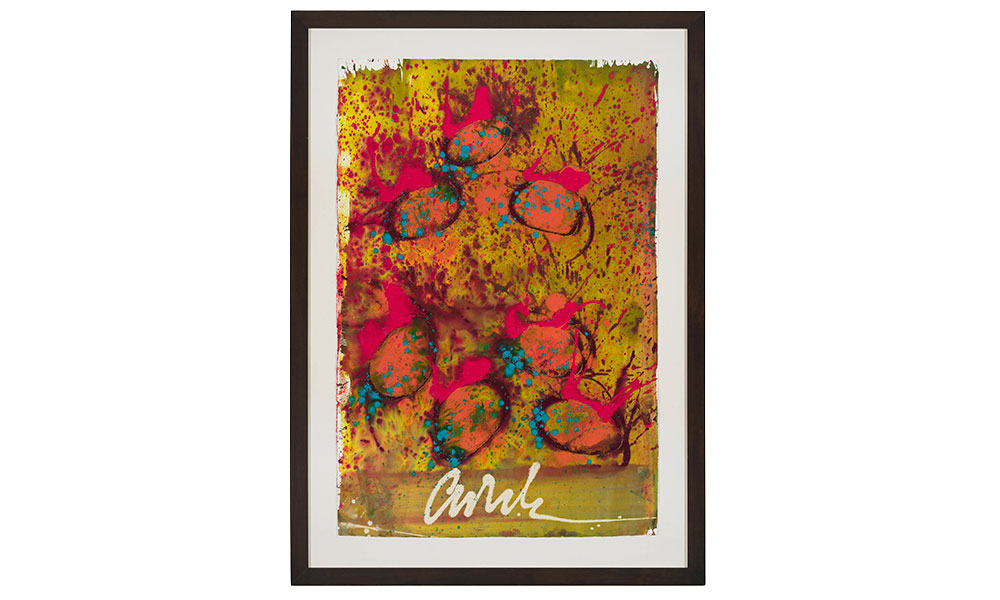
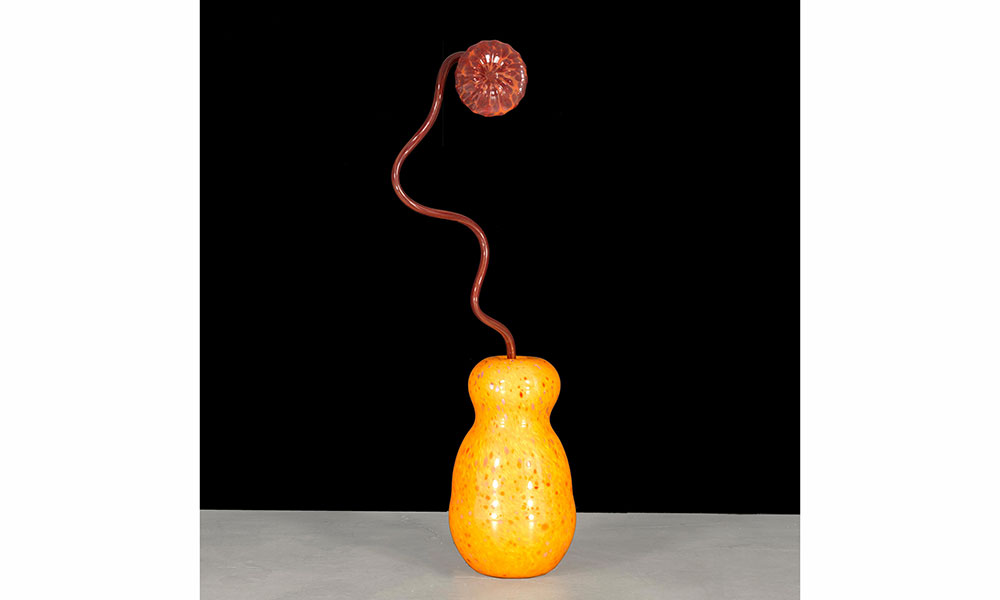
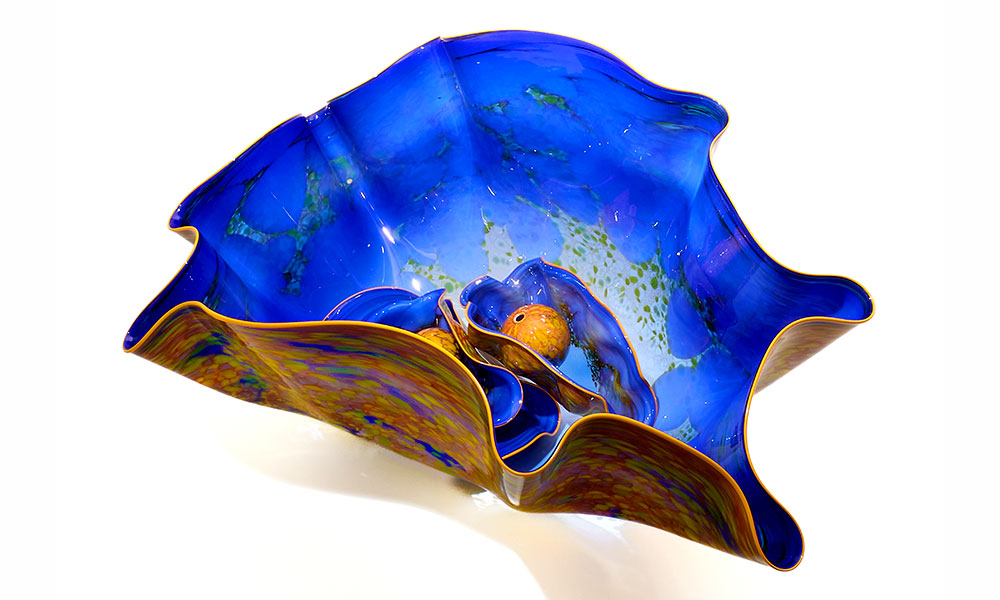
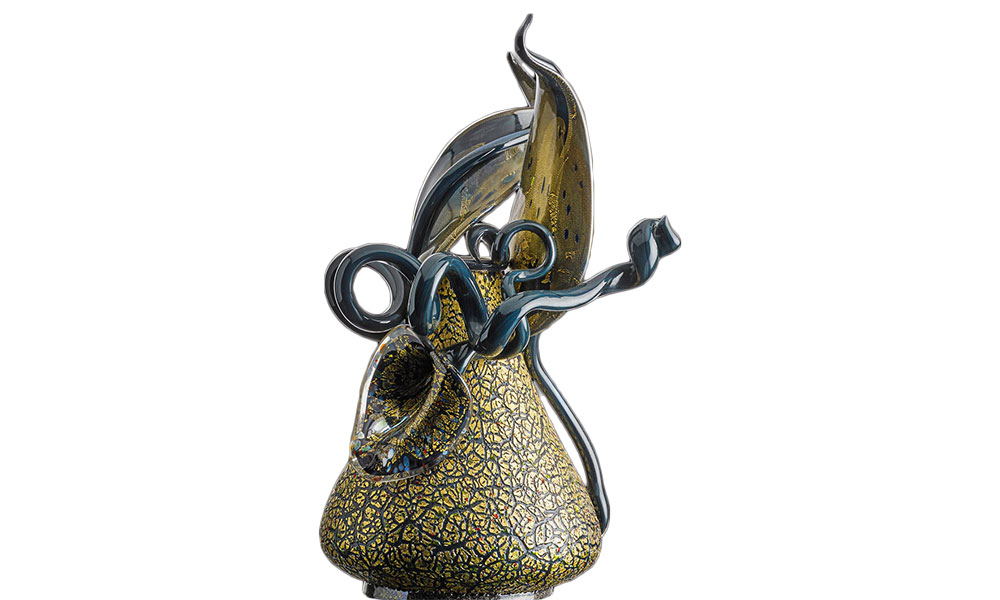
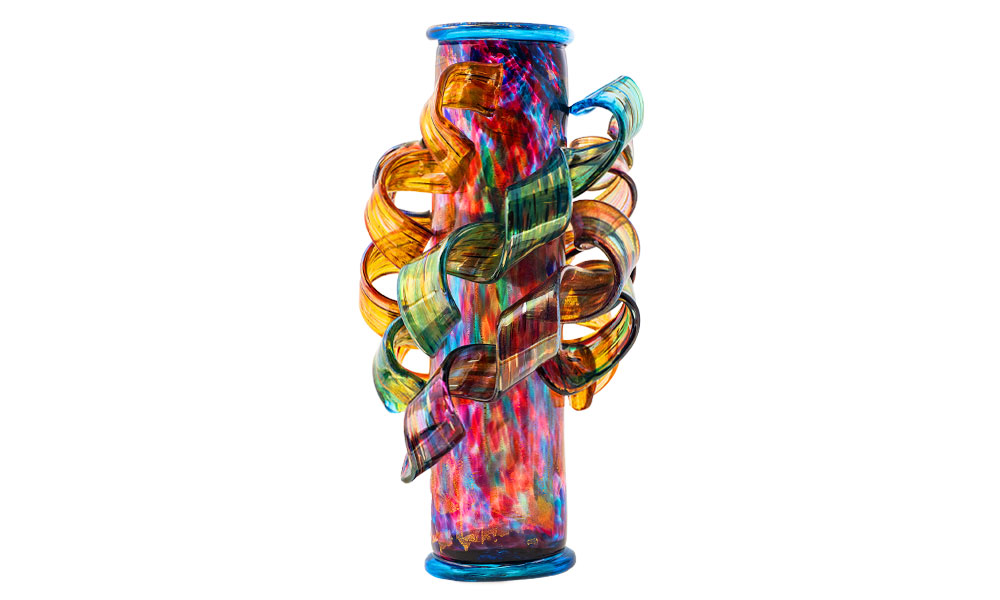
Dale Chihuly is considered the visionary pioneer of the American Studio Glass Movement. Through constant experimentation and boundary-breaking projects, Chihuly has changed the way the world thinks about glass. No longer just a functional material, glass has become an exciting and compelling medium for artistic expression. The Hot Glass Gallery at WMODA in Hollywood is proud to showcase one of the largest collections of Chihuly’s work in America, as well as spectacular work by his mentors, collaborators, assistants, and students.
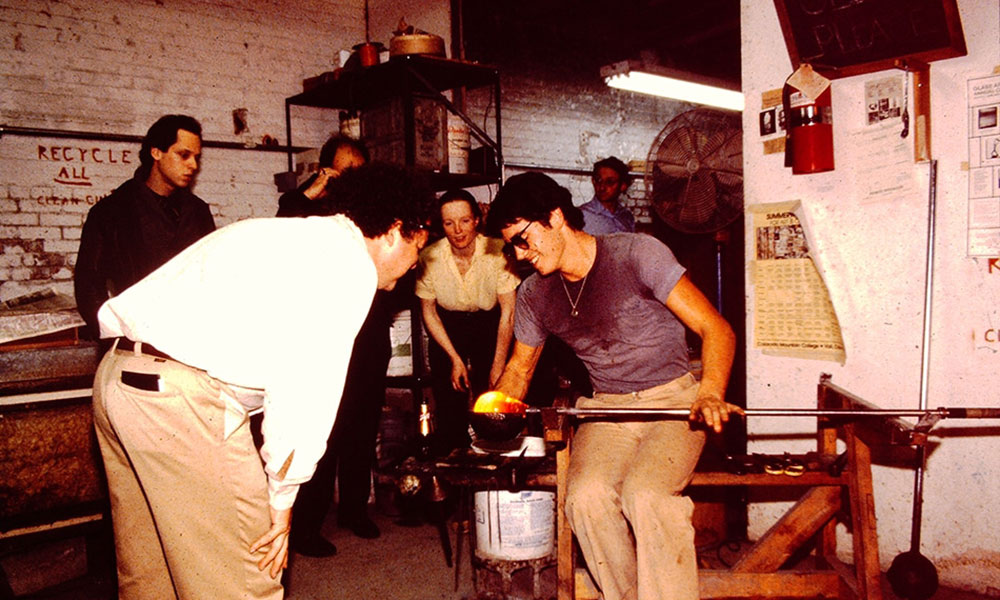
In 1965, Dale Chihuly enrolled at the University of Wisconsin’s glass program, founded by Harvey Littleton, whose teaching emphasized glass as an art form rather than a craft. With Dominick Labino, Littleton changed the trajectory of glassblowing in America by developing new molten-glass formulas and small furnaces that were easier for artists to work with in studio spaces, rather than factory settings.
Chihuly continued his studies at the famous Venini glass factory in Murano, Italy, in the late 1960s. He was the first American artist to study there, thanks to a Fulbright scholarship, the US government’s international academic exchange program. In Venice, Chihuly learned various glassblowing techniques, notably the collaborative team model, which enabled him to create ambitious, large-scale projects.
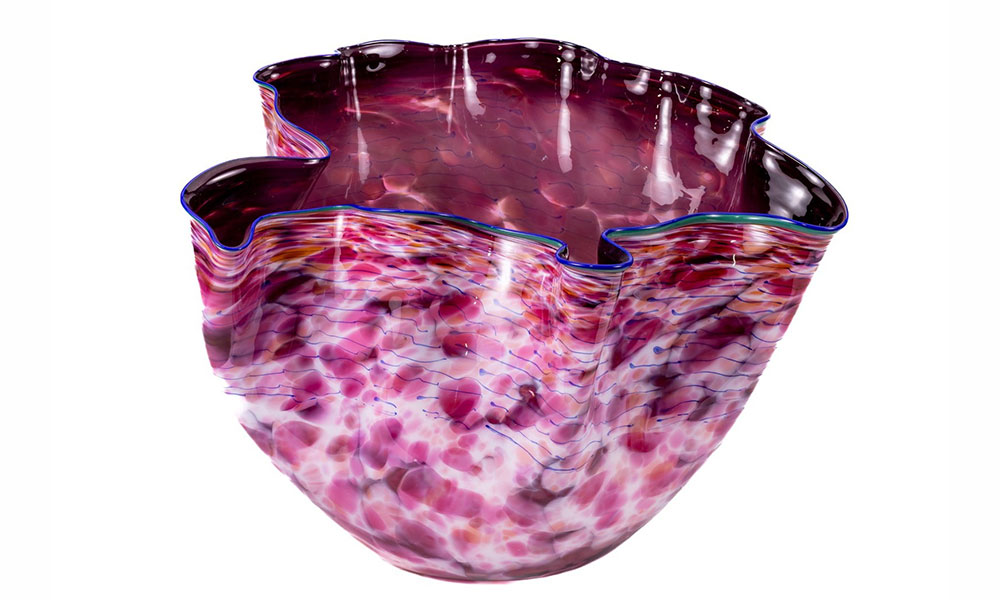
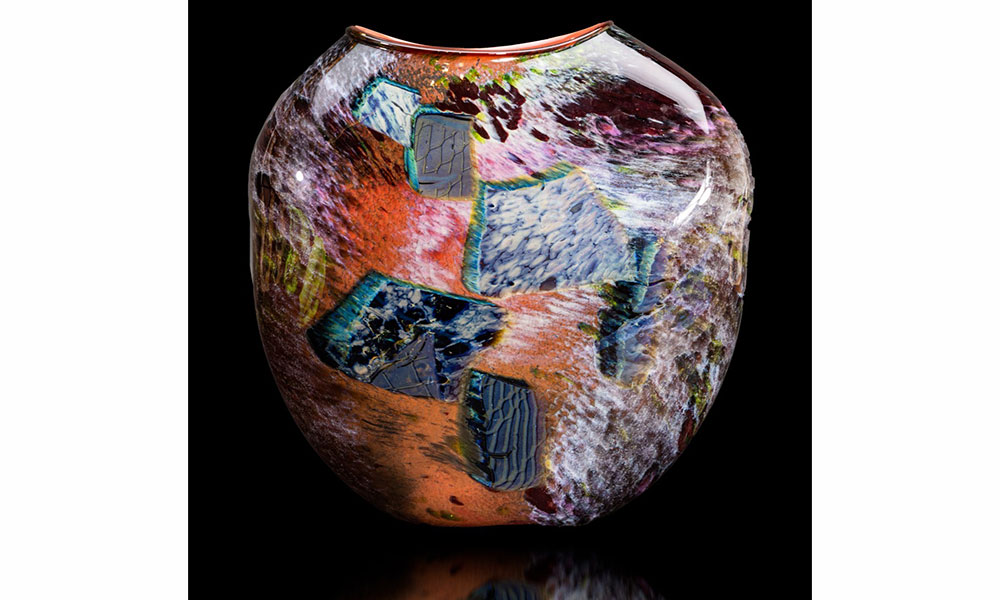
He returned to America inspired to create new types of glass art, including his iconic Macchia and Venetian vessels. He continued experimenting with molten glass to create unrestrained organic forms and vibrant translucent colors, capturing light, movement, and the spirit of nature.
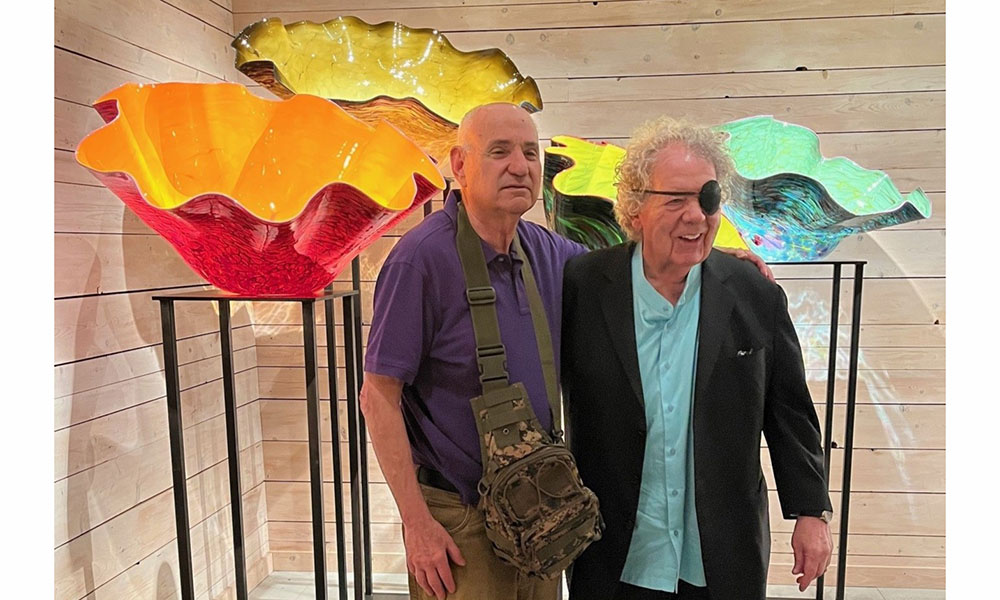
Chihuly’s influence soon spread through his innovative work and enthralling teaching techniques at the Rhode Island School of Design. One of his early students, Toots Zynsky, described the RISD hot shop scene. “Hot glass slipped through the air, pulled and stretched. There was music and the furnaces were roaring. . . and everyone was working in concert. . . It was this material that hadn’t been widely explored as an artist’s medium. Everything was possible, and there was so much to be discovered. There were no rules. You could do anything you wanted.”
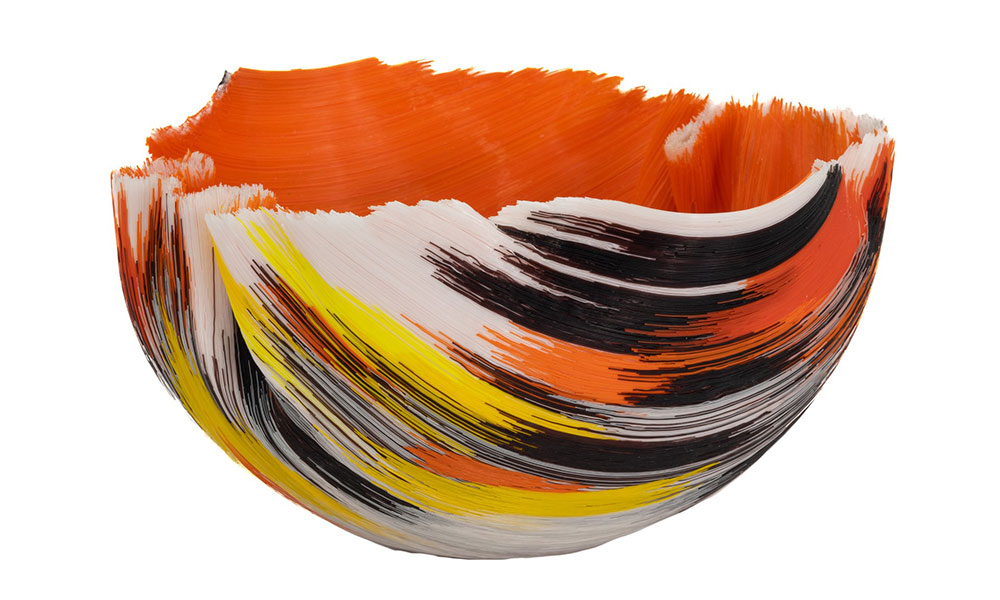
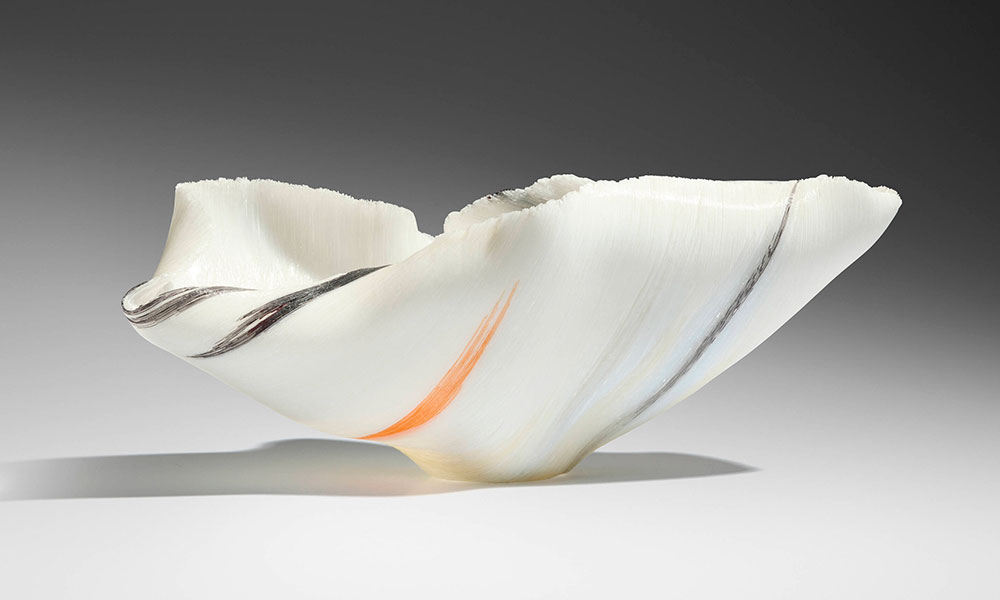
In the summer of 1971, Chihuly brought some of his friends and students, including Toots Zynsky, to his home state of Washington, where he co-founded the Pilchuck Glass School in the foothills of the Cascade Mountains. Zynsky continued her experimental work at Pilchuck after she graduated, using glass in video and performance art. Later, she developed her signature filet de verre process using hair-thin threads of fused glass.
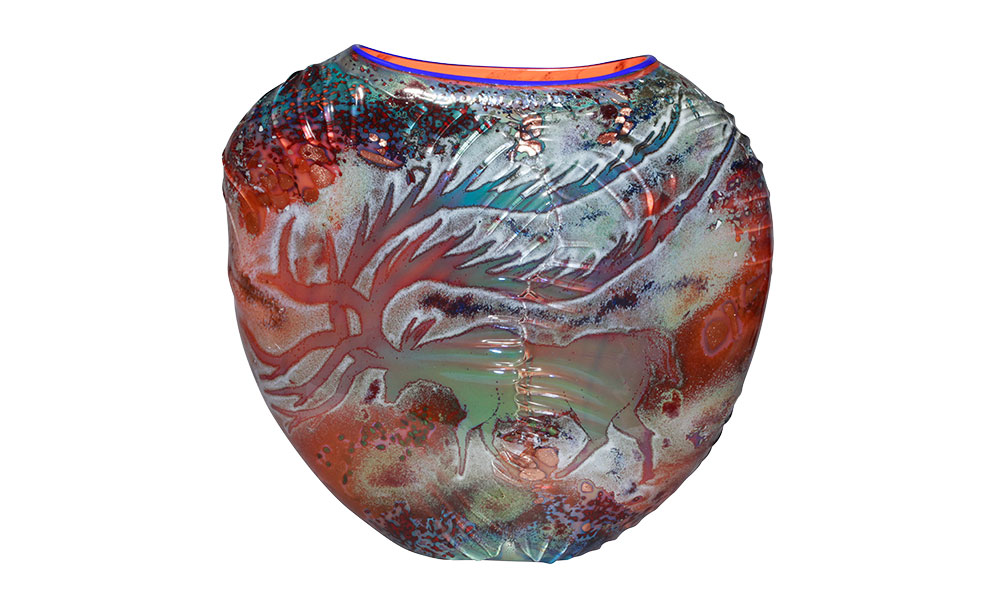
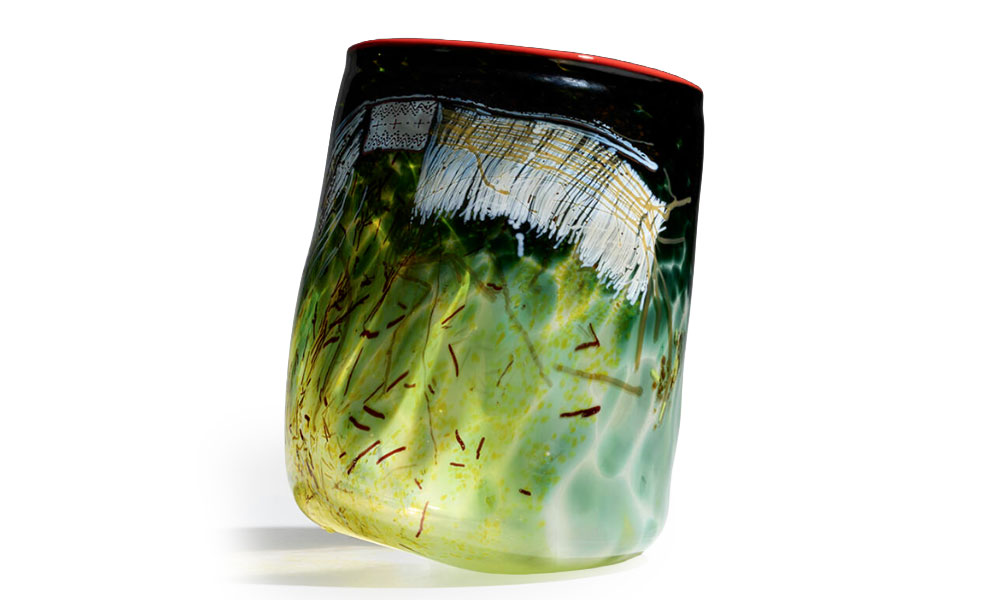
Chihuly also inspired William Morris, who began working as the school’s truck driver in exchange for glassblowing lessons. Morris soon became Chihuly’s chief gaffer and a leading instructor at the Pilchuck hot shop. Living in a treehouse in the surrounding forest, Morris developed his own distinctive style during the 1980s, inspired by ancient artifacts such as cave paintings and stone circles.
In 1979, Chihuly invited Lino Tagliapietra, the Murano maestro, to teach at Pilchuck, which was no easy feat as Venetian glass techniques and methods had been closely guarded secrets for centuries. The American Studio Glass movement owes a huge debt of gratitude to this brilliant man, acclaimed by Chihuly as the “greatest glassblower in the world.”
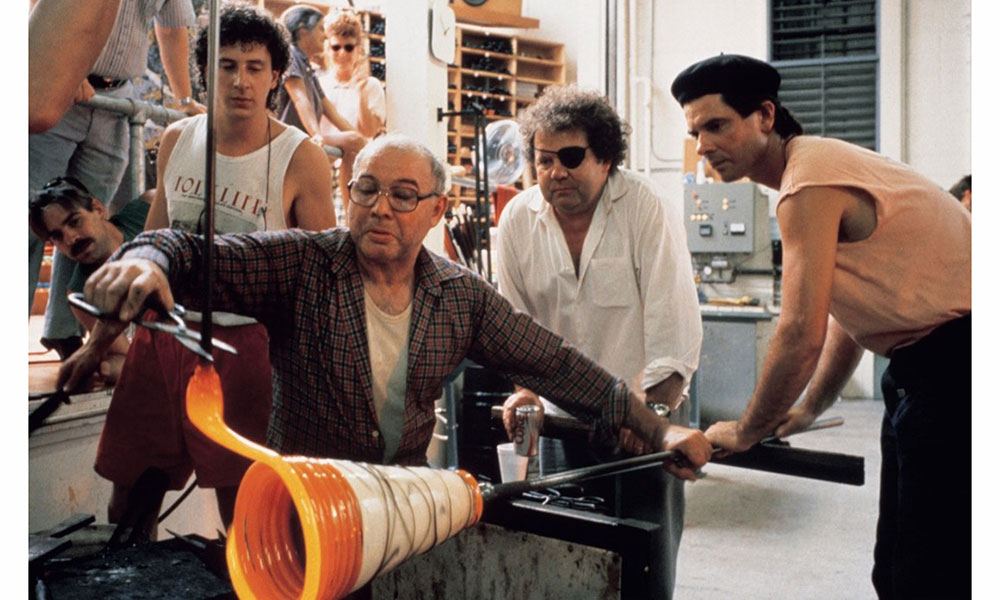
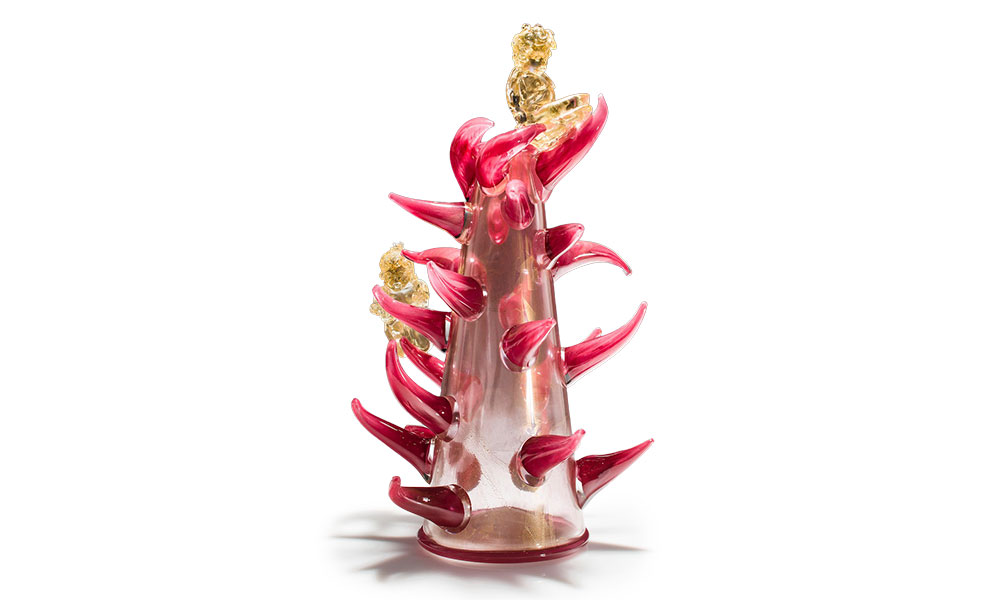
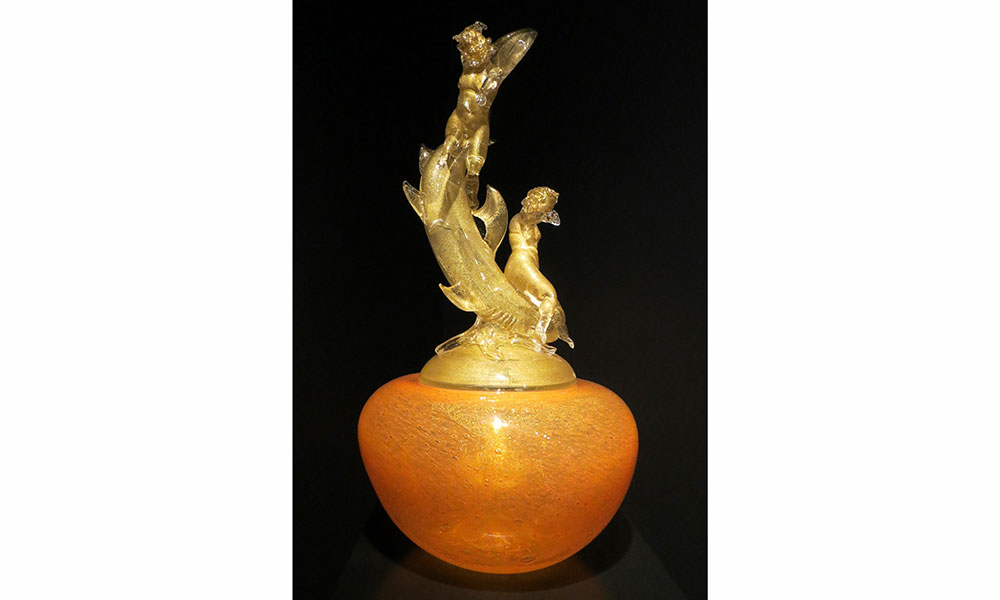
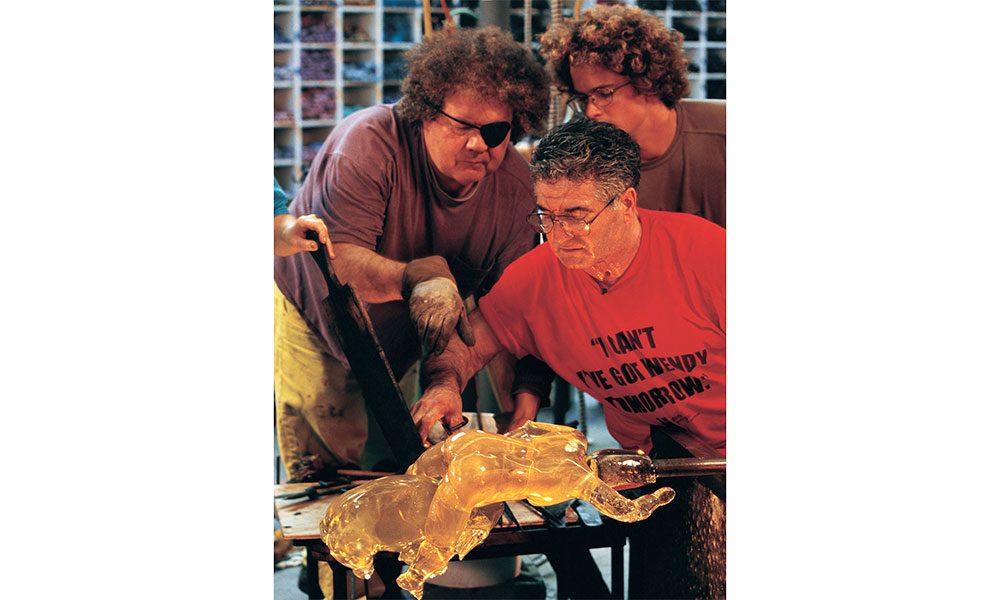
Pino Signoretto, another celebrated Muranese glass sculptor, also taught at Pilchuck beginning in 1989 and, over the years, shared his vast expertise, knowledge, and passion with young American artists. In his words, “I want to take away that barrier between teacher and student. We are all walking along the same road.” Signoretto also collaborated with Chihuly, creating hot-glass sculptures to embellish blown-glass vessels, notably the Venetian Putti series.
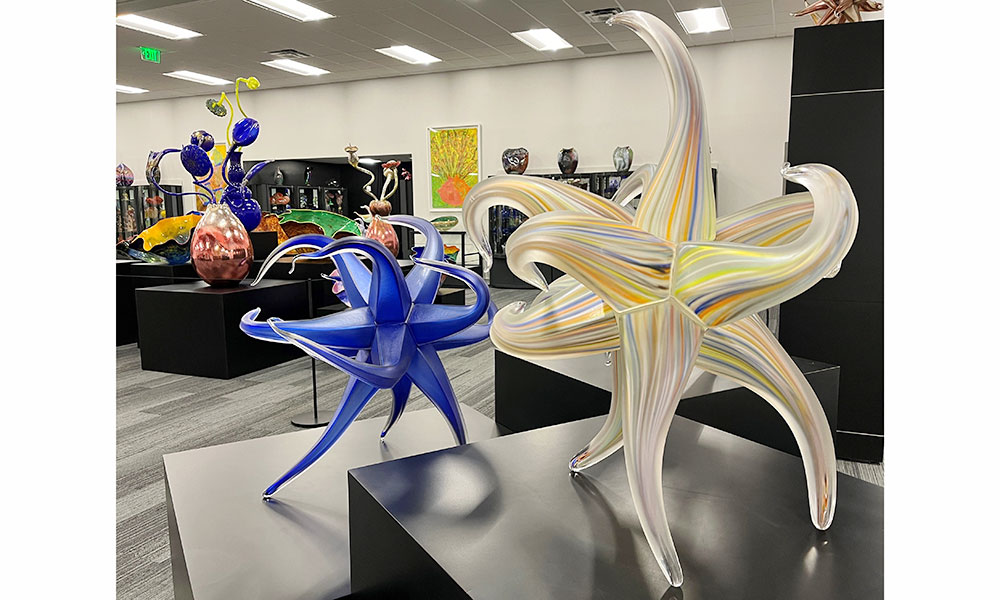
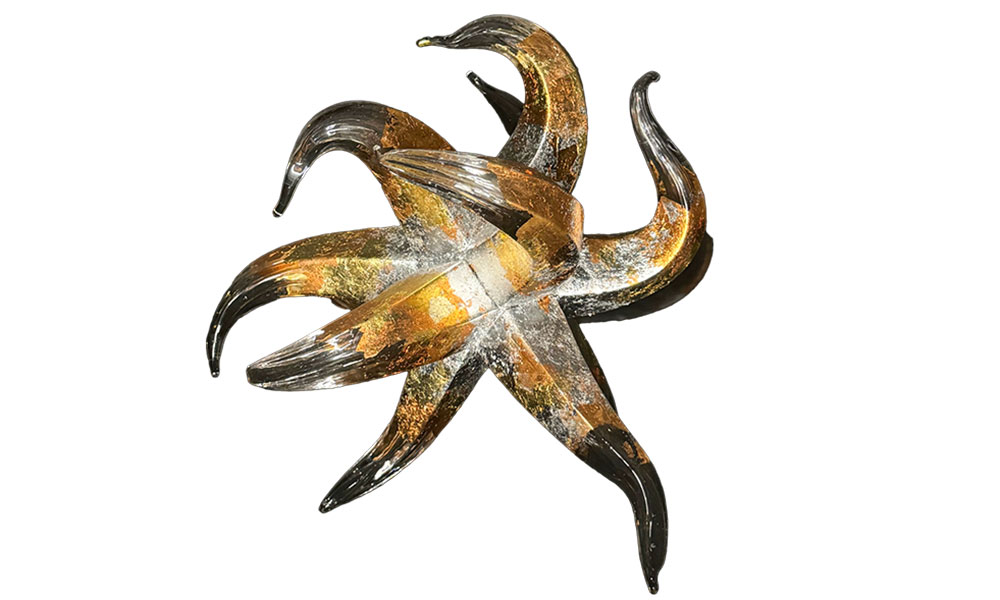
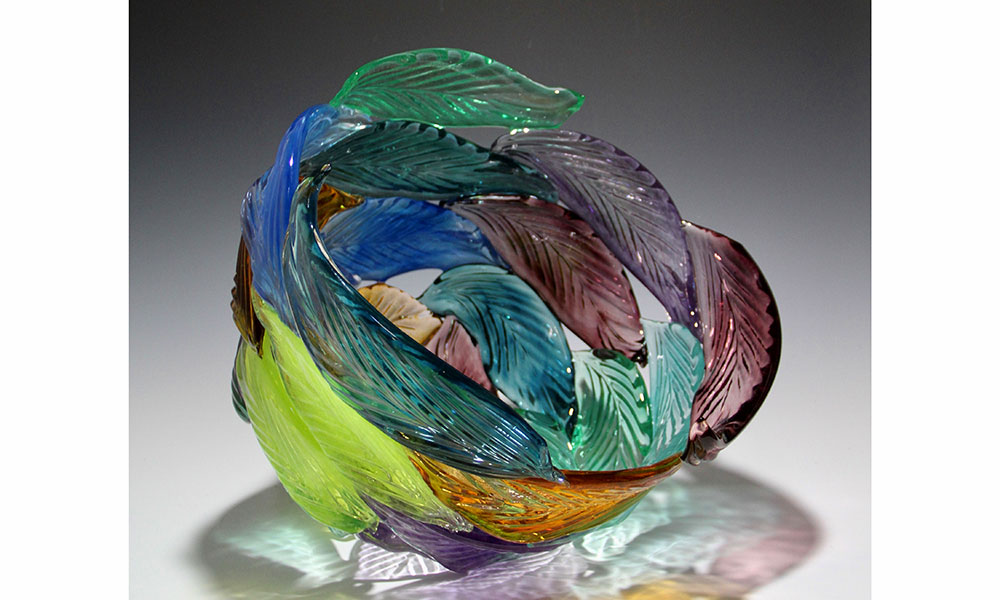
Florida glass artist, Rob Stern, benefited greatly from Pino’s teaching and was in the hot shop on the day that Dale, Lino, and Pino first began working together on the Venetian series. Rob Stern has pursued a stellar career as a glass sculptor, teacher, and regular contributor to the ongoing success of Pilchuck. His monumental stars, shells, and leaves are among his most iconic art forms, which have been avidly collected by Arthur Wiener, founder of WMODA. Stern’s studio is located near the museum, and he also blows glass at the Benzaiten Center for Creative Arts in Lake Worth Beach, a fertile ground for both new and established Florida artists to explore the artistic possibilities of glass.
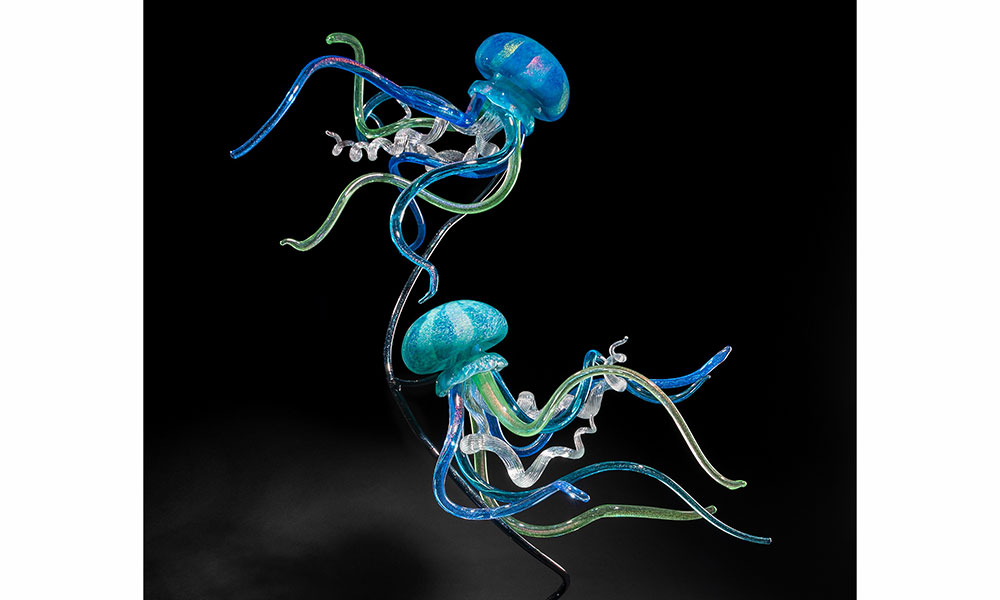
Josh Fradis also creates his brilliant glass sculptures at Benzaiten, including jellyfish, turtles, and foam-crested waves, which are a highlight of the Splash! exhibition at WMODA. New to WMODA is the work of Jason Christian, an integral member of Chihuly’s Studio in Seattle since 2008. He has spent 18 amazing years working with the tight-knit Boathouse team on exciting projects. Their most recent adventure took them back to Venice for this year’s Biennale, marking the 30th anniversary of the Chihuly Over Venice exhibition.
Chihuly’s grand-scale environmental installations have redefined glass as a creative material, and he continues to infuse new energy into the glassmaking process. His legacy and the story of the American Studio Glass Movement live on in the Hot Glass Gallery at WMODA in Hollywood, honoring this American Fired Arts hero as the nation celebrates its 250th birthday.
Read more…
Chihuly – A Colorful Icon
Chihuly Experience
Art on Fire – the Chihuly Connection
All Fired Up
Rainbow Glass
Petroglyphs in Glass · William Morris
Lino’s Dinos
Putti by Pino
Who’s Who – Rob Stern
Josh Fradis – The Journey of Two
Dragons of Fire