Open Wednesday - Sunday 10am to 4pm • Closed Monday & Tuesday

Unforgettable Elephant Day

World Elephant Day on August 12 is dedicated to the preservation and protection of the world's elephants, and since 2011, it has been recognized by over 100 wildlife organizations in countries across the globe. This year’s theme is Matriarchs & Memories, which pays tribute to the wisdom of female elephant leaders who remember, protect, and guide. We celebrated a month early at WMODA on July 12 when we heard about Dr. Daniella Chusyd’s remarkable work with African elephants.

An Elephant Never Forgets

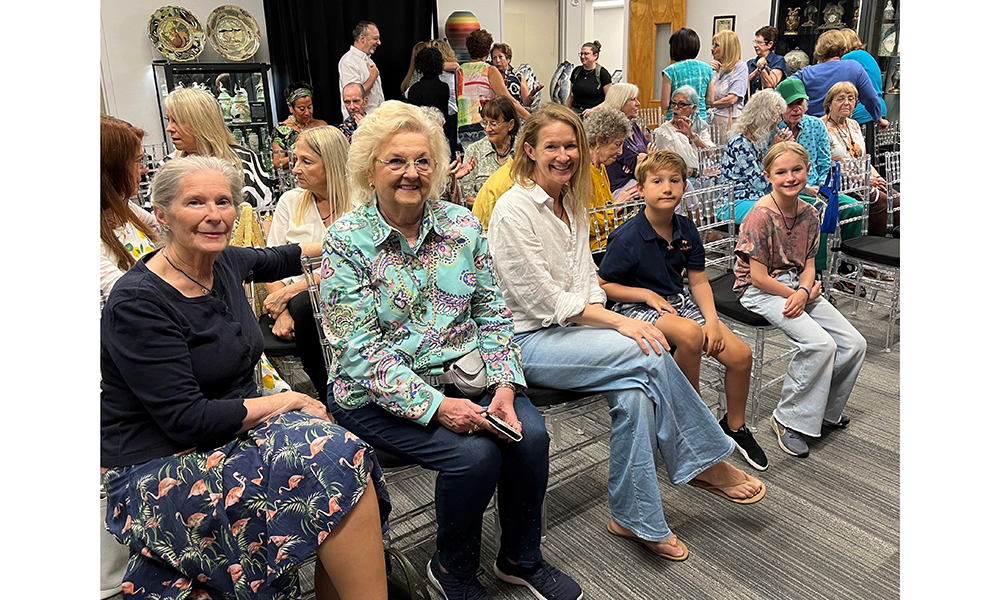
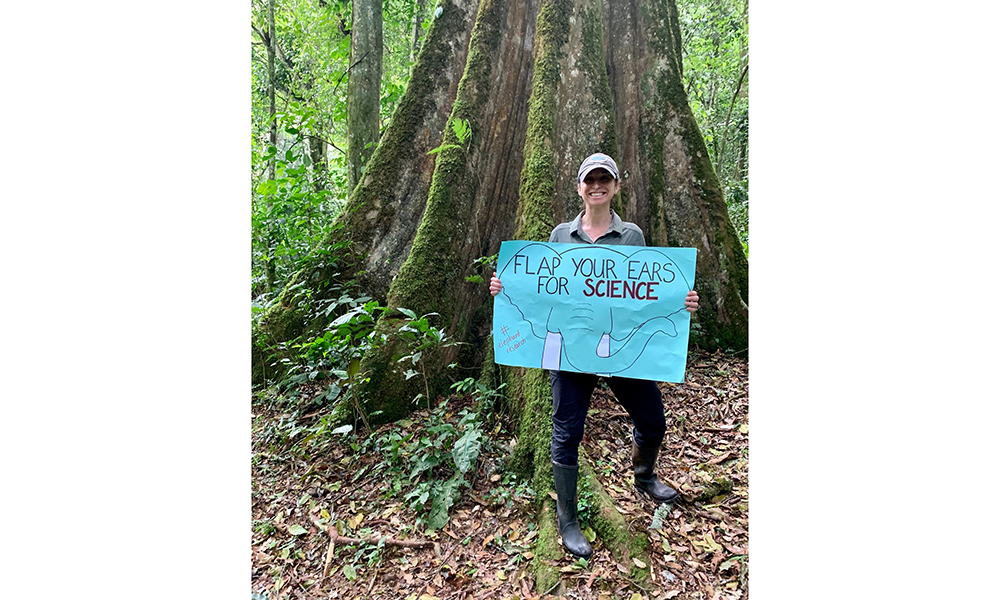
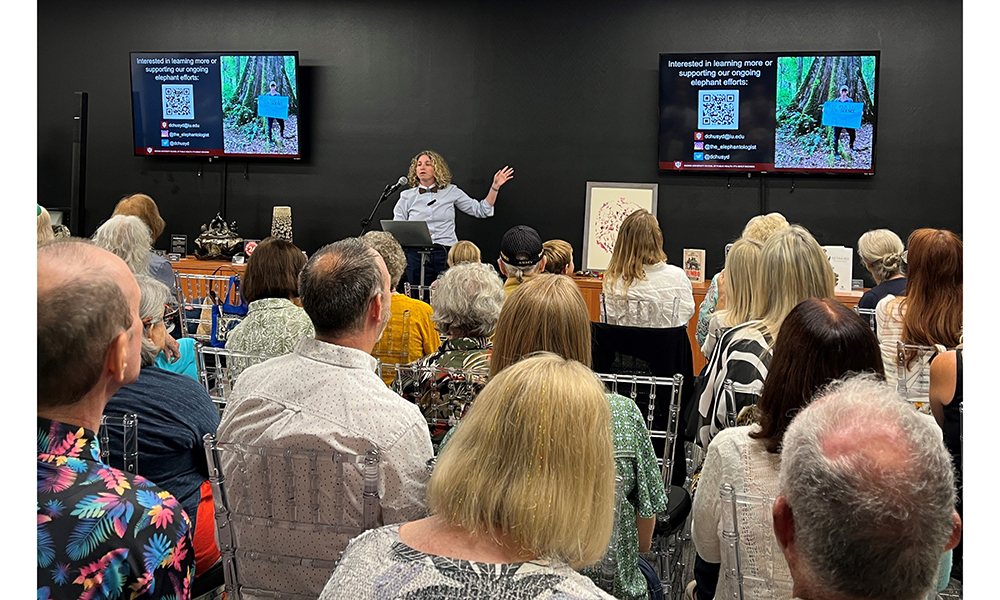
At our special program, An Elephant Never Forgets, Daniella’s audience ranged from young children to seniors, who all had an unforgettable experience learning about elephants. We first heard about Daniella’s work as an “elephantologist” when we met her mom in the museum’s Elephant Safari exhibition. She explained that Daniella is an assistant professor at Indiana University School of Public Health-Bloomington and was coming home to Florida to present her research at a conference. We jumped on the opportunity for her to speak at WMODA.

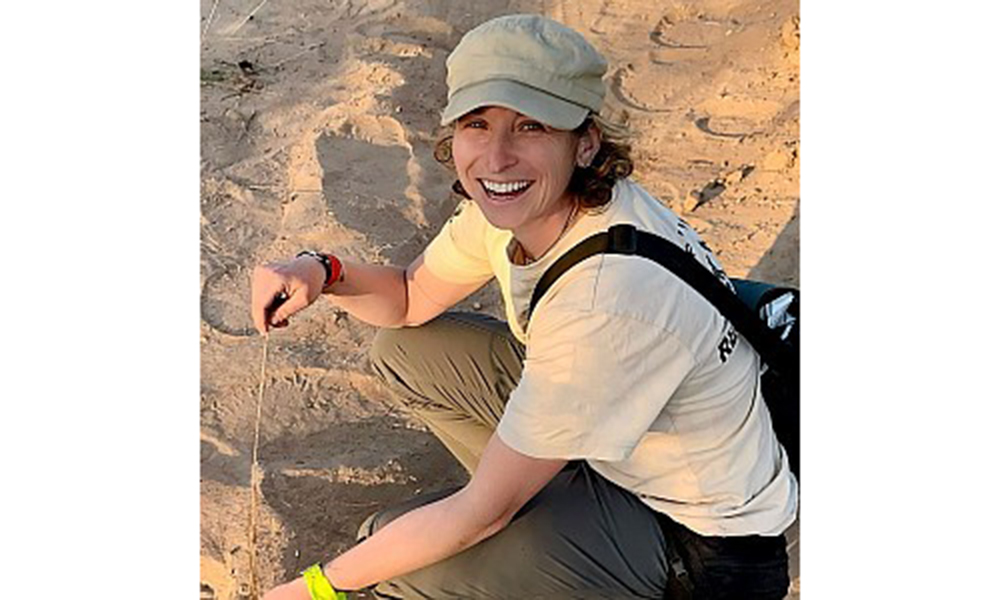
Daniella began her presentation by introducing the different species of elephants – Asian, African savanna, and African forest - which were reclassified as distinct species in 2021 and listed as Critically Endangered on the IUCN Red List. Daniella’s work focuses on African savanna and forest elephants, and her goal is to determine how these species live so long without the benefit of medicine and science. She studies the factors that have impacted elephants’ health and aging, including pollutants, and the role of human activities, to develop strategies for coexistence.

In Zambia, Daniella is comparing orphaned elephants to those living in intact families to determine the long-term health and behavioral effects of experiencing early-life trauma. In her words, “We know children who experience early-life adversity are, on average, at increased risk for later-life diseases and a shorter lifespan. Elephant calves are similar to children in that they rely on their family for stability, support, reassurance, learning and all the things needed to be a successful elephant. They are highly social, display a range of emotions, and have an exceptional long-term memory, so we want to know whether there are similar long-term implications in elephants who experience traumatic events early in life as well.”


It was fascinating to learn about how elephants grieve for their dead companions, and some female Asian elephants are even known to bury their own calves.  Daniella believes that her research will help us to better understand the aging process in humans.

She showed videos of how her local research team tracks forest elephants using their footprints, mucus and skin deposits and pointed out how hard it is to see the world’s biggest land animal when they are camouflaged by dense foliage. The trackers rely on listening rather than looking to find and observe the behaviors of their study subjects.

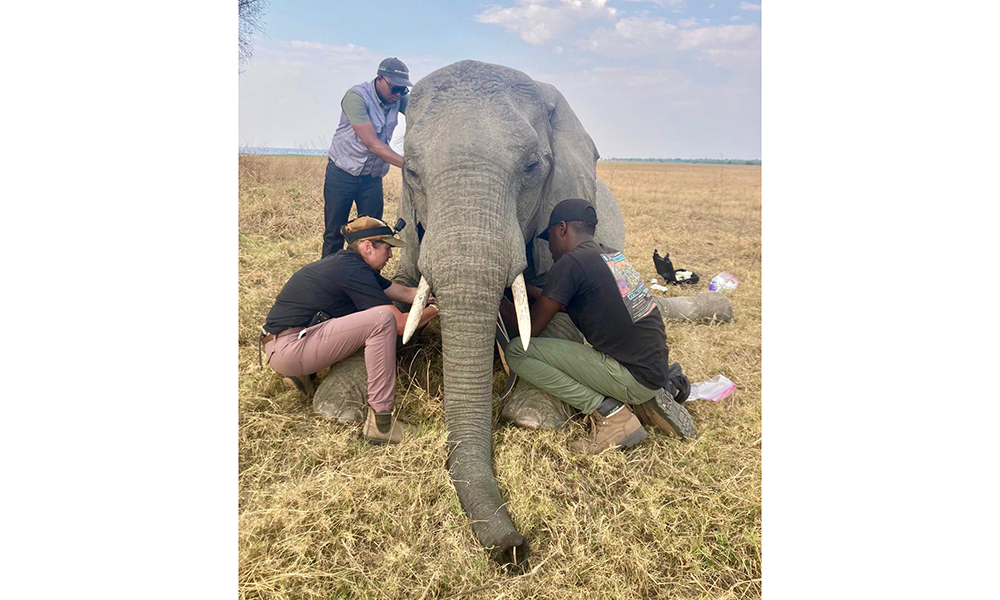
In the savanna, vets and scientists dart elephants to sedate them and fit GPS collars for future tracking. While the animal is briefly unconscious, they quickly take samples of blood, dung, ticks and tail hair for analysis. Daniella brought samples for the audience to inspect, including darts, hair and dried elephant pooh!

Illegal poaching and human-elephant conflict have long plagued elephant populations and Daniella understands that meeting the needs of the local people is necessary to meet the needs of the elephants and inspire successful coexistence. She collaborates with organizations helping impoverished rural communities to educate, empower and engage at-risk youth. She is also involved in projects to raise funds to provide libraries and other resources for schools in Zambia.

Elephant Safari

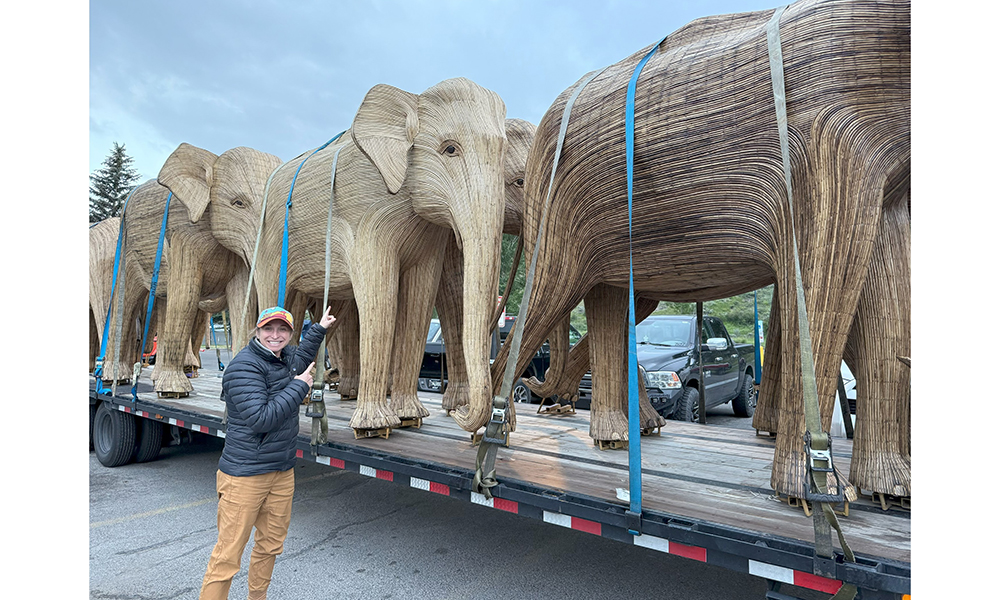
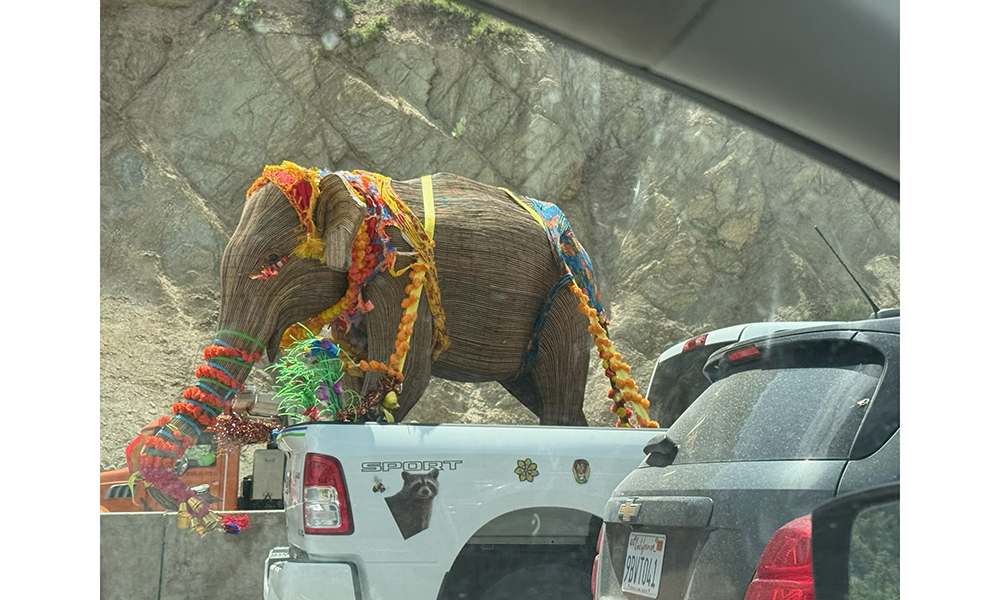
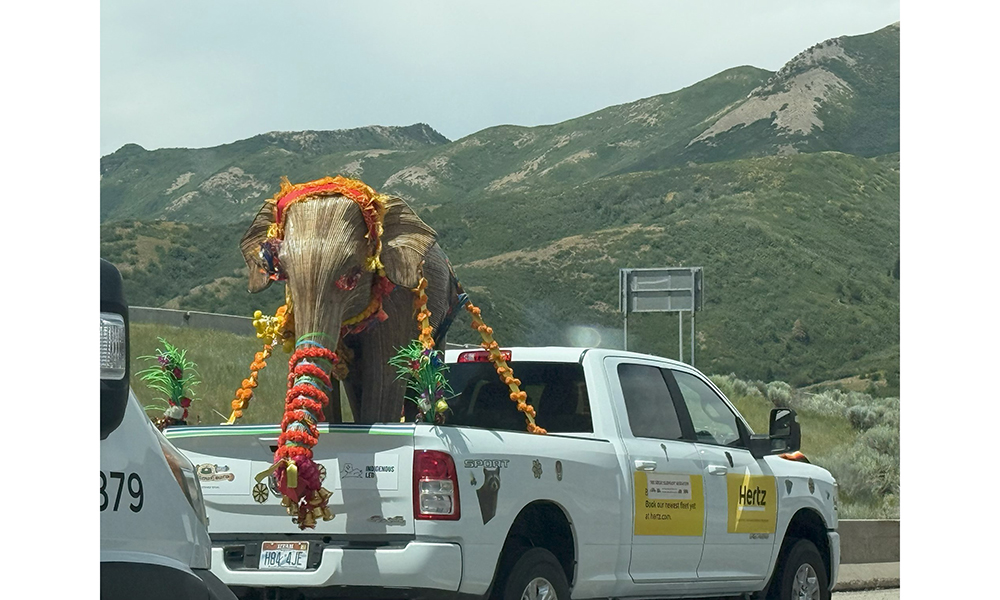
Louise Irvine began her presentation by explaining how the museum’s Elephant Safari exhibition was inspired by the Great Elephant Migration, which traveled across the United States to raise funds for human-elephant coexistence in India. Coincidentally, Daniella passed the migrating herd on their way to California while driving to Florida and took some photos.

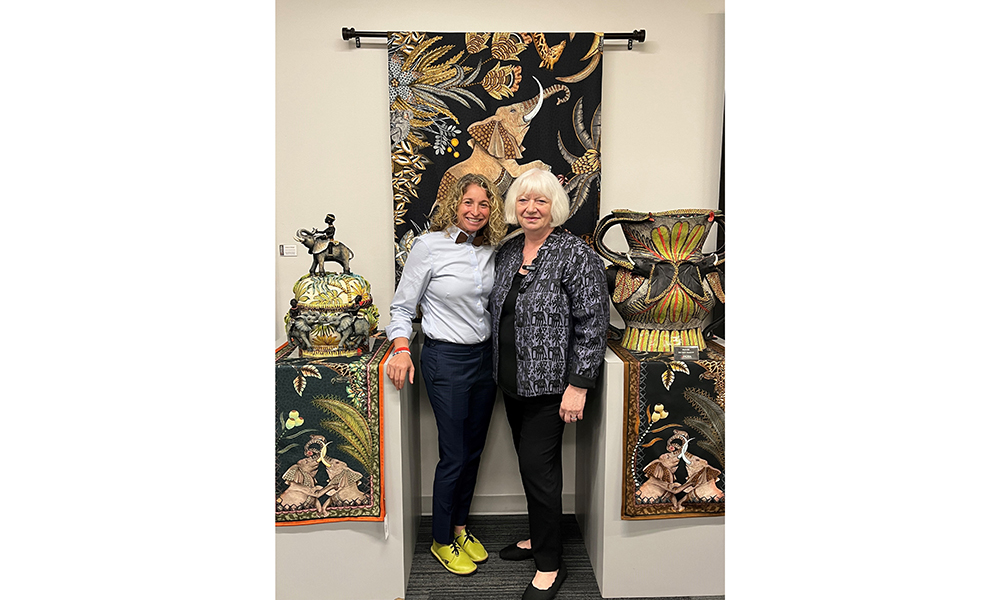
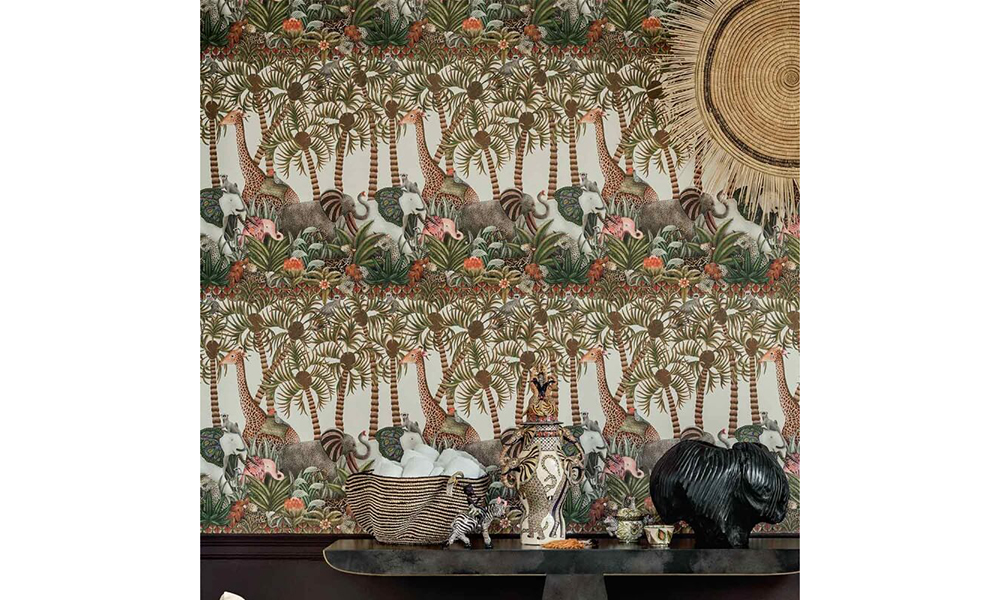
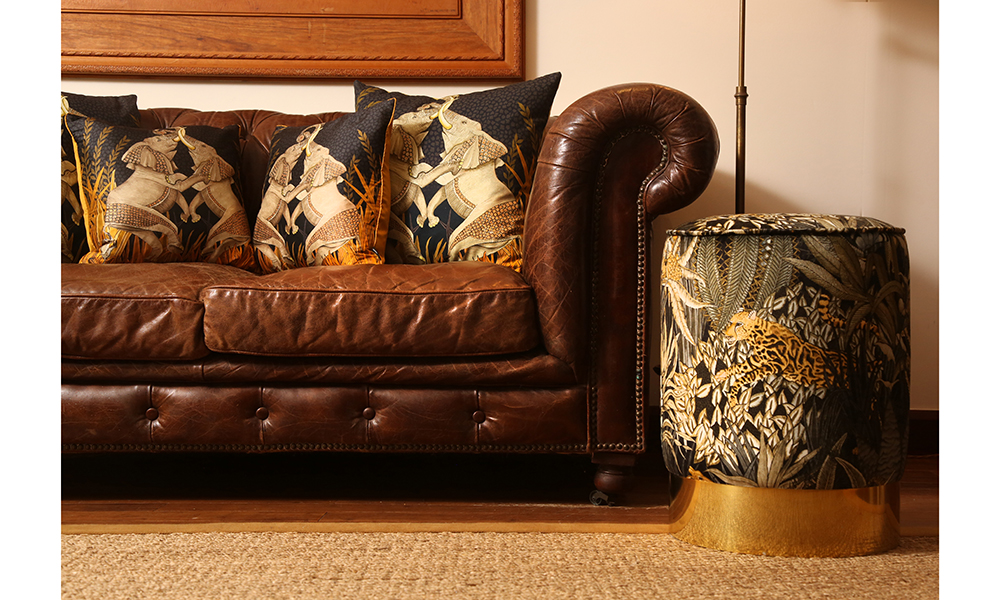
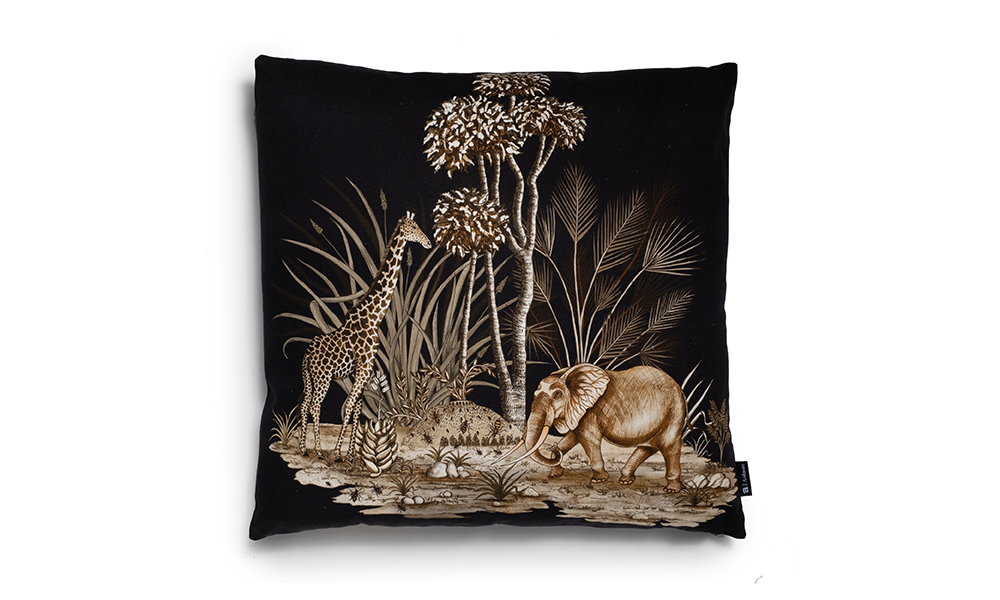
Louise highlighted South African organizations working with elephant conservation, including HERD, the Hoedspruit Elephant Rehabilitation and Development, which rehabilitates orphaned elephants. Louise also discussed the Bees for Elephants project, pioneered by Save the Elephants in various African and Asian countries.  Installing beehive fences to leverage elephants’ natural fear of bees is a cost-effective and environmentally friendly way to deter elephants from raiding farms.  Bees and elephants are both featured on the Ardmore Toile fabric and pillows on display in the Elephant Safari Exhibition.

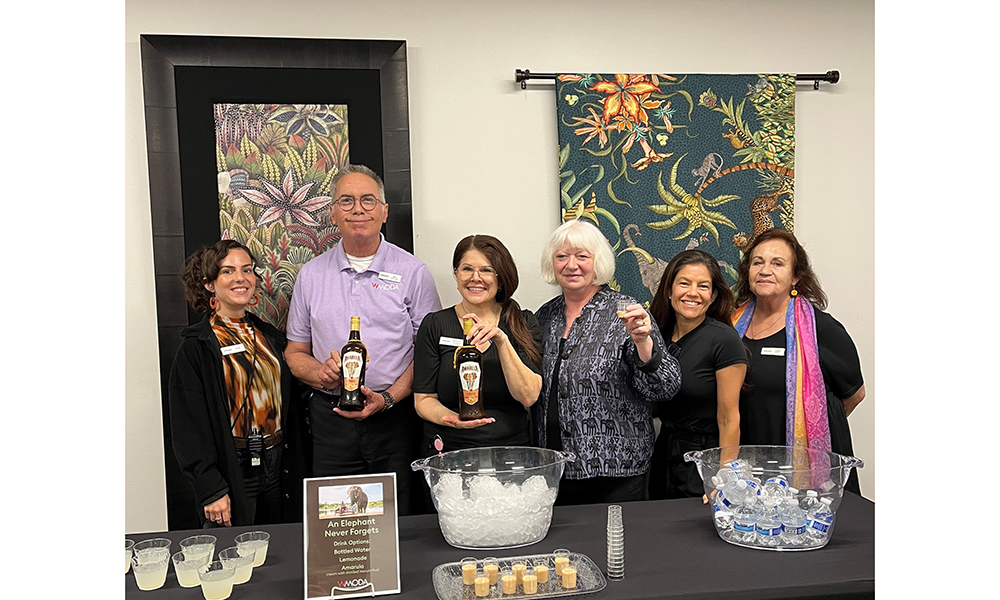
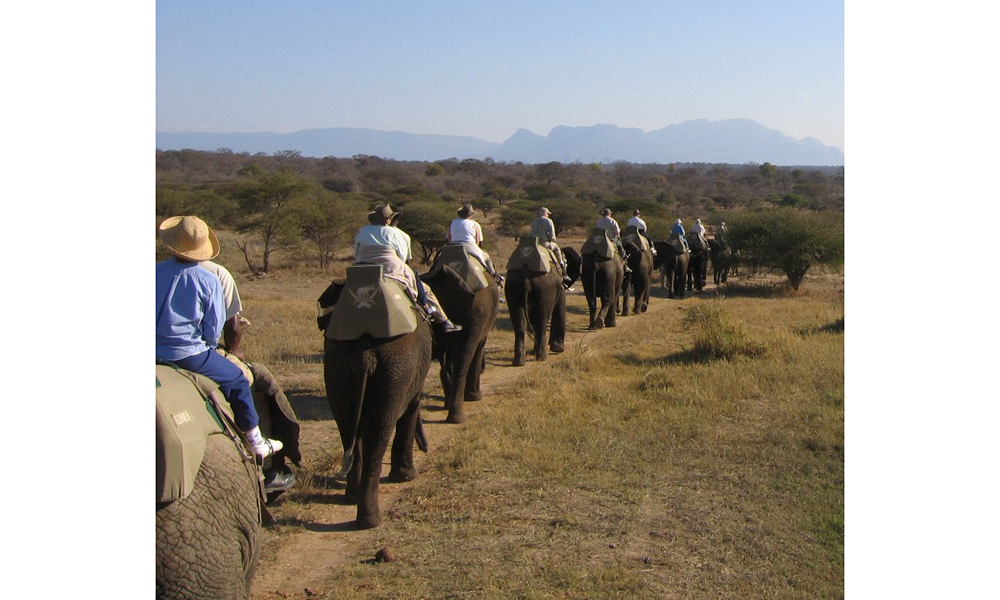
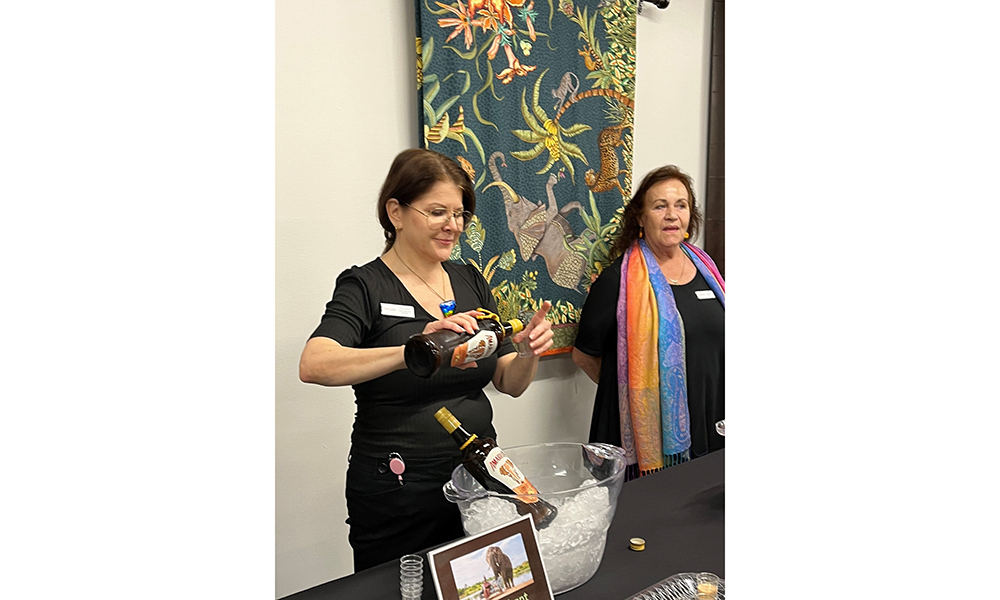
Some years ago, Louise went on an elephant-back safari with the Jabulani herd in Hoedspruit and met Sebakwe, the dominant bull who inspired the logo for Amarula South African liqueur. Event guests were invited to sample the creamy drink made from Marula fruit that elephants love to eat. Louise also brought Côte d’Or chocolates from Europe, which have featured an elephant as their brand symbol since the early 1900s.

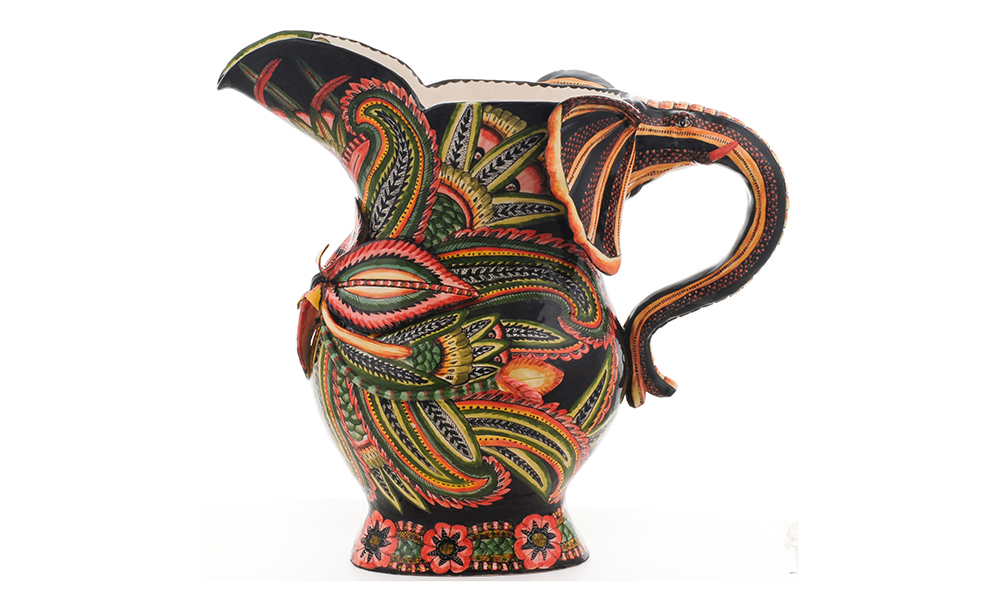
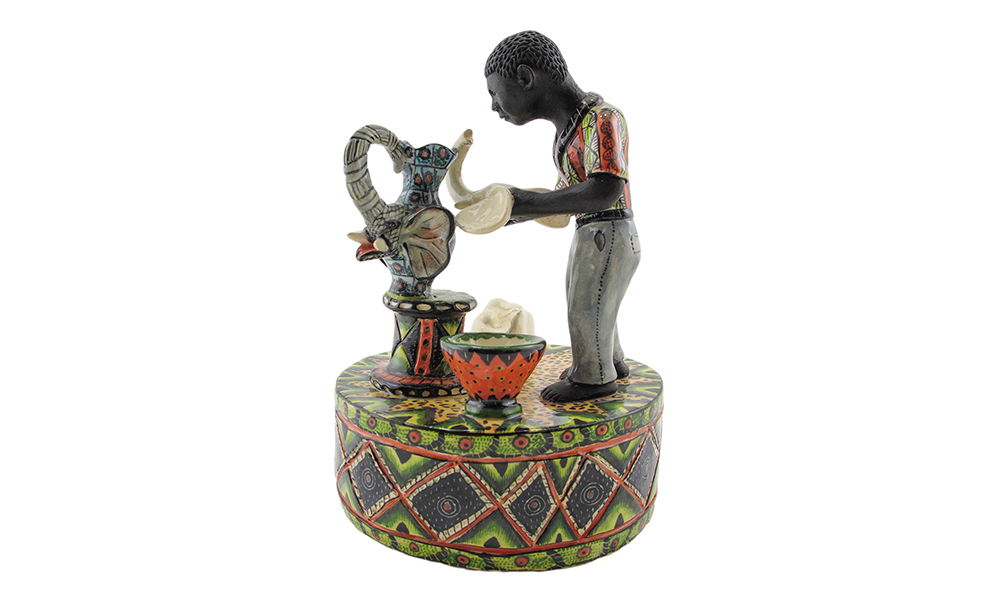
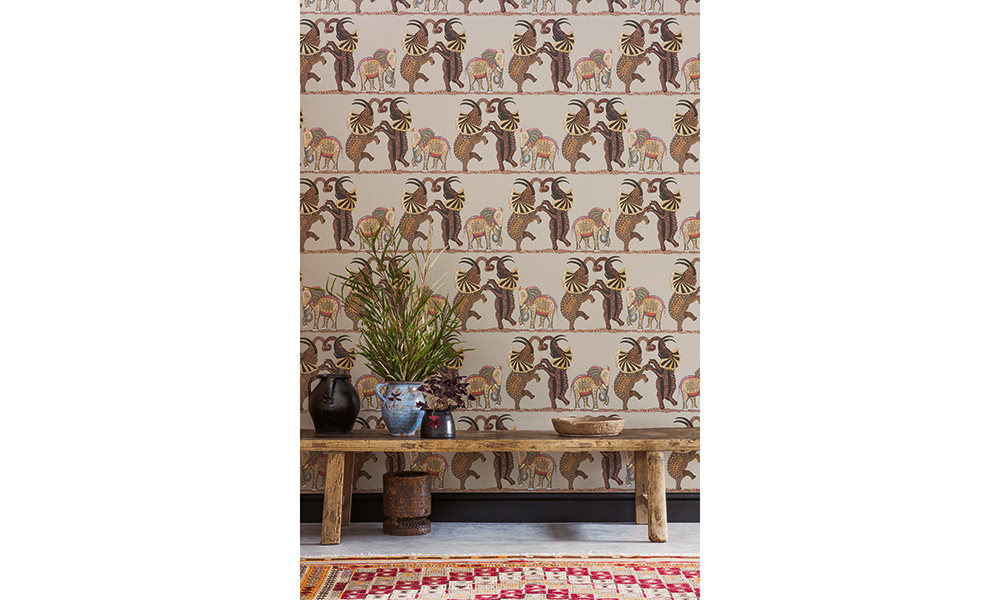
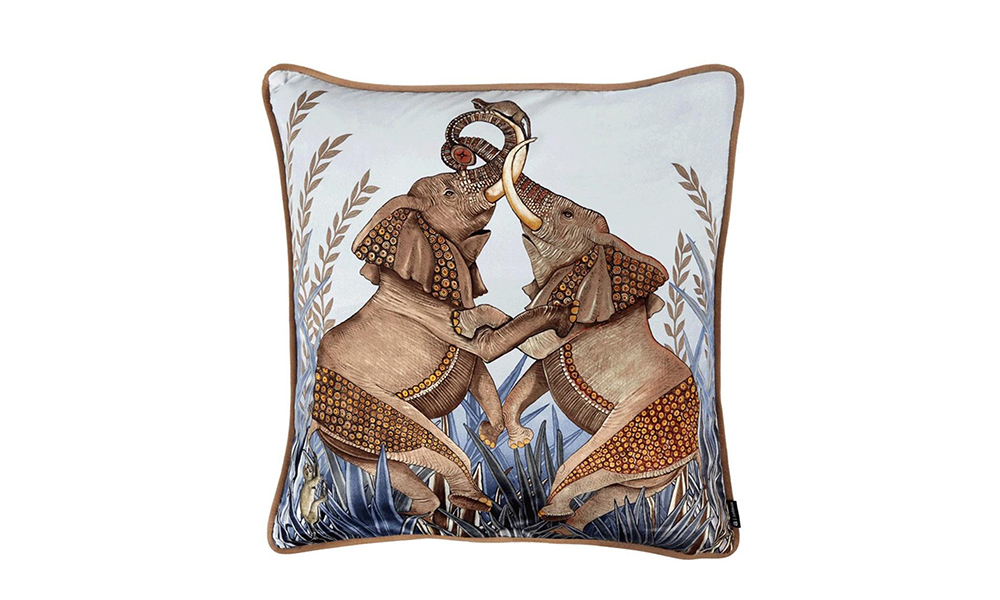
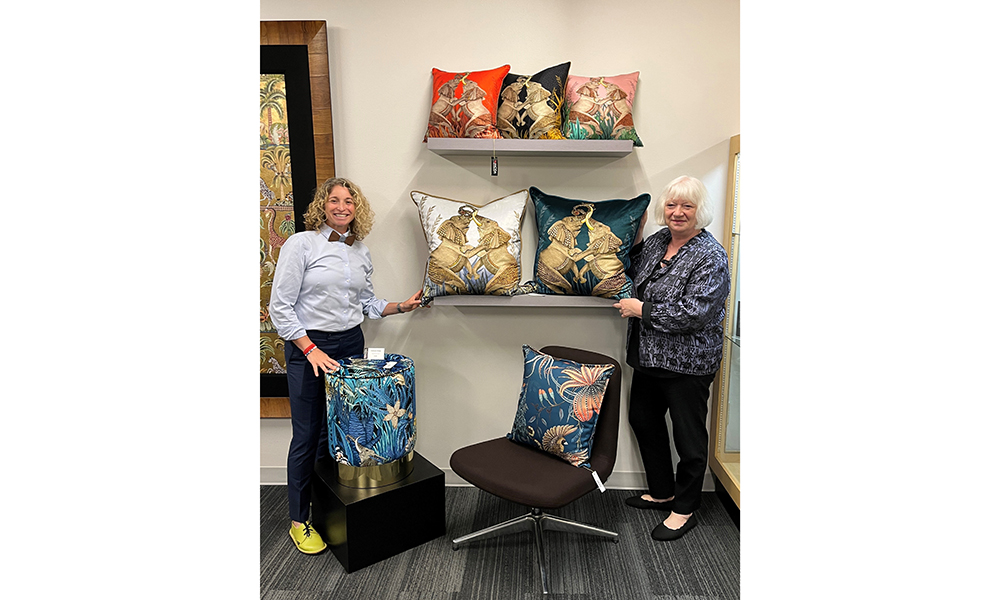
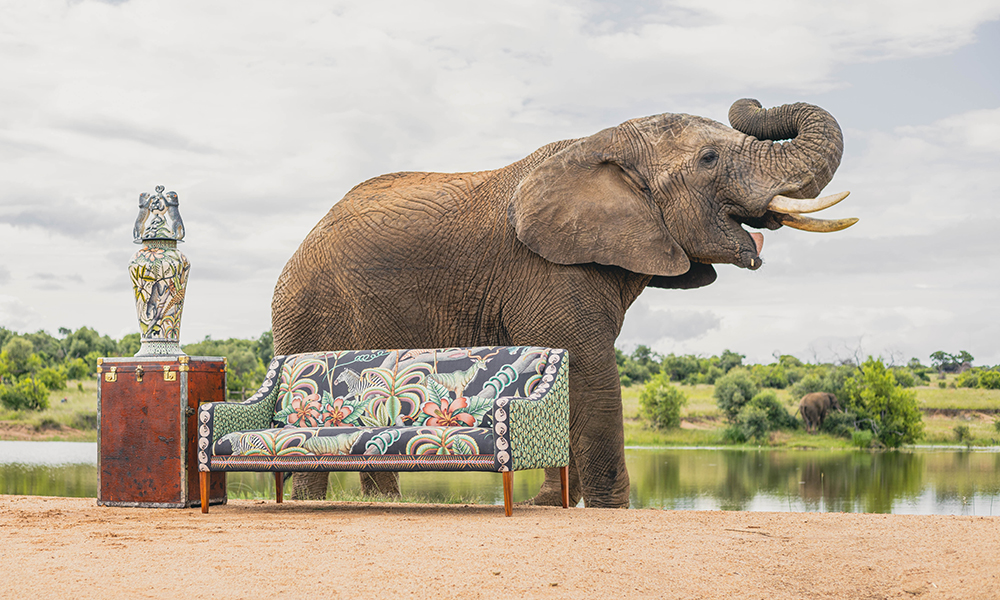
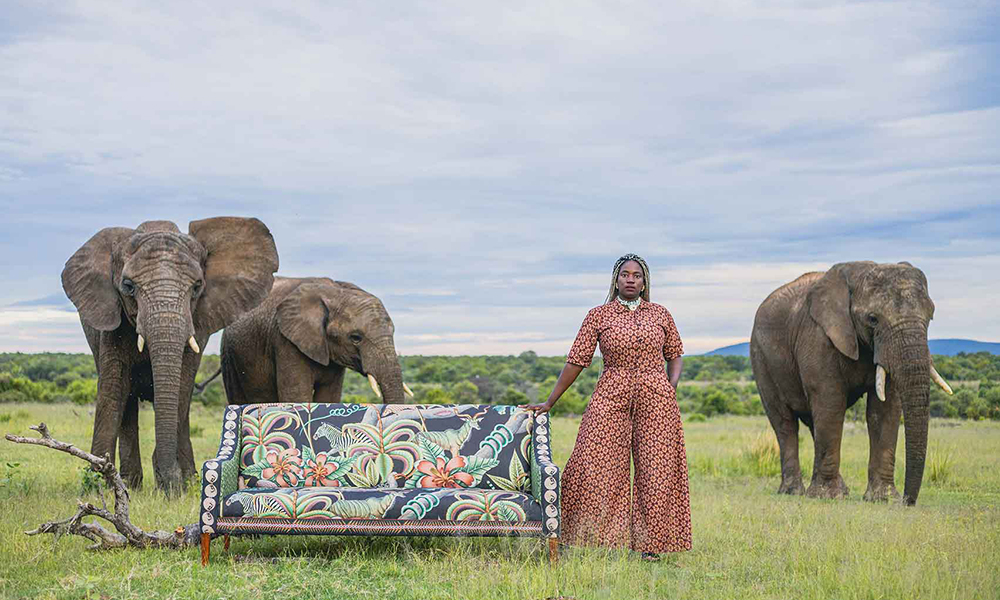
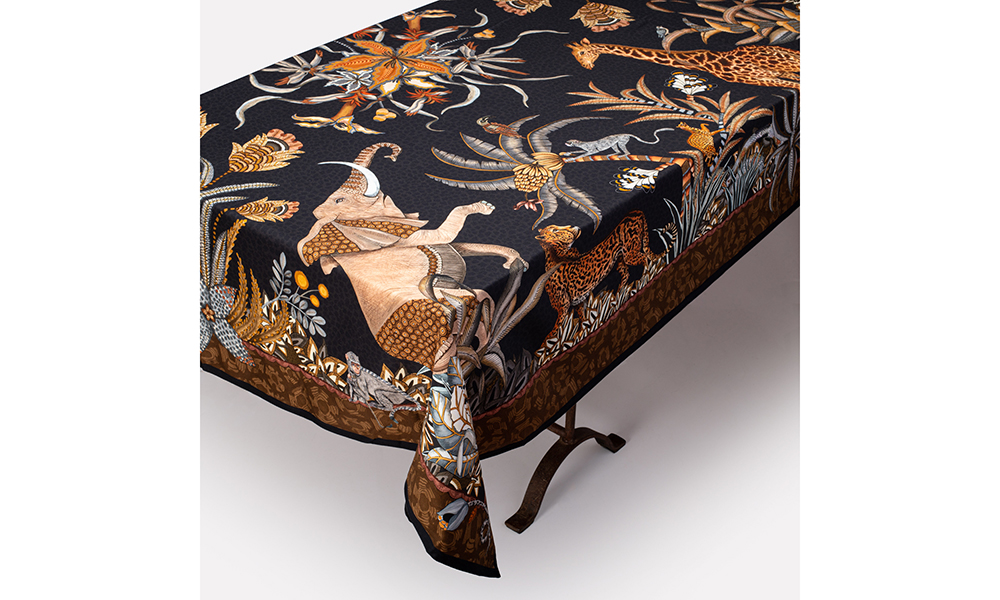
Louise talked about the whimsical dancing elephants created by the Ardmore Studio in South Africa, which inspired ceramics, furnishing fabrics and wallpapers.  The Sabie collection of pillows and table linens is available for sale in the Ardmore Design Shop at WMODA. Interestingly, the promotional photos for the Sabie collection were shot on location at Adventures with Elephants (AWE) in Bela Bela, which is one of the ways that this wildlife reserve raises money for their educational programs.

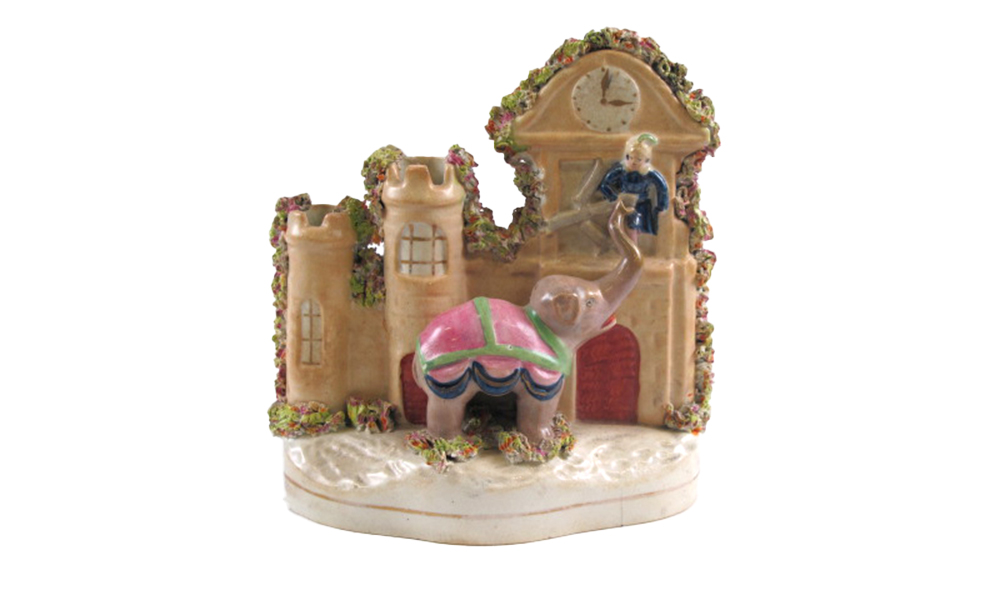
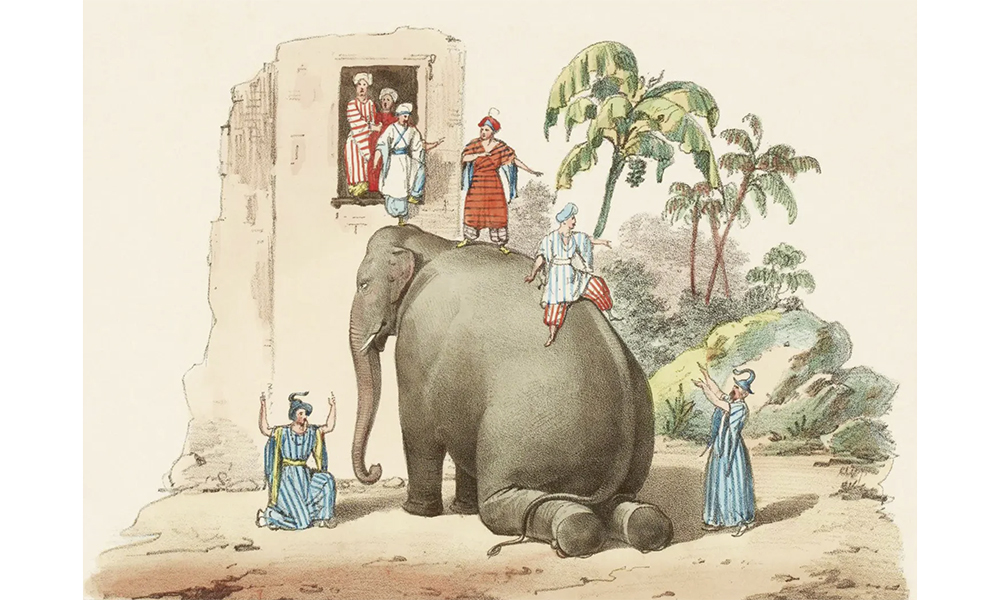
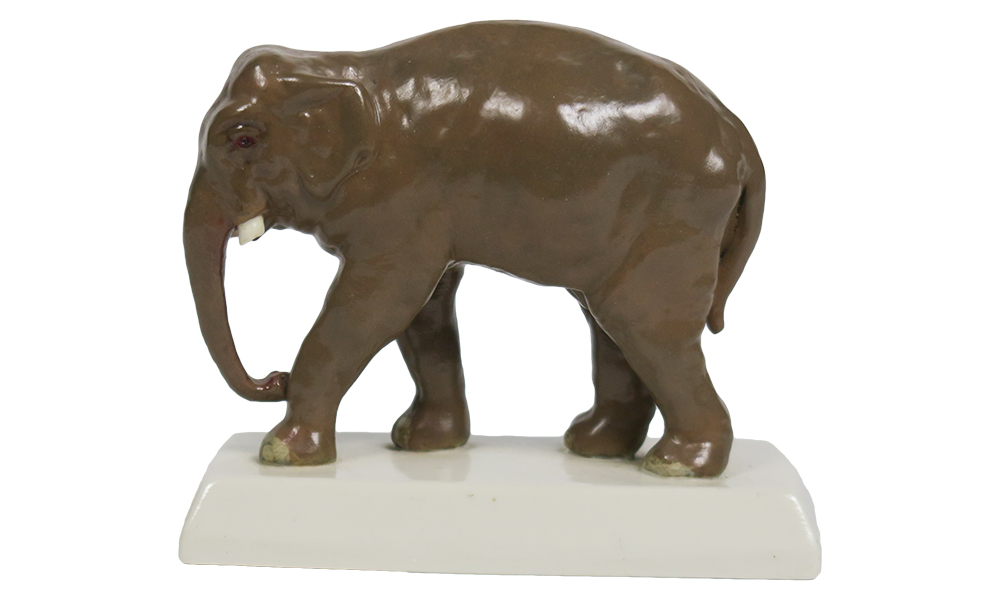
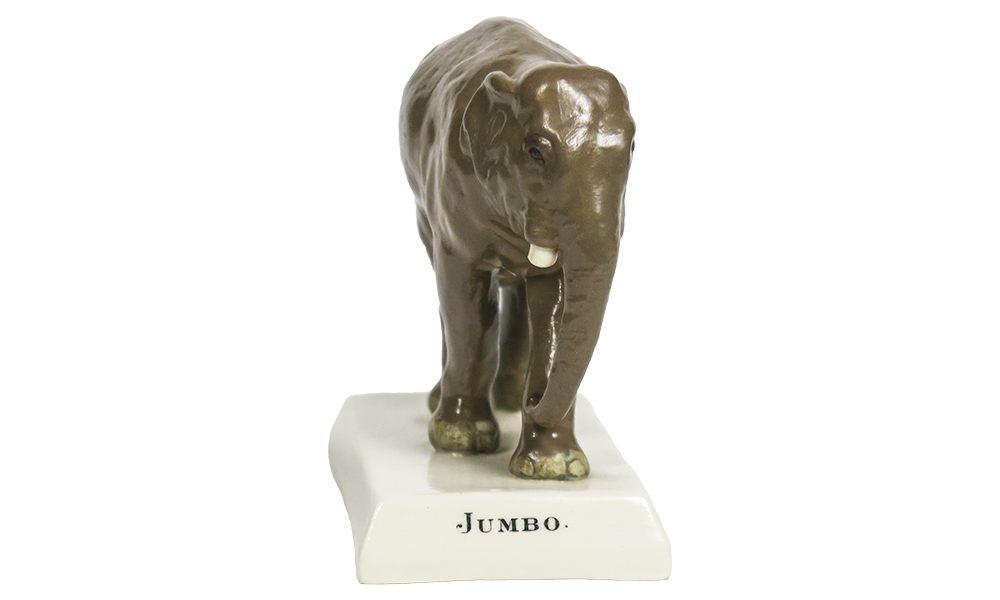
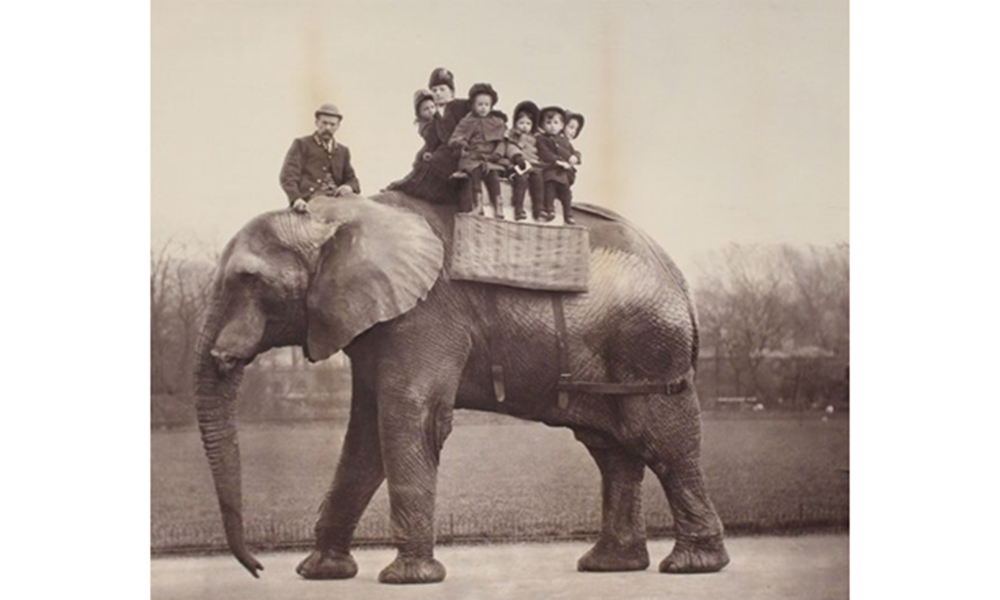
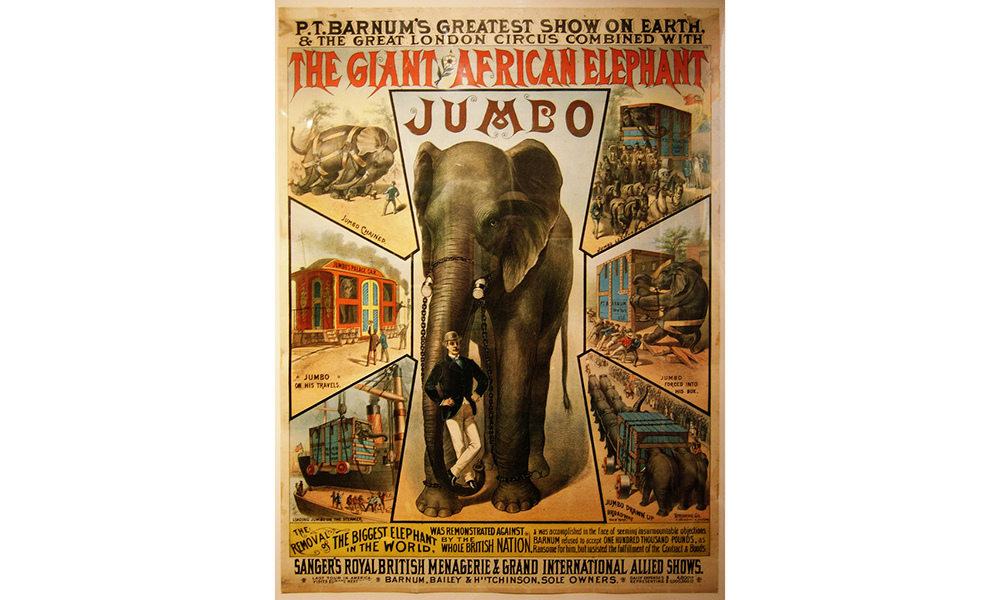
Louise’s story of pachyderms in pottery goes back to the 1800s when famous elephants such as Miss D’Jeck and Jumbo were hugely popular performers and met tragic ends.  Fortunately, today we are more interested in capturing elephants on camera rather than exploiting them for our entertainment in circuses.

A percentage of the admission charge for An Elephant Never Forgets at WMODA was donated to Daniella’s Elephant Research Fund. You can contact her at dchusyd@iu.edu

@the_elephantologist

Discover more at the Elephant Safari exhibition at WMODA which is open Wednesday to Sunday from 10 am to 4 pm.

Read more about elephants at WMODA

Elephant Safari | Wiener Museum

Bees for Elephants | Wiener Museum

Golden Elephants | Wiener Museum

An Elephant in the Room | Wiener Museum