
Louise Irvine
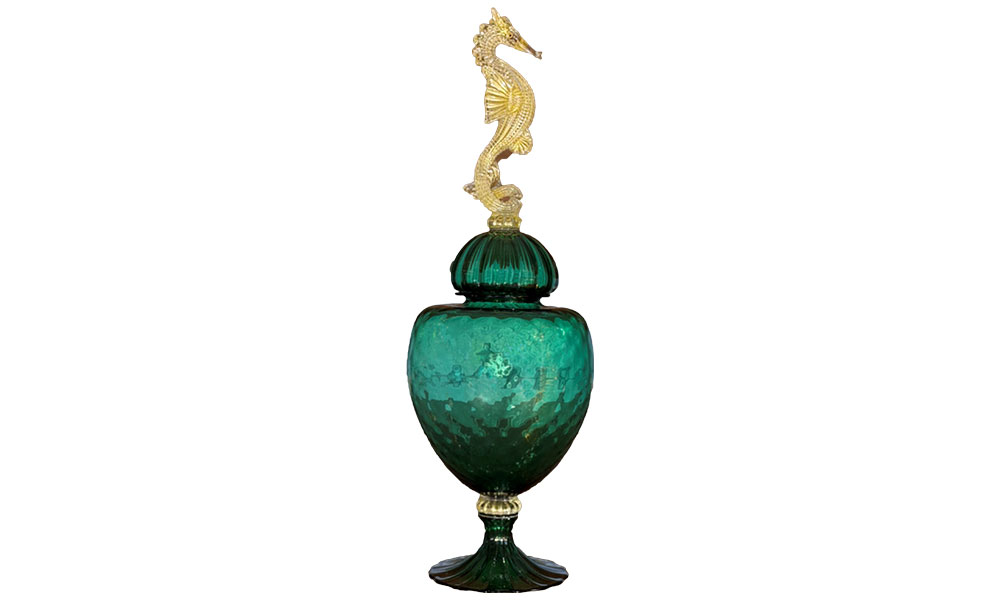
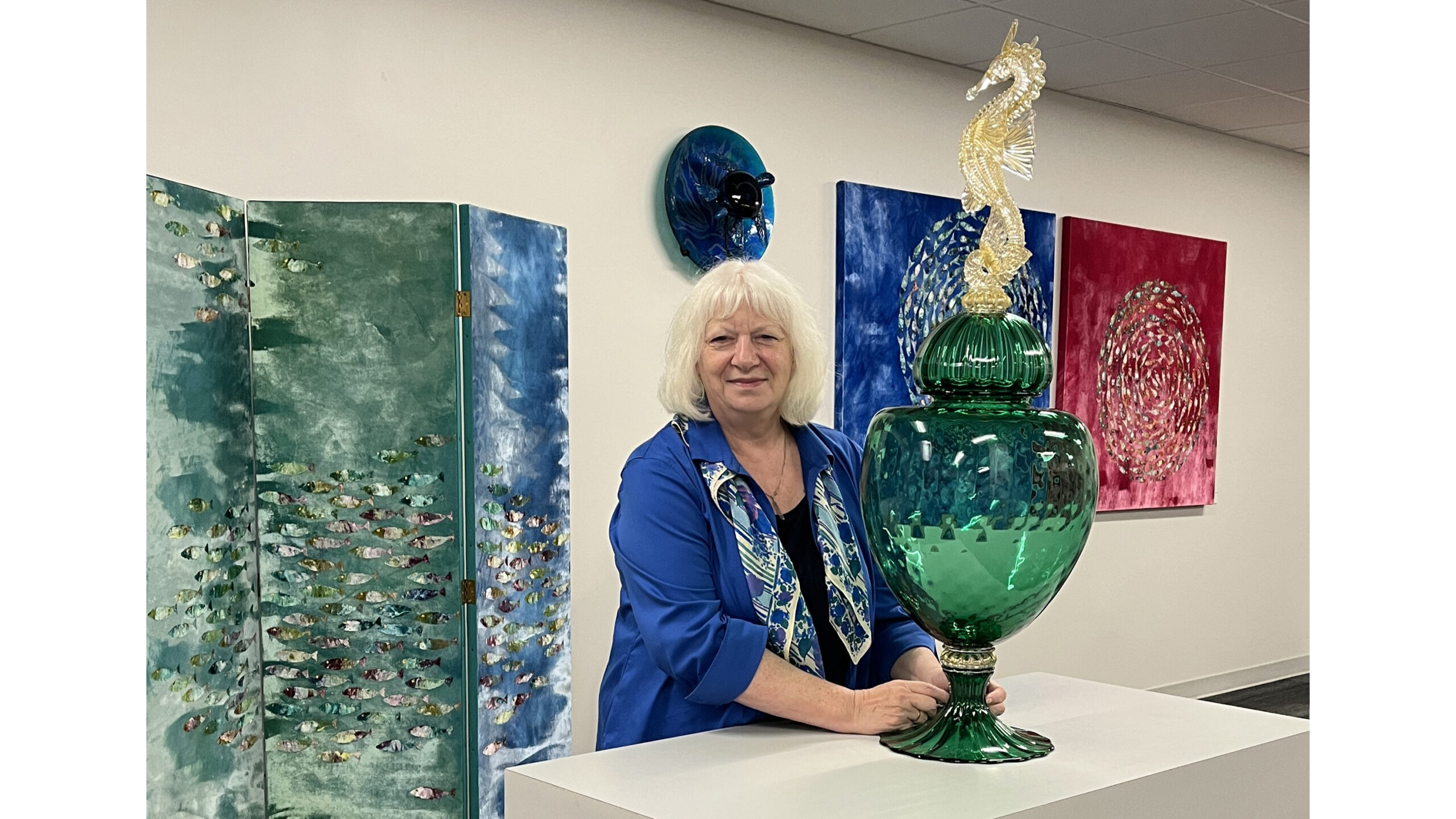
A spectacular new addition to the Splash exhibition has prompted this exploration of seahorses in the Fired Arts. James Mongrain, Chihuly’s lead gaffer, specializes in towering glass vessels, around 40 inches tall, inspired by 18th-century Venetian Serpent goblets. In his own studio, he supersizes the animal motifs on the stems to make sculptural finials, and his Poseidon collection includes seahorses, dragons, and fabulous sea creatures. Glass artists have long been drawn to the seahorse as its translucent beauty is perfectly suited to the medium, where luminous colors and fluid forms evoke the movement and shimmer of the ocean.
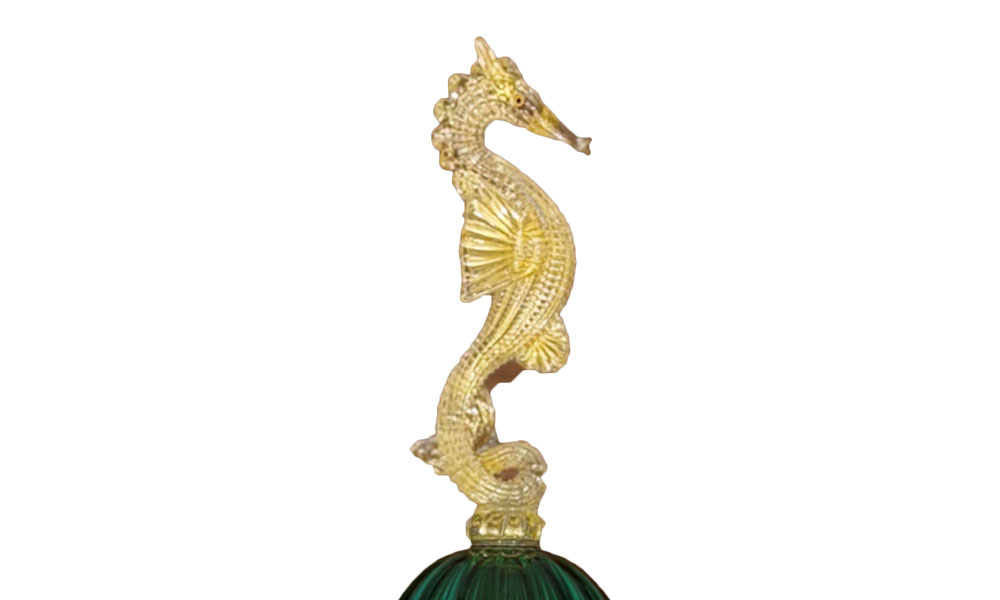
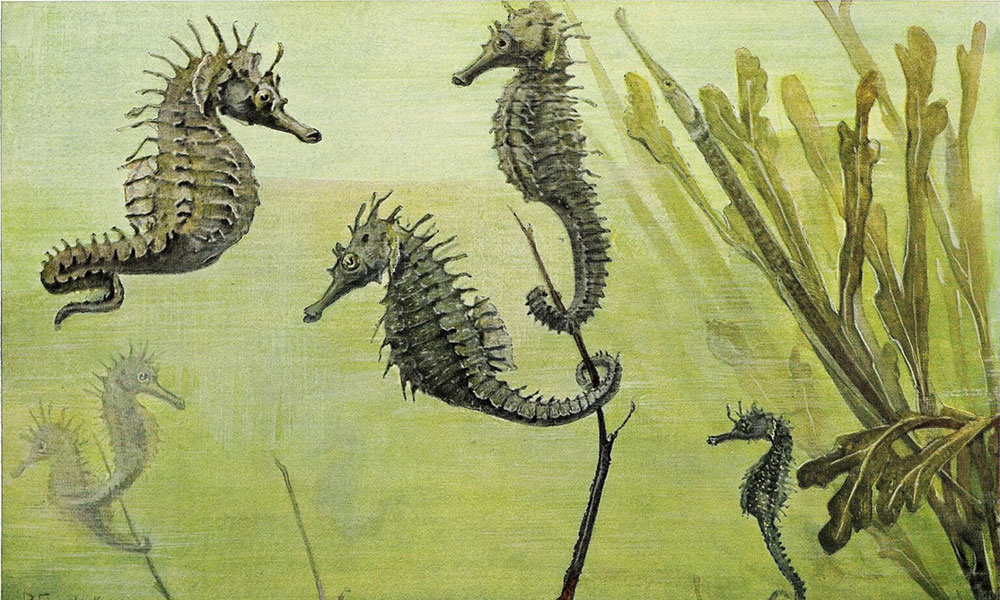
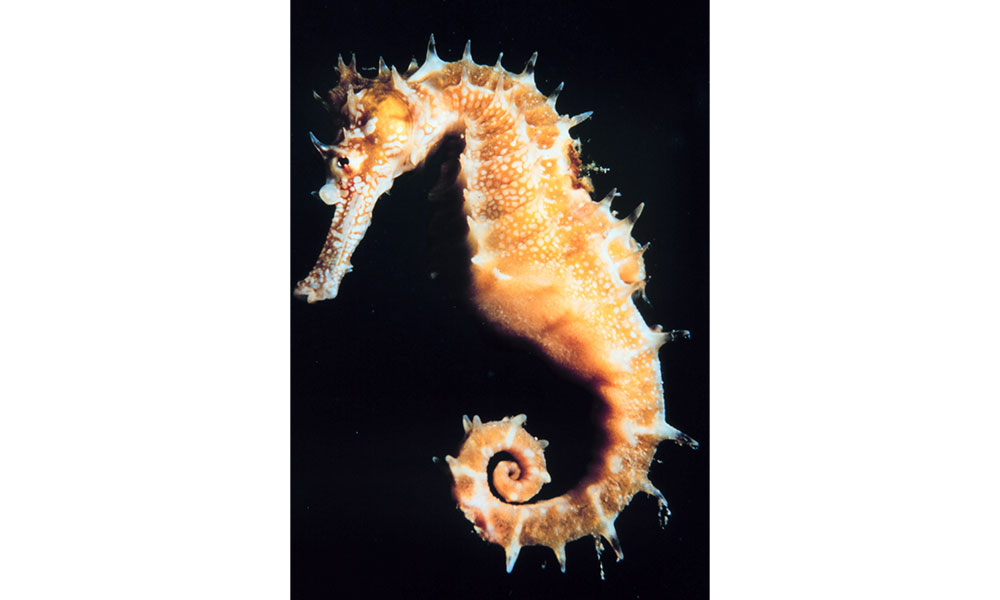
Graceful, enigmatic, and steeped in symbolism, seahorses are a timeless muse for artists. Their sinuous forms complement flowing organic designs, often intertwined with seaweed and coral. With its elegant silhouette, horse-like head, curved neck, and spiraling tail, the seahorse lends itself perfectly to the decorative arts.
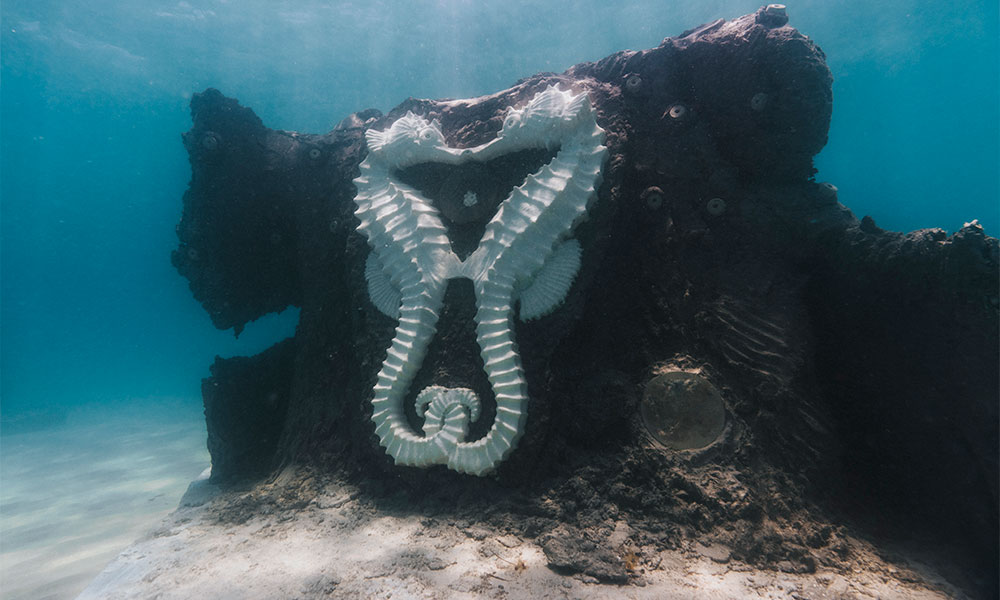
Belonging to the genus Hippocampus, from the Greek hippos for horse and kampos, meaning sea monster, these remarkable marine creatures inhabit coral reefs, seagrass meadows, and mangrove forests around the world. In Hollywood, offshore from Keating Park, an elegant sculpture of a pair of seahorses stands sentinel on an underwater coral reef habitat module, part of the Guardians of the Reef snorkeling project created by Ocean Rescue Alliance International.
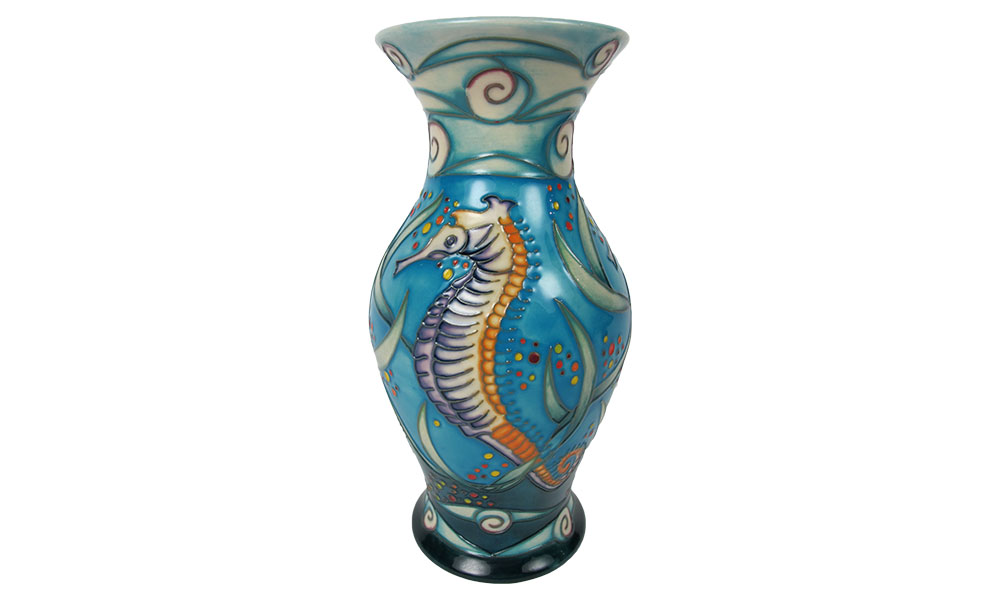
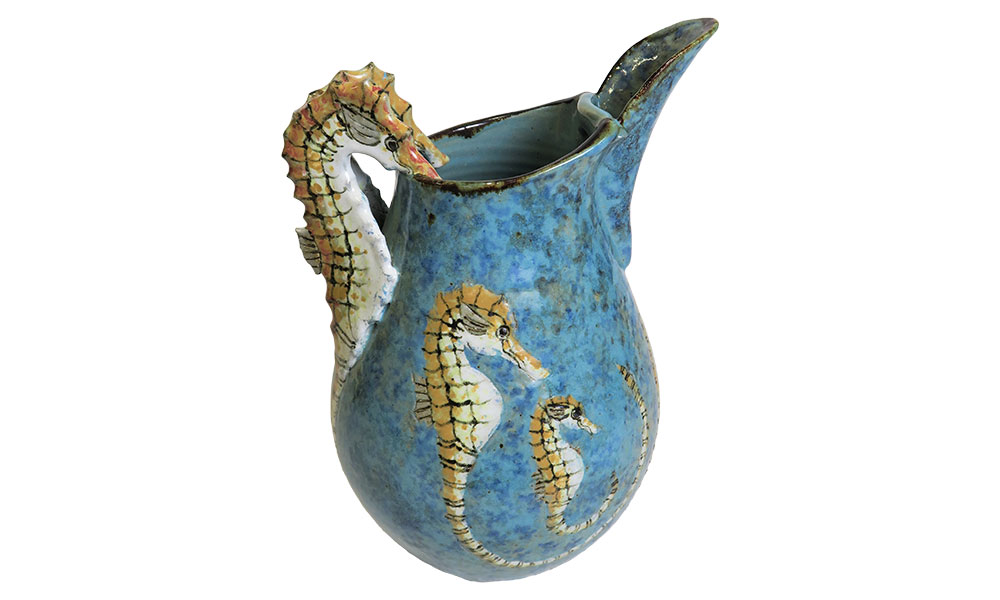
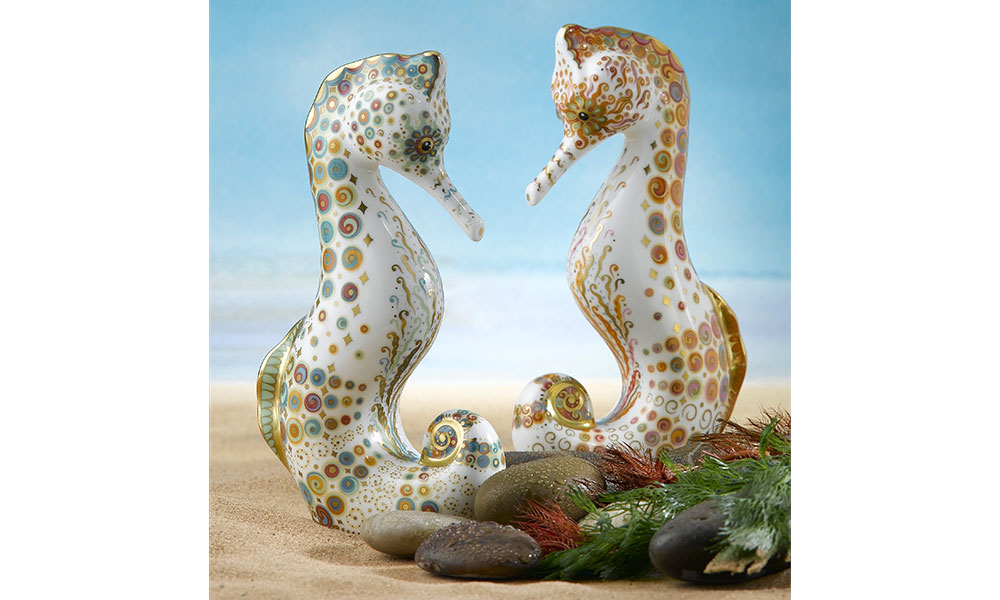
Seahorses mate for life, but even more extraordinary, the male carries fertilized eggs in a brood pouch, nurturing the developing young before giving birth to fully formed miniature seahorses. Their unusual role has made seahorses emblems of patience, devotion, and caregiving in many cultures.
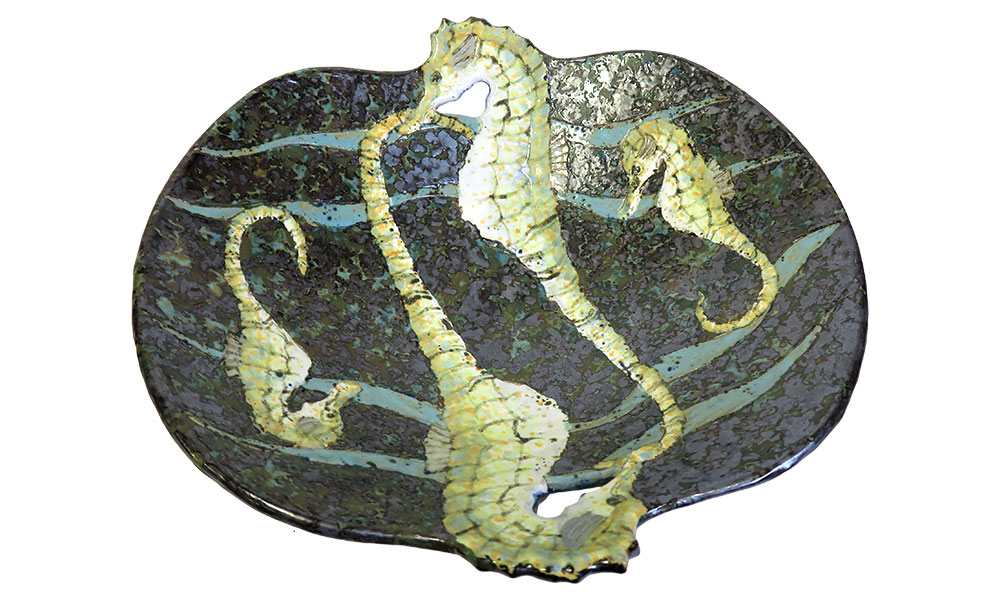
Unlike most fish, seahorses swim upright using a rapidly fluttering dorsal fin and anchor themselves to seagrass with their prehensile tails. They possess delicate bony plates instead of scales, which have been intricately rendered in stoneware by British potter Roger Cockram, who was formerly a marine biologist.
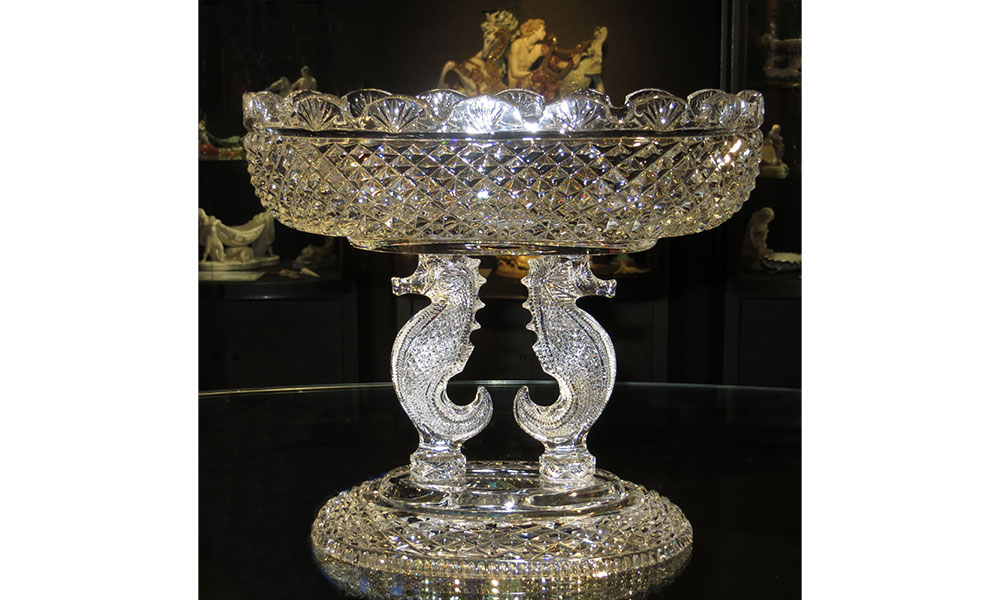
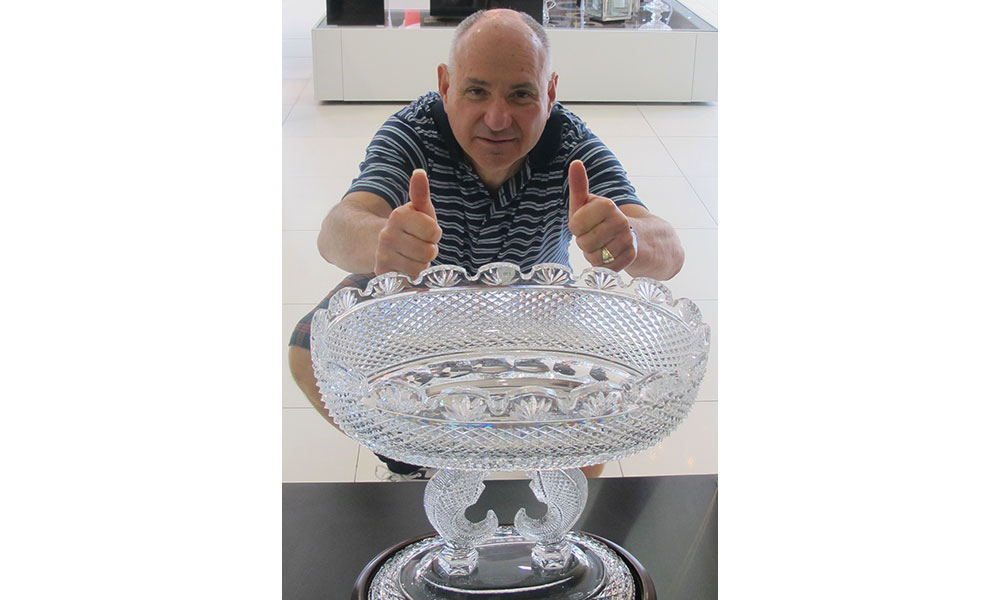
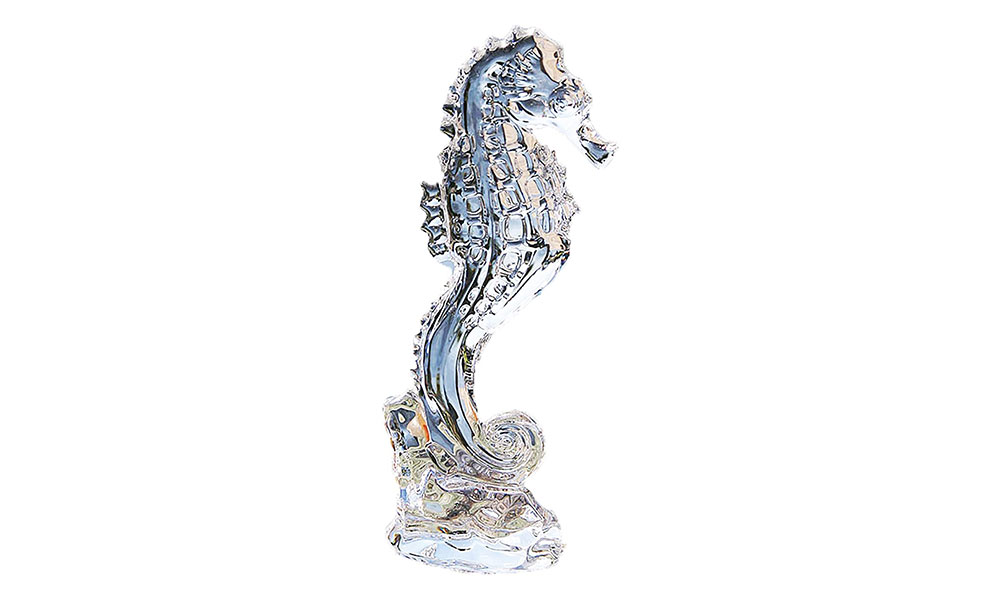
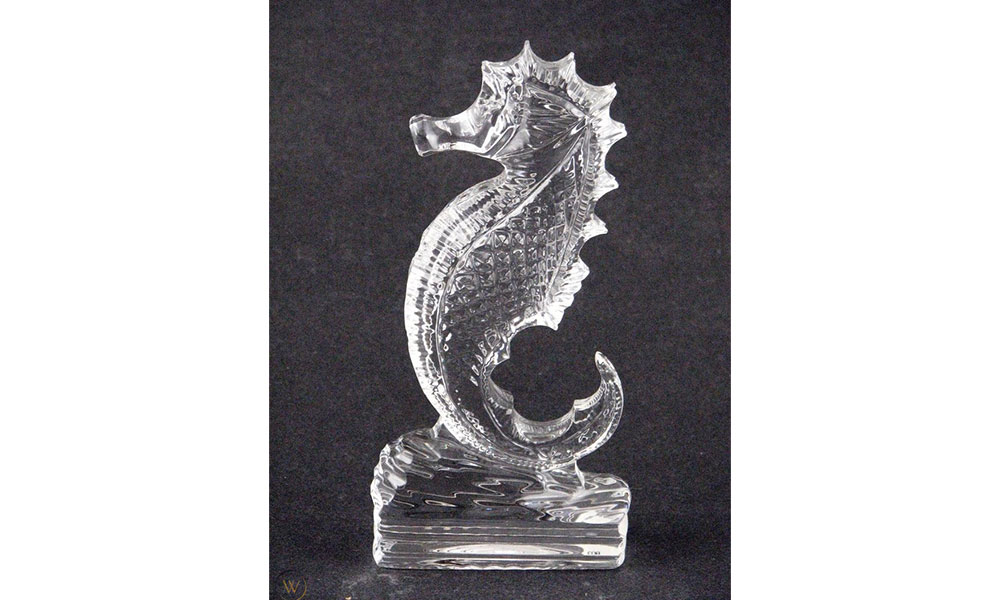
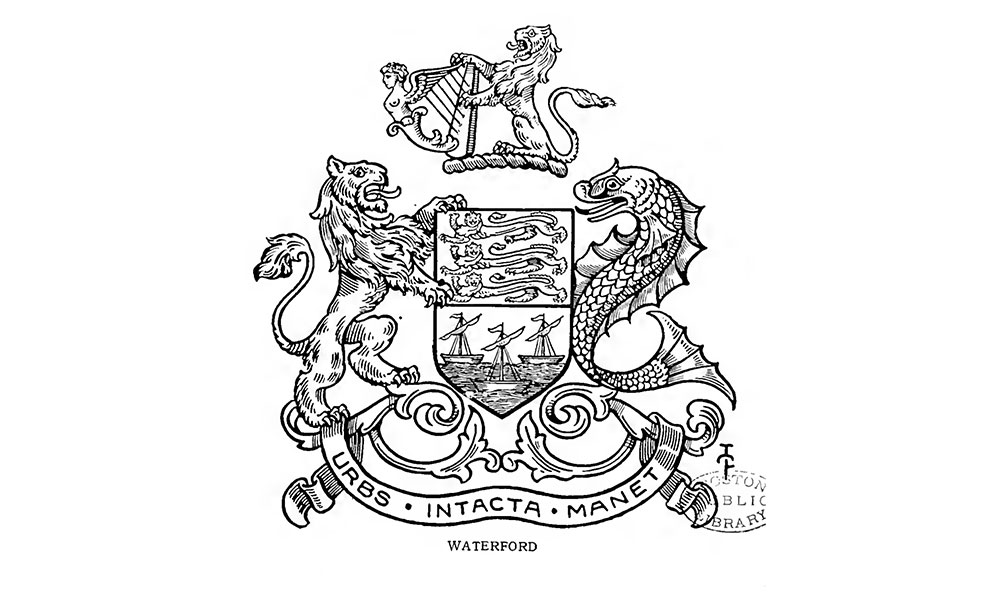
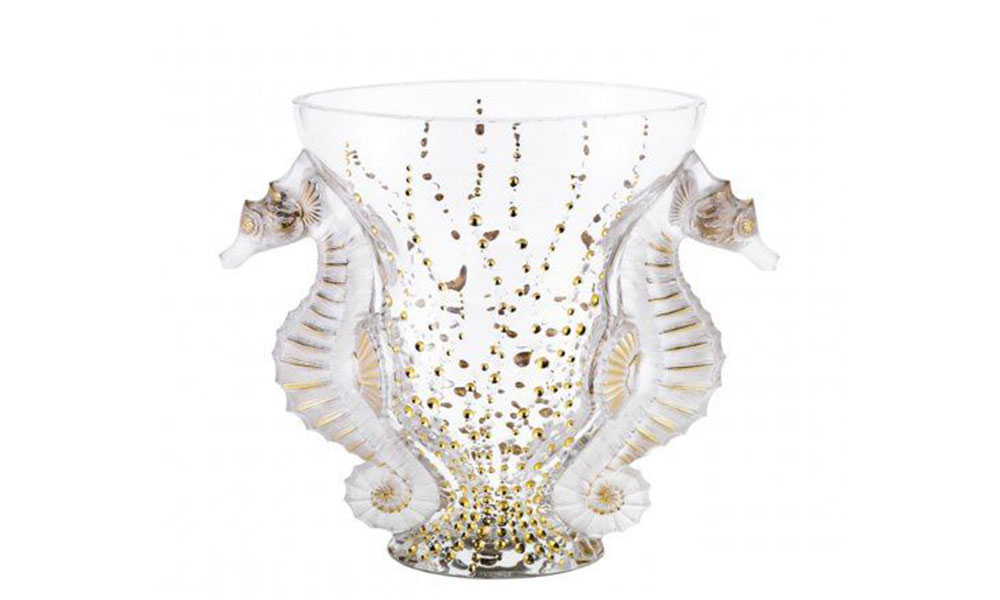
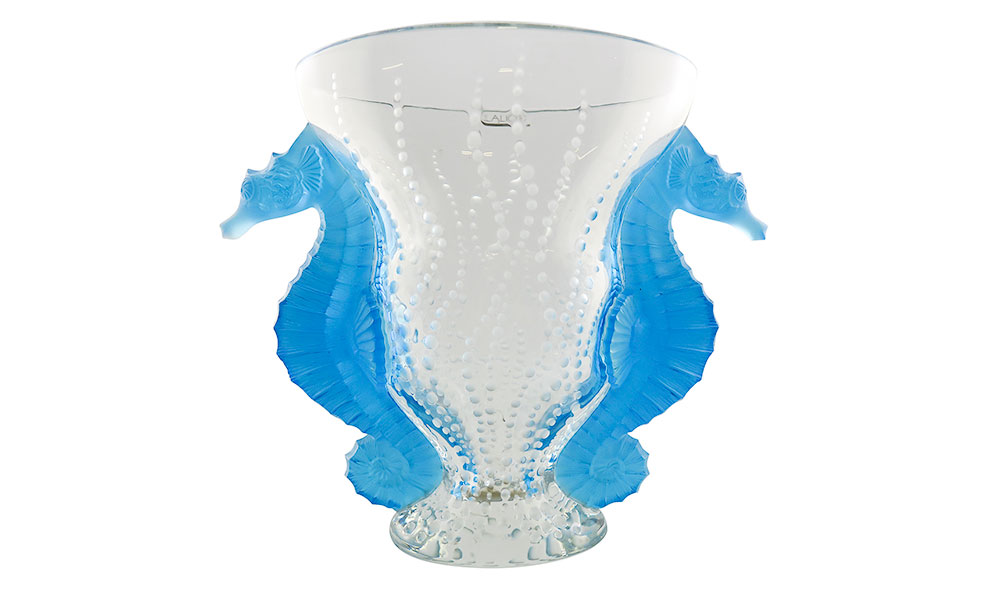
The seahorse has been the iconic trademark of Waterford Crystal since 1947, when it was adopted from the marine creature on the historical Coat of Arms of the City of Waterford, symbolizing the area’s rich maritime history. Arthur Wiener acquired one of Waterford’s prestige cut-crystal seahorse bowls during his 2012 visit to the city. His love of the ocean also drew him to the Lalique Poseidon vase in various limited-edition colors.
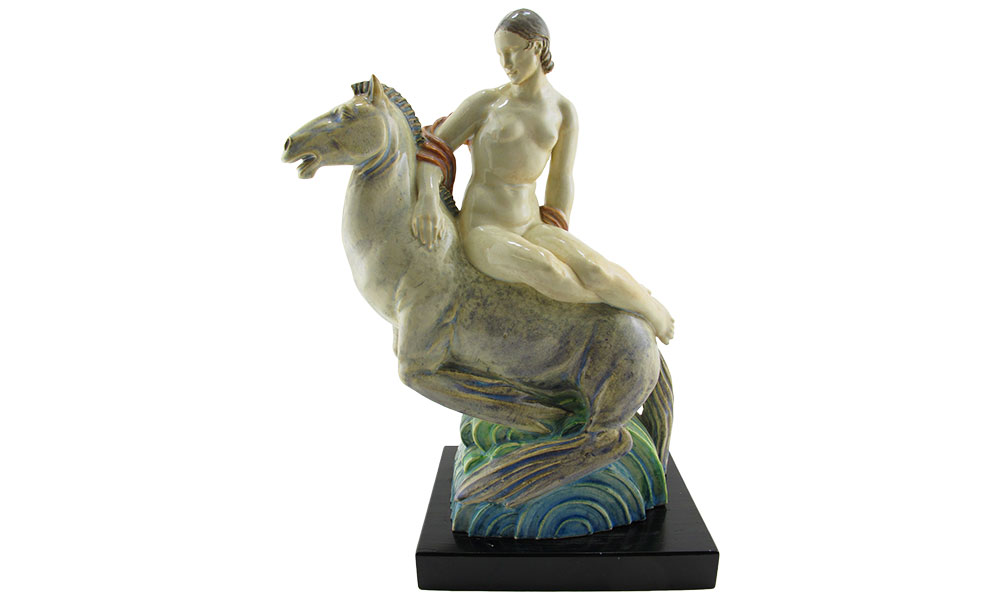
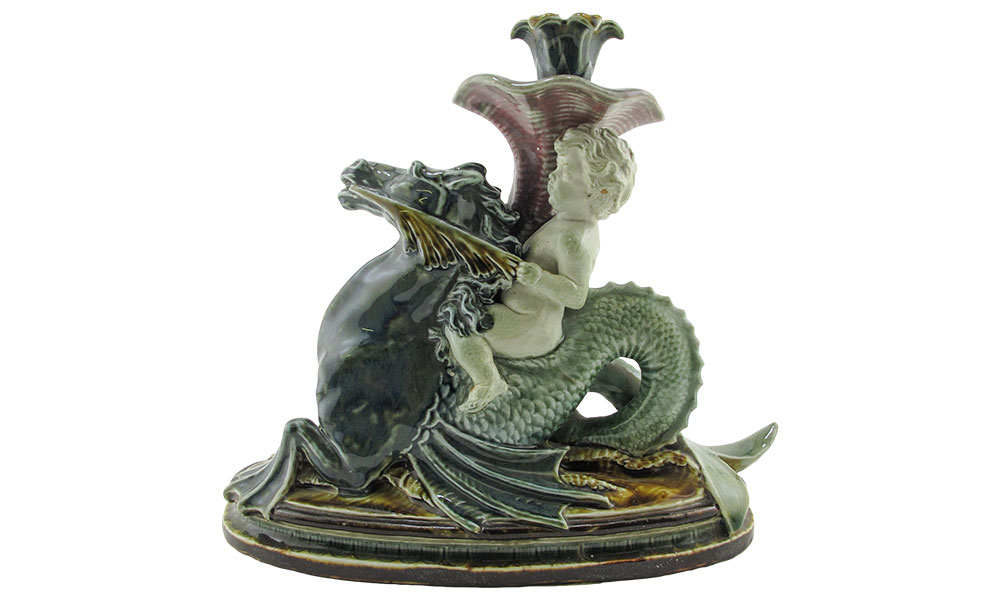
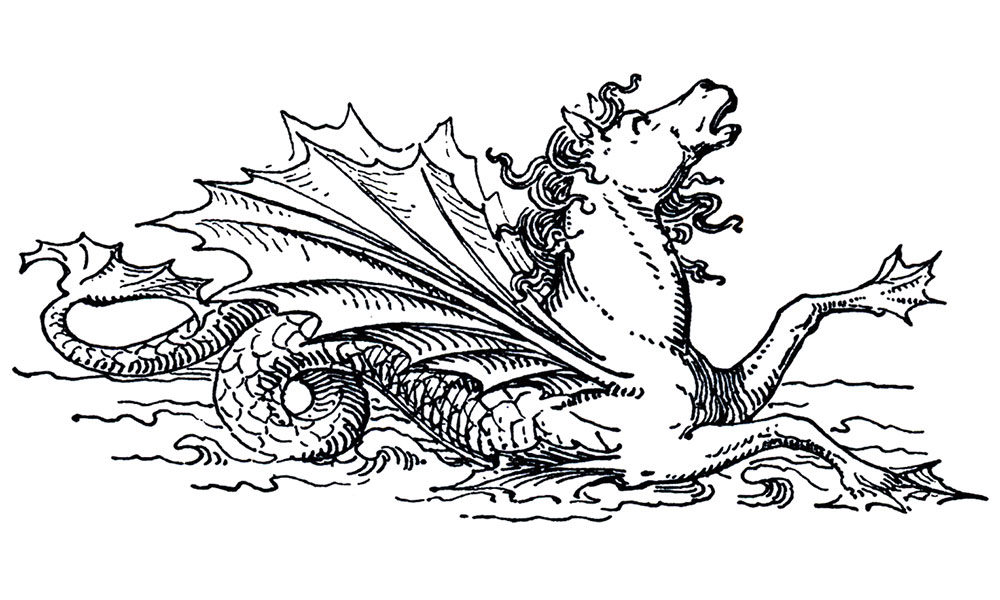
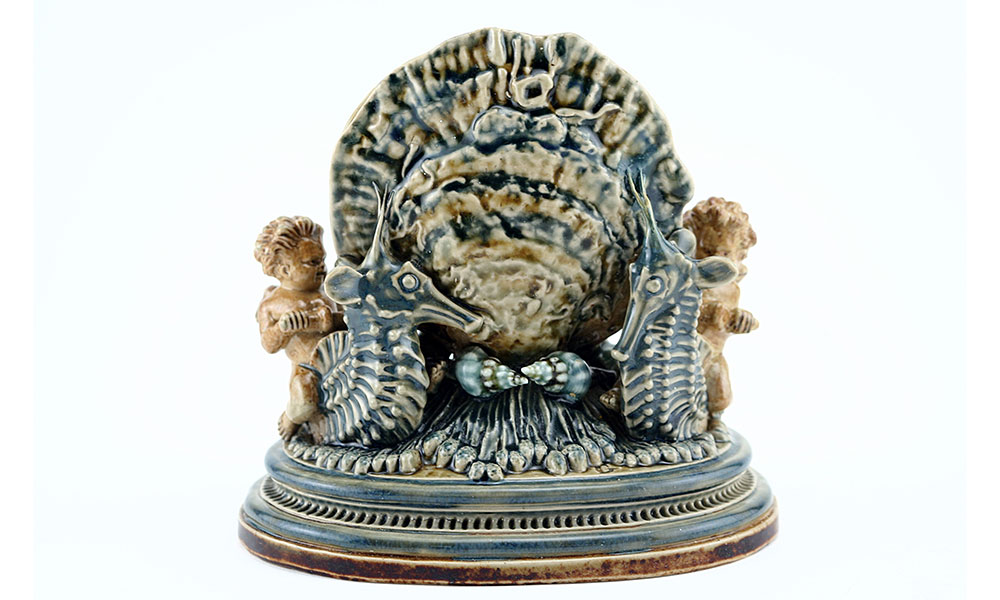
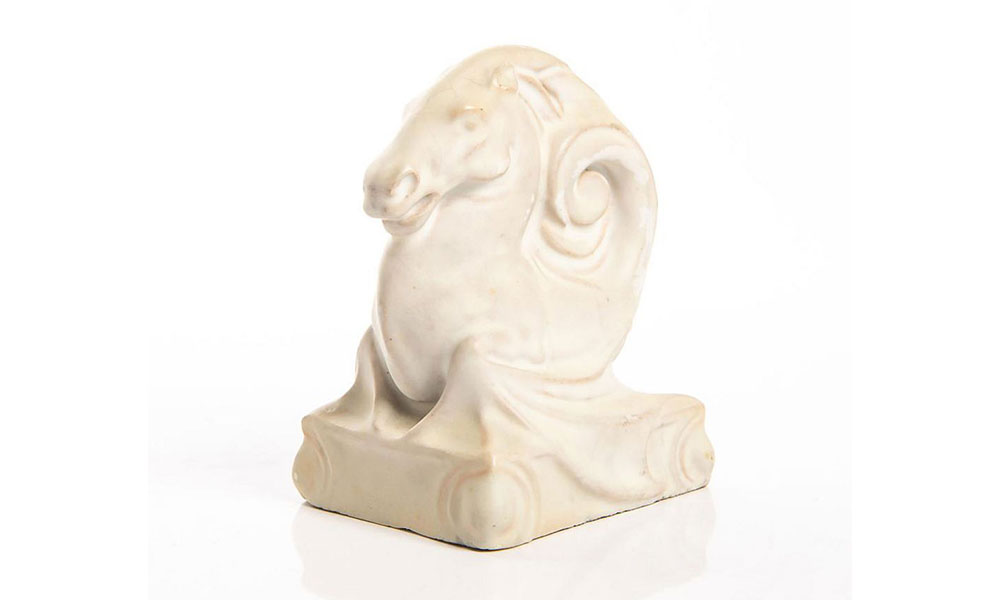
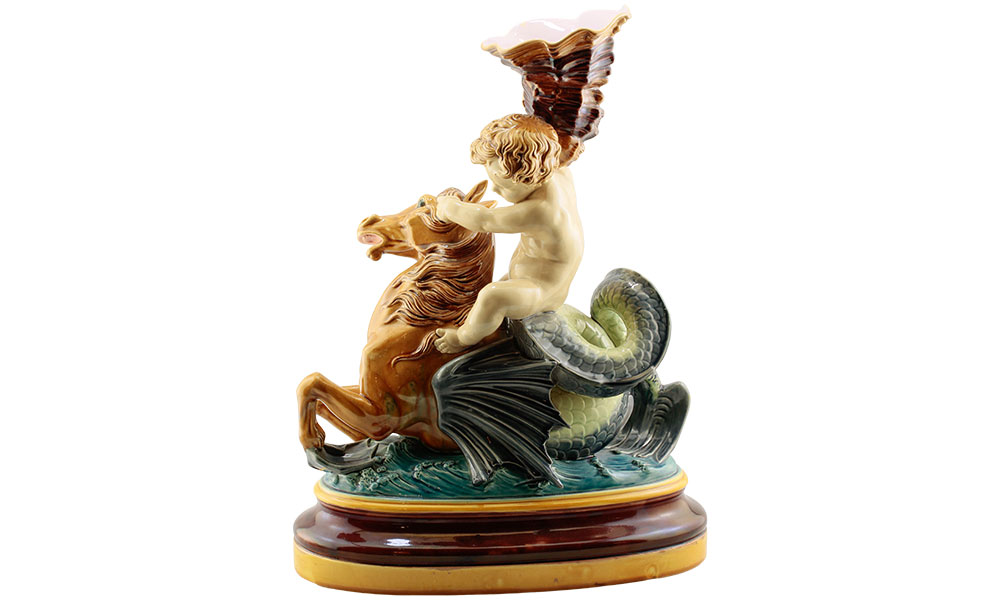
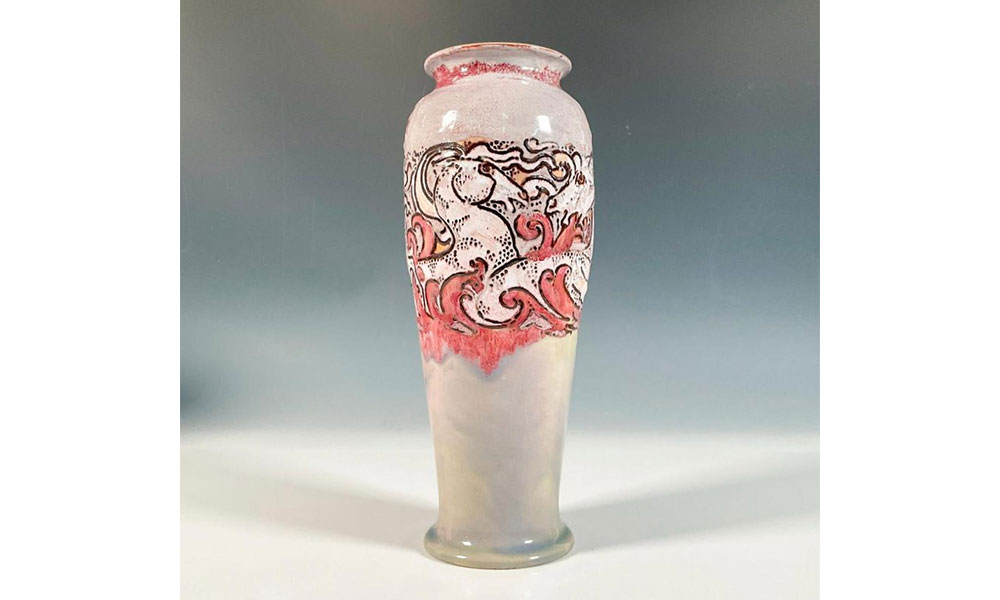
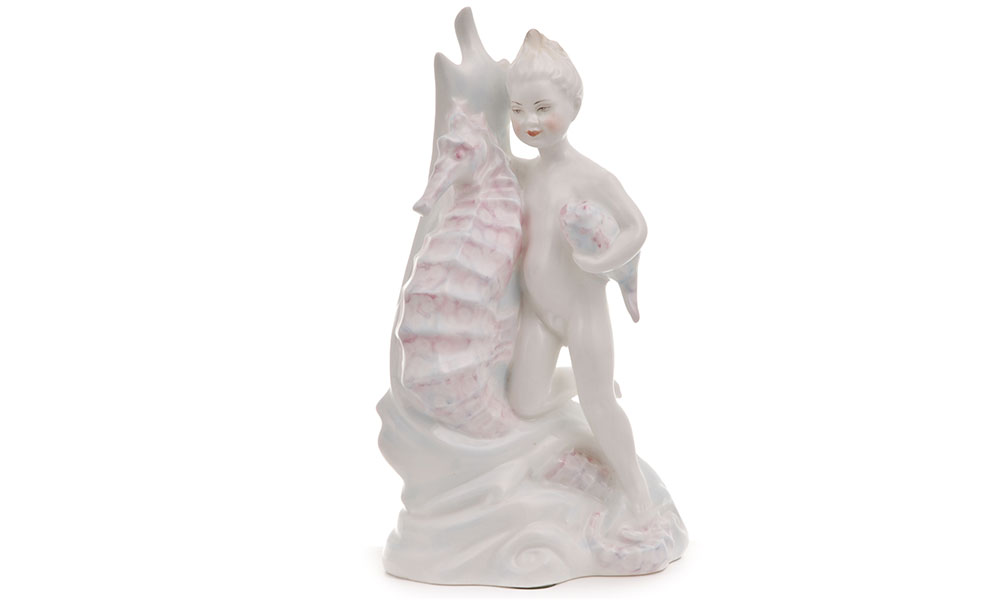
Poseidon, the Greek sea god, known as Neptune to the Romans, is closely associated with the hippocampus, which drew his ocean chariot. Unlike the real seahorse, this mythological sea creature has the head and forelegs of a horse and the lower body of a fish. The hippocampus is also often portrayed as a steed for Cupid, whose mother, Venus, was born of sea foam. During the Victorian era, Albert Edouard Carrier-Belleuse designed Majolica candlesticks for Minton featuring Cupid riding a hippocampus, a subject later reprised in stoneware by John Broad for the Doulton Lambeth Studio. Mark V. Marshall portrayed the mythical hippocampus crashing through the waves for several Doulton vases and sculptures.
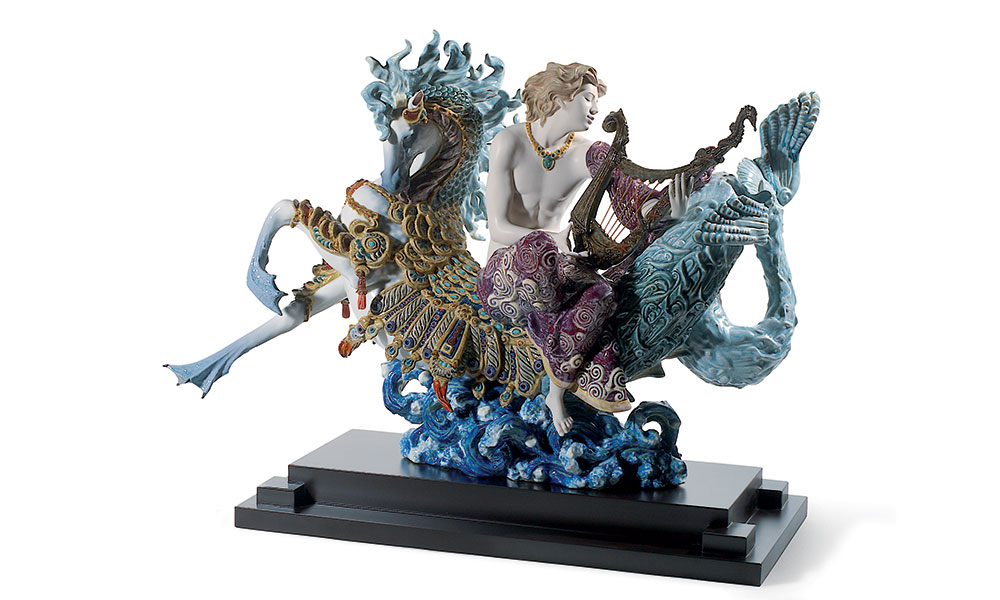
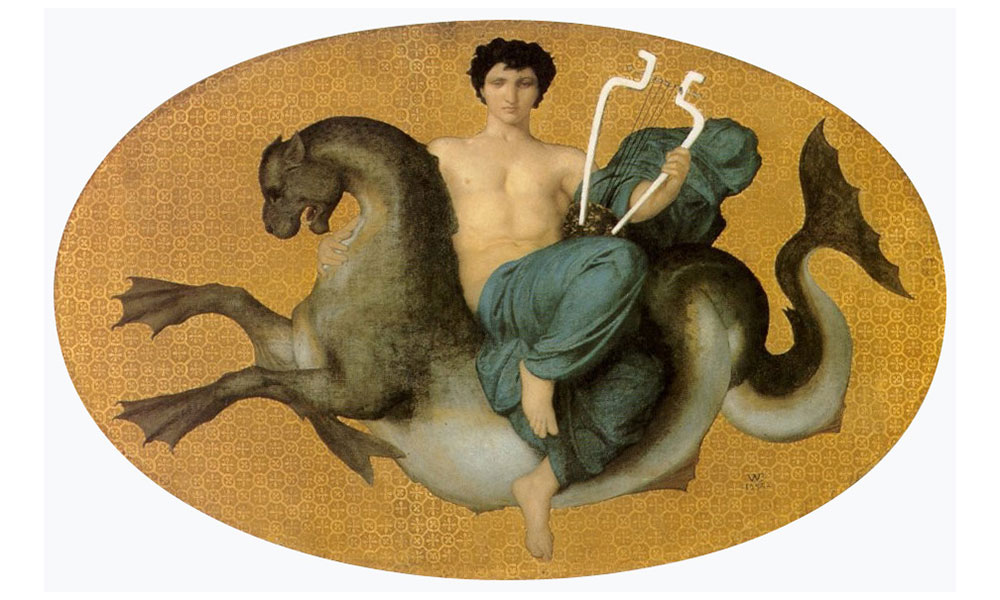
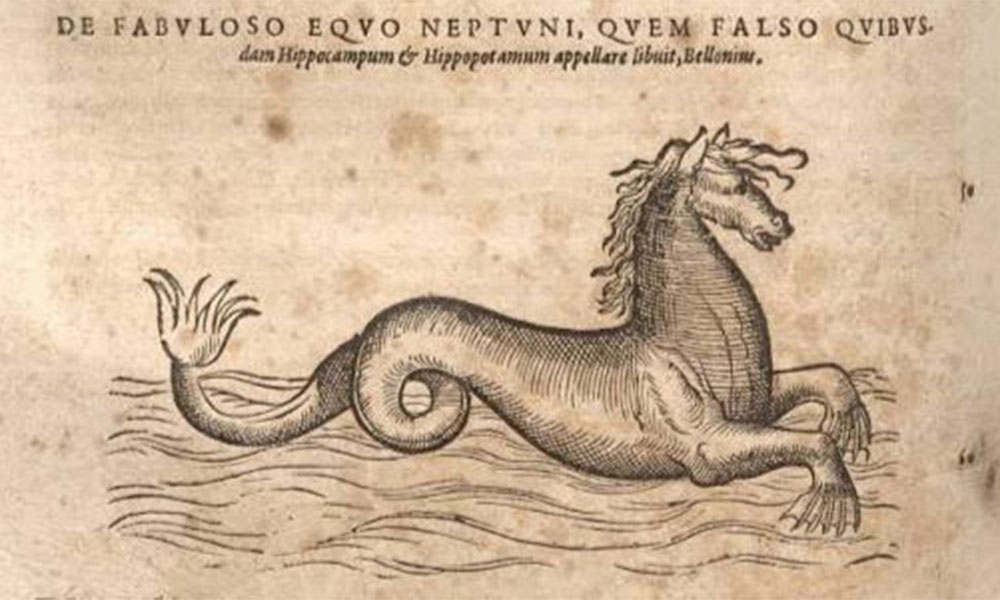
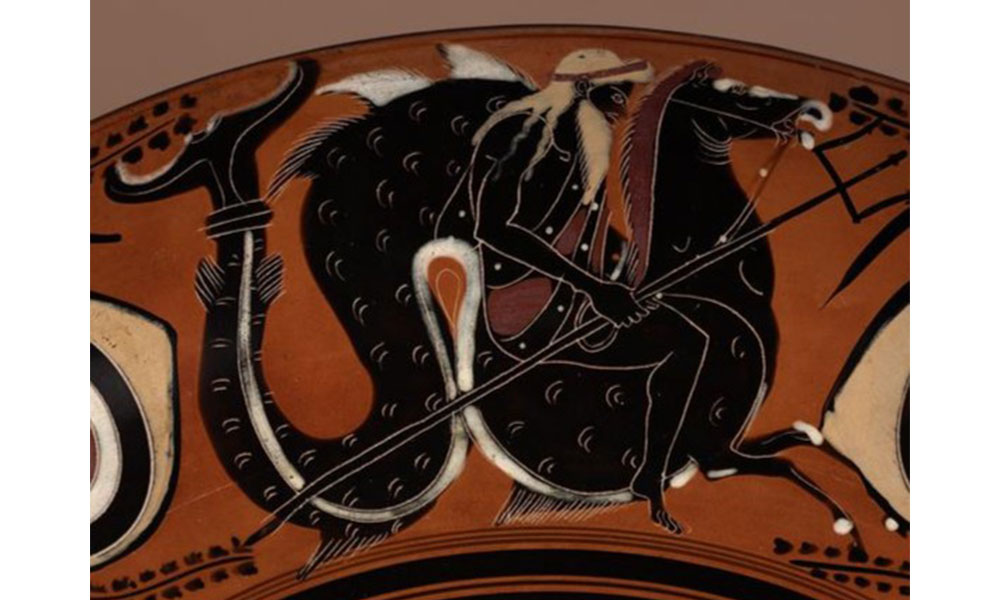
In classical art, Poseidon and Cupid often ride dolphin-like sea beasts, with exaggerated snouts and swirling tails. These mythological creatures are often blurred with the ornamental hippocampus, as in the depiction of Arion, the Greek poet who was kidnapped by pirates and miraculously rescued by dolphins. The Victorian painting by William-Adolphe Bouguereau inspired the spectacular Lladró High Porcelain sculpture of Arion on a Seahorse by Francisco Polope, which is a dramatic centerpiece in our Splash! exhibition.
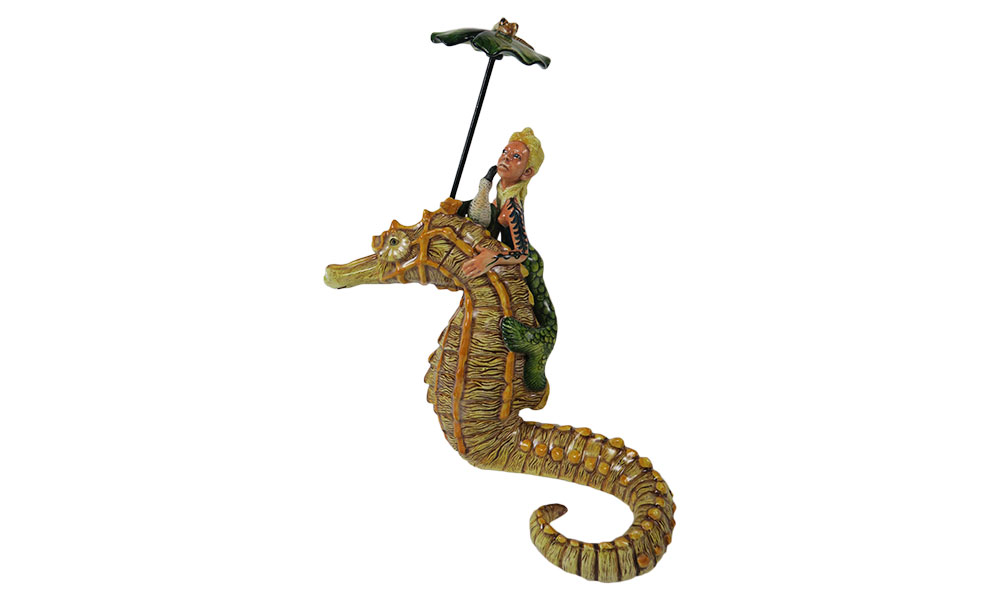
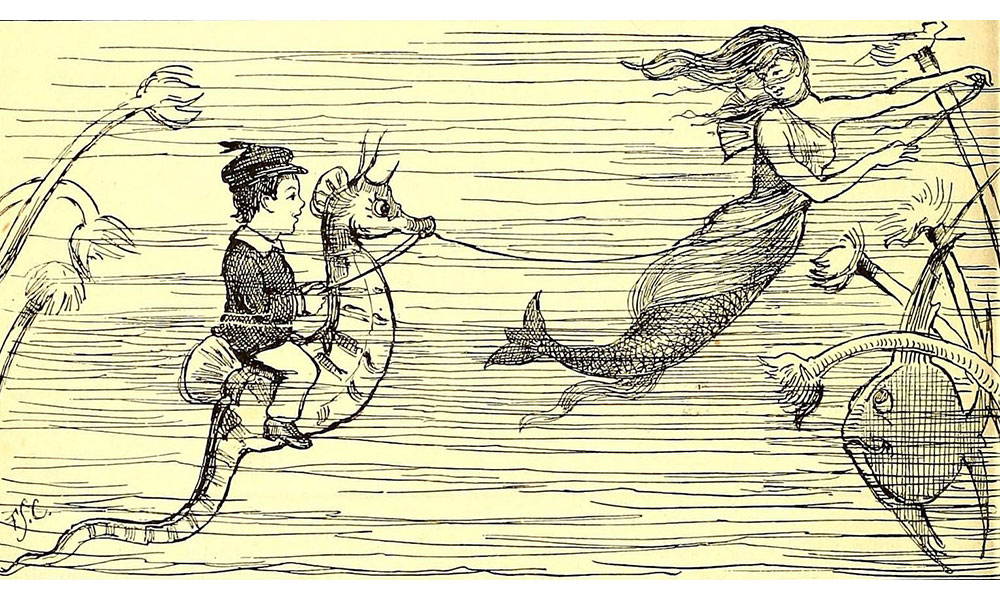
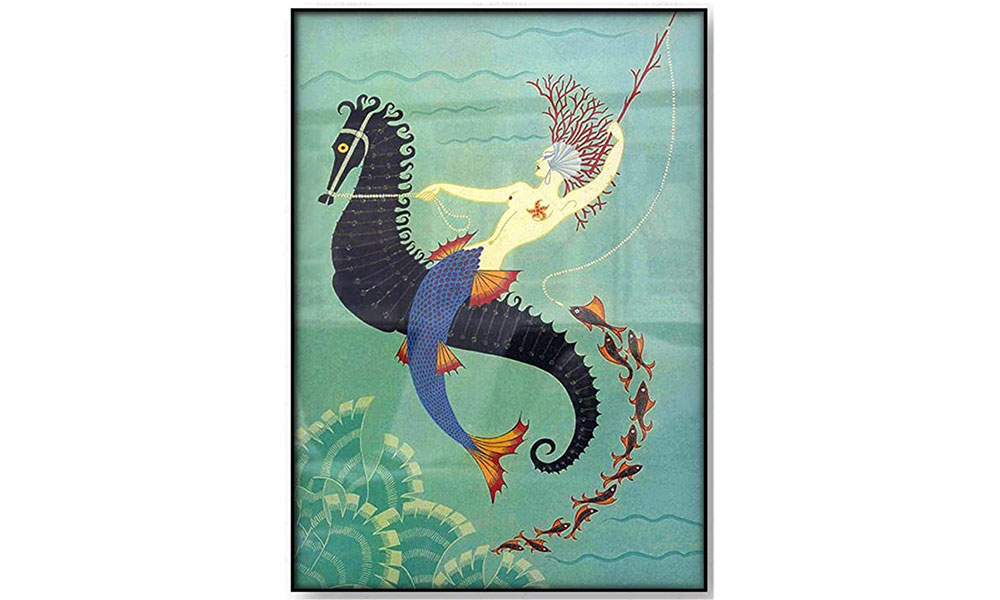
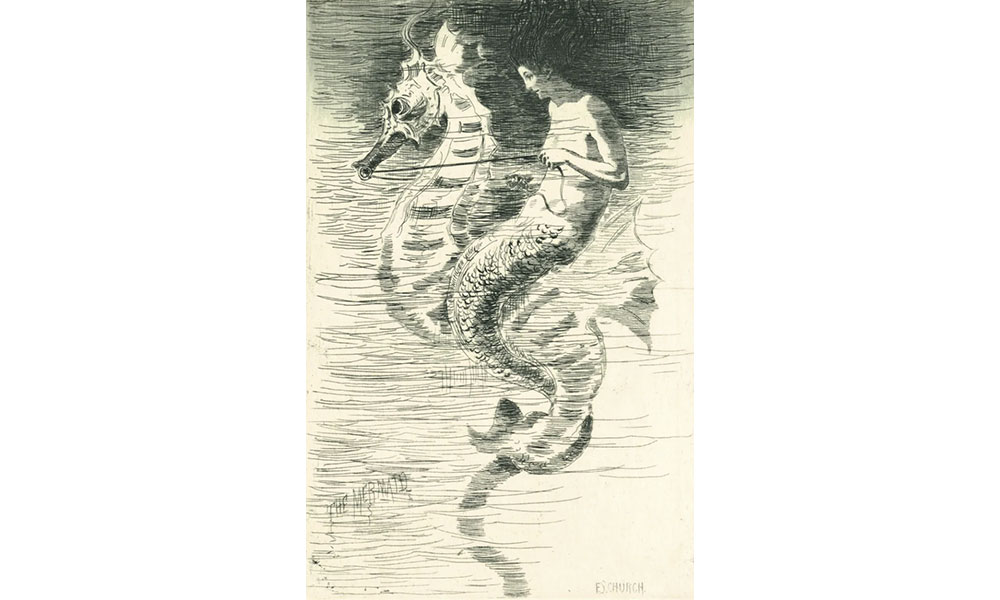
Amphitrite, the Queen of the Sea and wife of Poseidon, was depicted riding on a hippocampus by Charles Vyse, the British studio potter, in 1932. Naturalistic seahorses also appear in vintage fantasy illustrations, often accompanied by mermaids, as in the famous design by Erté, the celebrated fashion and graphic designer. The Ardmore Studio in South Africa has given us a whimsical interpretation, which is featured in our Mermaid Quest scavenger hunt at WMODA.
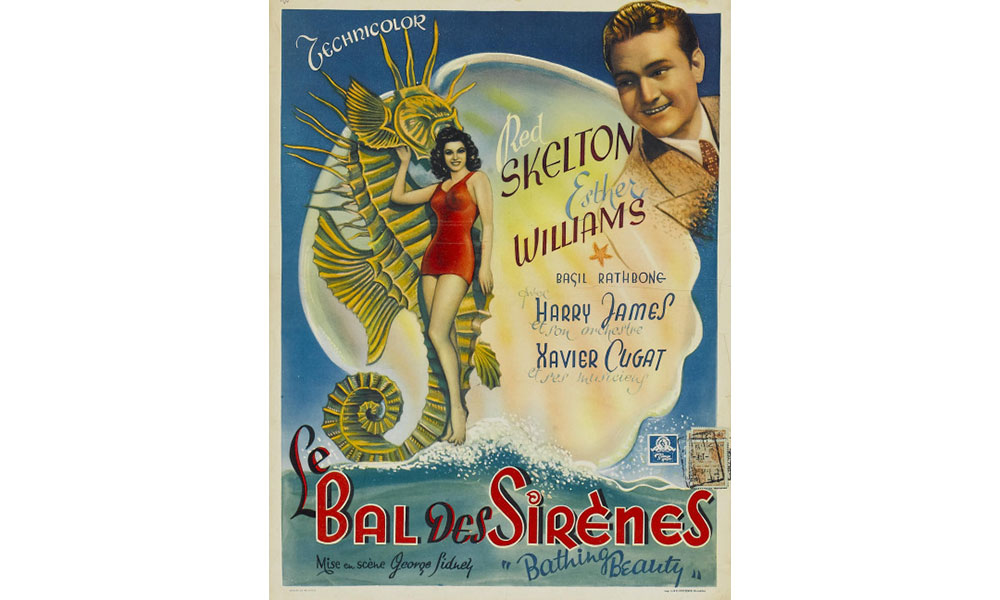
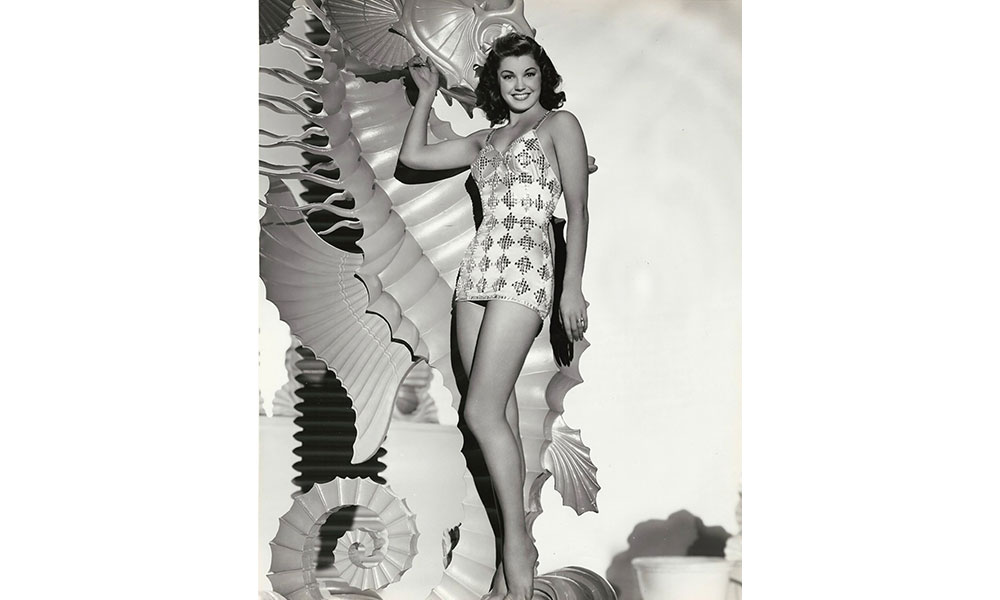
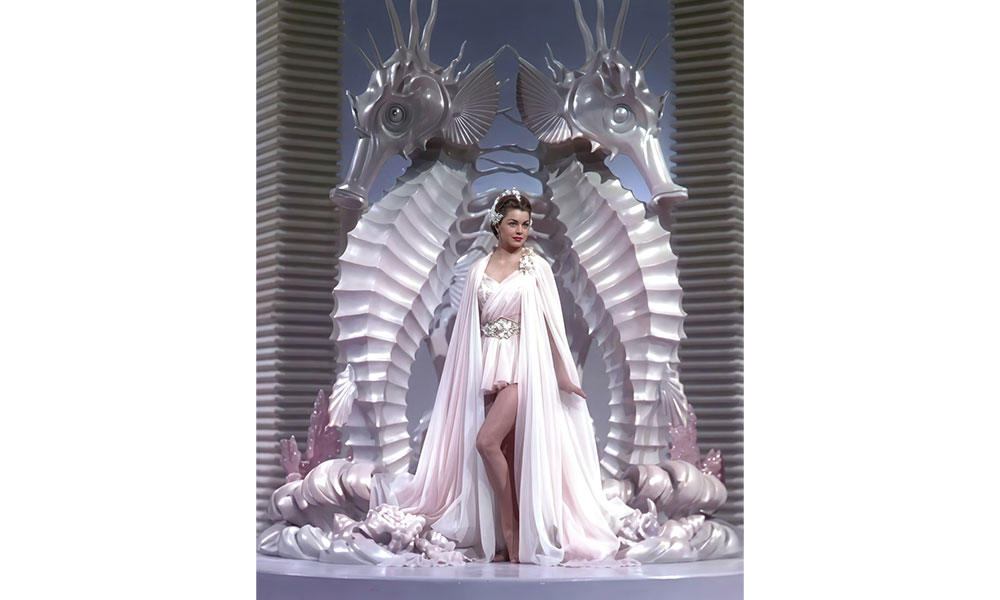
Seahorses take center stage in the glamorous 1944 movie Bathing Beauty, the smash-hit debut of Esther Williams, a stunning competition swimmer. She trained for the 1940 Olympics, which were canceled because of the war, before being discovered by Hollywood and starring in a succession of aqua-musicals with synchronized water ballets, including Neptune’s Daughter and Million Dollar Mermaid.
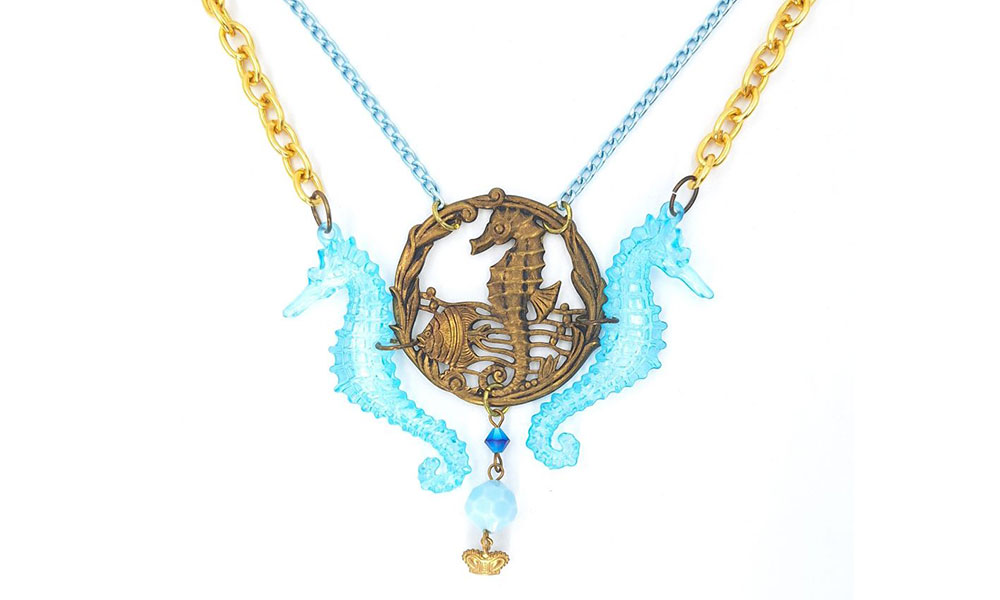
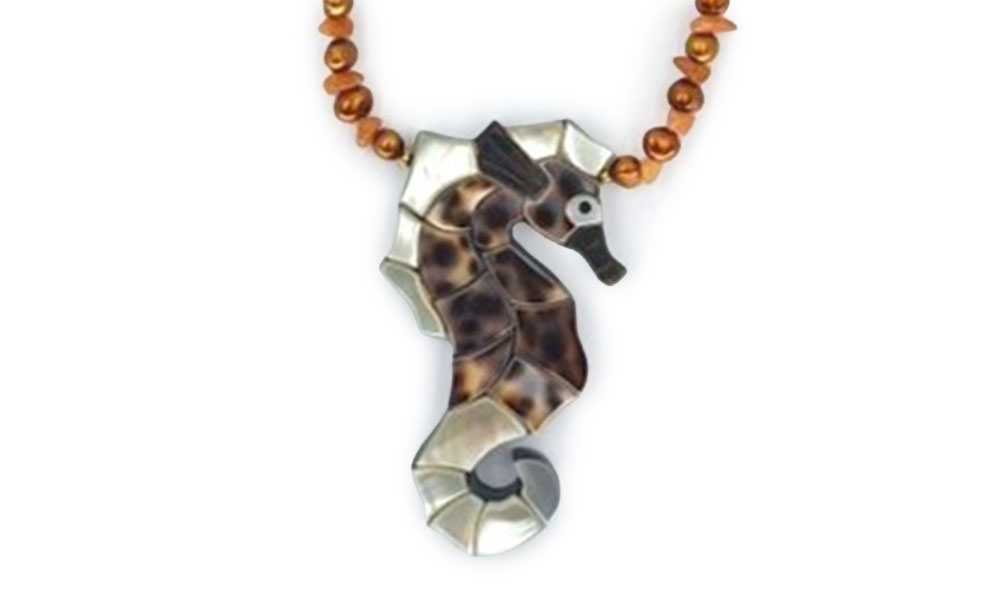
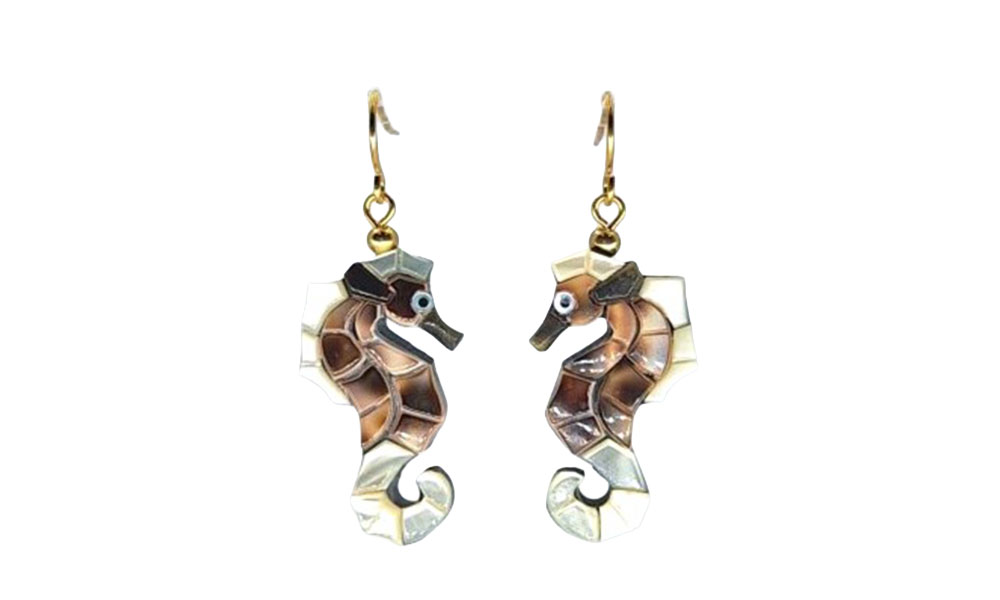
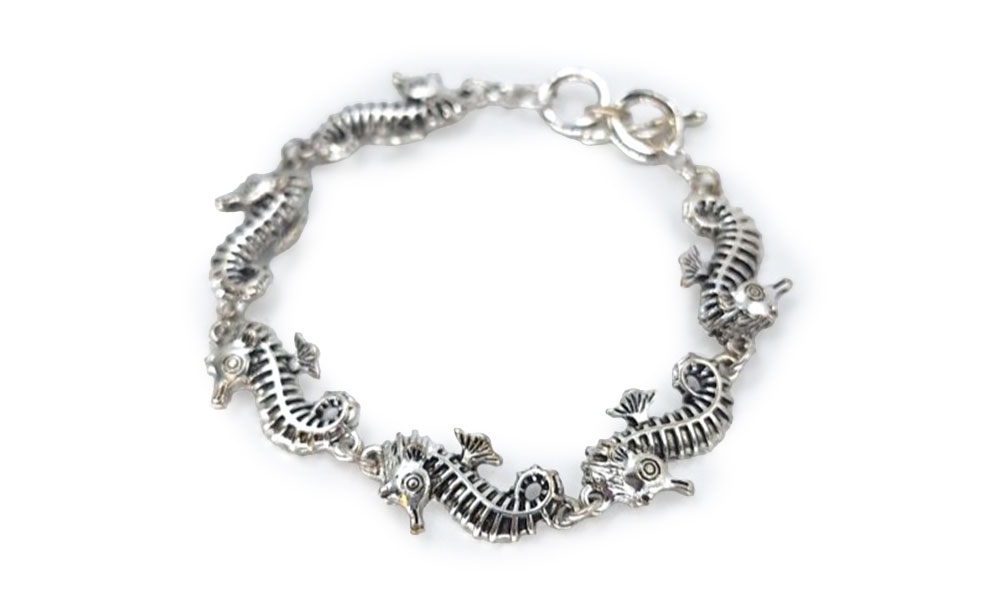
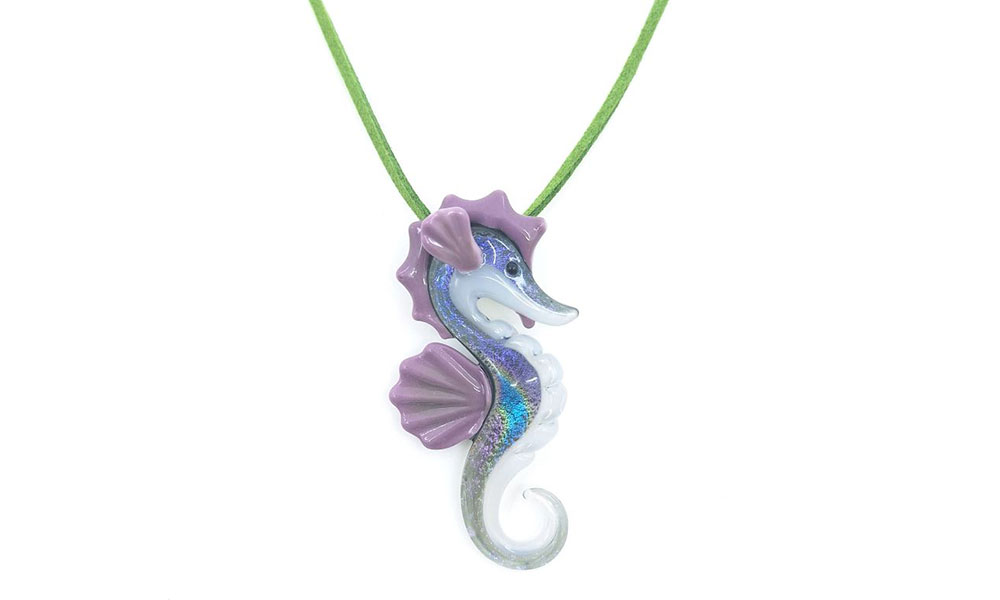
The mid-century costume jewelry era of the 1940s and 1950s introduced the “Jelly Belly” seahorse. When metals were rationed during World War II, designers crafted sea-motif brooches featuring polished Lucite or glass center bellies, which are now sought after by couture collectors. Vintage and novelty jewelry featuring seahorses and other marine creatures from Matchless Glass is available at the WMODA Museum Shop.
Visit WMODA before the Splash! exhibition ends on September 27 to see our shoal of seahorses in all their glory.
The Last Splash Event – September 27
Standing Guard for Sea Turtles
Making a Splash!
Splash into WMODA!
Splash! Exhibition