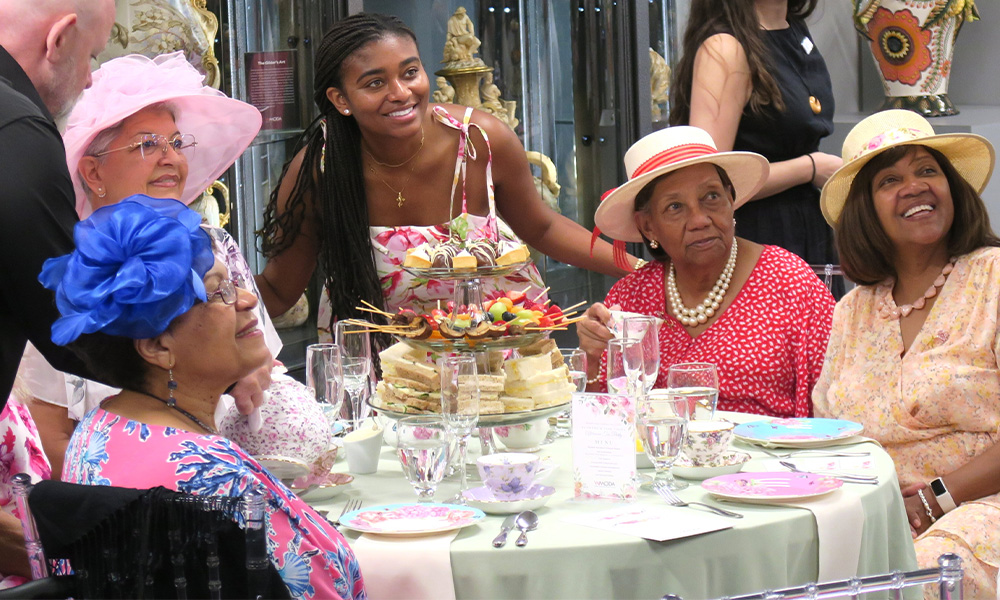
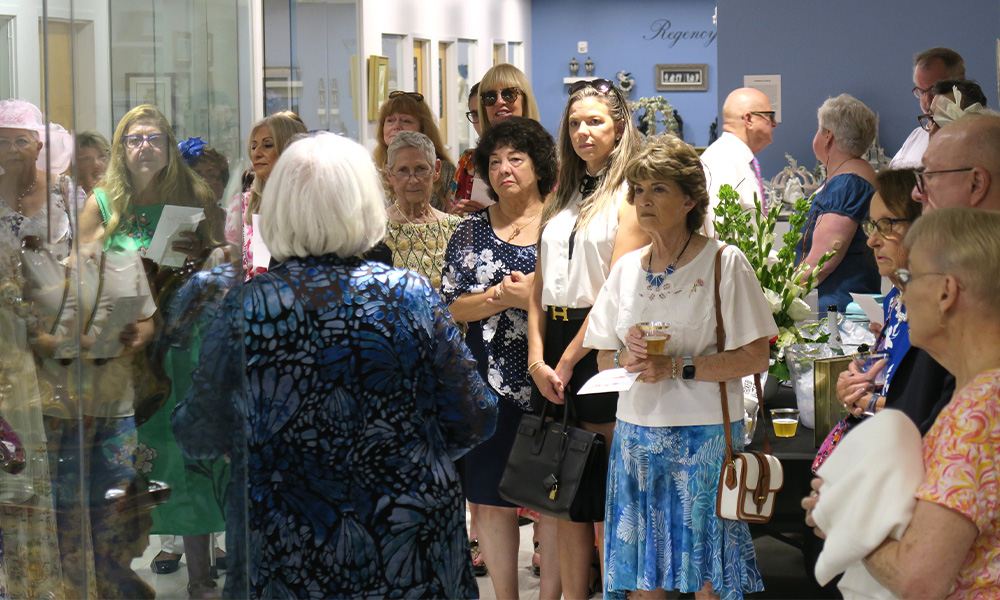
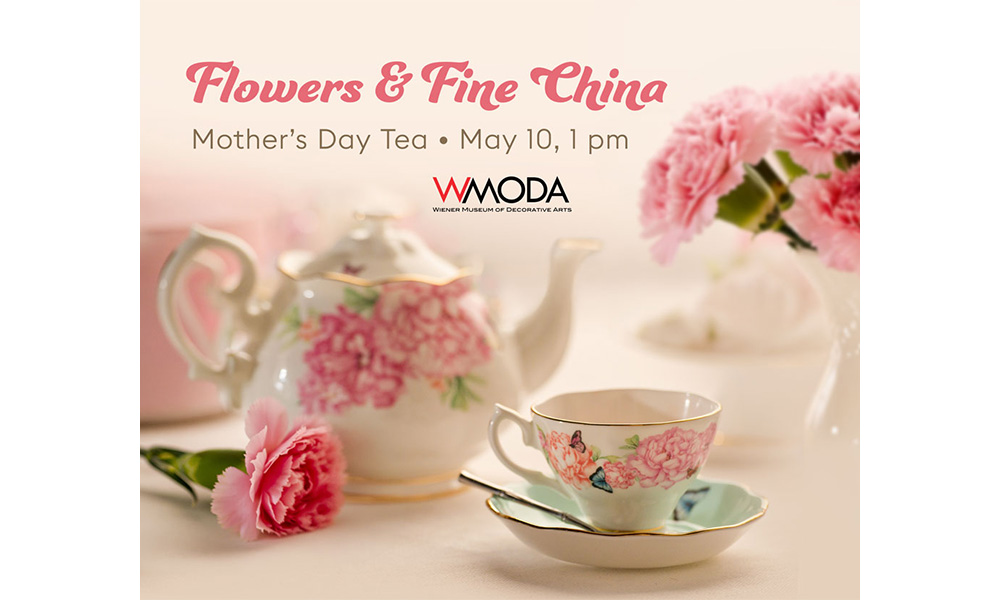
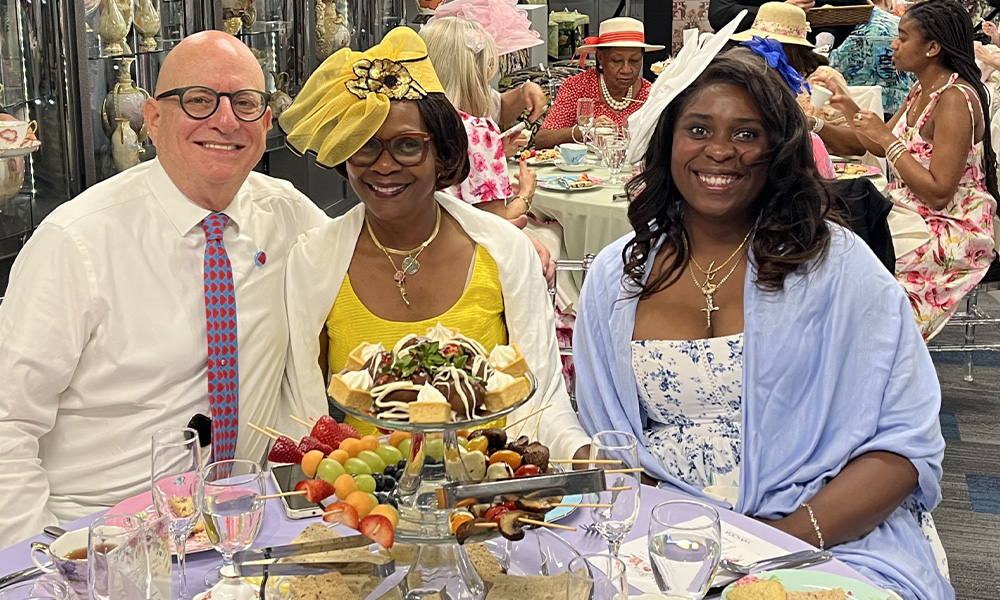
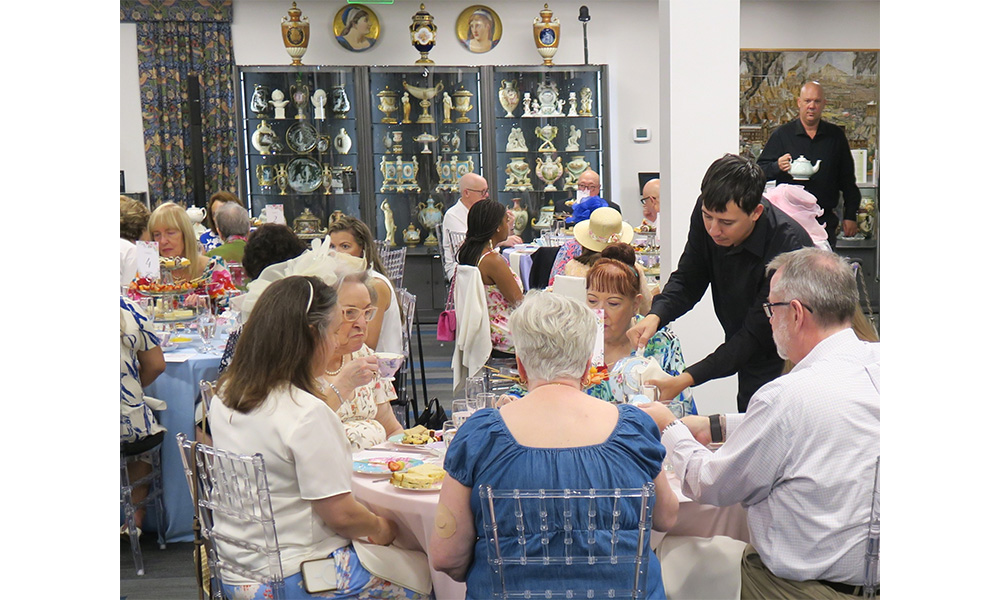
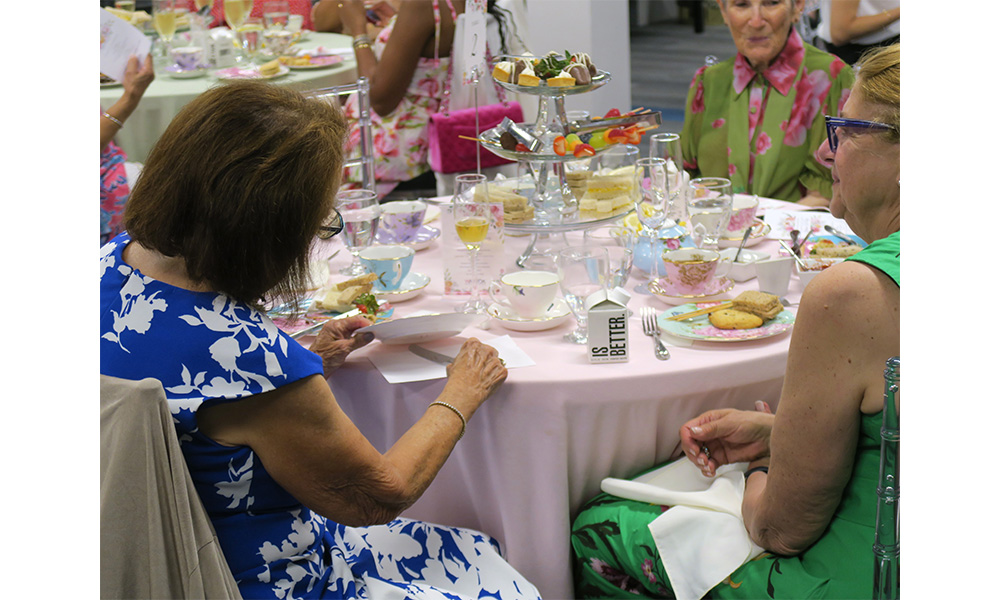
Our Mother’s Day celebration at WMODA was a sell-out success! We honored our mothers, mentors and the important women in our lives with a beautiful tea party in our Victorian Gallery. The “Art of Tea” was celebrated by Louise Irvine, our Executive Director and Curator, who shared tips on British tea etiquette and floriography, the Victorian “Language of Flowers,” using examples from our vast Fired Arts collection.
First, Louise clarified that we were not having “high” tea, a common misconception about traditional afternoon tea enjoyed by high society ladies. In Britain, a “high” tea is also known as a “meat” tea and is a fuller meal served after a day of work. The Victorian afternoon tea tradition was introduced in the 1840s by Queen Victoria’s former lady-in-waiting, the Duchess of Bedford, after she experienced a sinking feeling in the afternoon before dinnertime. Refreshing tea and sandwiches were served between 5 and 7 pm, leaving time to change for dinner, which was fashionably late.
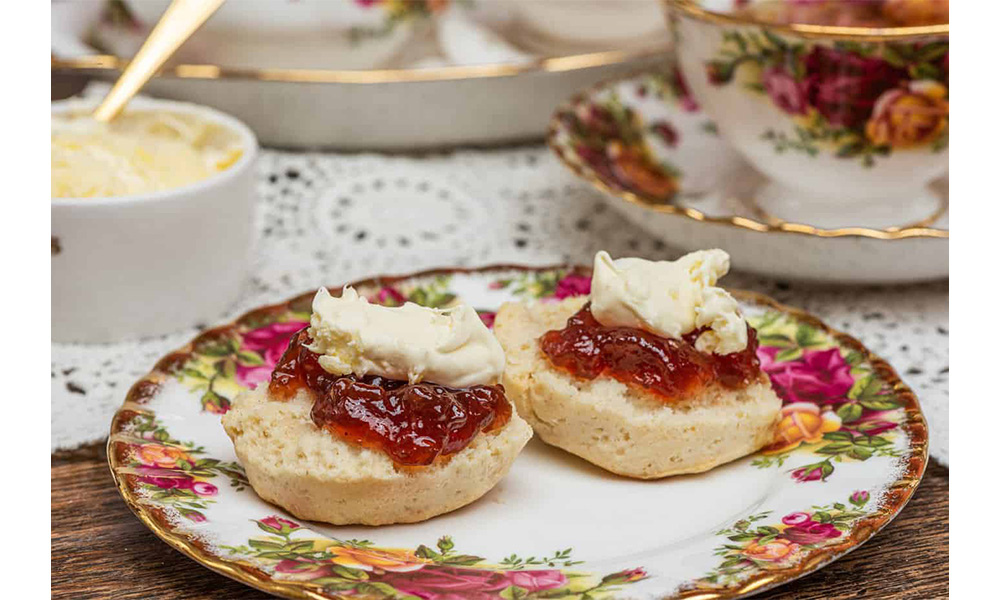
As tea became more affordable during the 19th century, the custom of afternoon tea spread to the middle classes. The expansion of the railways enabled city dwellers to take vacations in the countryside, and tourists discovered the rural delights of Devon and Cornwall in the West Country. These counties vied to serve the most scrumptious “cream” teas with scones, clotted cream, and strawberry jam. Scones appeared on the afternoon tea menu in the 1890s, derived from a 16th-century Scottish recipe, and Louise debated the order of spreading the cream and jam. In Cornwall, they prefer jam first, topped with cream, and in Devon, they use cream like butter, with jam on top.
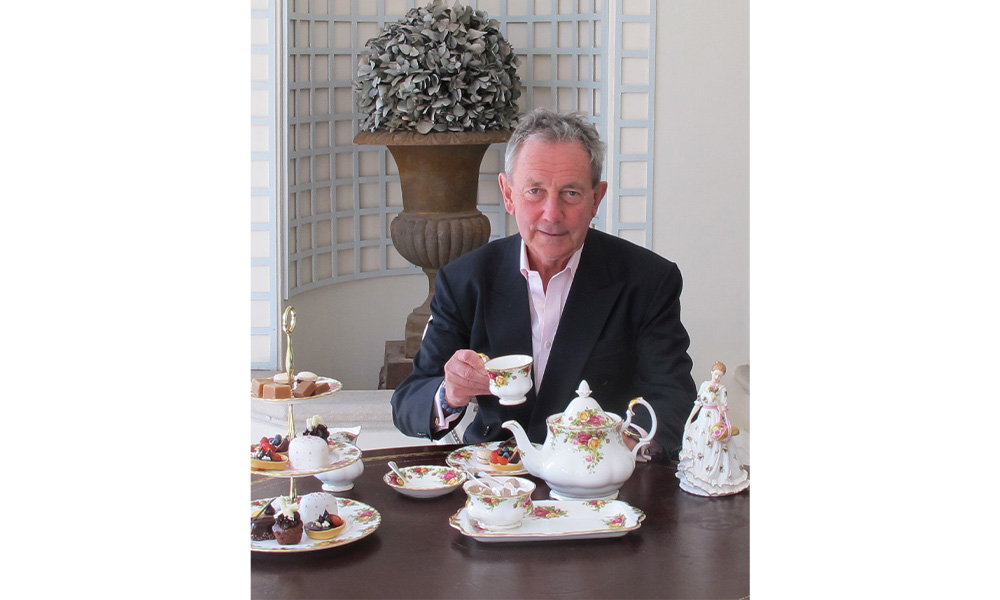
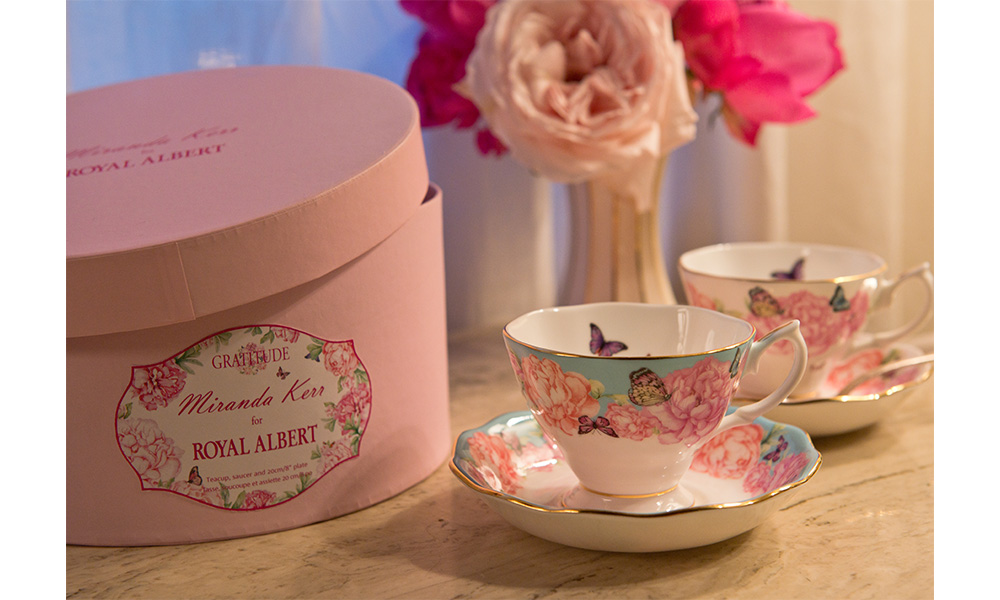
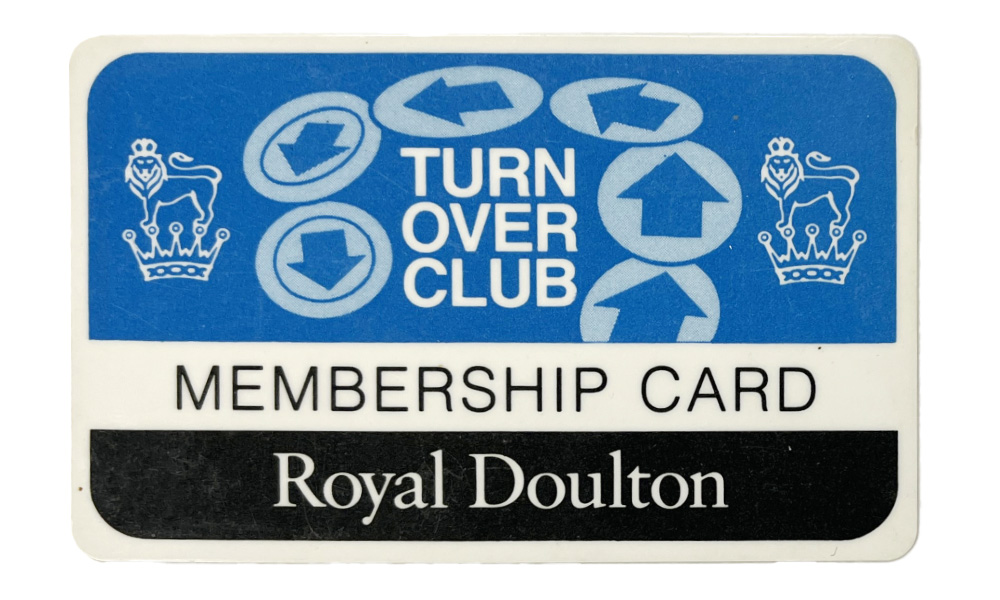
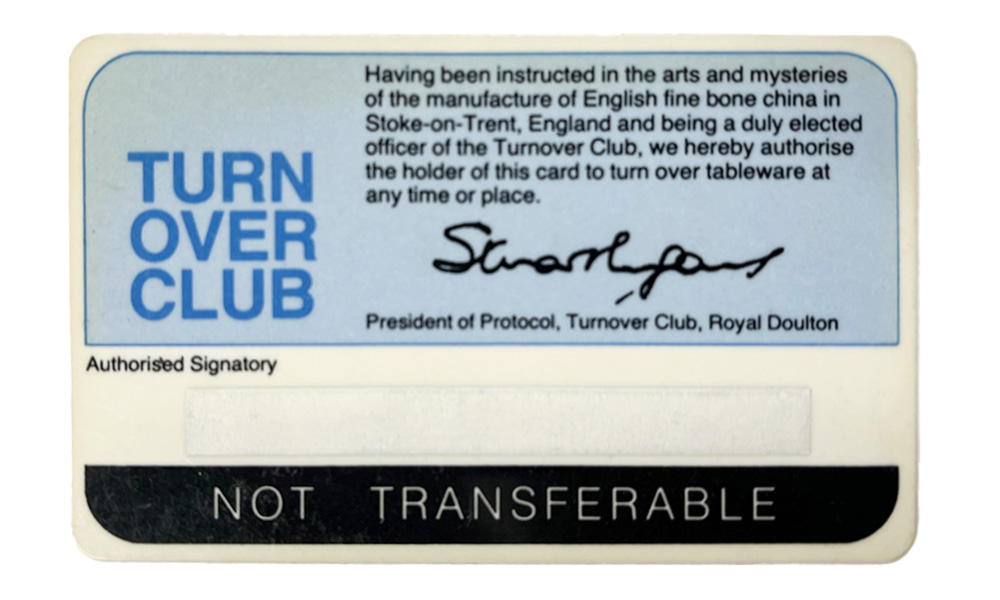
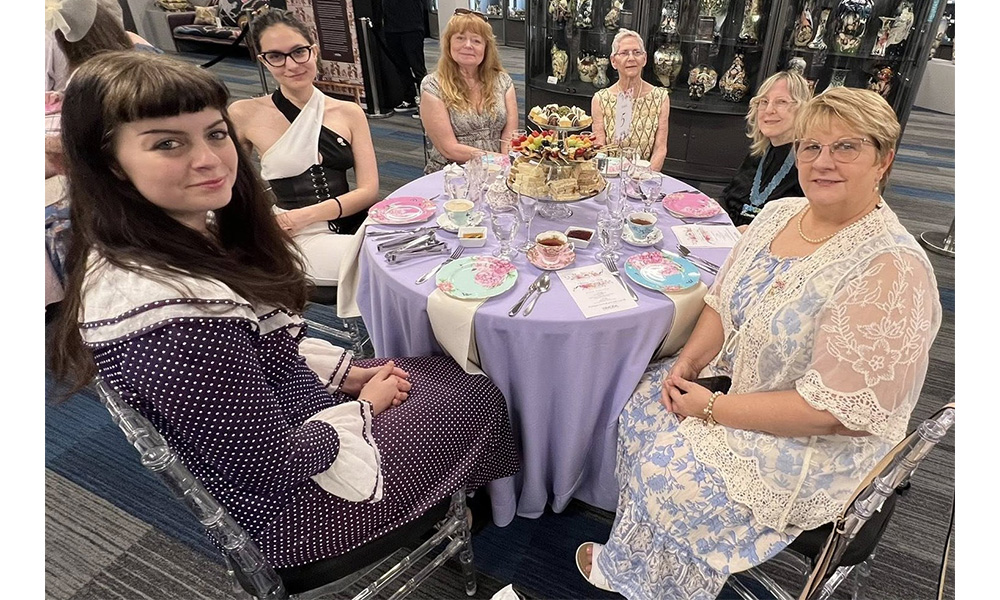
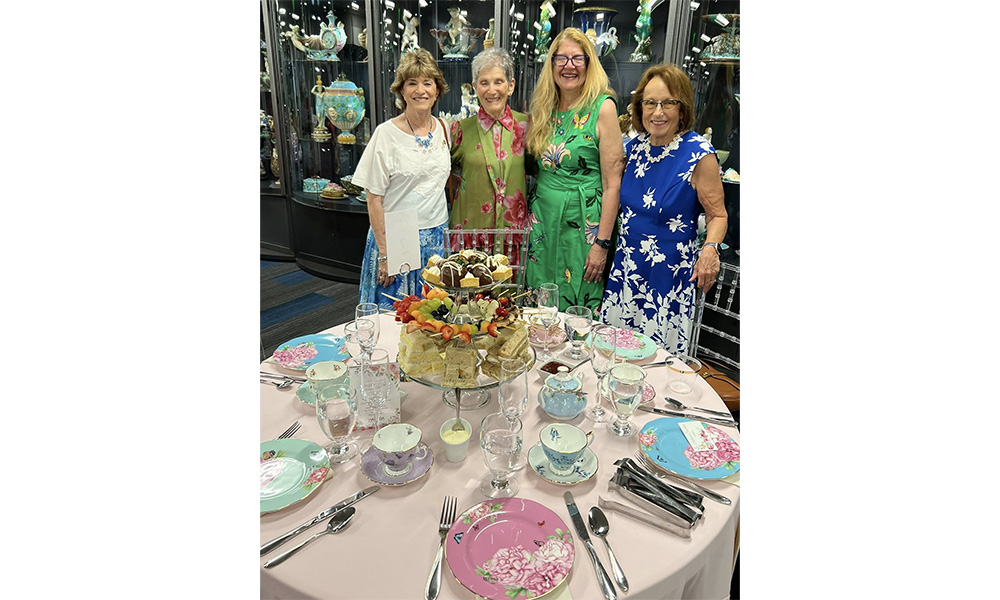
Louise also discussed when to add milk to the tea. Originally, milk was poured first, as the boiling-hot tea cracked early porcelain cups. The first teacups from China had no handles, resulting in burned fingers, and English porcelain factories began adding handles in the mid-18th century. Nowadays, with strong bone china tea sets, thermal shock is not an issue at teatime. At WMODA, we use Royal Albert tableware, set in Harlequin style, with a variety of floral patterns celebrating the company’s centennial. Louise showed guests how to discreetly identify their host’s china brand using a reflective knife, a trick suggested by Royal Doulton’s “Turnover Club” in the 1980s.
Holding the teacup appropriately, with no pinkies in the air, ensured there were no social faux pas at WMODA. Supposedly, this tradition dates to medieval times, before knives and forks, when chivalrous knights used three fingers to eat. Their pinkies were raised to demonstrate their elite status as opposed to commoners, who used five fingers to handle their food. White-glove tea service became fashionable in opulent hotels in the early 1900s, and 3-tiered cake stands appeared in palm courts hosting Tango tea dances.
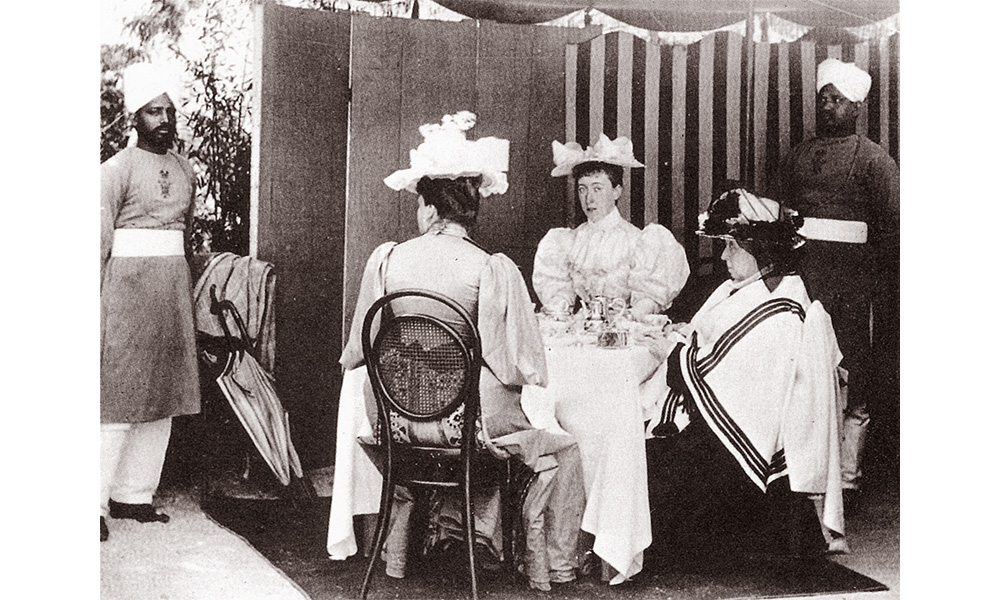
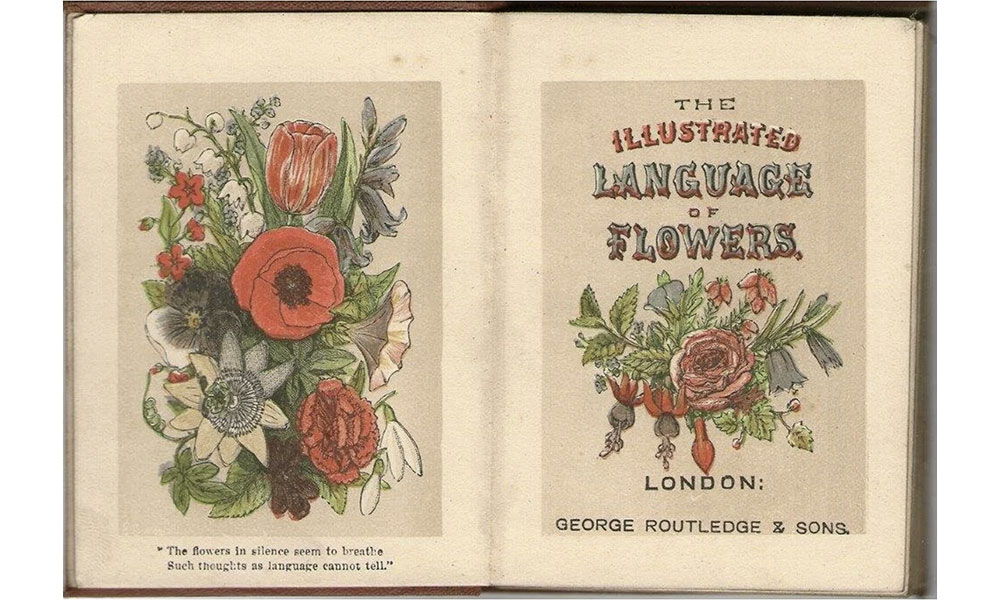
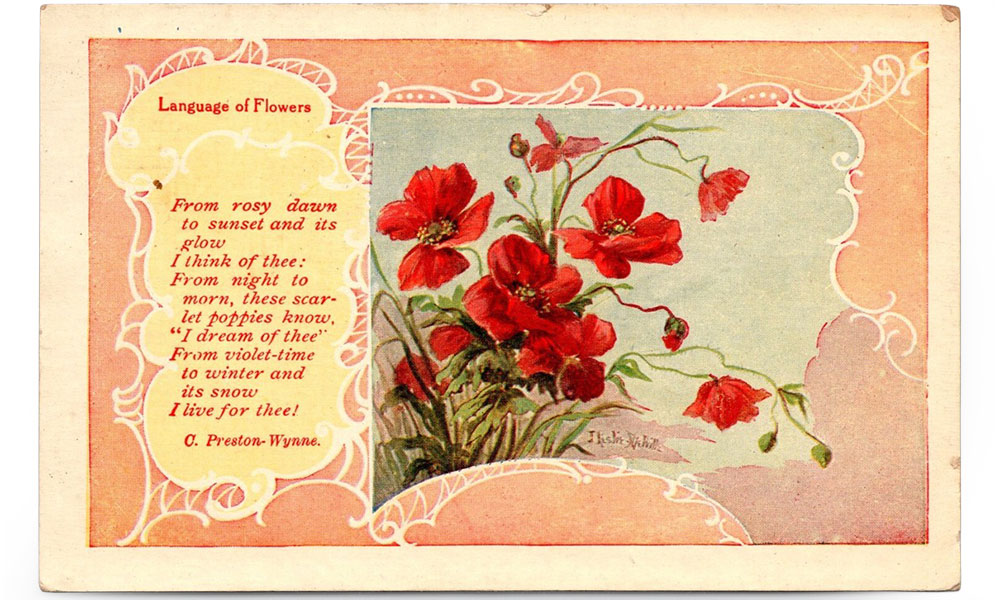
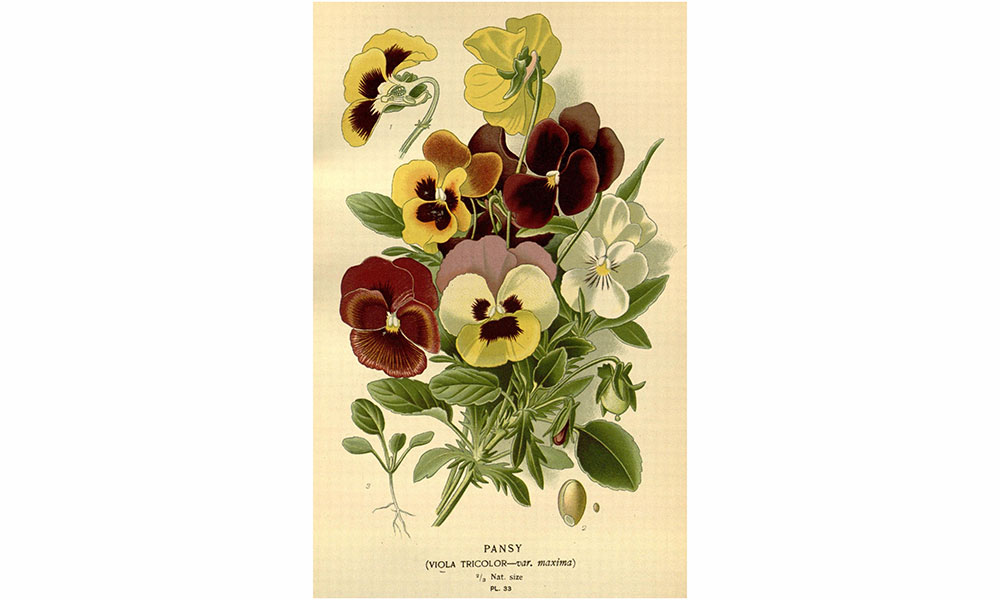
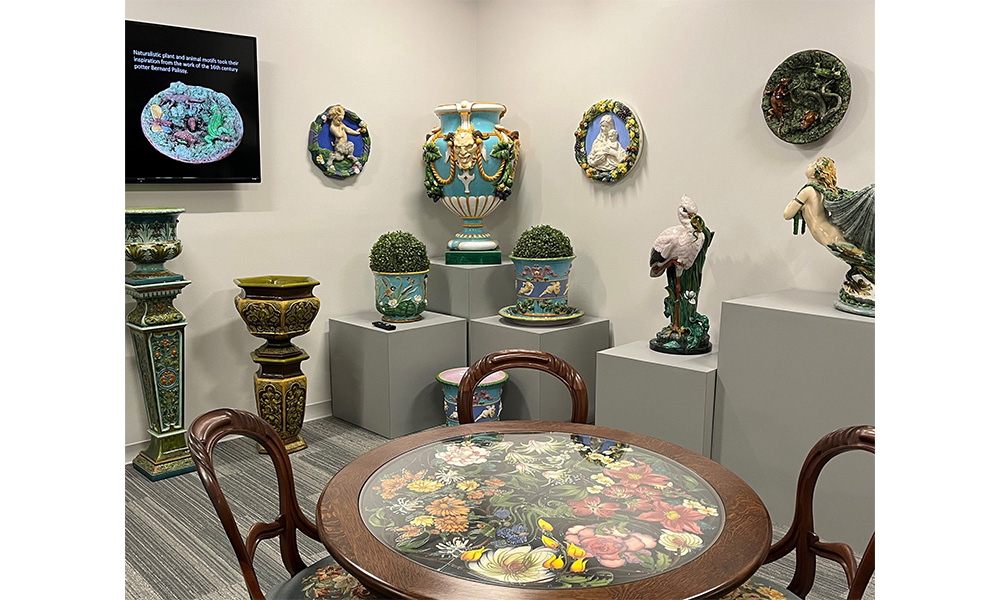
Queen Victoria enjoyed taking tea outdoors, and afternoon garden parties became popular during her reign. The conservatory was an alternative during inclement weather, and Louise showcased the “Secret Garden” at WMODA, featuring Minton Majolica garden ornaments and Royal Doulton jardinières, which were widely used in Victorian homes. Louise also introduced guests to Moorcroft’s Florian ware, featuring popular flowers from the Victorian era and interpreted their meanings using the Language of Flowers dictionaries.
The authors of floriography did not necessarily agree on the sentiments expressed by different flowers, so it was important to consult the same reference books to decode the messages. For instance, a pink carnation meant fascination, but a striped one meant refusal, and there were 30 different meanings for roses, depending on the color of the bloom.
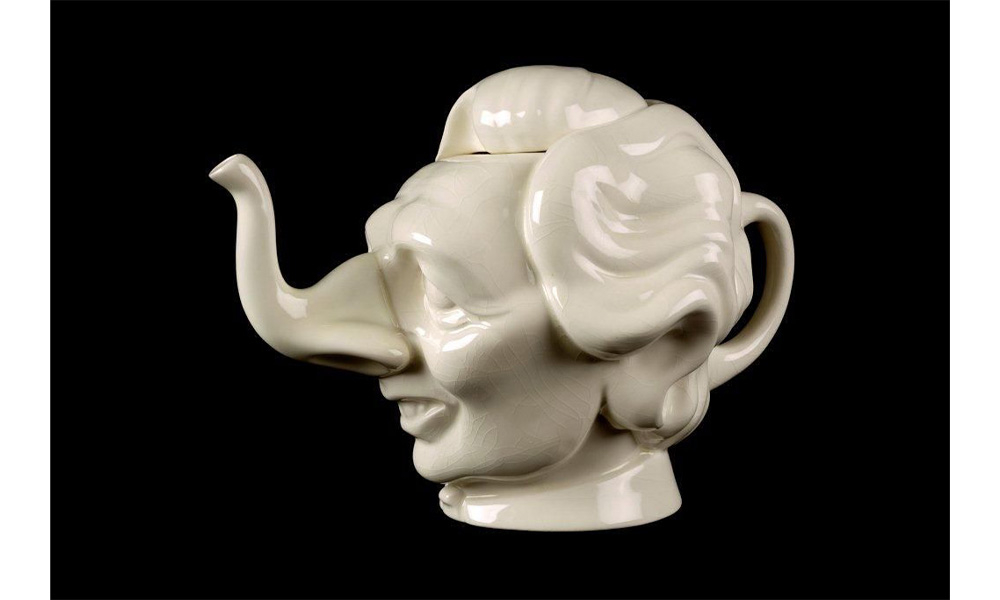
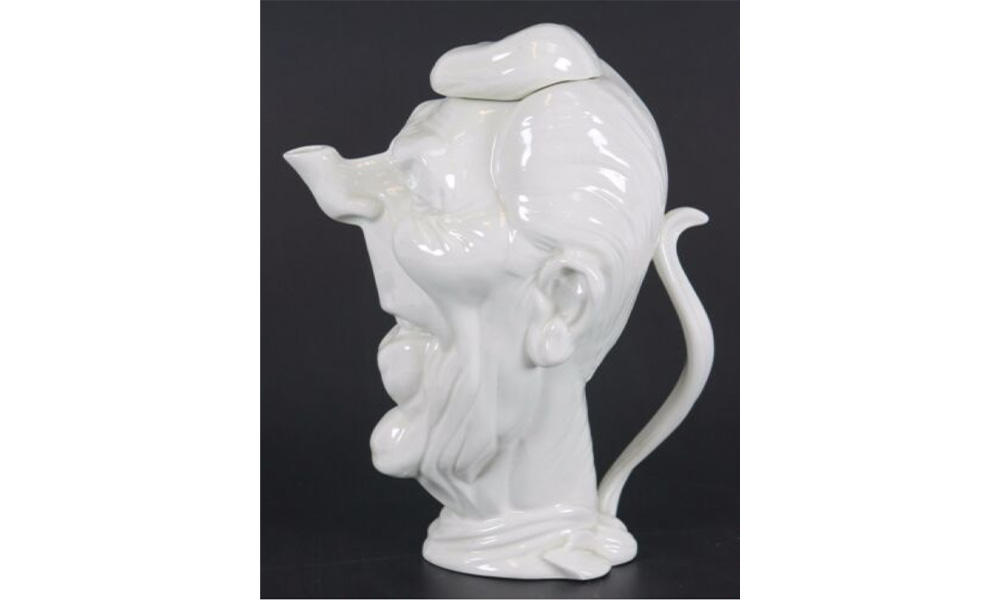
Tea drinking became popular in Colonial America, thanks to English and Dutch settlers who wished to demonstrate their elite social status. However, trouble brewed when exorbitant tea taxes provoked dissent and smuggling, culminating in the infamous Boston Tea Party, a riotous event in 1773, that marked the beginning of the American Revolution. Tea drinking was considered unpatriotic, and coffee was the favored beverage. Louise showed the humorous Maggie Thatcher teapot and Ronald Reagan coffee pot, inspired by the Luck & Flaw puppets from the satirical TV show Spitting Image, which ridiculed these cultural differences.
Afternoon tea parties became popular in Gilded Age America, where social gatherings were designed to display affluence and elegance. Alva Vanderbilt served tea to fellow suffragettes at her Newport mansion, using teapots bearing the “Votes for Women” slogan. The American taste for iced tea parallels the development of refrigeration during the 1800s, when cold green tea punches were often laced with liquor. Iced tea was popularized after the St. Louis World’s Fair in 1904, and June is now recognized as National Iced Tea Month. Tea bags are also an American invention, credited to a New York tea merchant who produced samples in silk muslin bags and discovered they were being used to brew tea, thus avoiding the mess of tea leaves.
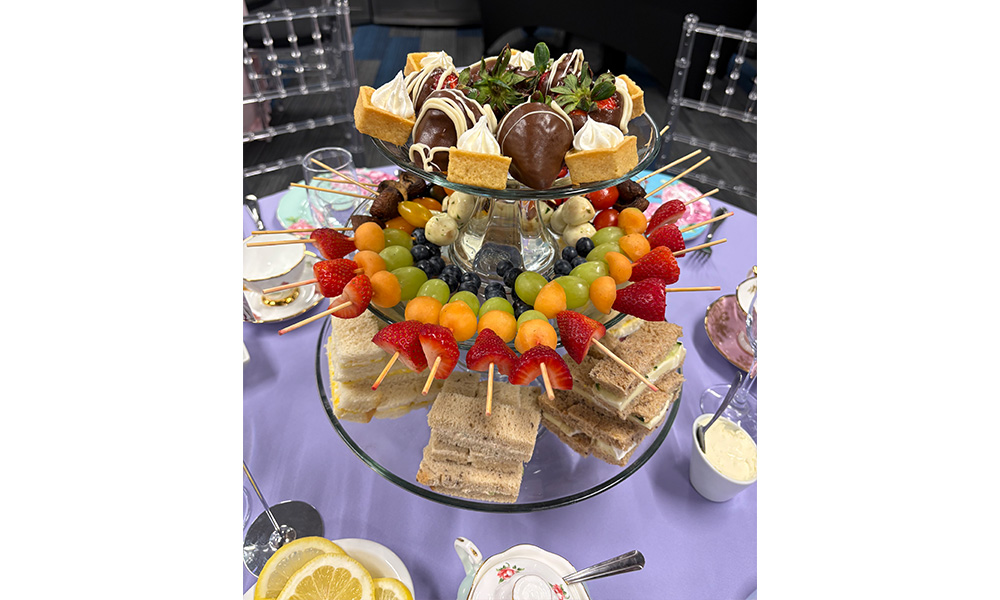
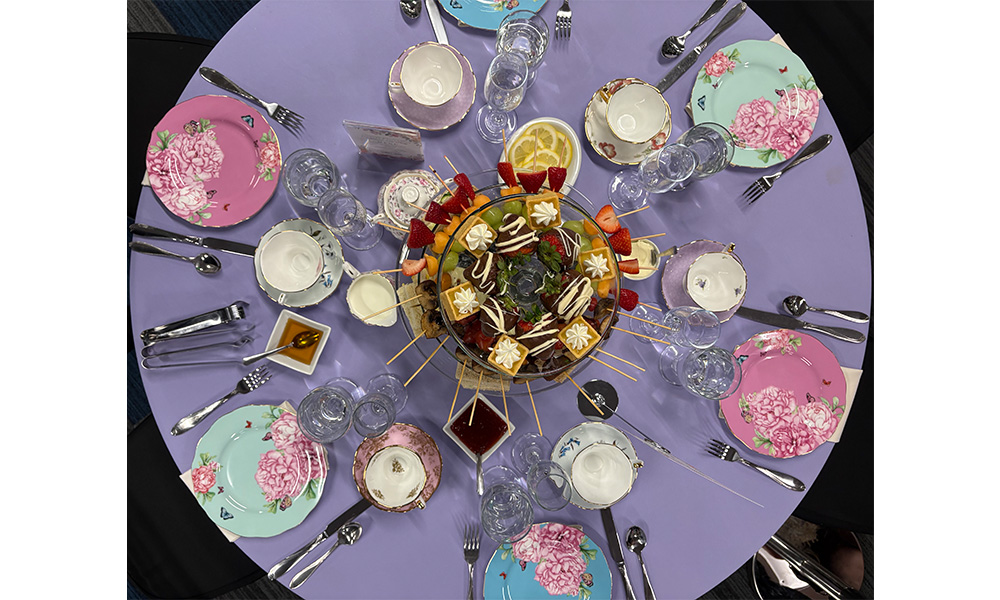
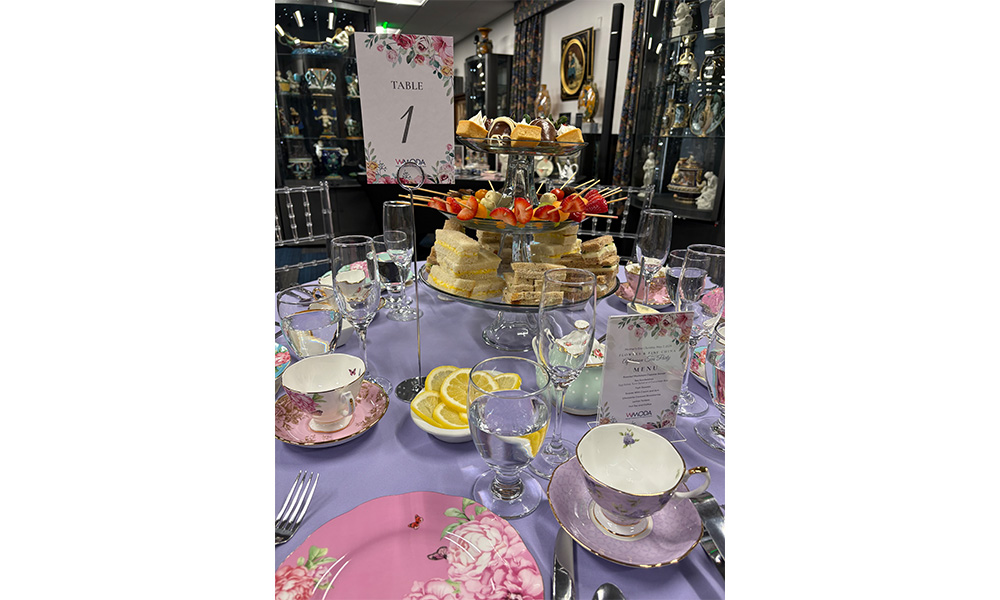
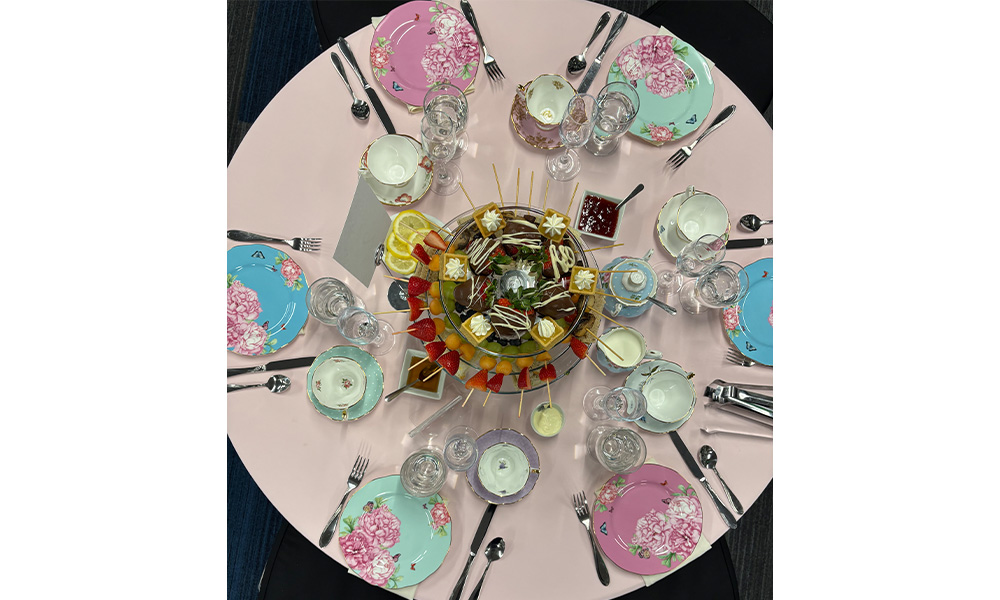
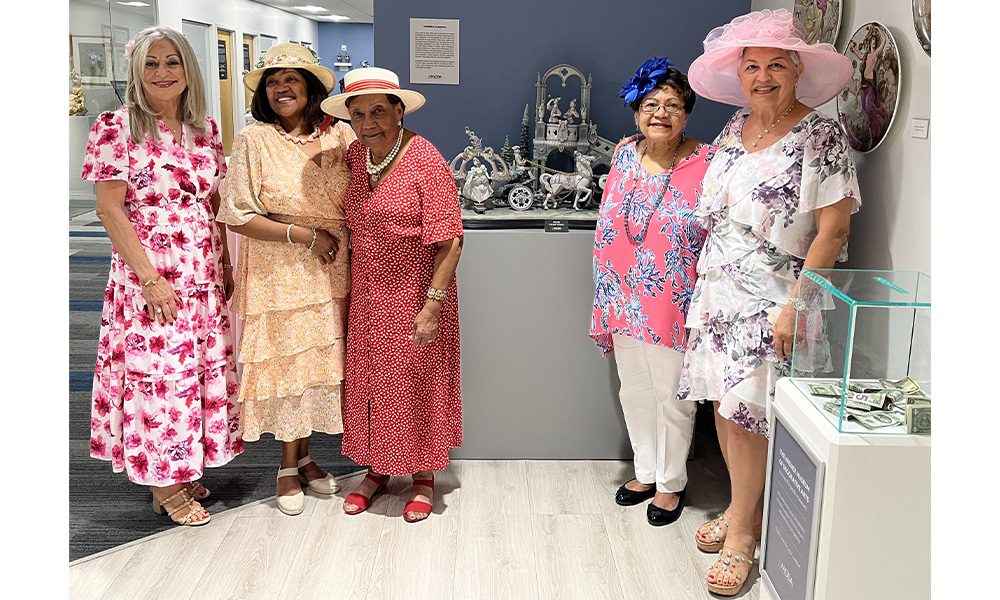
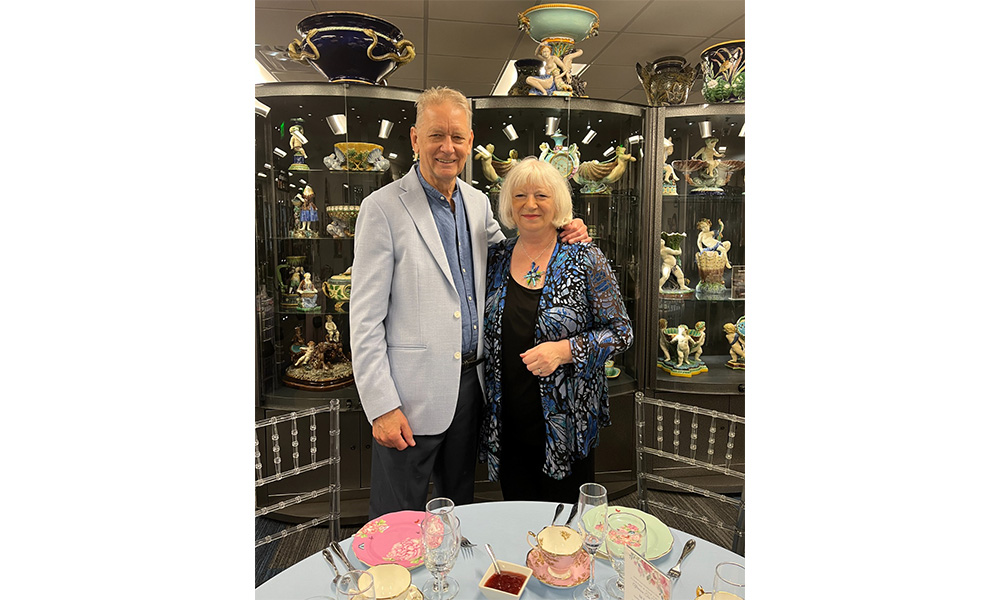
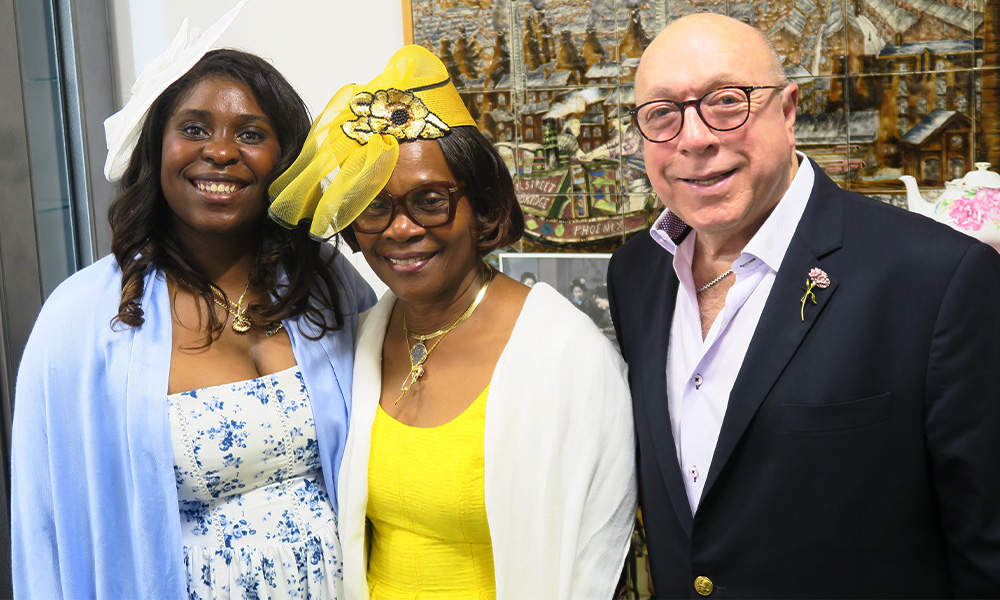
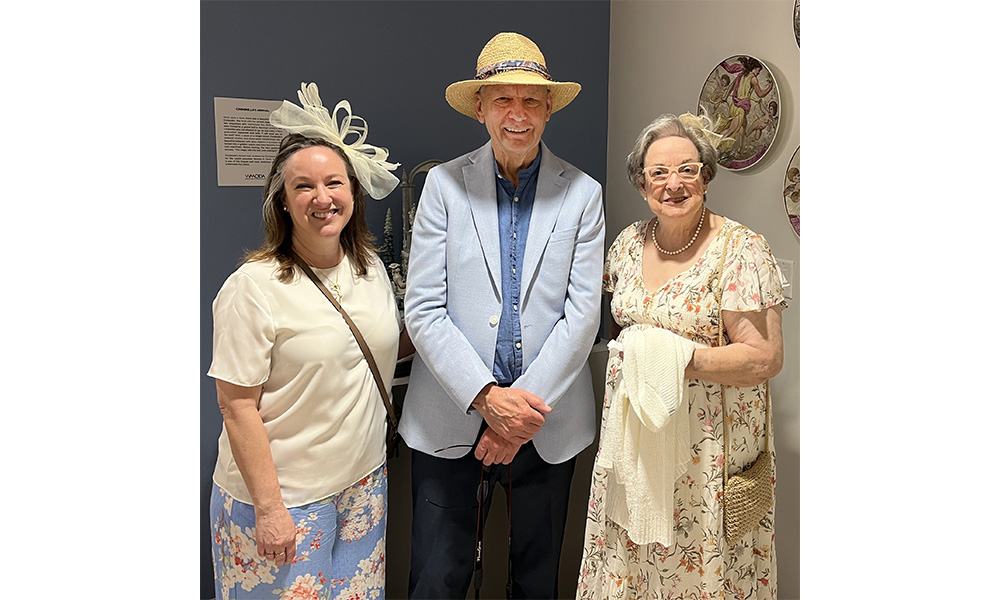
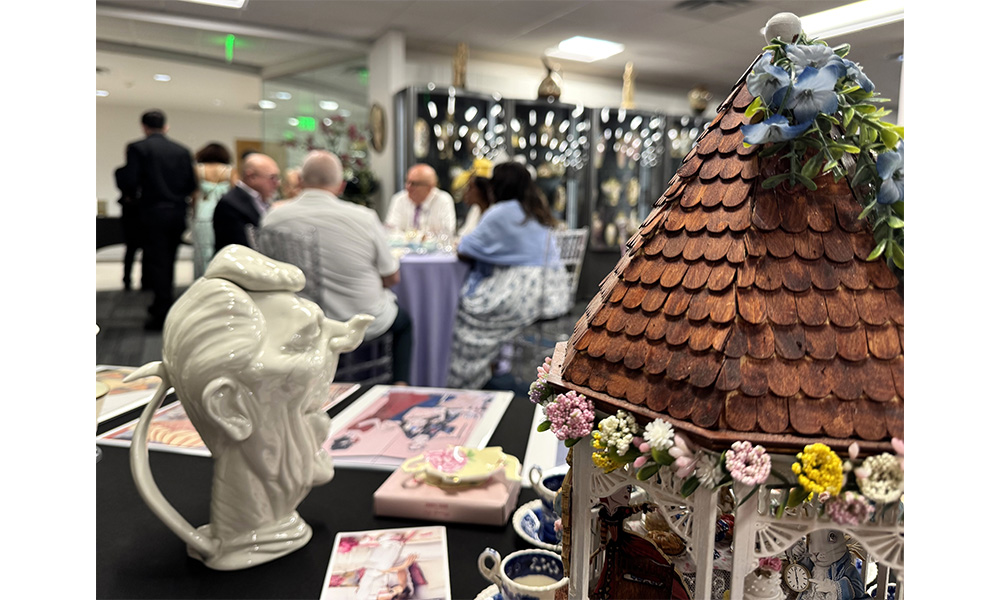
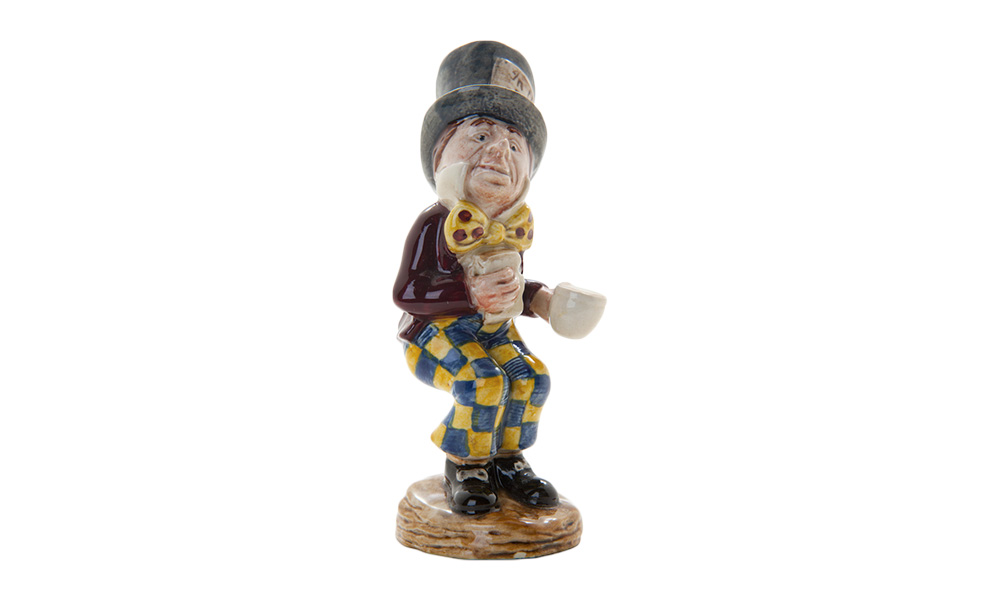
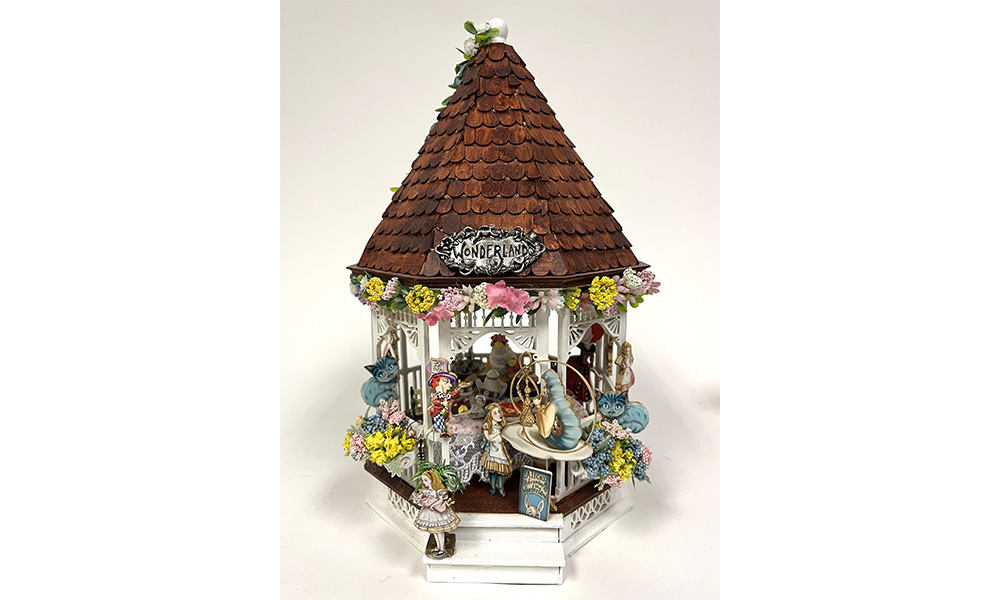
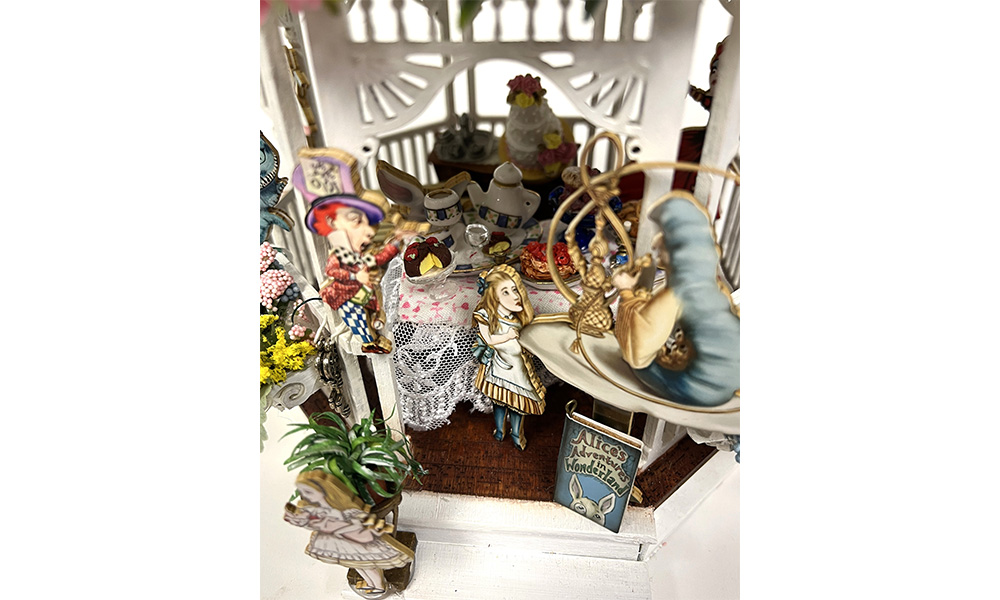
Our caterers, Side Car Kitchen, brewed and served delicious hot tea, dainty sandwiches and an abundance of sweet treats in elegant style. Our museum guests were beautifully dressed in garden party or tea-time chic, and there were some striking hats and fascinators for the occasion. The Alice in Wonderland gazebo created in miniature by Judy Rudin was a highlight of Louise’s display, and she talked about the Mad Hatter’s tea party, where it is perpetually teatime and they never have time to wash the dishes! They are forced to constantly rotate seats, tell riddles, recite nonsensical poetry, and behave rudely.
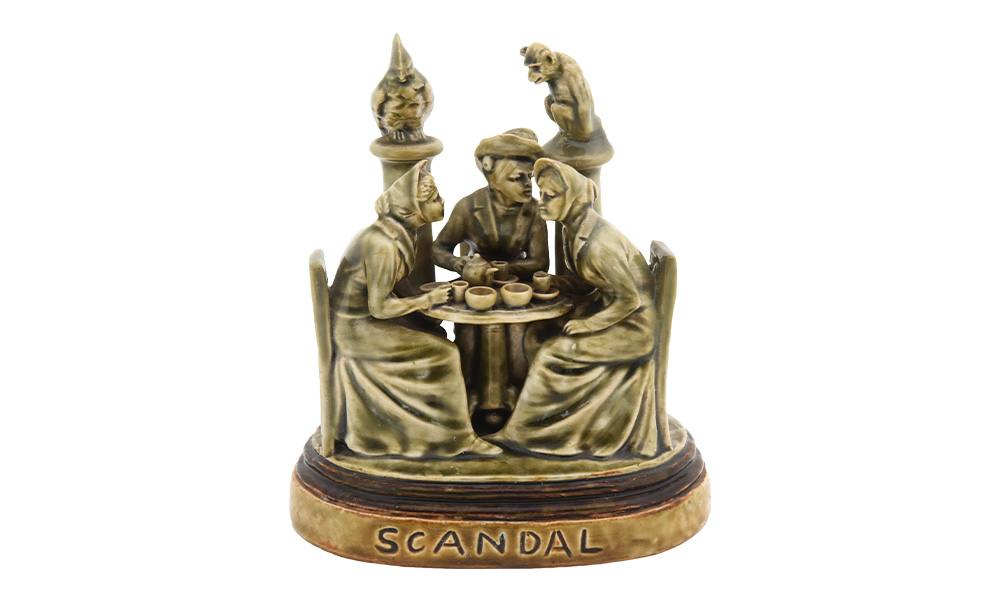
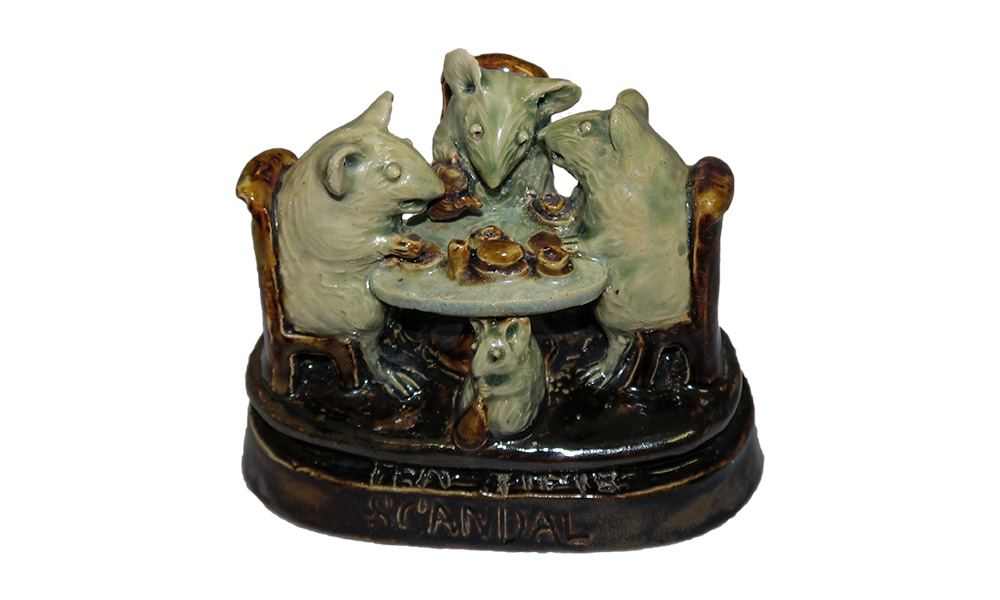
Fortunately, everyone was on their best behavior at WMODA as they caught up on the latest news and some good old-fashioned gossip. Some Victorians believed that excessive gossip at teatime could harm women’s health, and Louise highlighted two interesting Doulton pieces that show how George Tinworth observed Victorian tea parties. He portrayed Lady Doulton and her friends indulging in some teatime scandal alongside their mouse counterparts!
Ken Evans, the WMODA Board President, thanked everyone for attending our first tea party in our Hollywood home and concluded the afternoon’s activities with a champagne toast.
“To the mentors who shared their wisdom and the mothers who gave us life: thank you for guiding us with patience and love. May this glass of bubbles represent the joy you’ve brought to our lives.”