By Louise Irvine
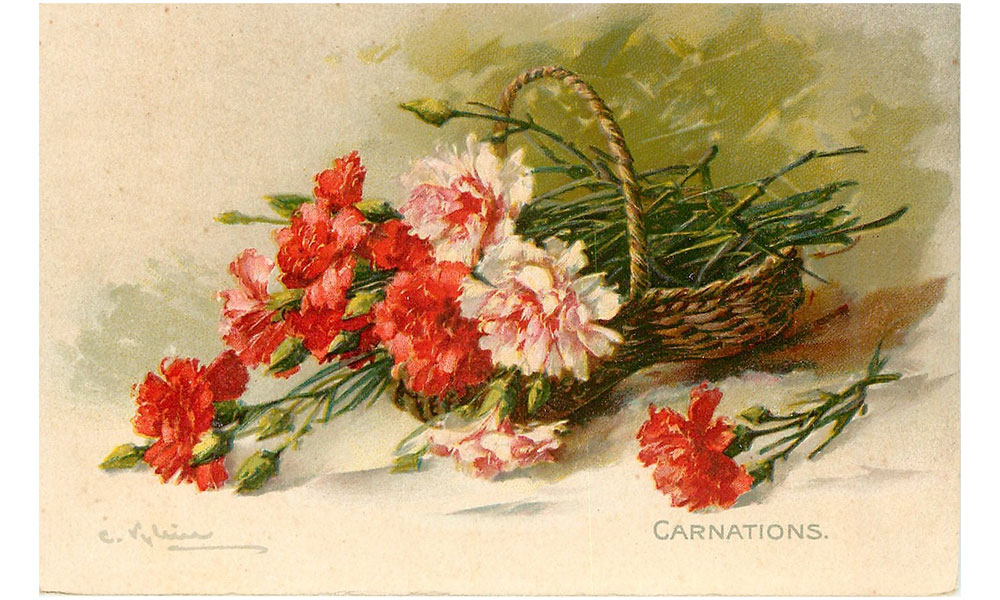
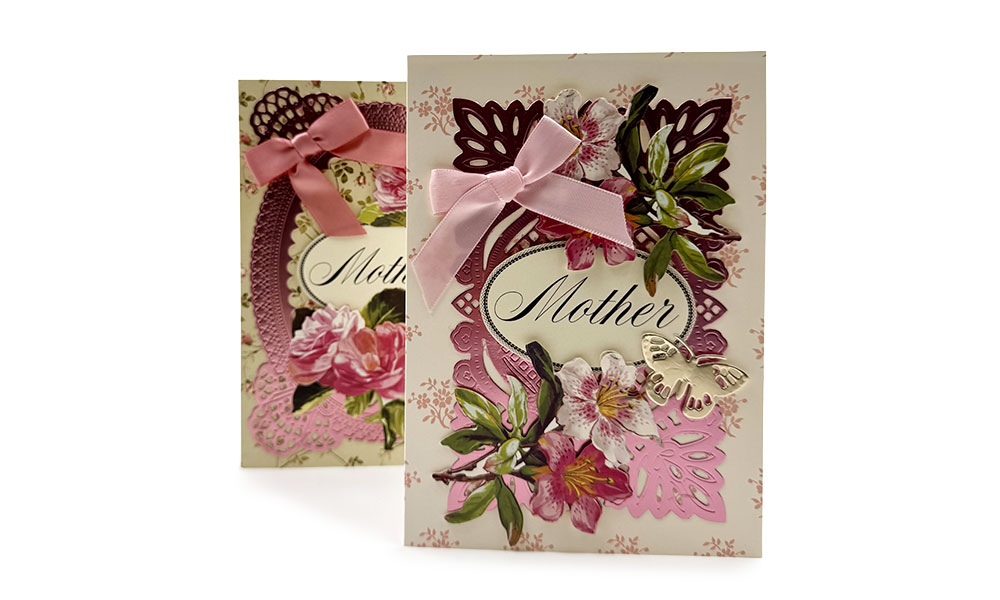
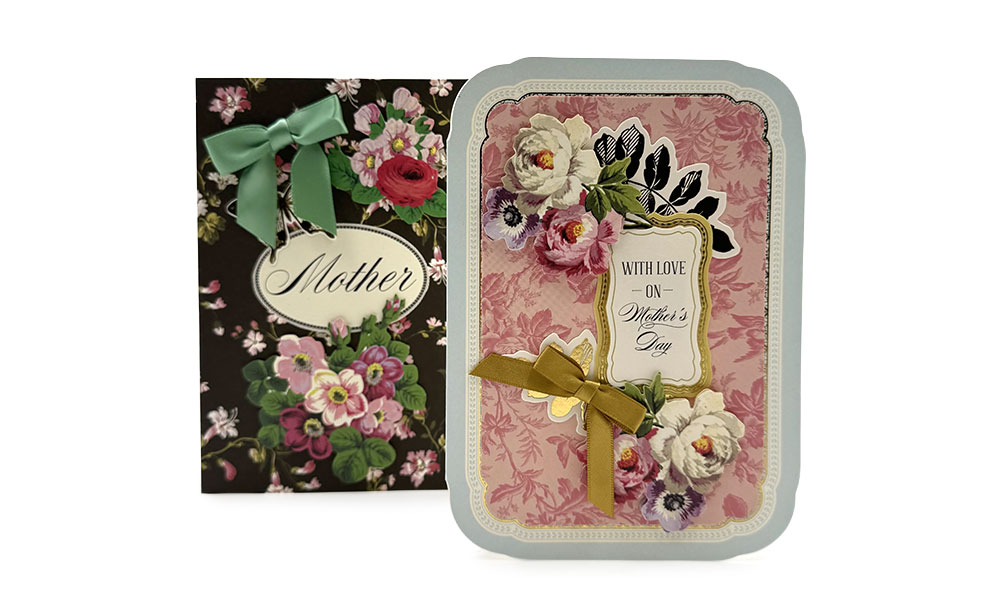
In America, the carnation is the official emblem for Mother’s Day, pink for appreciation of living mothers and white for remembrance of those who have passed. The tradition was established in 1908 by Anna Jarvis, the founder of the holiday, as the carnation was her mother’s favorite flower. In the language of flowers, carnations represent devotion, fascination and distinction. Their Greek name, Dianthus, means “divine flower” or “flower of the gods,” and they were highly prized for their fragrant ruffled blooms in Victorian gardens and conservatories.
Victorian interest in the language of flowers is rooted in the Turkish tradition of coded love messages, known as sélam, which originated in harems as far back as the 14th century. Lovers exchanged flowers and other objects wrapped in handkerchiefs, and the hidden sentiments had to be deciphered using words that rhymed with the tokens. Lady Mary Montagu, wife of the British ambassador in Constantinople in the 18th century, was fascinated with this love game without words and wrote copiously to her friends in England. Her published letters are credited with starting the Victorian craze for floriography or the language of flowers.
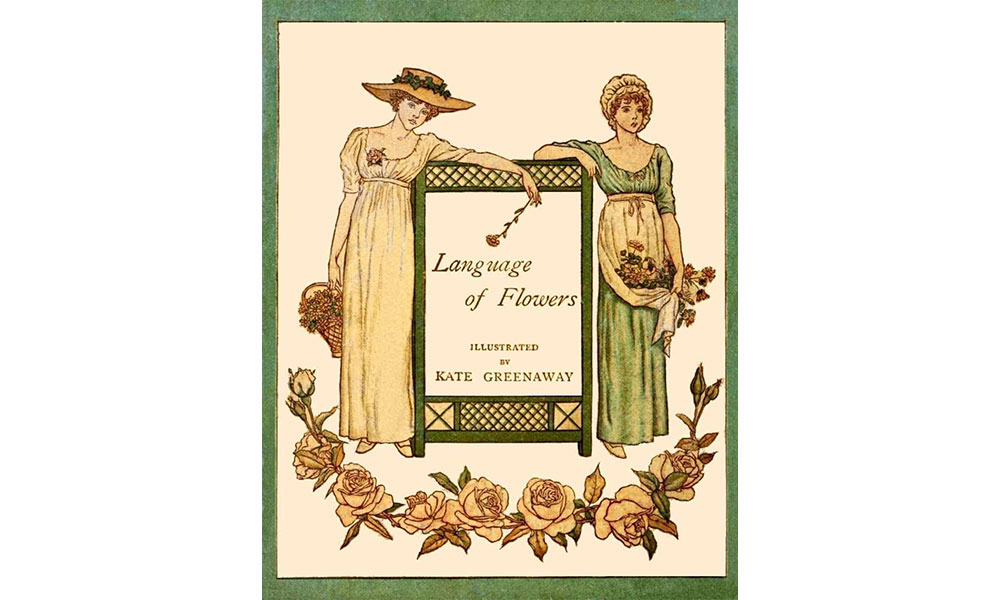
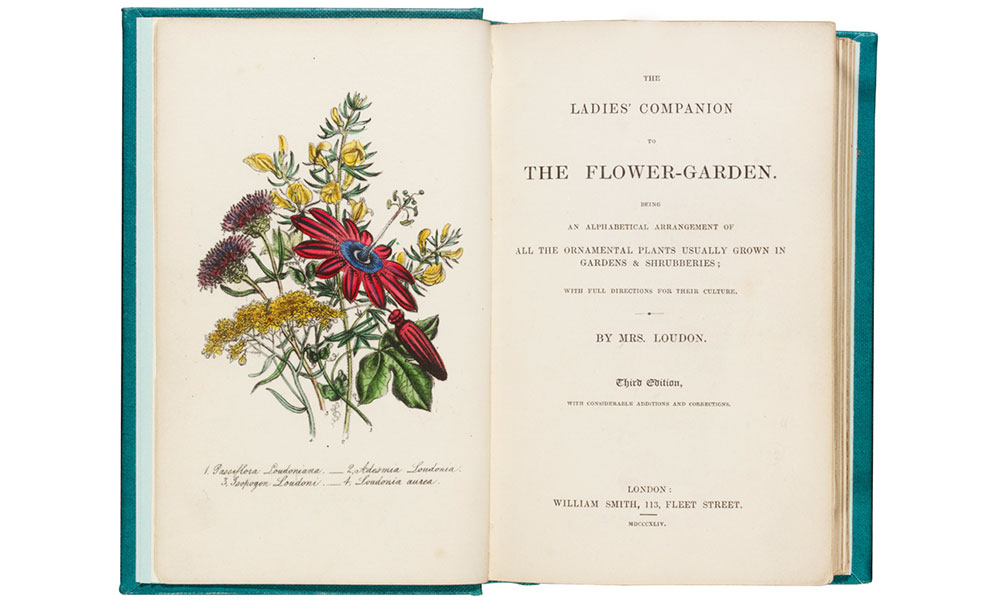
The symbolism of flowers dates back to antiquity and is found in the Old Testament of the Bible and in Shakespeare’s plays. Lists of flowers and their corresponding meanings were first published in France in the early 1800s, and by the end of the century, countless dictionaries had been published in Britain and America, often with conflicting meanings. There were more than 30 meanings for different types of roses in The Language of Flowers, illustrated by Kate Greenaway in 1884, which is still in print today. In this popular reference book, red carnations said “Alas! For my poor heart,” while yellow carnations symbolized disdain, and striped carnations represented a refusal.
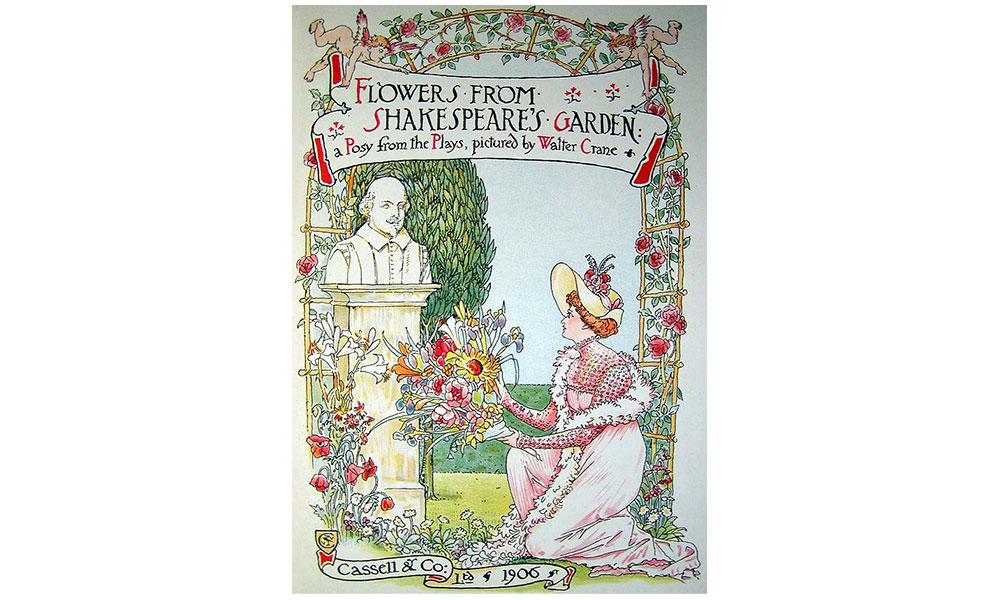
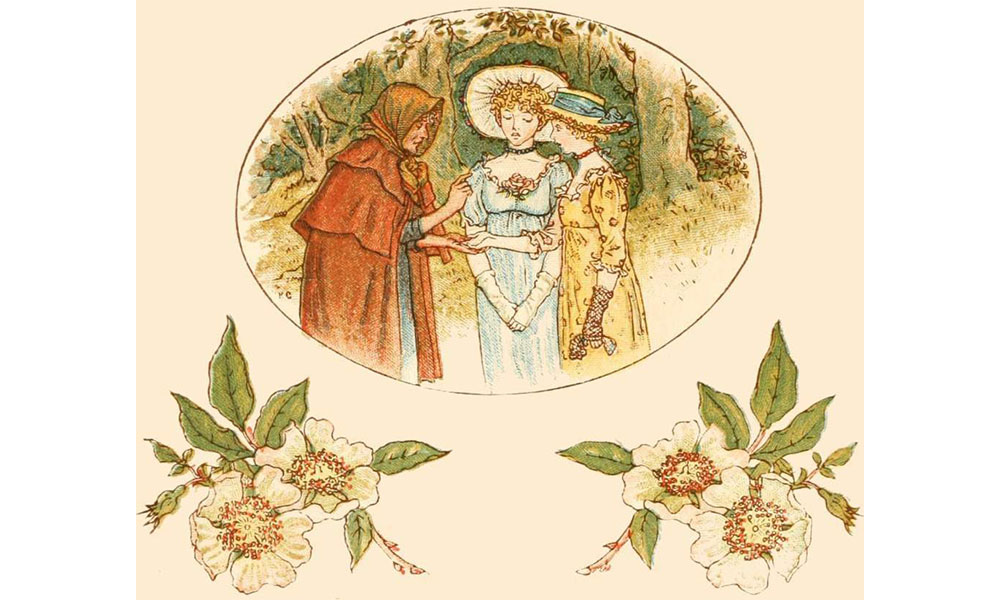
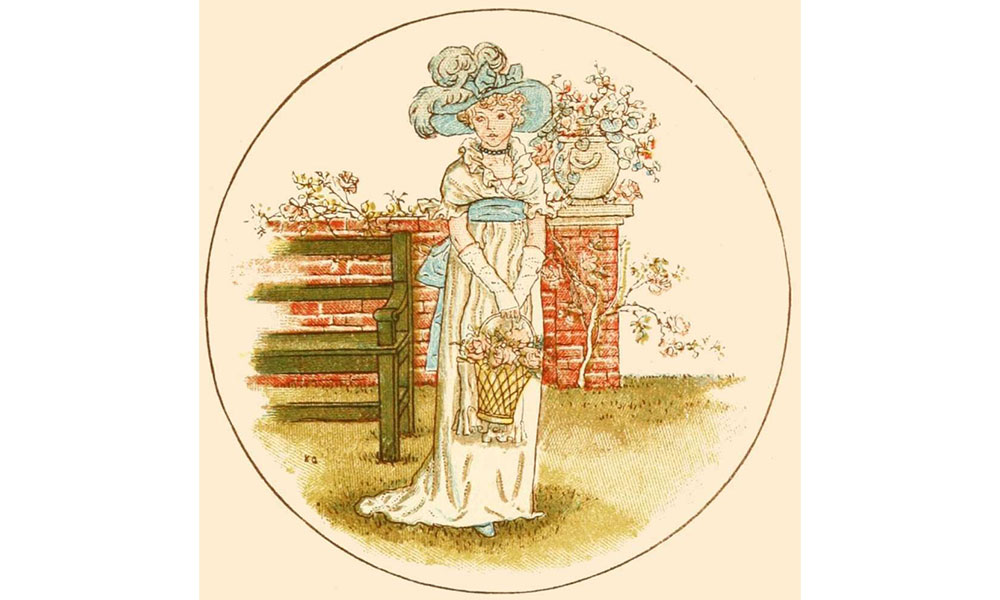
Victorian ladies were strictly chaperoned during courtship, so silent flowers could speak volumes for suitors. Nosegays, known as tussie mussies, could be decoded using the appropriate dictionary of floriography when words could not be spoken aloud in polite society. Where the “talking bouquets” were worn was also significant, and pinning them over the heart was an unambiguous declaration of love.
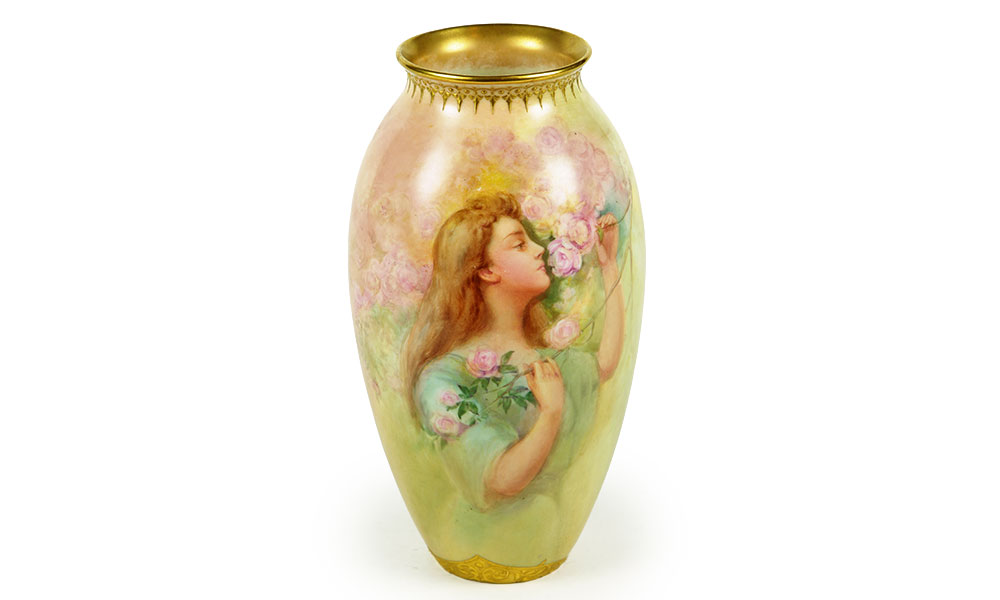
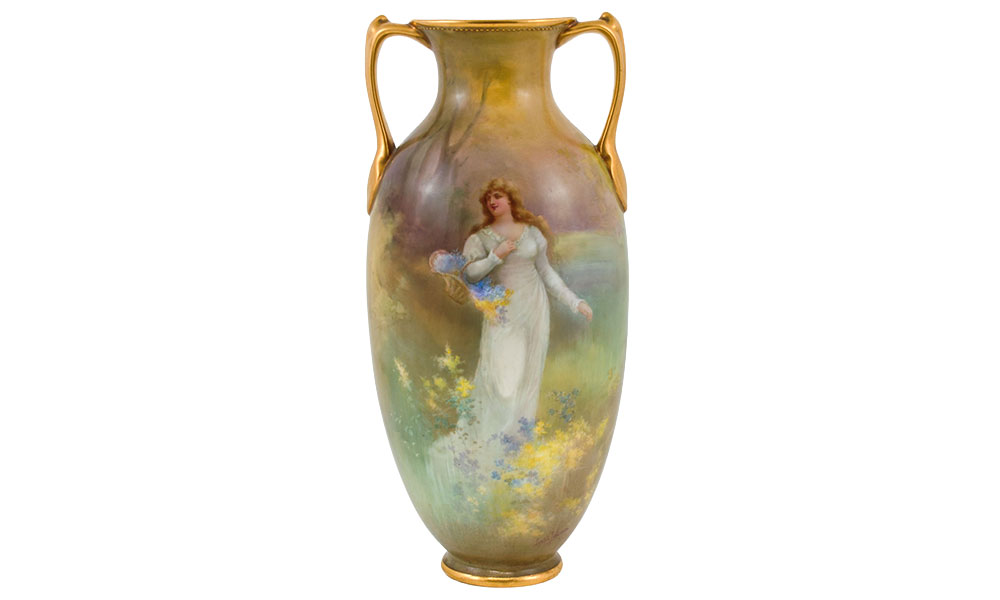
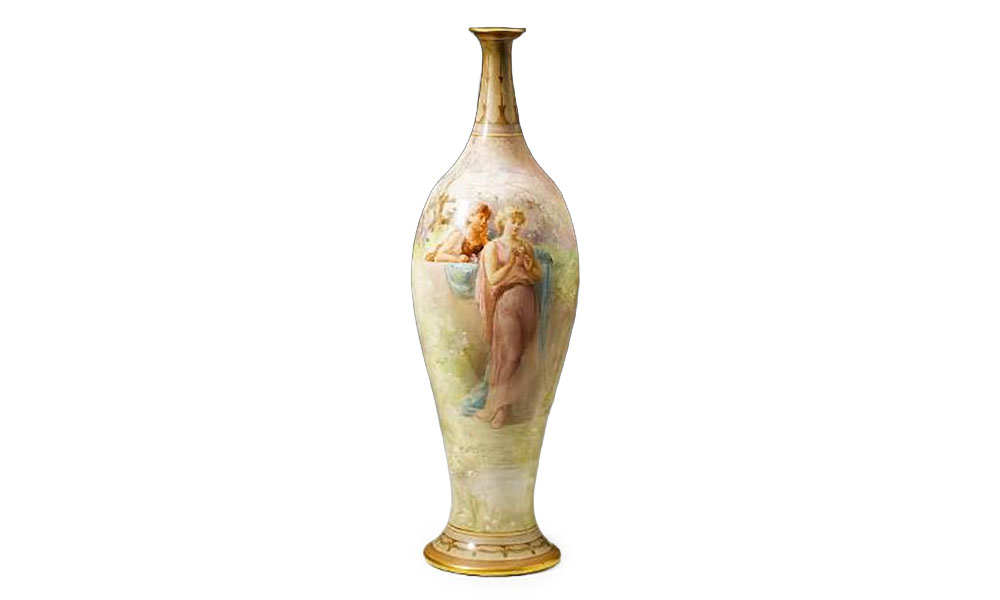
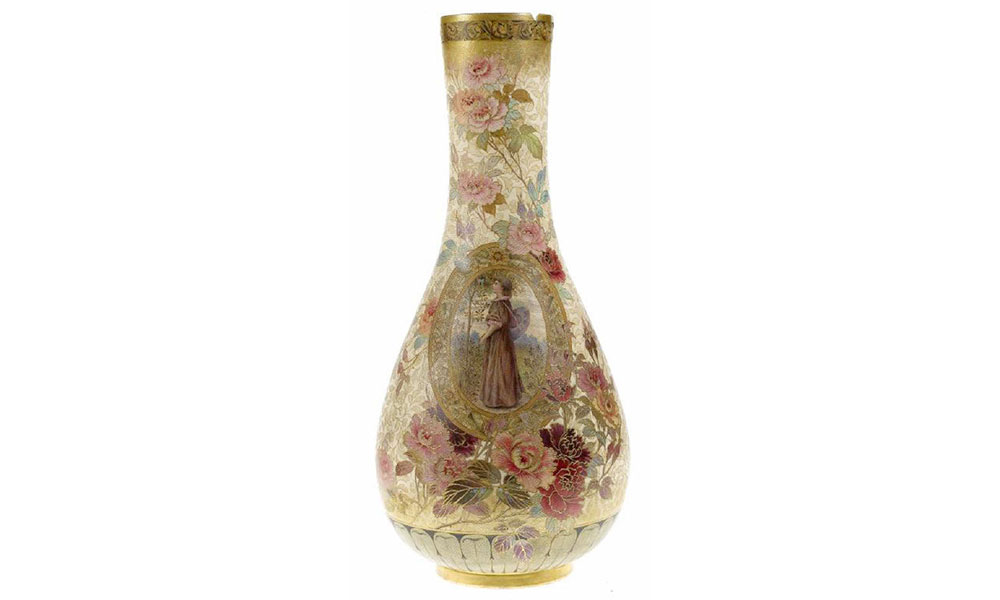
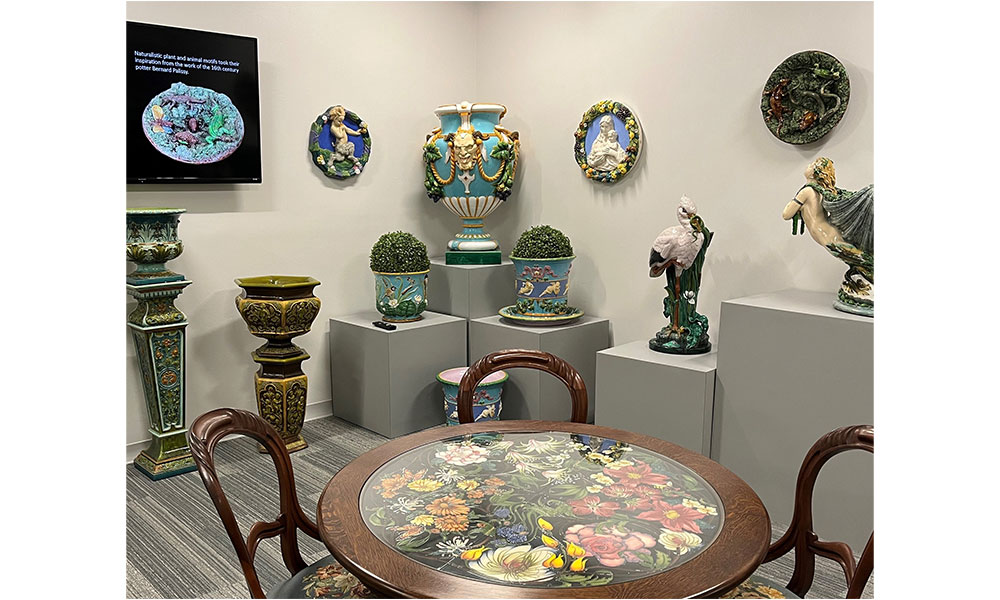
The Victorian use of flowers as a means of covert communication bloomed alongside a growing interest in botany among women during the period. Flower arranging, pressing specimens and botanical painting were favorite pursuits of the era. In the late 19th century, more than 300 young women worked at Doulton’s Lambeth Studio in London, and painting flowers on pottery became a respectable occupation. The artists at Doulton’s Burslem Studio also specialized in flower painting, and many beautiful bone china vases can be found in the Victorian Galleries at WMODA.
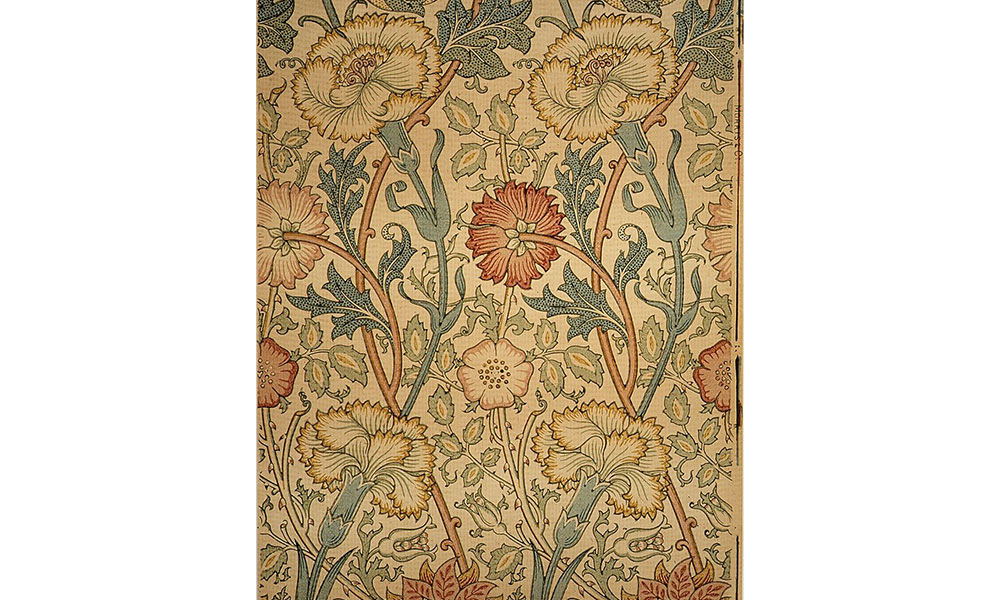
William Morris, the leading designer of the Arts and Crafts Movement, featured flowers for their aesthetic beauty and symbolic associations in his textiles and wallpaper patterns. The renowned “poet and papermaker” sought to “turn a room into a bower” with his visions of the English cottage garden. His Pink and Rose wallpaper from c.1890, depicting meandering carnations and roses, is still produced by Morris & Co. as both wallpaper and fabric.
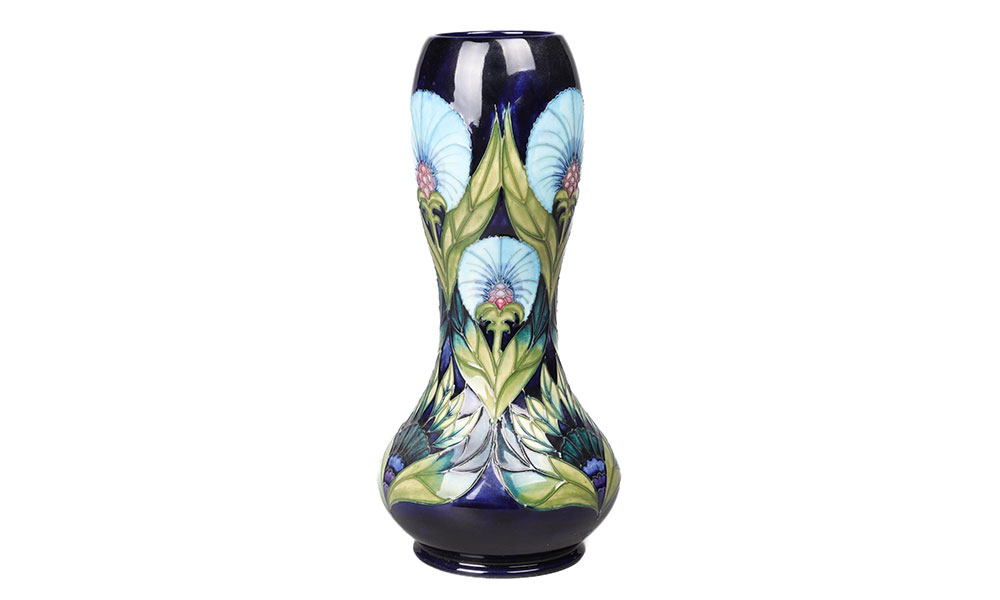
The celebrated potter William De Morgan, a friend and associate of Morris, also featured carnations in his tiles and vases, inspired by 16th and 17th-century Iznik tiles from Turkey. The carnation is one of the “four flowers” along with tulips, hyacinths and roses used in Ottoman art to represent longevity and admiration. Designs by Morris and De Morgan have often been revived by the Moorcroft Pottery in Staffordshire, which was saved from liquidation last year by the founder’s grandson. A recent collection by Emma Bossons was imbued with Floriography meanings, such as violets for loyalty and bluebells for kindness.
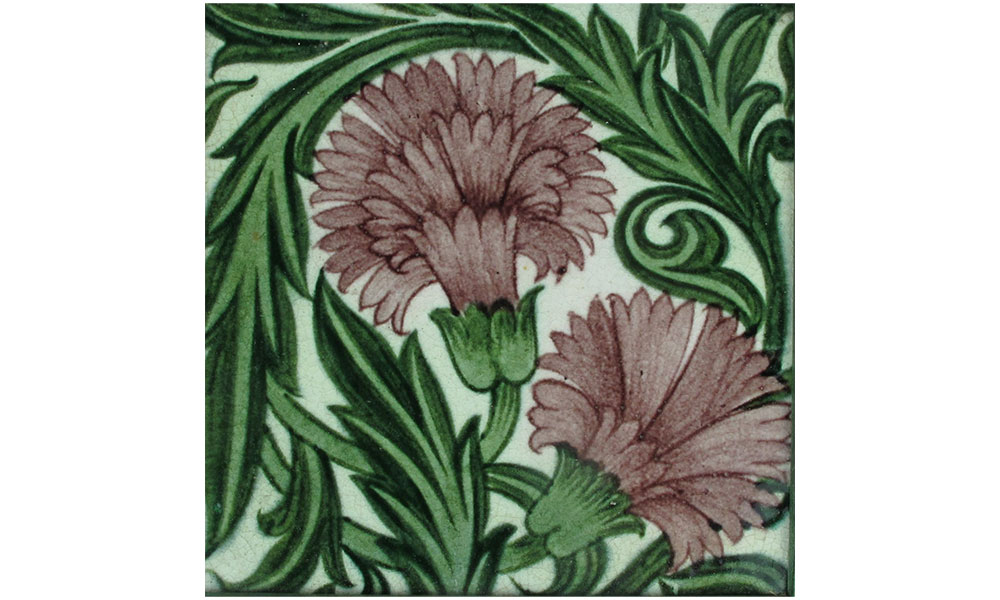
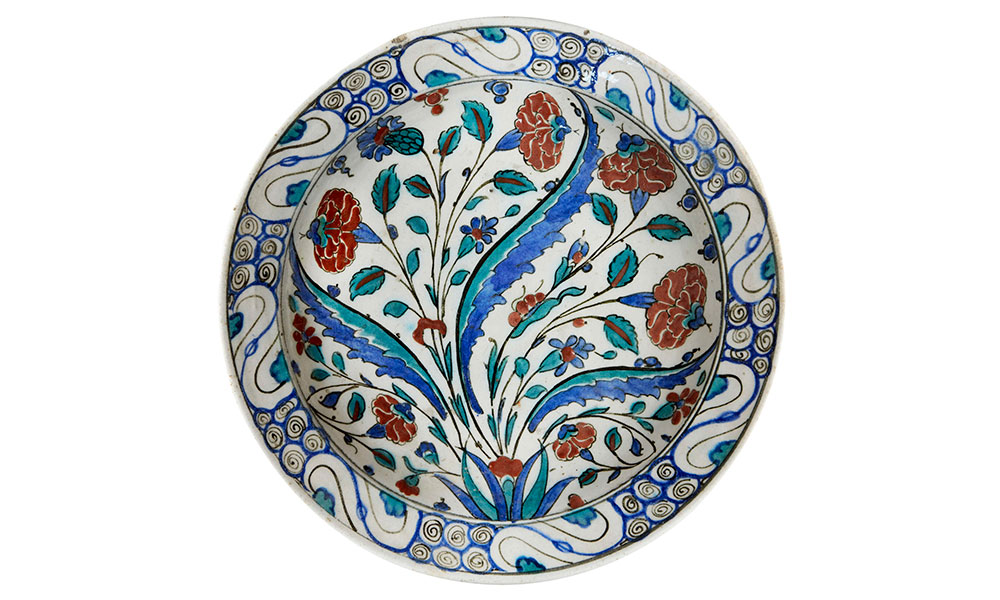
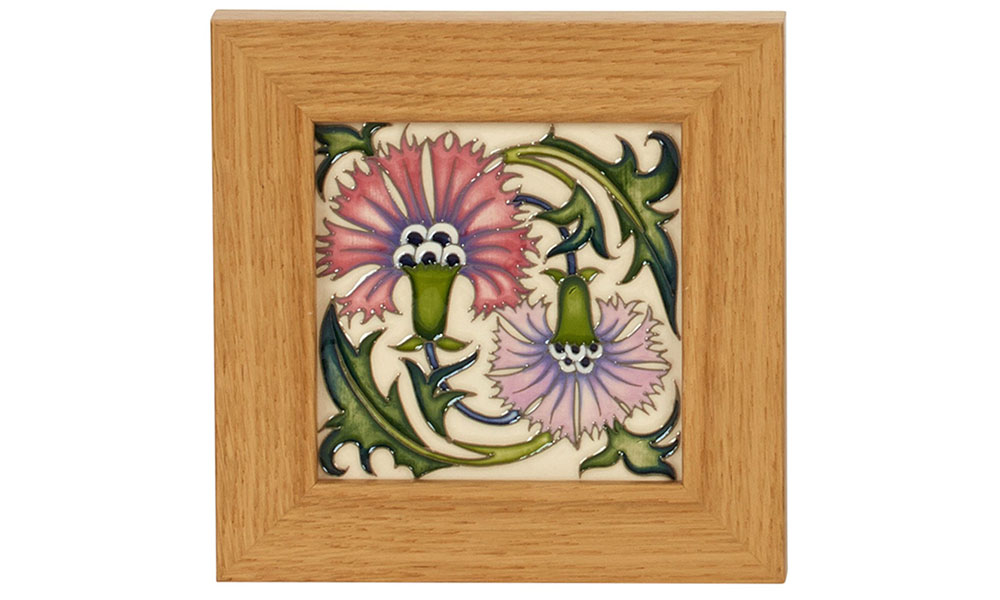
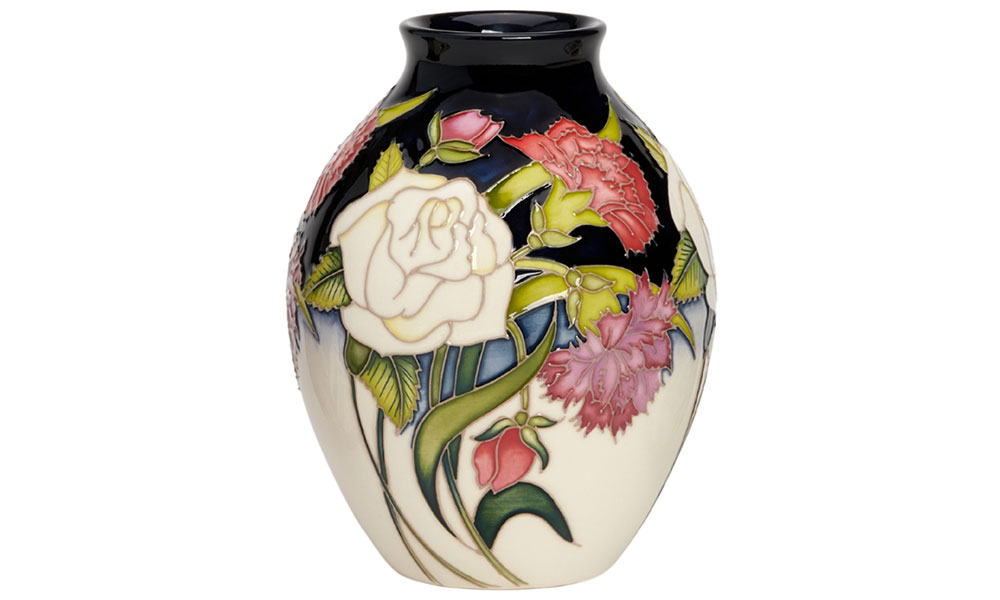
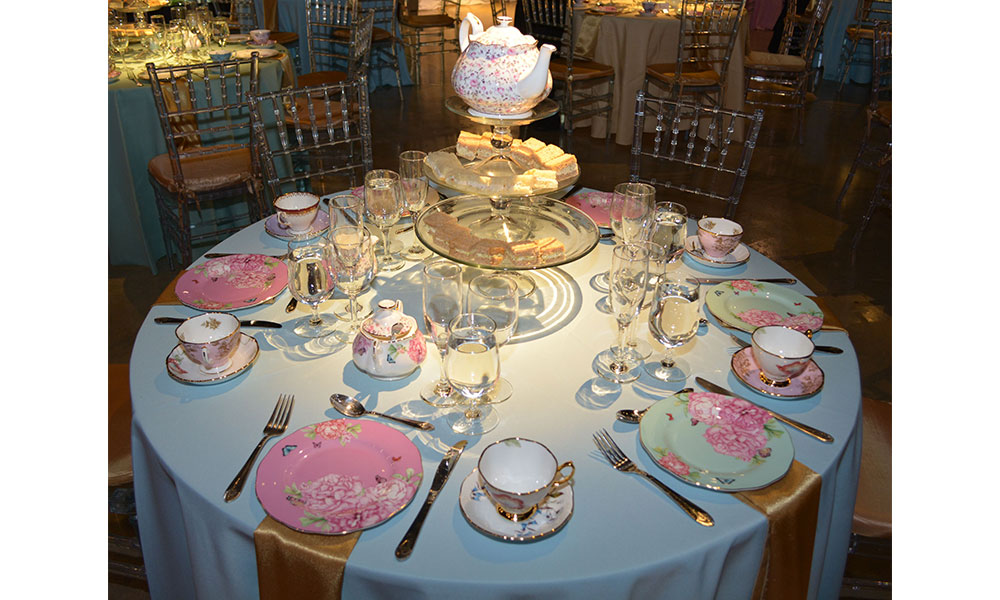
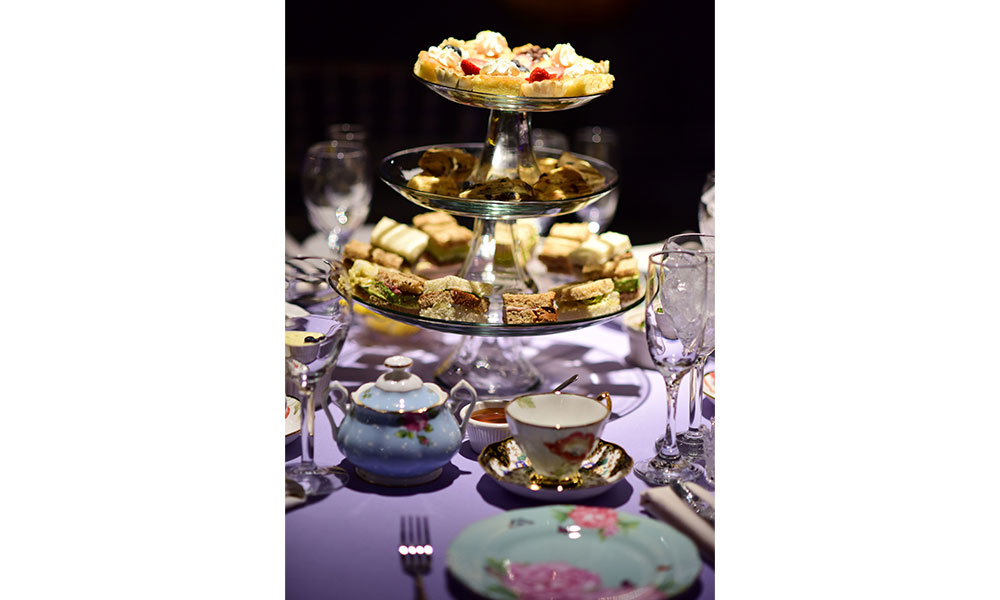
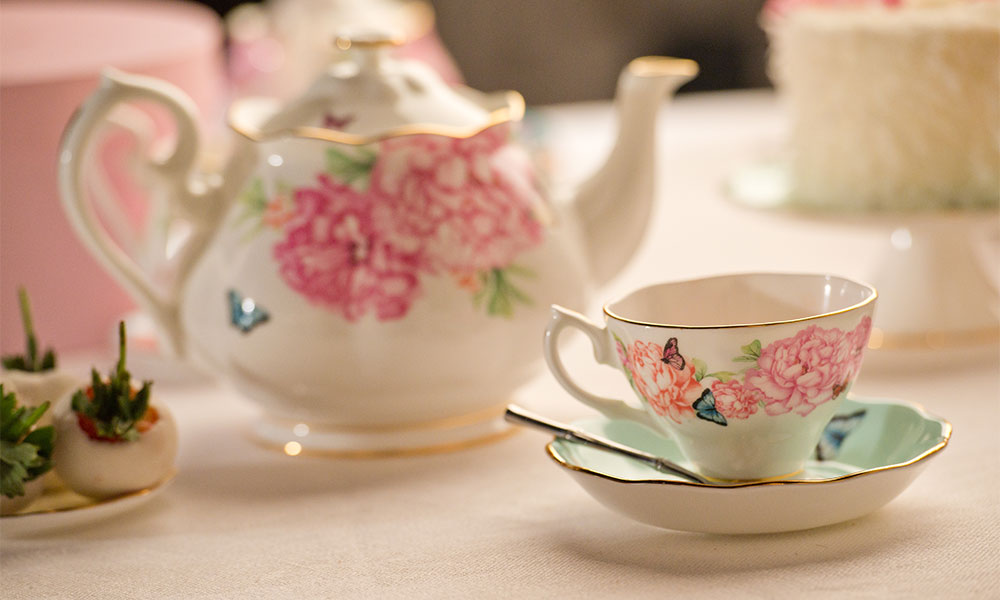
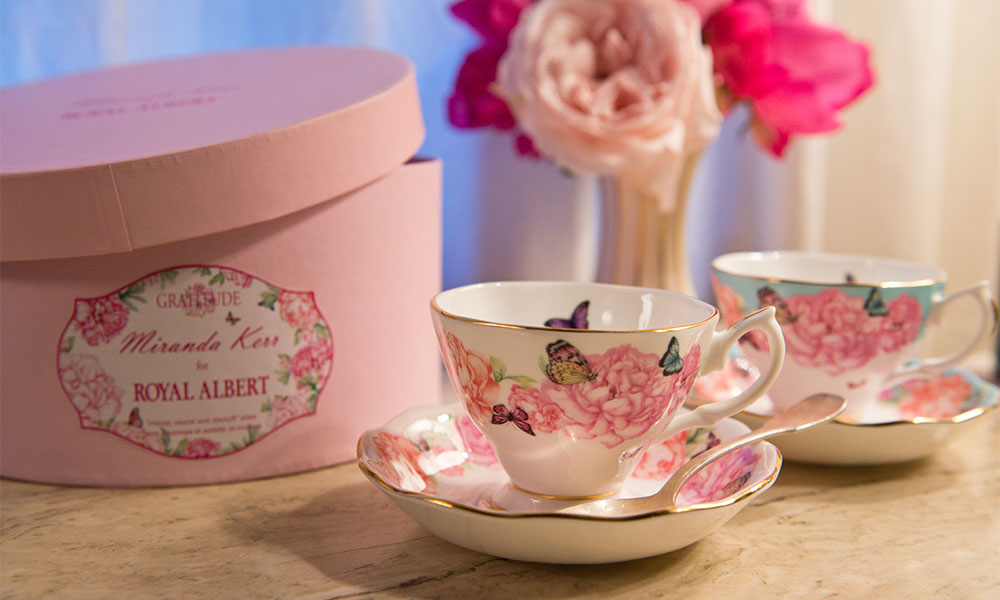
Sentiments of joy, gratitude and devotion are expressed in the Royal Albert Friendship collection of fine bone china tea sets. Established in 1896, this Staffordshire company is renowned for its quintessentially English floral style, and the bestselling Old Country Roses pattern is acclaimed as the “world’s favorite china.” A century of Royal Albert style is reflected in the harlequin-style table settings used at WMODA for afternoon tea parties.
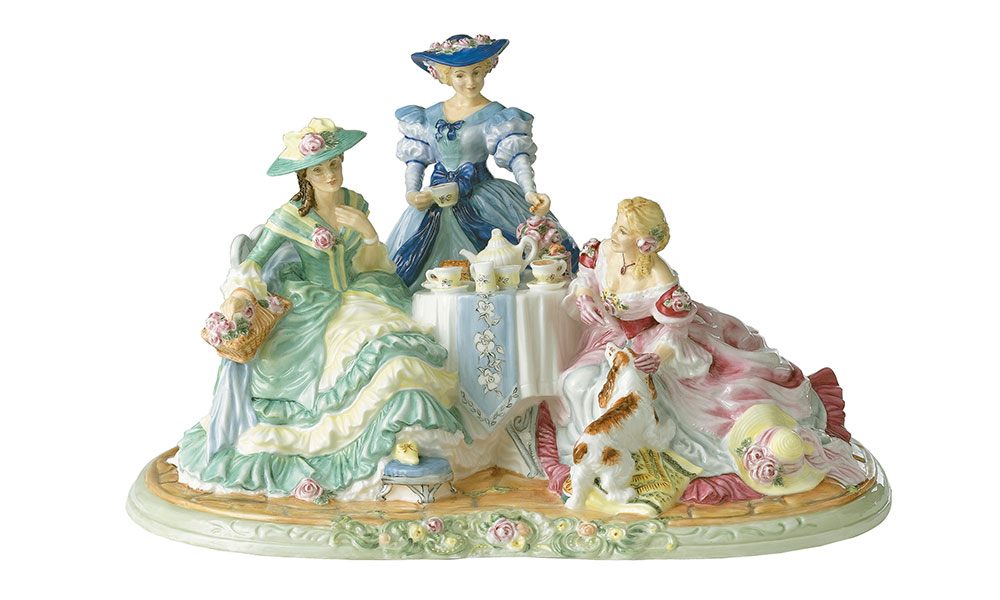
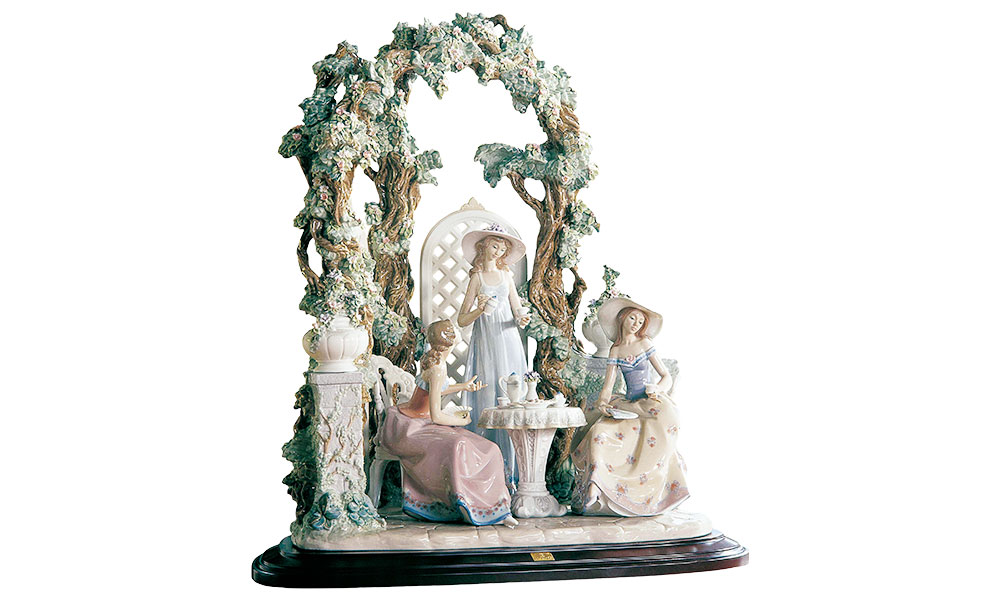
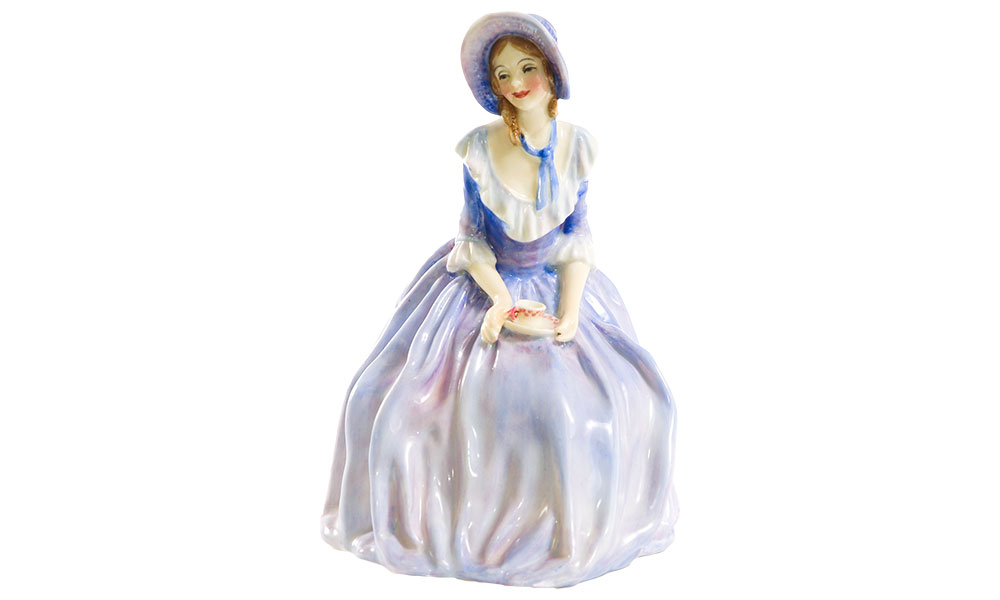
The English ritual of afternoon tea is credited to Anna Maria Russell, Duchess of Bedford, a lady-in-waiting to Queen Victoria. In the 1840s, she began entertaining her friends and serving light refreshments in the late afternoon. An energizing pot of tea and a light snack kept hunger pangs at bay before dinner in the evening. However, catching up on the latest news and gossip was often the main draw for Victorian socialites at afternoon tea.
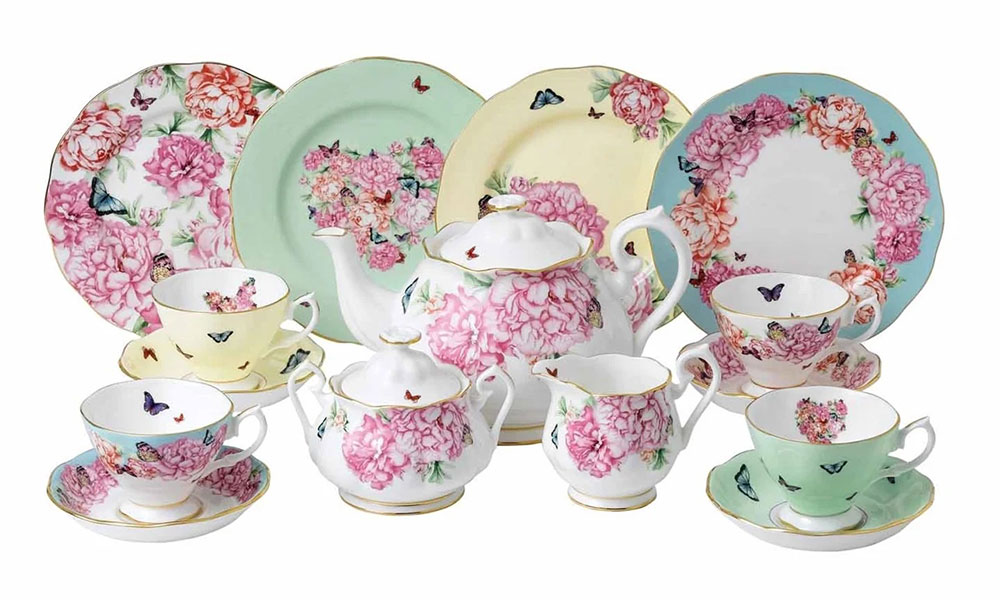
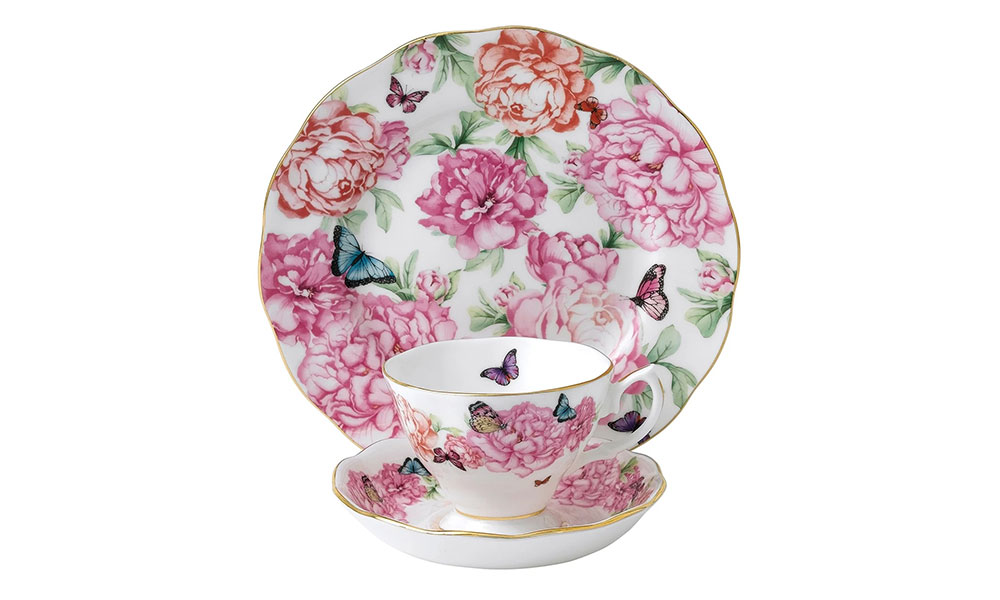
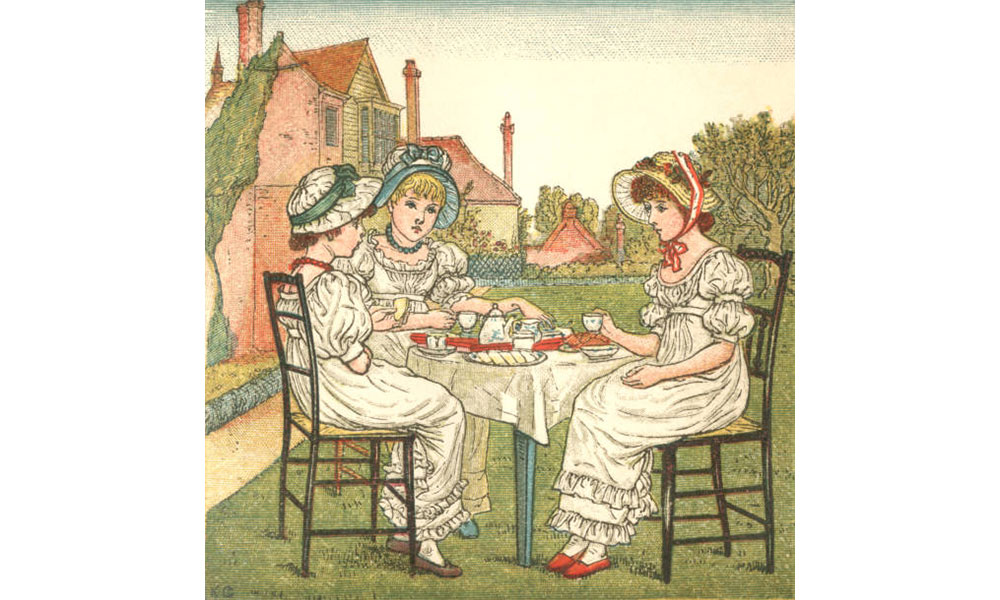
This convivial social occasion quickly became popular among the leisured classes and was often enjoyed in a garden setting on a summer afternoon. The southern counties of Devon and Cornwall became associated with scrumptious “cream teas” served to tourists arriving by train from London. Freshly baked scones were topped with clotted cream and strawberry jam, and it is still fiercely debated between the counties whether the cream or the jam is added first.
The British custom of afternoon tea quickly spread to Gilded Age America, where social gatherings were designed to display affluence, elegance and etiquette. The British Potteries have provided all the necessary fine china for fashionable tea parties, past and present, as evidenced by the WMODA exhibits celebrating the art of hospitality.
Read more about the history of afternoon tea at WMODA.
Afternoon Tea Week
I’m a Little Teapot
The Art of Tea with Wedgwood
Teatime Tango
Teatime Scandal